Most foundation problems in Mississauga start small: a hairline crack that leaks in spring, a damp corner after a storm, a door that begins to stick. Some are cosmetic. Others are early signs of soil movement or water pressure that will get worse every winter if nobody looks at them.
This guide explains the common foundation problems Mississauga homeowners deal with, why local soil, creeks and housing ages make certain problems more likely, how to read the warning signs and when to call a professional. It is written for owners of houses from Port Credit to Meadowvale, not for commercial buildings.
Why Mississauga Foundations Have Their Own Set of Problems
Three local conditions shape most of the foundation issues we see in Mississauga.
Clay-rich glacial soil
Much of Mississauga sits on clay-rich glacial soil. Clay holds water, drains slowly and changes volume as it wets and dries. After heavy rain it presses against basement walls; in a dry summer it shrinks away from them. That repeated movement loads the same weak points year after year, and it is one of the main reasons cracks and leaks keep returning.
Rivers, creeks and record storms
The Credit River, Etobicoke Creek, Little Etobicoke Creek and Cooksville Creek all cross the city, and groundwater stays higher on low streets near them. Toronto Pearson, which is inside Mississauga, measured 126 mm of rain on July 8, 2013, and the city was hit by two very heavy storms in the summer of 2024. Saturated soil after storms like these is when hidden cracks first show themselves.
Housing built in very different eras
Mississauga became a city in 1974, joining older communities such as Port Credit, Streetsville, Cooksville, Clarkson and Malton. The foundation you have depends on when your house was built.
| Area (examples) | Typical housing | Foundation issues we see most |
|---|---|---|
| Port Credit, Lakeview, Mineola | Pre-war and 1950s homes | Old block or rubble walls, worn parging, clay weeping tile |
| Cooksville, Applewood, Dixie, Malton | Post-war bungalows and back-splits | Floor–wall joint leaks, block wall seepage, sewer backup |
| Clarkson, Lorne Park, Erindale | 1950s–70s homes on treed lots | Roots in drainage, wall cracks, settlement near large trees |
| Erin Mills, Meadowvale | 1970s–90s subdivisions | Shrinkage cracks in poured walls, window wells, early plastic tile |
| Churchill Meadows, Lisgar, East Credit | 1990s–2010s homes | Settling of backfill, window wells, sump pump reliability |
The Most Common Foundation Problems in Mississauga
Foundation cracks
Cracks are by far the most frequent issue. How common are cracks in the foundation of a house? Very: poured concrete shrinks as it cures, so a thin vertical crack in a poured wall is normal for many homes and is not, by itself, a structural failure. The problem is water. A crack that is dry in August can leak every April once the clay around it is saturated.
The direction and width of a crack tell you more than its length. Thin vertical cracks are usually shrinkage. Stair-step cracks in block walls, horizontal cracks and cracks wider at one end point to movement or soil pressure. Our guide on how to tell if a foundation crack is serious explains each pattern in detail, and stair-step cracks have their own article.
Foundation settling
Foundation settling in Mississauga is common in two situations: newer homes where the backfill around the foundation is still compacting, and older homes where the soil under one part of the house has changed — after a leaking pipe, a removed tree or years of water pooling at one corner. Uniform settling is rarely a problem. Uneven (differential) settling is what cracks walls, tilts floors and makes doors stick.
Bowing or leaning walls
Block foundations in post-war homes can bow inward when wet clay and frost push against them for decades. A horizontal crack along the middle of a block wall, or a wall that is visibly out of plumb, needs a structural assessment before any waterproofing or crack sealing is done.
Water seepage and hydrostatic pressure
When groundwater rises around the foundation it creates hydrostatic pressure. Water then finds the floor–wall joint, tie-rod holes, pipe penetrations and cracks. Seepage is not only a nuisance; it washes fine soil, wets the footing and feeds the freeze–thaw damage described below.
Crumbling parging and spalling concrete
What are the early signs of crumbling foundation? Look for powdery or flaking concrete at the base of the wall, parging that falls away in sheets, sand-like grit on the floor and white mineral deposits. In older Mississauga homes the original mortar and parging are often 60 years old or more. Foundation parging protects the exposed wall above grade, but crumbling below grade usually means water has been moving through the wall for a long time.
Floor cracks and heaving
Does a crack in the floor mean foundation problems? Usually not. The basement slab is not part of the structure that holds up the house, and thin shrinkage cracks in it are common. A floor crack matters when it lets water in, when one side is higher than the other, or when it lines up with cracks in the walls — those are signs of soil movement or water pressure under the slab.

What Destroys the Foundation of a House?
What destroys the foundation of a house is rarely one event. It is water, repeated for years:
- Poor surface drainage — downspouts that discharge next to the wall and soil that slopes toward the house.
- Freeze–thaw cycles — water in cracks freezes and widens them every winter. See how freeze–thaw damages foundation walls.
- Failed weeping tile — clogged or collapsed clay tile lets water build up at the footing.
- Tree roots and changing moisture — large trees near the wall dry and shrink the clay, then let it swell again.
- Plumbing leaks under or beside the house — they soften the soil in one spot and cause uneven settling.
How to Know If a House Has a Foundation Problem
How to know if a house has a foundation problem comes down to watching for groups of signs, not a single one.
Signs of foundation problems inside
- New or widening cracks in basement walls, especially horizontal or stair-step cracks
- Damp patches, water lines or white powder on the walls
- Doors and windows that start to stick or no longer latch
- Cracks in drywall above door frames
- Gaps between the floor and baseboards or between walls and ceilings
Signs of foundation problems outside
- Stair-step cracks in brick veneer
- Gaps around window frames or the garage door
- A chimney that leans away from the house
- Soil pulling away from the wall in summer, or puddles against it in spring
These signs of foundation problems in Mississauga homes are most visible in spring, after snowmelt and the first heavy rains. That is the best time to walk around your house and check.
How to Tell If Your Foundation Is Sinking
How to tell if your foundation is sinking: one corner of the house will usually show it first. Floors slope noticeably toward that corner, cracks in walls are wider at the top than the bottom (or the reverse), and exterior brick shows stair-step cracks that open toward the low point. A simple marble or level test on the main floor, repeated over a few months, shows whether the slope is changing. Ongoing movement needs a structural engineer; stabilization options such as piers are explained in our article on foundation repair methods.

What Happens If You Don’t Fix a Cracked Foundation?
What happens if you don’t fix a cracked foundation? A leaking crack lets water reach the wall framing, insulation and flooring, and it creates the damp conditions in which mould grows. Each winter, water in the crack freezes and widens it. Soil washed in through the crack can undermine the slab nearby. A structural crack that is left alone can turn a repair that takes one visit into a much larger job involving excavation or wall reinforcement.
There is also a cost when you sell. Buyers’ inspectors look for active leaks and patched cracks, and an unexplained repair raises questions. A documented professional repair is much easier to explain.
Repair Options for Mississauga Foundations
The right repair depends on what is wrong, not on the size of the crack alone.
| Problem | Usual repair | Typical price (Leaquida 2026) |
|---|---|---|
| Isolated leaking crack in a poured wall | Foundation crack repair by polyurethane or epoxy injection | $500 – $1,500 per crack |
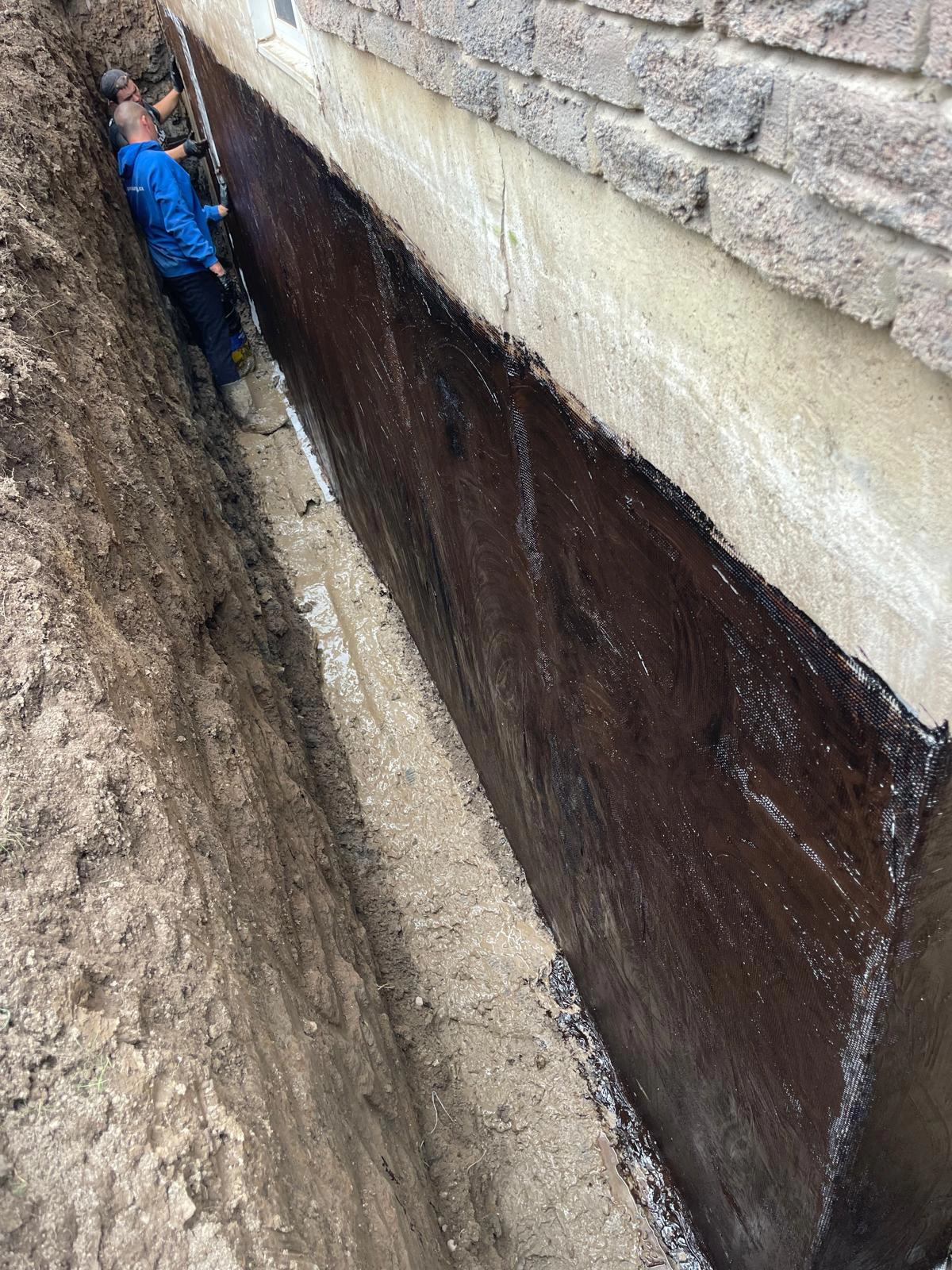
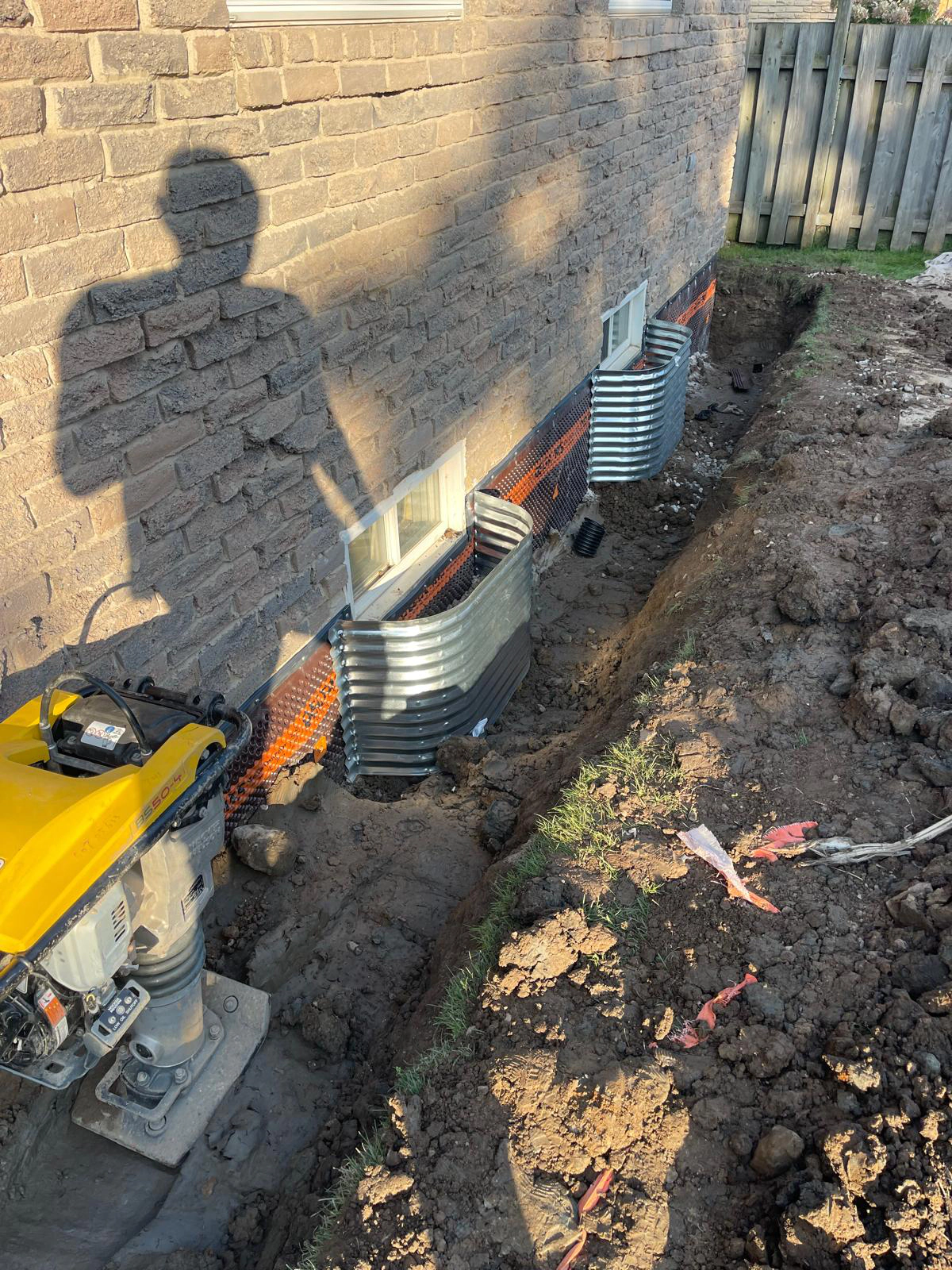
| Several leaking walls, accessible from outside | Exterior waterproofing with membrane and new weeping tile | $100 – $250 per linear foot |
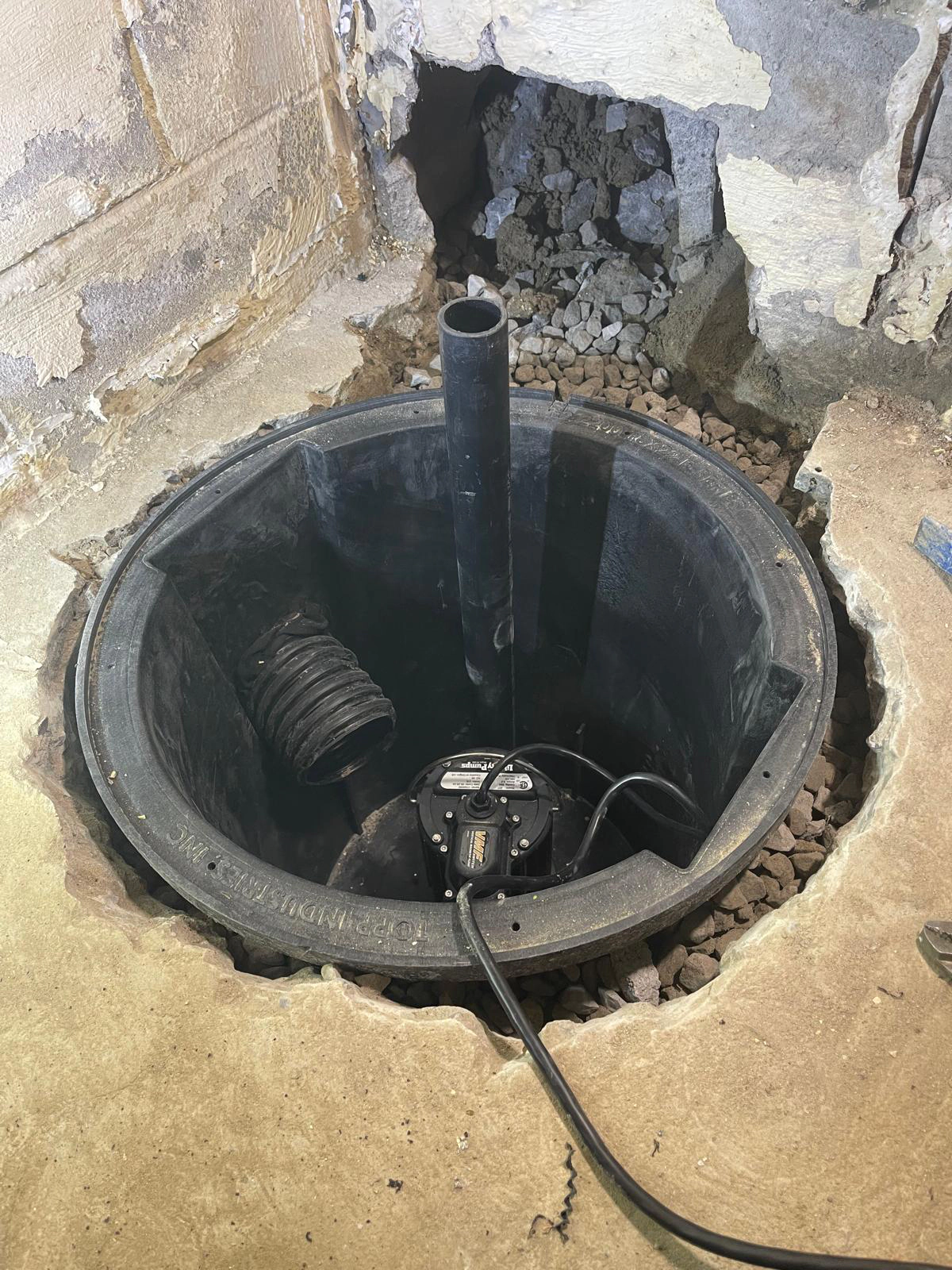
| Floor–wall joint seepage, high groundwater | Interior waterproofing with perimeter drain and sump pump | $50 – $120 per linear foot |
| Bowing wall, ongoing settlement | Structural foundation repair after an engineer’s assessment | Quoted per project |
Mississauga homeowners can also apply for City of Mississauga and Region of Peel flood-prevention rebates on sump pumps, backwater valves, weeping tile capping and downspout disconnection. The rules and amounts are explained on our Mississauga basement waterproofing page.
When to Call a Professional
Call for an inspection if a crack is wider than about 6 mm, horizontal or stair-stepped, if it leaks, if cracks keep returning after patching, or if you see several inside and outside signs together. A good inspection separates water problems from structural ones and tells you which you have before any work is quoted.
Leaquida inspects foundations across Mississauga and the rest of Peel Region from our office in Etobicoke. The inspection and written quote are free.