Basement waterproofing is worth considering when it addresses a confirmed water-entry problem, protects a planned renovation or corrects a drainage weakness. It works when the repair matches the source of the water. Buying the largest system available, or painting over a damp wall without a diagnosis, is not the same as solving the problem.
For Toronto and GTA homeowners, the useful question is not simply whether waterproofing works. It is what your basement needs, what the proposed work will change and which risks will remain afterward.
When is basement waterproofing worth it?
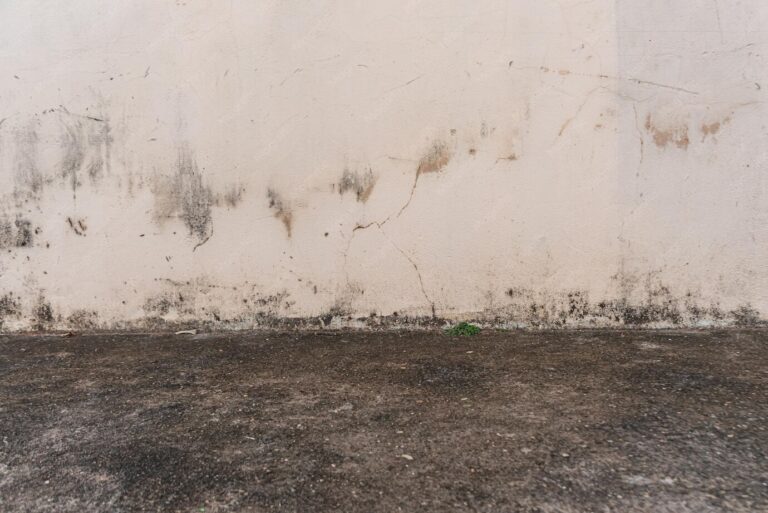
A repair has a clear purpose when water repeatedly enters after rain or snowmelt, damages stored belongings or prevents you from using the basement. Addressing that source before replacing drywall or flooring avoids building new finishes around an unresolved defect.
An unfinished basement also deserves attention. Exposed walls make leaks easier to see, but leaving the room unfinished does not stop moisture from reaching timber, equipment or contents. Conversely, an old water stain alone does not prove that a full drainage system is necessary. Establish whether the stain is active and what originally caused it.
Before renovating, consider the consequences of having to open finished walls again. A basement that appears dry during one summer inspection may behave differently during spring thaw. Ask about the house’s leak history and inspect accessible walls, floor edges, windows and drainage equipment before covering them.
Does waterproofing a basement work? Match the solution to the leak
Different jobs are sold under the word waterproofing. Some stop water at a foundation wall; others collect seepage and carry it to a discharge point. Neither approach should be selected solely because it worked at a neighbour’s house.
| What you observe | What to investigate | Possible response |
|---|---|---|
| A single crack leaks after rain | Crack condition, movement and water path | Targeted crack repair if suitable |
| Water appears along the wall–floor joint | Groundwater and foundation drainage | Interior drainage or exterior drainage work |
| An accessible wall repeatedly admits water | Wall defects and exterior protection | Exterior membrane and drainage assessment |
| Water enters around a basement window | Window well, grading and window details | Correct that entry route |
| Water rises through a floor drain | Sewer or plumbing problem | Licensed plumbing assessment |
| Droplets form on cold pipes or surfaces | Indoor humidity and condensation | Moisture control rather than automatic excavation |
These are starting points for an inspection, not diagnoses from appearance alone. More than one source can be present. Photograph the first wet area, note the weather and record whether water appears during plumbing use. That information is more useful than a photograph taken after water has spread across the floor.

What does an exterior system change?
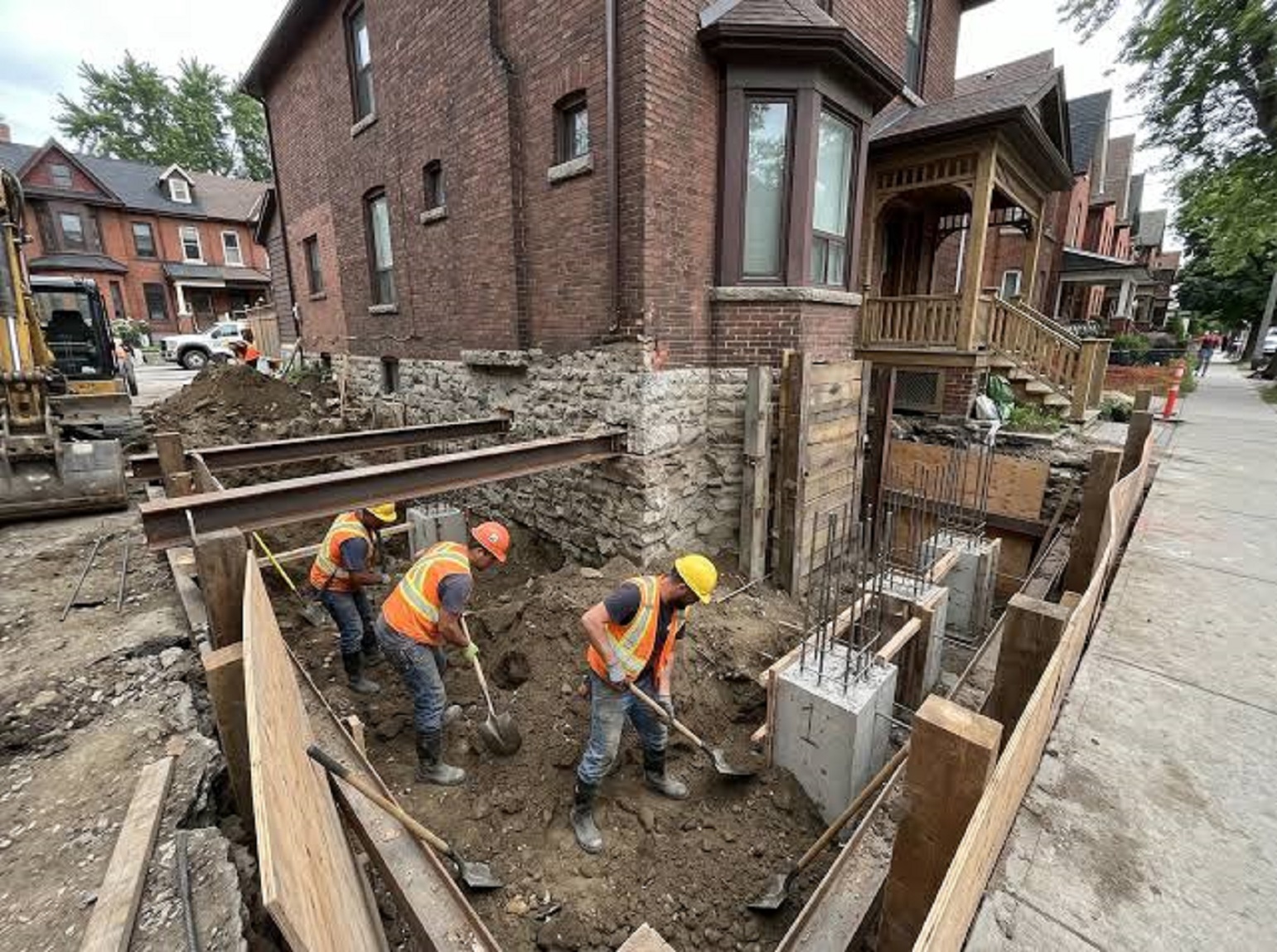
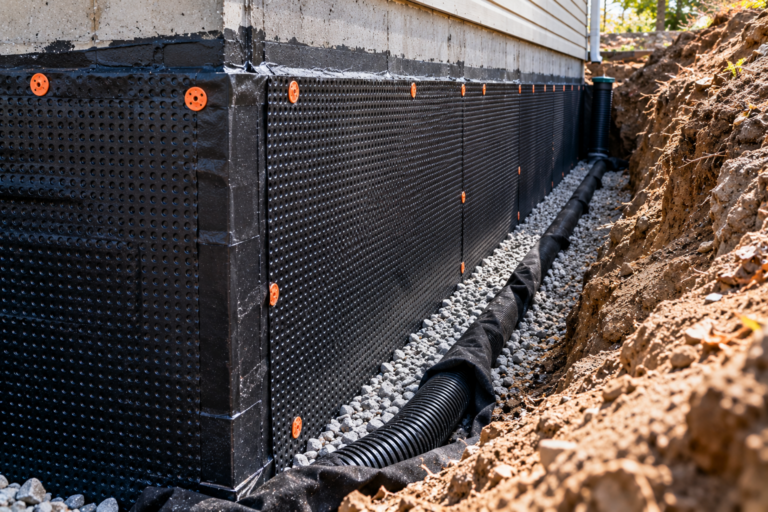
Exterior basement waterproofing treats the outside of an accessible foundation wall. The work can include exposing and preparing the wall, repairing suitable defects, applying a compatible waterproofing membrane and addressing drainage such as weeping tile. It aims to stop water before it passes through the treated wall. Access, excavation and reinstating landscaping affect whether this approach is practical.
What does an interior system change?
Interior basement waterproofing commonly combines a wall drainage layer, a perimeter drain and a sump arrangement. Instead of making the outside face of the wall dry, it gives collected seepage a controlled route out. The system needs a suitable outlet, adequate pump capacity where a pump is used, and access for maintenance.
For an isolated leak, foundation crack repair may be more proportionate than treating the entire perimeter. A moving or structurally significant crack needs assessment beyond leak sealing. Waterproofing does not straighten a bowed wall or replace a structural repair plan.
Can basement waterproofing stop flooding?
It can reduce flooding from the water sources it is designed to manage, but it cannot guarantee a flood-free basement. Groundwater seepage, surface water entering a doorway, sewer backup and a burst pipe are different problems. A foundation membrane does not prevent a sewer from backing up, and a perimeter drain is not a substitute for repairing a plumbing leak.
The City of Toronto recommends a combination of property drainage and plumbing measures. Keeping eavestroughs clear and directing runoff away from the foundation remains important even after waterproofing. A backwater valve serves a different purpose from a sump pump; a licensed plumber can assess which protective plumbing measures fit the house.
During a storm, a pump-dependent system is also limited by its capacity and power supply. Sump pump installation should include a discussion of backup power, backup pumping, discharge conditions and service access. A battery backup reduces certain failure risks; it is not unlimited protection against every storm.

Compare the complete cost, not just the quoted price
A useful comparison starts with two written scopes that solve the same problem. A low quotation for one leaking wall cannot be compared directly with a whole-perimeter system that includes a new sump and restoration. Likewise, a coating price says little about the cost of repairing a failed drain.
Before you compare totals, check each quote for these points:
- Confirm which walls, joints or drainage runs are included and which are excluded.
- Ask whether removal and replacement of finishes, concrete, landscaping or paving are included.
- Clarify the proposed discharge route, pump equipment and any electrical or permit work.
- Request the maintenance requirements and written warranty terms, including exclusions.
- Keep an allowance for separately identified structural repairs or damaged finishes.
There is no reliable universal payback period for basement waterproofing. The value depends on the defect, the repair scope, what is at risk and your plans for the home. Ask the contractor to explain why a less extensive repair would or would not be sufficient. That explanation helps distinguish necessary work from a larger package with no clear benefit. Typical Toronto price ranges for each type of work are listed on our basement waterproofing cost page.
How much value does waterproofing a basement add?
Do not budget on a promised percentage increase in resale value. Repairing an identified leak can remove a practical concern, but the sale price still depends on the property, market conditions and buyers’ assessments. Waterproofing also does not, by itself, turn a basement into approved living space or a legal rental unit.
Keep the inspection findings, photographs before concealment, itemised invoices, product information and warranty documents. They help you explain what was repaired and what still requires maintenance. If you plan to sell, ask your real-estate and legal advisers how to document the work and any history of water entry accurately.
How can you tell whether the work has solved the problem?
Agree on the intended outcome before work starts: for example, stopping leakage through a specified crack or collecting seepage along a defined perimeter. After completion, review the treated areas through relevant wet-weather conditions and retain any maintenance instructions.
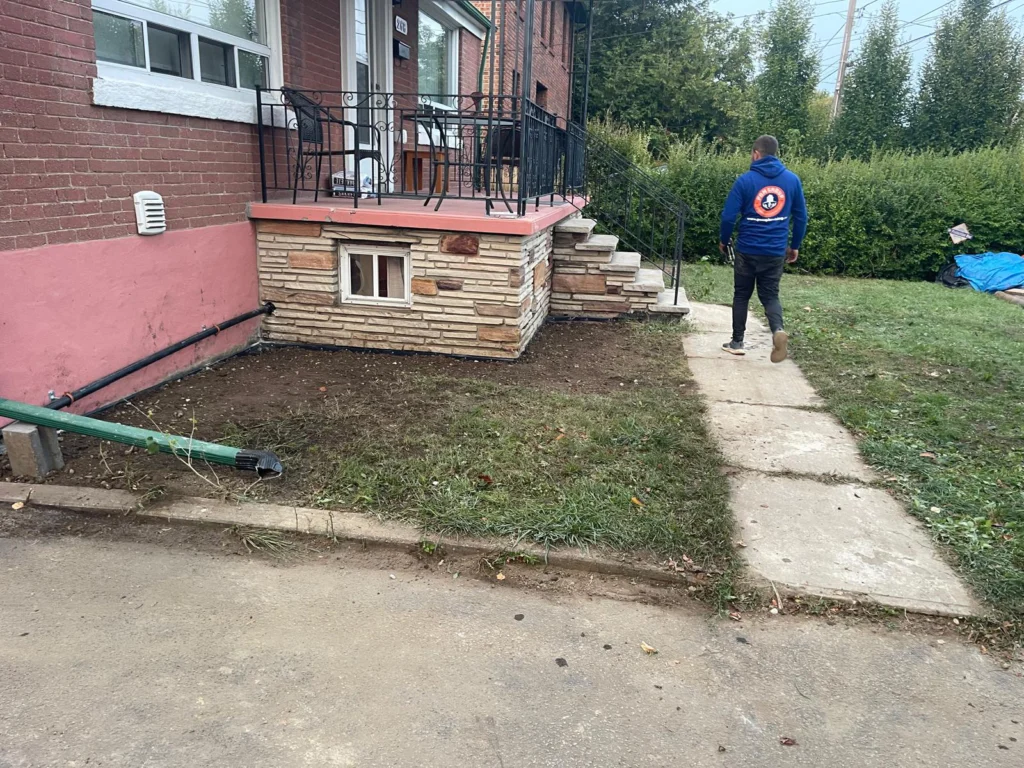
A dry floor immediately after installation is only one observation. Report recurring water, new damp areas or unusual pump behaviour. Do not close access points behind permanent finishes. If a musty smell remains, investigate remaining moisture and existing affected materials rather than assuming more waterproofing is automatically needed.