
Wet Basement Repair — Fixing a Basement That Never Feels Dry
Wet basement repair is for basements that are damp, musty or get wet again and again — not from one leak, but from several causes at once. Damp walls, a wet floor after every storm, a constant musty smell and peeling paint are signs the whole basement needs a plan.
We look at the entire basement: groundwater, seepage through walls and floor, condensation, drainage outside and the sump system. Then we combine the right fixes — wet basement waterproofing, drainage, a sump pump and humidity control — so the space stays dry all year.
If you have just one leaking crack or one wet spot, basement leak repair is usually the faster and cheaper fix.
Liquid Water vs Moisture in the Air
Most wet basements have both. Treating only one is why many dampness problems come back.
| Liquid water | Water vapour (humidity) | |
|---|---|---|
| Where it comes from | Groundwater, seepage, surface water, sewer backup | Damp soil, humid summer air, drying laundry, unsealed sump |
| What you see | Puddles, wet floor–wall joint, tide marks | Condensation on pipes and walls, musty smell, mould spots |
| When it is worst | Spring thaw and heavy rain | Humid summer months |
| How we fix it | Drainage, sump pump, sealing, grading | Sealed sump lid, vapour control, dehumidification, air sealing |
| Quick test | Wet line rises from the floor or runs from a crack | Tape foil to the wall for 2 days: water on the room side = condensation |
Why Basements Stay Wet
Groundwater pressure
Clay soils hold water against the walls and under the floor after rain and snowmelt.
Seepage through walls
Porous concrete, block or stone walls let water through slowly across large areas.
Failed drainage
Old clay weeping tile collapses or clogs, so water stays at the footing.
Poor grading & downspouts
Water from the roof and yard runs toward the house instead of away.
Condensation
Warm humid air meets cold basement walls and turns to water.
Sewer backup
Water rises through the floor drain during heavy storms.
A Complete Plan, Not a Patch
Stop the water
First we stop liquid water from getting in or collect it before it reaches the floor.
- Interior drainage where water rises at the floor
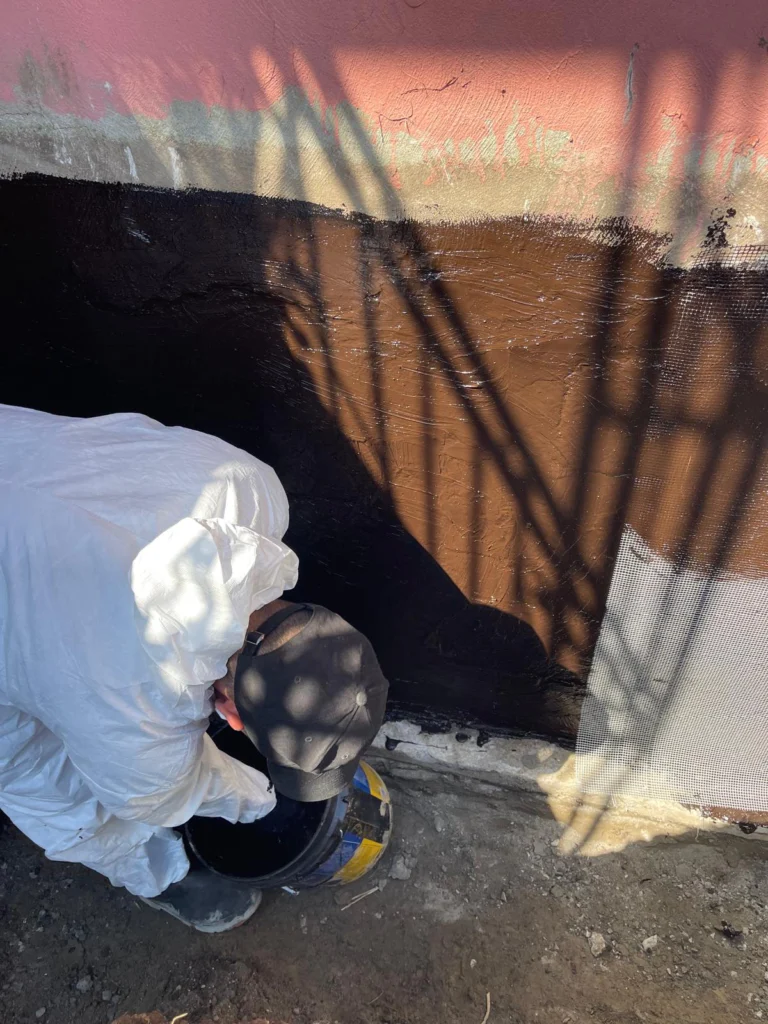
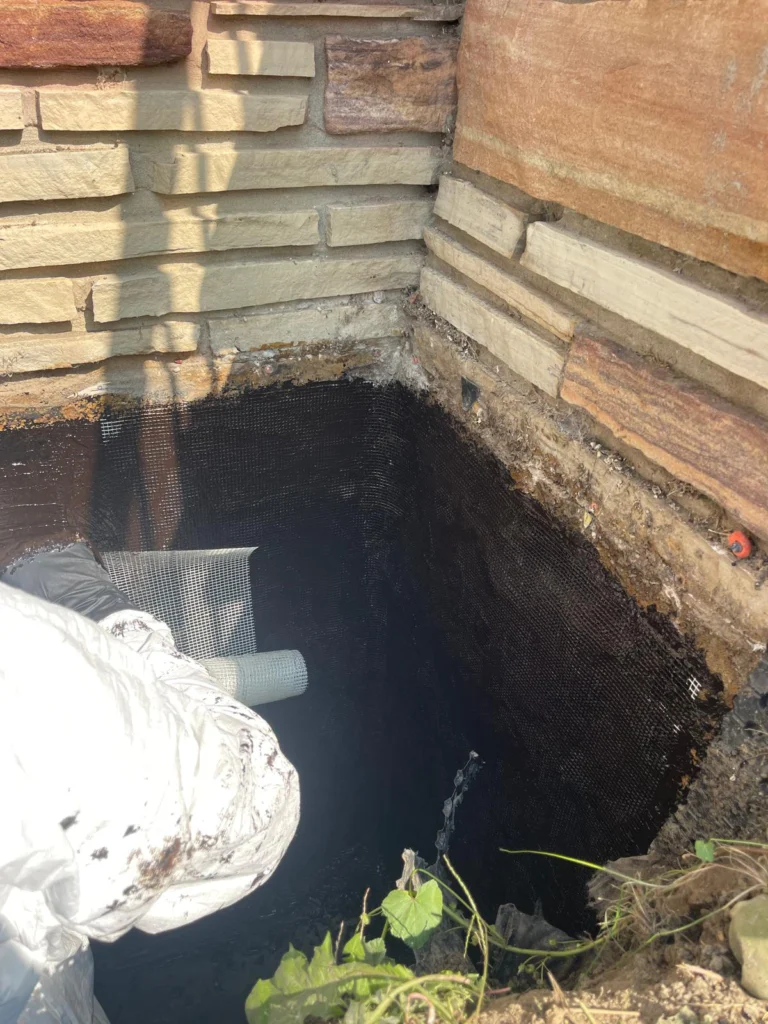
- Exterior membrane where walls seep
- Crack and penetration sealing
- Window wells tied into drainage
- Grading and downspout corrections
Move it out
Water collected by the drainage needs a reliable way out — automatically.
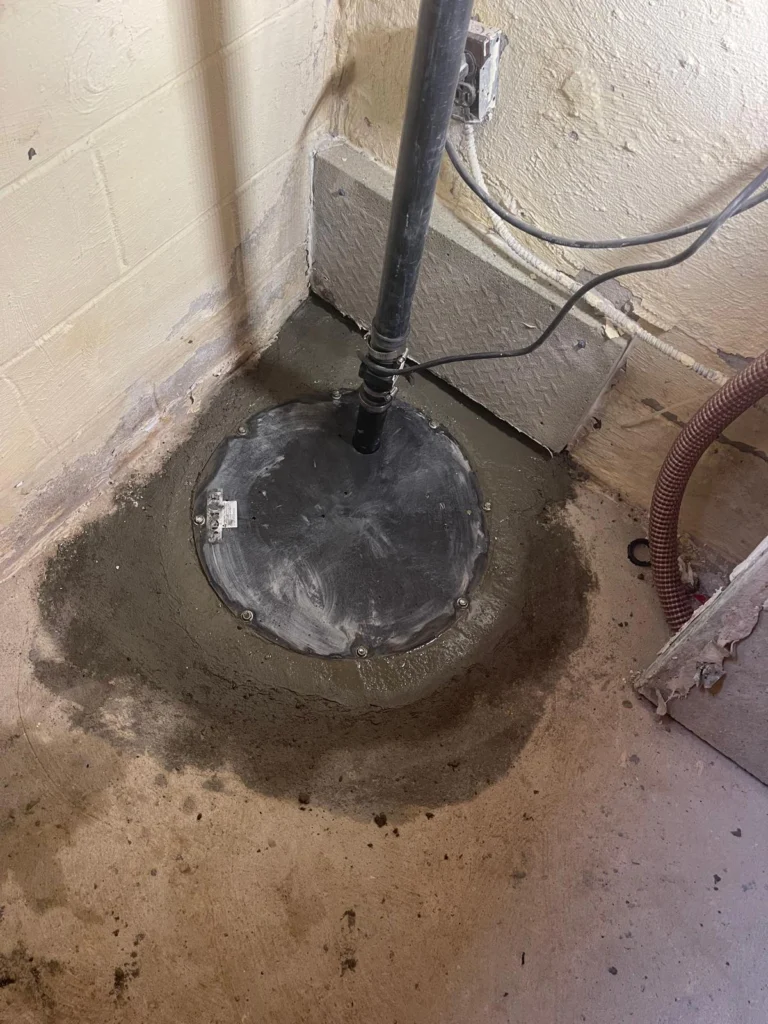
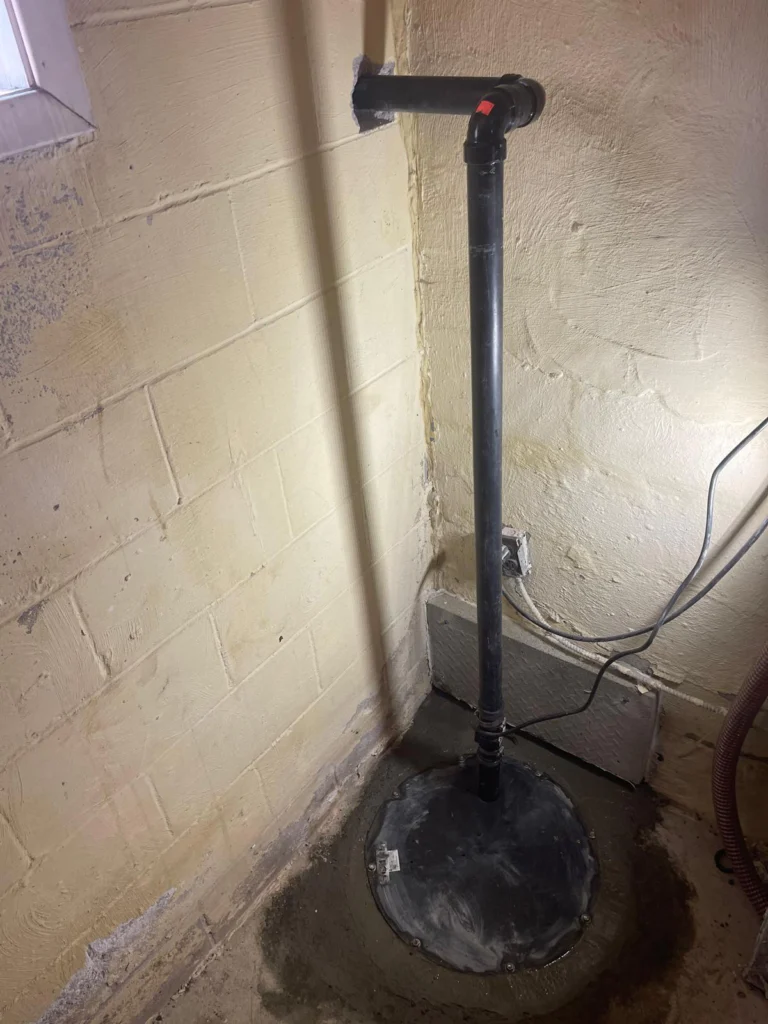
- Sealed sump pump sized for the inflow
- Battery backup for storms and outages
- Discharge line away from the house
- Backwater valve if the drain backs up
- High-water alarm
Dry the air
Once the water is controlled, keeping humidity down stops the musty smell and mould.
- Sealed sump lid to cut humidity
- Removal of wet drywall and insulation in the work area
- Dehumidifier sizing advice
- Vapour control on cold walls
- Ready-to-finish dry walls
Match the Symptom to the Fix
| What you see | Likely cause | Typical fix |
|---|---|---|
| Wet floor–wall joint around the basement | Groundwater pressure, failed weeping tile | Interior drainage + sump pump |
| Damp, dark patches on many walls | Seepage through walls | Exterior waterproofing or interior membrane |
| Musty smell, no visible water | High humidity, condensation | Vapour control, sealed sump, dehumidification |
| Water through the floor drain | Sewer backup | Backwater valve, drain check |
| Wet after every storm on one side | Grading and downspouts | Surface drainage fixes, then reassess |
| Buckled flooring, damp carpet | Moisture from the slab | Drainage and vapour control before refinishing |
How We Repair a Wet Basement
History
When it gets wet, how often, and what has been tried before.
Whole-basement inspection
Walls, floor, cove joint, drains, sump, window wells and humidity.
Outside survey
Grading, downspouts, window wells and where the water goes.
Water vs vapour
We separate leaks from condensation so the fix matches the cause.
Written plan
Each fix, its price and the order to do it — no surprise add-ons.
Installation
Drainage, sump, sealing and grading by our own crew.
Test & warranty
We test the system, clean up and give you a written warranty.
How Much Does Wet Basement Repair Cost in Toronto?
Because a wet basement usually needs more than one fix, the total depends on the combination.
| Part of the solution | Typical price |
|---|---|
| Full wet basement repair (combined solution) | $5,000 – $20,000+ |
| Interior drainage system | $50 – $120 per linear foot |
| Exterior waterproofing | $100 – $250 per linear foot |
| New sump pit + pump | $1,500 – $3,900 |
| Backwater valve | $2,000 – $4,200 per unit |
| Crack injection | $500 – $1,500 per crack |
| Inspection & written plan | Free |
Approximate 2026 Toronto prices, not a quote. Toronto homeowners may get back up to $2,250 for a sump pump, $300 for a battery backup and $1,600 per backwater valve (80% of the invoice). Use our waterproofing cost calculator for a planning range.
 Dry air starts with a dry foundation
Why a Damp Basement Is Worth Fixing
- Mould grows on drywall, carpet and stored boxes when humidity stays high
- Health Canada advises keeping indoor humidity below about 50% to limit mould
- Moisture damages flooring, insulation and finishes
- A dry basement is usable space — and easier to sell
Planning to finish the basement? Fix the water and humidity first — new drywall over a damp wall usually means mould within a few seasons.
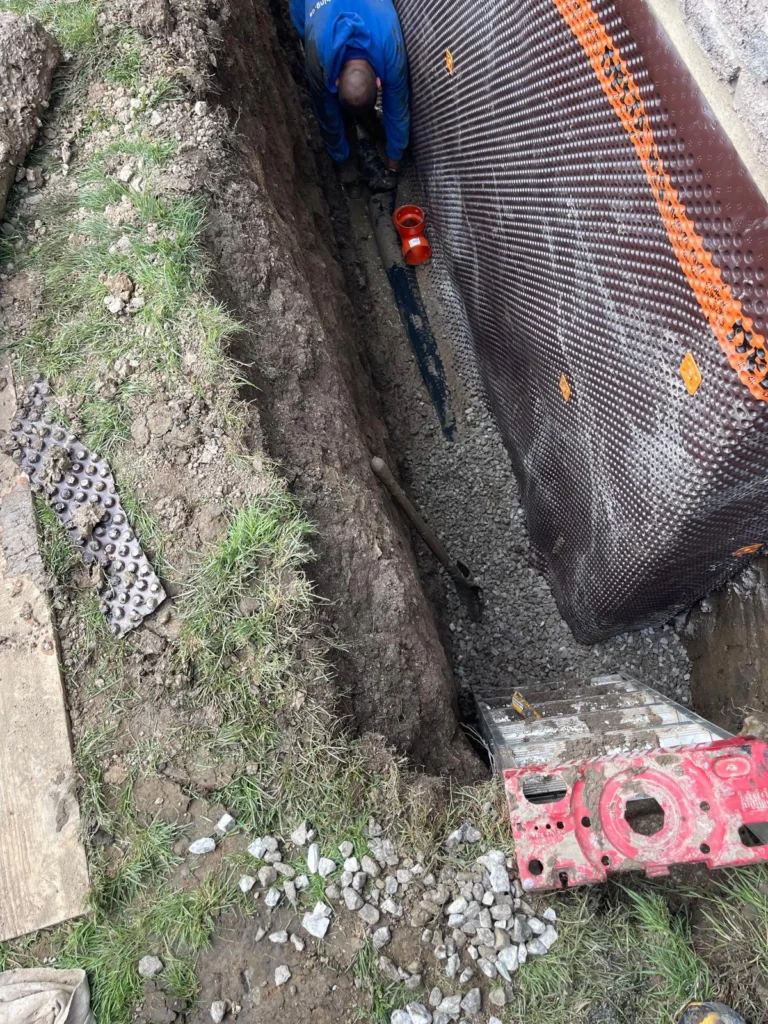
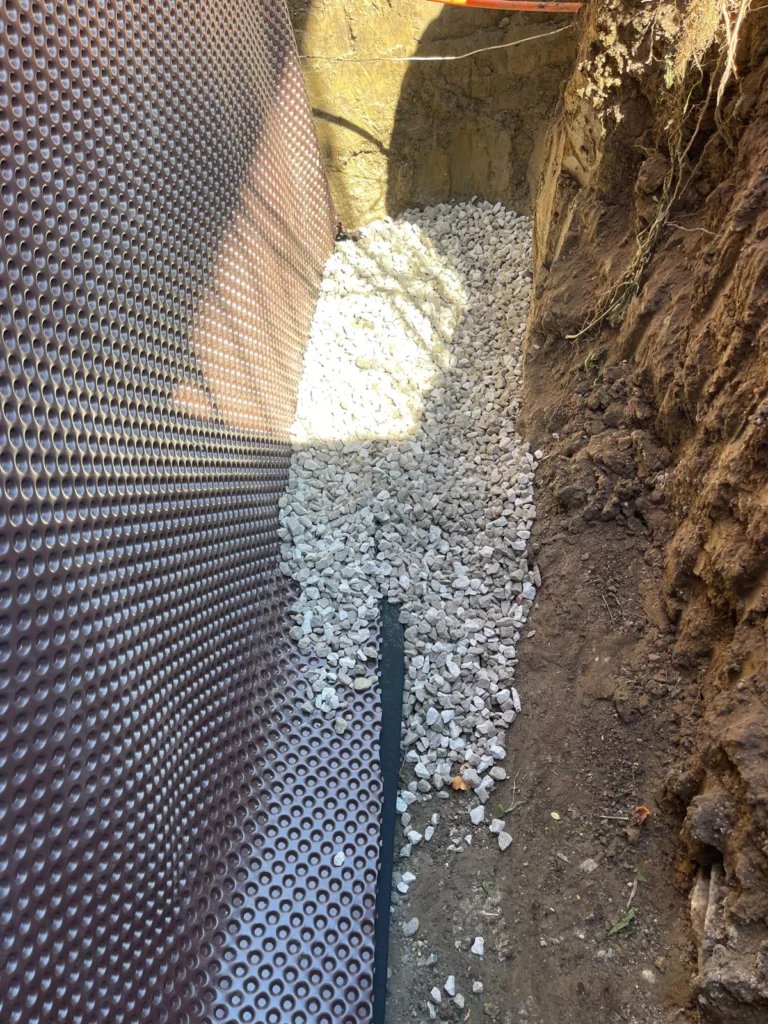
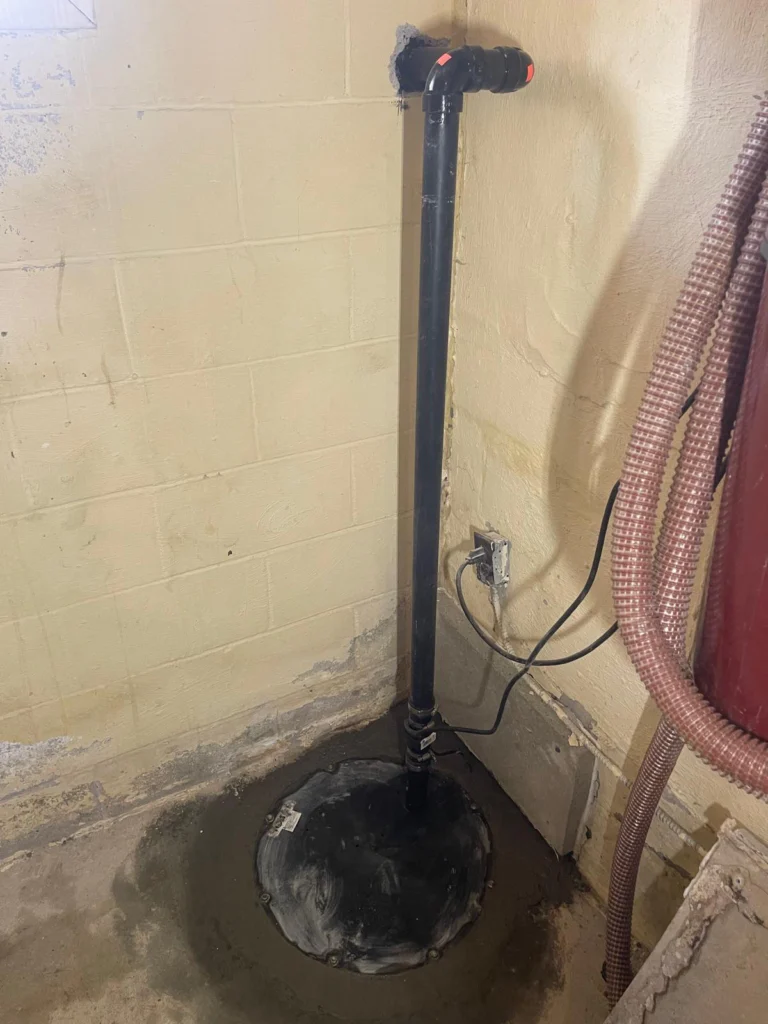
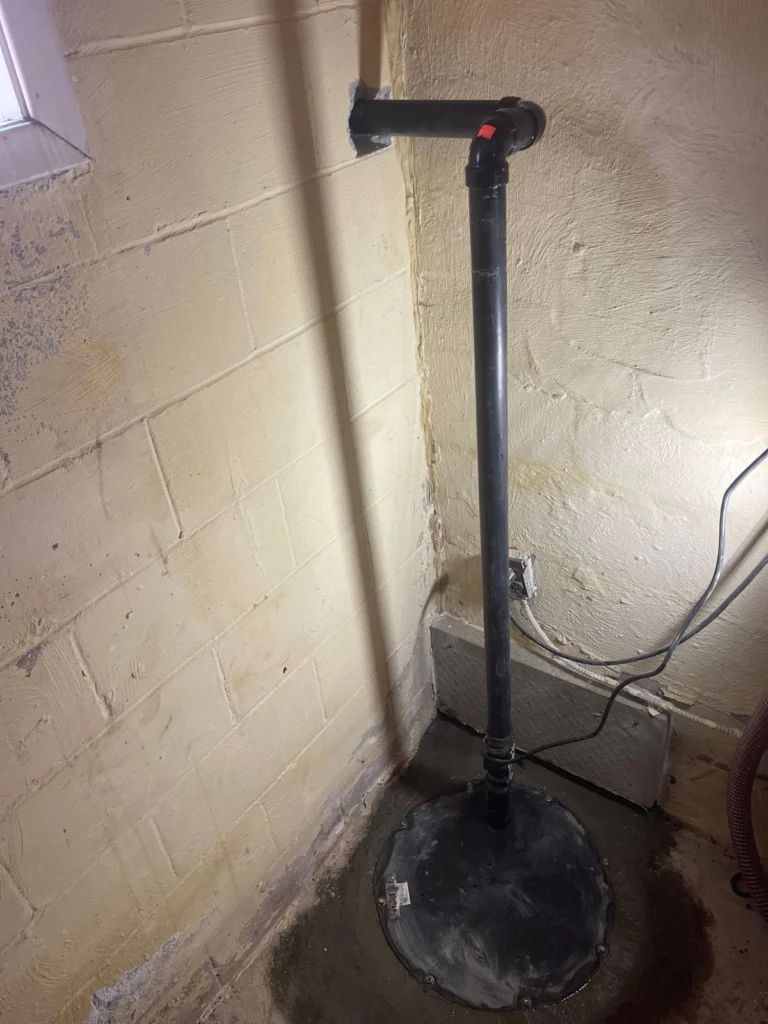
Wet Basement Repair Work
Real Leaquida projects.
Services Used in Wet Basement Repair
Seven Signs of a Wet Basement
Musty smell
The most common first sign, even before you see water.
White salt lines
Efflorescence on walls shows water moving through concrete.
Damp at the floor-wall joint
Water rising from under the slab.
Peeling paint or bubbling drywall
Moisture trapped behind finishes.
Rust on posts, appliances or nails
Constant humidity, not just occasional leaks.
Condensation on pipes and windows
Humid air meeting cold surfaces.
Mould spots
Black or green growth on walls, wood or stored boxes.
Fix Water Before You Finish the Basement
Finishes hide problems
Drywall and flooring cover leaks until the damage is serious.
Moisture ruins insulation
Wet insulation loses its value and grows mould.
Fixing later costs more
Tearing out a finished wall to repair a leak doubles the cost.
Insurance and resale
A documented, warrantied fix helps when you sell or claim.
What a Wet Basement Repair Can Include
Wet basement repairs in Toronto are built from the parts each basement needs — nothing more.
| Part | When it is used |
|---|---|
| Crack and joint sealing | Water entering at specific points |
| Interior drainage and sump pump | Water rising at the floor-wall joint or through the slab |
| Exterior membrane | Walls soaking through, or a finished basement you do not want opened |
| Grading and downspouts | Surface water directed at the house |
| Dehumidification and air sealing | Humidity and condensation without liquid water |
| Backwater valve | Water coming up through floor drains |
Wet Basement Repair Questions
What causes a wet basement?
Usually several things together: groundwater pressure in clay soil, seepage through walls, failed weeping tile, poor grading and downspouts, condensation and sometimes sewer backup.
How much does wet basement repair cost in Toronto?
A complete wet basement repair usually costs $5,000–$20,000+, depending on which fixes are needed. Interior drainage is $50–$120 per linear foot and a new sump pump $1,500–$3,900.
What is the difference between wet basement repair and leak repair?
Leak repair fixes one specific entry point. Wet basement repair solves dampness across the basement with a combination of drainage, sump pump, sealing and humidity control.
Why does my basement smell musty but look dry?
High humidity and condensation can keep walls, carpet and stored items damp without visible water. A sealed sump lid, vapour control and dehumidification usually solve it.
Can a dehumidifier fix a wet basement?
It helps with humidity but cannot stop liquid water coming through walls or the floor. Use it after the water is controlled.
Can you repair wet basement walls?
Yes — from outside with a membrane and drainage, or from inside with a drainage membrane and interior weeping tile, plus crack sealing where needed.
Will waterproofing fix mould?
It removes the moisture mould needs. We remove wet materials in the work area; widespread mould should be cleaned by a certified remediation company.
Can I finish a basement that has been wet?
Yes, once the water and humidity are fixed. We recommend waiting until the walls and floor have dried and the system has been through a rainy season if possible.
Do I need a sump pump?
Most wet basement repairs with interior drainage need a sealed sump pit and pump to move the collected water outside.
Is there a warranty?
Yes. Every project comes with a written warranty on materials and workmanship.
How long does wet basement repair take?
Small repairs can be done in a day. Interior drainage with a sump pump usually takes two to five days; exterior waterproofing takes about a week, depending on the length of wall.
Is a wet basement dangerous?
It can be. Constant moisture feeds mould, which affects air quality upstairs, and long-term water can weaken foundations and damage wiring and appliances.
Do wet basement repair services include mould removal?
We fix the water source and remove wet materials when needed. For heavy mould growth, a mould remediation specialist may be needed as well.
Get a Plan for Your Wet Basement
We will assess the whole basement, separate leaks from humidity and give you a written plan with prices — no pressure, no obligation.
Call now — Mon–Fri 7 AM – 4 PM(416) 992-5858Office: 58 Six Point Rd, Etobicoke, ON M8Z 2X2
Email: info@leaquida.ca
Licence No.: P94 4418977 (licensed contractor)