
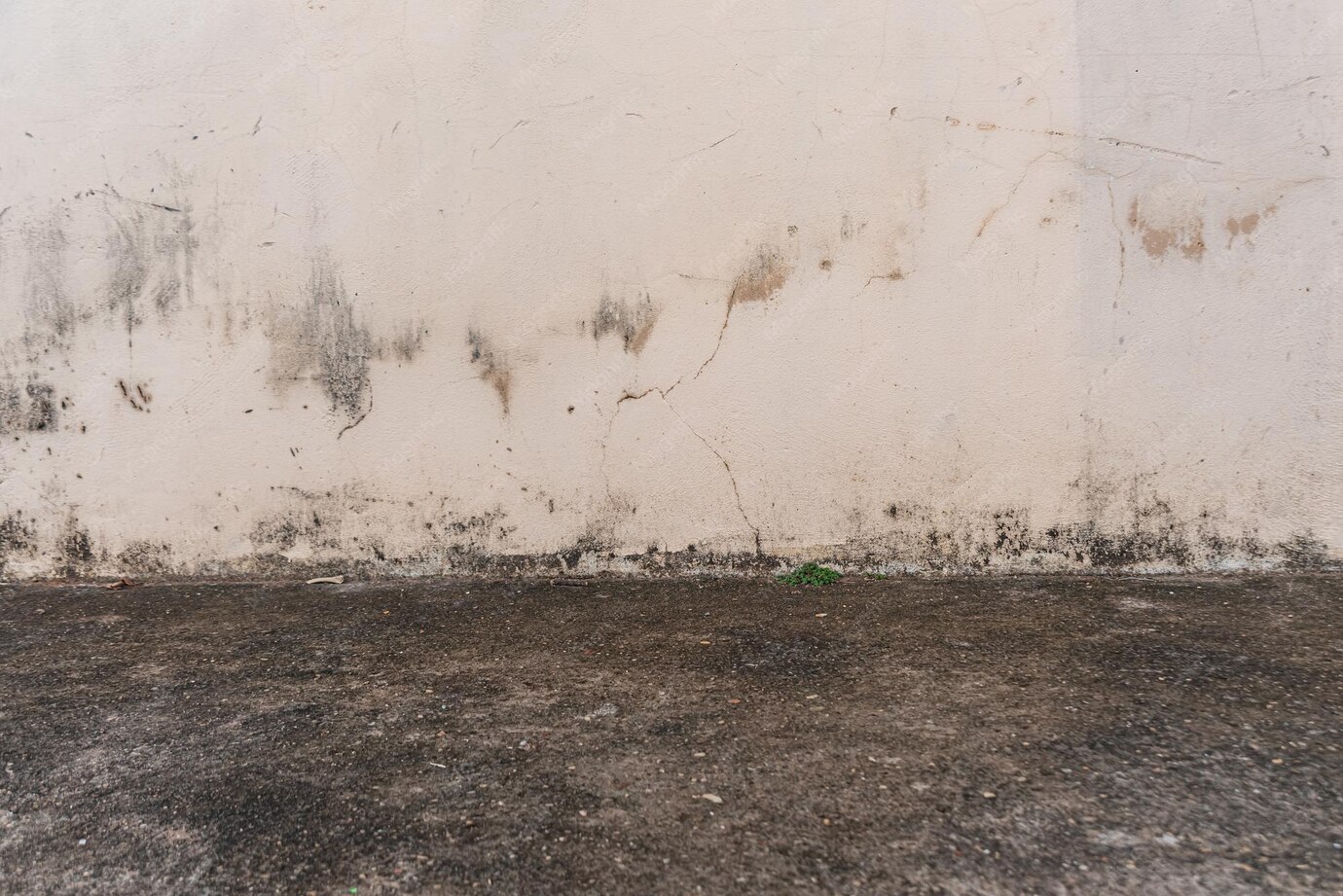
A damp patch beside the furnace can look cheaper to live with than to investigate. The expense grows when the same leak wets the flooring again, reaches stored belongings or leaves insulation damp behind a finished wall. The hidden costs of basement water damage include cleanup, replacement materials and time without a usable room, as well as the repair that stops the water.
For Milton homeowners, the cost of waterproofing a basement should be compared with the full consequences of leaving the source unresolved. A small leak does not automatically mean major excavation. Finding out where the moisture comes from helps avoid both unnecessary work and repeated spending.
Why the source matters in Milton?
Milton’s flood-prevention guidance highlights grading, downspouts and working sump pumps. Rainfall and snowmelt can bring water toward a house, while Halton distinguishes surface flooding from sewer backups. These routes need different responses: a membrane on an exterior wall cannot prevent sewage rising through a floor drain.
If you notice basement leaks after heavy rain, record where the water first appears. Overflowing eavestroughs, grading toward the house, a filled window well and water seeping through foundation walls are useful clues. Condensation or a plumbing leak may produce similar dampness, so the timing alone does not establish the cause.
Water accumulating in the soil can also exert hydrostatic pressure on basement walls and find an entry route through cracks or joints. That distinction affects the bill. Paying for waterproofing without diagnosing the entry route can leave the original problem in place and create a second round of work.
Replacing finishes before fixing the leak
The cost of ignoring basement waterproofing often appears in layers. A wet carpet may need lifting, but moisture can also affect the underpad, baseboards and wall cavity. With a finished room, workers may need to open surfaces simply to find the damage and dry concealed areas.
Replacing damaged drywall and insulation adds labour, disposal and reinstatement to the original repair. If cabinets, a shower enclosure or built-in shelving block access, the work can involve removal and refitting. The visible stain may represent only a small part of the affected area.
Imagine replacing laminate after one storm, then finding water underneath it the following spring. You have paid for flooring twice while the entry route remains. Before rebuilding, ask what evidence shows the source is controlled and the materials are dry enough for the proposed finishes.
Moisture adds cleanup and contents losses
Persistent basement moisture problems can make an otherwise useful room unsuitable for storage. Cardboard boxes absorb water; textiles and upholstered furniture can be difficult to clean after prolonged wetting. Family photographs and paper records may be impossible to replace even when their purchase price was low.
Health Canada advises drying wet materials promptly, within 48 hours where possible, and removing materials that cannot be adequately dried or cleaned. It also notes that mould can develop behind walls or under flooring. A surface that looks dry does not prove that the cavity behind it is dry.
Basement mould can therefore add a separate mould remediation cost to the job. Cleaning visible growth while leaving the moisture source unresolved creates an avoidable risk of recurrence. Extensive or recurring growth deserves professional assessment. Seek medical advice about health concerns.
The costs a repair quote can miss
The cost for waterproofing basement walls may not include the work needed to restore normal use after a leak. A quote usually describes a defined scope. When comparing options for a finished room, separate the source repair from the following potential costs.
| Cost category | What may be involved | What to clarify |
|---|---|---|
| Emergency response | Water removal and drying equipment | Call-out charges and rental duration |
| Interior restoration | Flooring, trim, insulation and drywall | Removal, disposal and reinstatement |
| Contents | Cleaning or replacing stored belongings | What can be safely recovered |
| Access and reinstatement | Opening walls or disturbing landscaping | Who restores each affected surface |
| Household disruption | Storage, room closure or alternative workspace | Likely duration and access restrictions |
Water damage restoration also takes time: arranging access, documenting damage, sorting belongings and coordinating trades. A home office may remain unavailable during repairs. Keep these practical costs in the comparison even when no insurer or contractor puts a price beside them.
Repeated patching can leave the cause untouched
A coat of waterproof paint cannot establish why a wall is wet. Repeatedly buying sealants, replacing trim or running drying equipment after each storm can consume money without resolving the entry route. Ask whether the proposed wet basement repair addresses the observed cause, and what maintenance it will need.
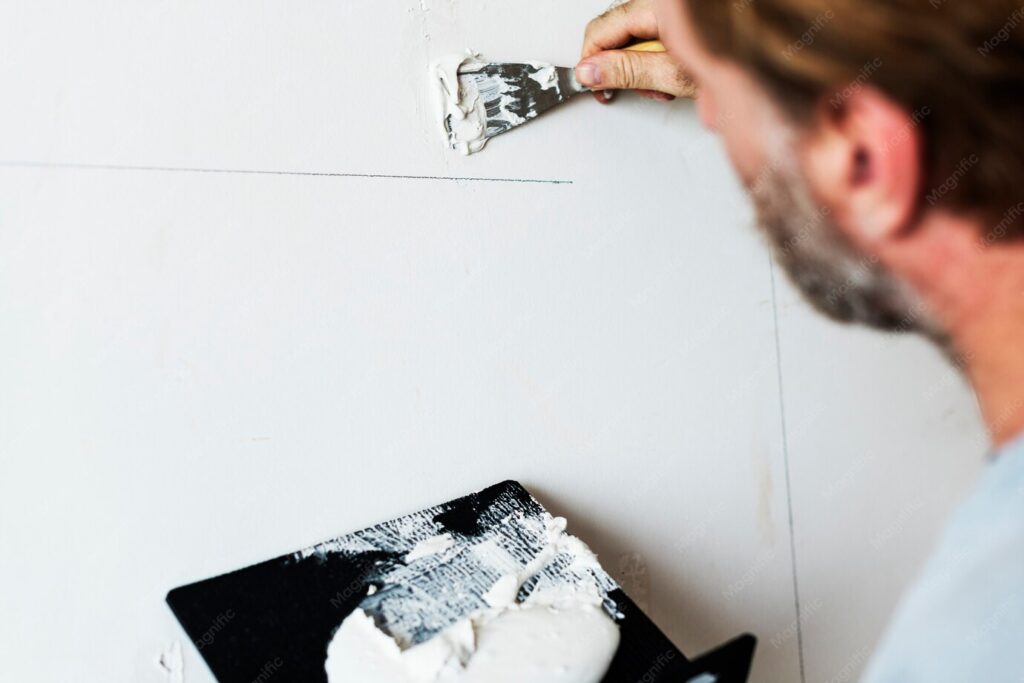
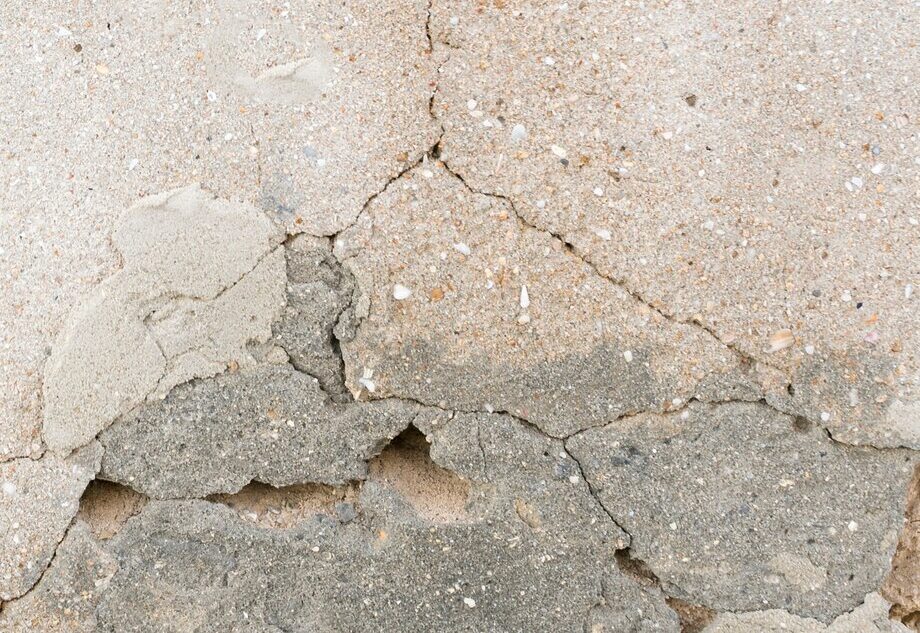
For a localized leaking crack, basement leak repair may be possible after assessment. Ask whether the foundation crack repair cost includes access and reinstatement. Widening cracks, wall movement or other signs of distress need further investigation; a water-entry repair does not by itself establish structural safety.
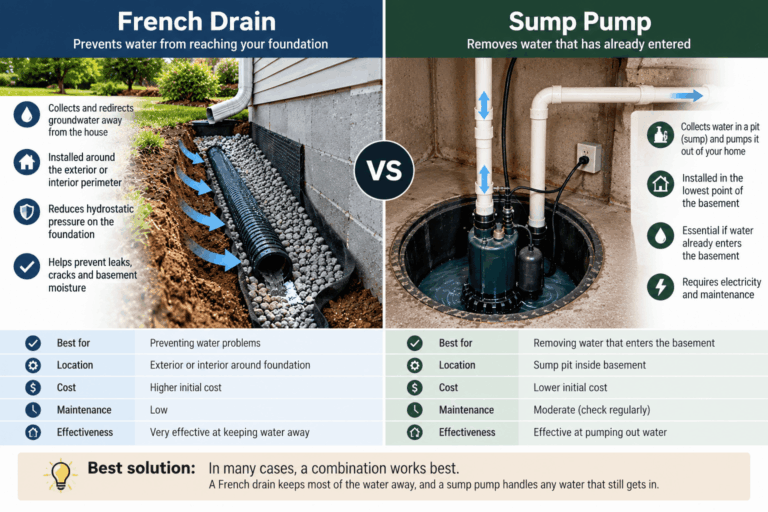
Where groundwater is the problem, exterior waterproofing may involve excavation, a membrane and foundation drainage work. Interior waterproofing typically manages water through an internal drainage arrangement. Access, foundation construction and the discharge route affect suitability. Where the assessment identifies a suitable drainage route, French drain installation may also be discussed. An inspection is needed to choose a scope for the property.
When comparing the cost of basement waterproofing in GTA communities, check which measures each proposal includes. A regional price guide cannot tell you whether your home needs a localized repair, drainage work or more extensive excavation.
Insurance may leave an out-of-pocket balance
Do not assume that a home policy will pay every cost associated with a wet lower level. The Insurance Bureau of Canada explains that sewer backup and overland flood protection are commonly optional. For groundwater and seepage, ask your insurer to confirm the policy wording and any exclusions. The cause of the loss and the actual wording matter.
Ask your broker about water damage insurance coverage before a loss, including the deductible, limits, exclusions and any conditions attached to installed equipment. Coverage for damaged belongings does not automatically mean the work to correct the underlying defect is included.
If damage occurs, photograph it when safe and contact the insurer promptly about documentation and cleanup arrangements. Keep receipts and ask before discarding items where practical. Never delay urgent safety measures while waiting for a claim decision, and do not treat a possible payout as a reason to leave recurring water entry unresolved.
Compare the complete scope before choosing a repair
The basement waterproofing cost Milton homeowners should budget for depends on the repair scope. The affected length of wall, depth of excavation, access, condition of drainage and amount of interior restoration can change the total. A low initial price may cover only one component.
For basement water damage repair in a finished room, request separate amounts for source correction and reinstatement, with any unknowns identified. Ask how the contractor will obtain approval if opening a wall reveals additional damage. Compare itemized scopes to check that quotes cover the same work. A warranty also needs readable conditions; its length alone does not tell you which future problems will be covered.
Act before the next round of damage
Start basement flooding prevention with a safe inspection of the drainage around the home. Milton recommend keeping drainage routes working and directing water away from the foundation. Avoid changes that send runoff onto a neighbouring property.
Clear accessible eavestroughs safely, check downspout discharge and check window well drainage. Inside, move vulnerable belongings off the floor and document recurring dampness. These steps can reduce exposure while you arrange an assessment, but they do not prove that a concealed leak has been repaired.

 CLOGGED OR BROKEN WEEPING TILE