
A basement that stays dry for weeks and then leaks every time it rains is telling you something useful: the problem is water arriving from outside faster than the ground and drains around your house can carry it away. That narrows the search to a handful of causes, most of which can be checked in an afternoon.
This guide explains why your basement leaks when it rains, how the timing of the leak points to the cause, what to do while water is coming in and which repairs actually stop it. It is based on what we see in Toronto and GTA homes, where clay soil and older drainage make rain-only leaks very common.
Why Does Water Come Into the Basement When It Rains?
Why does water come into the basement when it rains but not on dry days? Because rain changes the conditions around the foundation in three ways at once:
- Surface water arrives at the wall — from the roof, the driveway and the yard — and soaks straight down beside the foundation.
- The soil around the house fills with water. The backfill next to a foundation is looser than undisturbed ground, so it fills like a bowl, especially in clay.
- Water pressure builds against the walls and under the floor. This hydrostatic pressure forces water through any crack, joint or gap that stays dry in normal weather.
When the rain stops and the soil drains, the pressure drops and the leak stops. That is why so many leaks are “only when it rains”.
Causes of Basement Leaks After Rain
These are the causes of basement leaks after rain we find most often, roughly in order of how common they are.
Downspouts and gutters dumping water at the wall
A single downspout discharges hundreds of litres onto one spot during a storm. If it ends at the foundation, or the extension has been knocked off, that corner gets a concentrated soaking. Overflowing gutters do the same along a whole wall. What is the most common cause of basement leaks? In our experience, it is this combination of roof water and poor discharge.
Grading that slopes toward the house
Soil settles over the years, and patios and walkways sink. Once the ground slopes toward the foundation, every rain runs to the wall instead of away from it. See why water pools around a foundation for how to check the slope.
Window wells filling up
A window well without a working drain, or with a clogged one, fills like a bucket and leaks over or around the basement window frame. Leaks under windows almost always appear during the storm itself. Window well waterproofing usually means a proper drain to the weeping tile and a sealed window frame.
Cracks and joints that only leak under pressure
Shrinkage cracks, tie-rod holes and gaps around pipes may stay dry for months, then leak once the soil is saturated. A wet streak that starts partway up the wall and runs down is the classic sign of a crack.
Clogged or failed weeping tile
The weeping tile around the footing is supposed to carry groundwater away. Old clay tile breaks and fills with silt and roots, and some early plastic tile clogs. When it fails, water rises at the footing and comes in at the floor–wall joint, often a few hours after heavy rain starts.
Sump pump failure during the storm
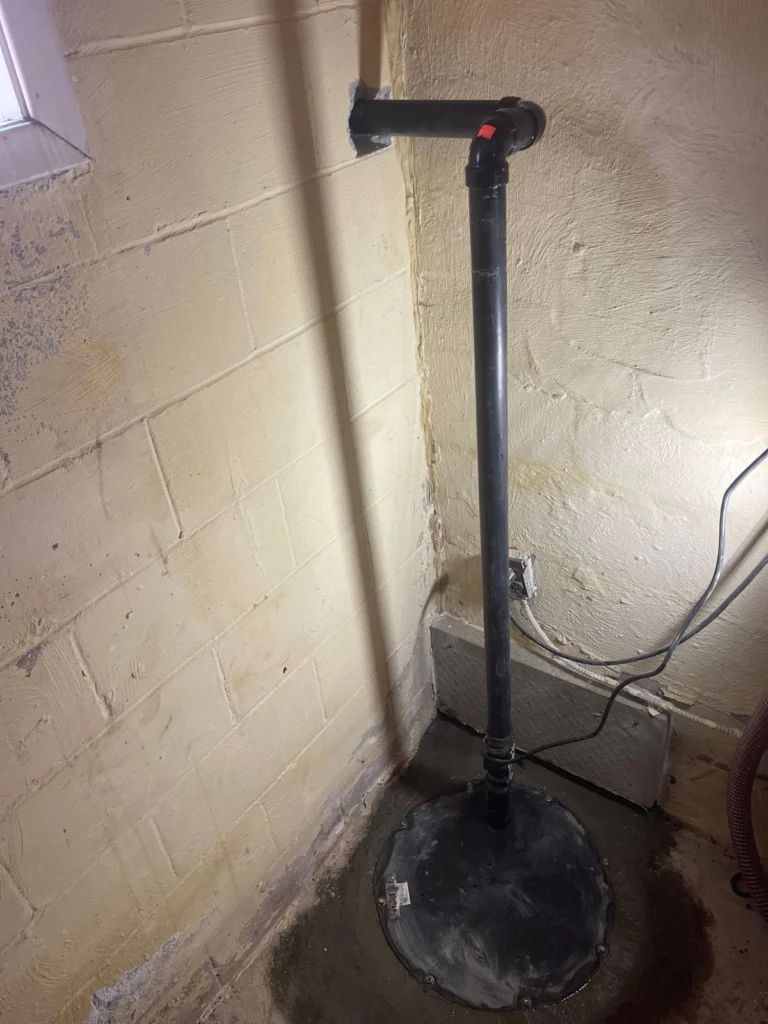
Storms bring power outages, and a pump without a backup stops exactly when it is needed. A pump that is undersized, has a stuck float or discharges water that flows back toward the house can also let the pit overflow.
Sewer backup through the floor drain
If water comes up through the floor drain, it is usually the sewer, not the foundation. During heavy storms, combined sewers in older Toronto neighbourhoods can surcharge and push water back into basements. A backwater valve is the fix for this, not wall waterproofing.

Why Does My Basement Leak Water During Heavy Rain but Not Light Rain?
Why does my basement leak water during heavy rain only? Light rain soaks into the soil and drains away before the ground is saturated. Heavy or long rain saturates the soil, overwhelms gutters and weeping tile and raises water pressure past the point your foundation’s weak spots can hold. A wall that has a hairline crack may stay dry in 10 mm of rain and leak in 40 mm.
Leaks that appear the day after a storm, or keep going for a day or two once the rain stops, usually point to groundwater and weeping tile. Leaks that start within minutes of heavy rain usually point to surface water: downspouts, grading or window wells.
Why Is Water Coming Up Through My Concrete Floor When It Rains?
Why is water coming up through my concrete floor when it rains? When the water table rises under the house and the weeping tile cannot remove it fast enough, pressure under the slab pushes water up through floor cracks, around the floor drain and through the floor–wall joint. Water spreading from the edges of the room usually means the joint; water appearing in the middle of the floor usually means a slab crack or the drain. Our article on why a basement floor gets wet covers floor water in more detail.
Is It Normal for a Basement to Leak When It Rains?
Is it normal for a basement to leak when it rains? No. Some dampness on bare concrete in a very humid summer is common, but water running down a wall or across the floor is a defect, even in an old house. It will not fix itself, and each event wets the wall, the framing and anything stored nearby. Mould can start on wet drywall, carpet and cardboard within a day or two.
How to Find Where the Water Gets In
Check during the rain or within half an hour after it stops, while the trail is still fresh:
- Find the highest point of the wet area. Water runs down; the top of the trail is the entry point.
- Go outside to the same spot. Look at the downspout, the grading, the window well and any cracks above ground.
- Note the timing. During the storm points to surface water; hours later points to groundwater.
- Check the sump pit and floor drain. A full pit or water rising from the drain changes the diagnosis completely.
- Take photos and write down the date and how much it rained. Patterns over two or three storms are very useful to a contractor.
If the walls are finished, the source can be hidden. Our guide on how professionals find the source of a basement leak explains the tests we use.
What to Do While Water Is Coming In
- Stay out of standing water if outlets, cords or the furnace are nearby, and do not touch the electrical panel while standing in water.
- Move valuables and electronics off the floor.
- Check that the sump pump is running and its discharge is clear.
- If water comes from the floor drain, avoid running taps, the washer or the dishwasher.
- Remove wet carpet, cardboard and anything absorbent as soon as it is safe, and start drying with fans and a dehumidifier.
- For active flooding, our emergency waterproofing crew can help stop the water and plan the repair.
How Do I Stop My Basement From Leaking When It Rains?
How do I stop my basement from leaking when it rains? Start with the cheapest fixes that match the cause, then move to permanent repairs if the leak continues.
| Cause | Quick improvement | Permanent fix |
|---|---|---|
| Downspout at the wall | Extension carrying water well away, onto your own property | Correct discharge layout, possibly a French drain |
| Grading toward the house | Add soil to slope away from the wall | Regrade and reset sunken patios and walkways |
| Window well flooding | Clear the well drain, add a cover | Proper well drain and sealed window frame |
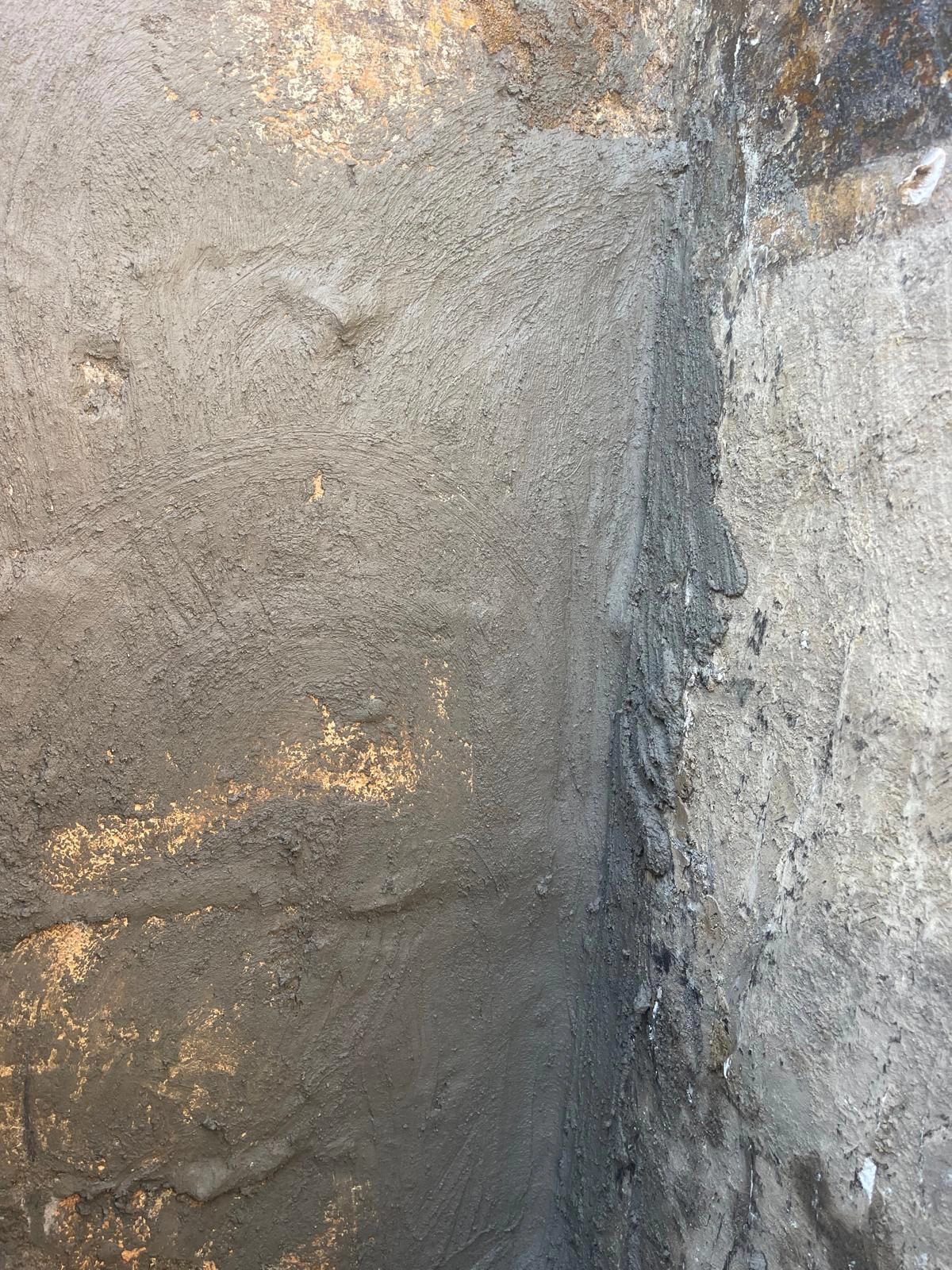
| Leaking crack | — | Foundation crack repair by injection |
| Floor–wall joint seepage | — | Interior waterproofing with a sump pump |
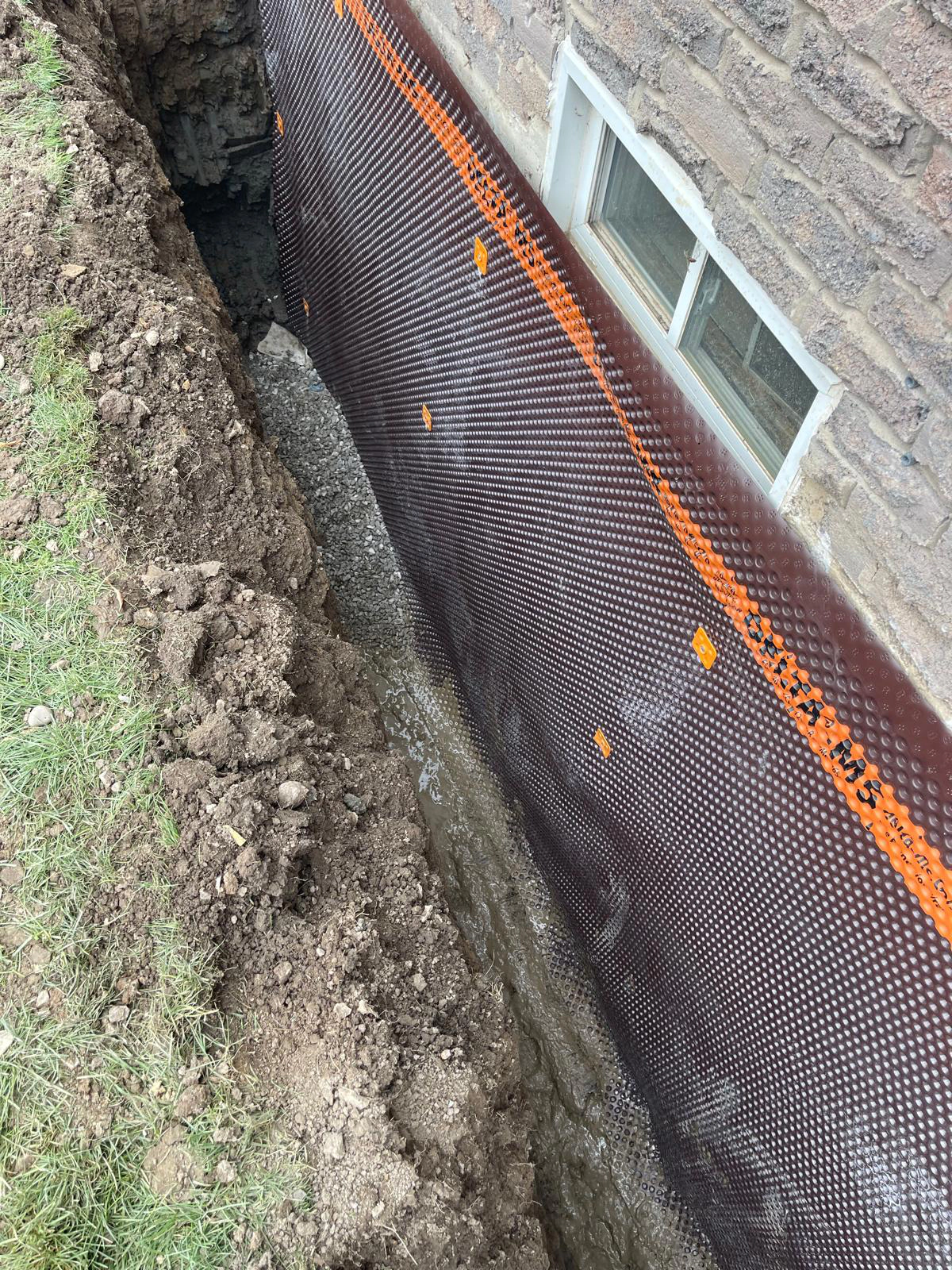
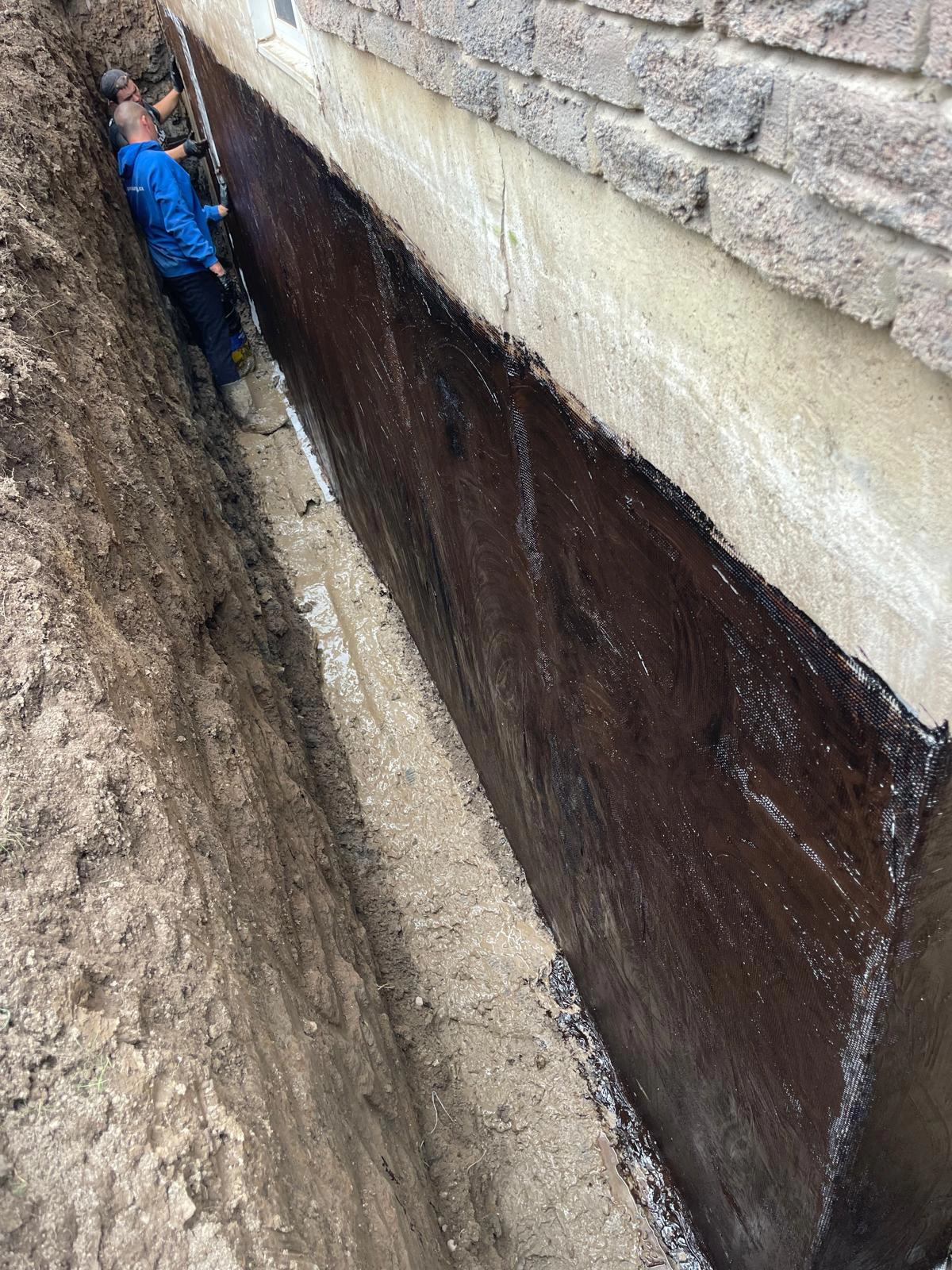
| Leaks through several walls | — | Exterior waterproofing with new weeping tile |
| Pump stops in storms | Test the pump, clear the float | Sealed pump with battery backup |
| Sewer backup | Avoid water use during storms | Backwater valve (City of Toronto subsidy available) |
Toronto homeowners can get up to $6,650 from the City’s Basement Flooding Protection Subsidy toward a backwater valve, a sump pump and disconnecting the weeping tile from the sewer, and must disconnect downspouts from the sewer where it is feasible. Typical costs for every repair are on our basement waterproofing cost page.
Prepare Before the Next Storm
A few minutes before forecast heavy rain can prevent a lot of damage: clear the gutters and window well drains, check that every downspout extension is in place, test the sump pump by pouring a bucket of water into the pit and keep items off the basement floor. Our checklist on preparing your basement for heavy rain covers the full routine.
If your basement leaks every time it rains, Leaquida can find the entry point and give you a written quote for the right fix. Inspections across Toronto and the GTA are free.