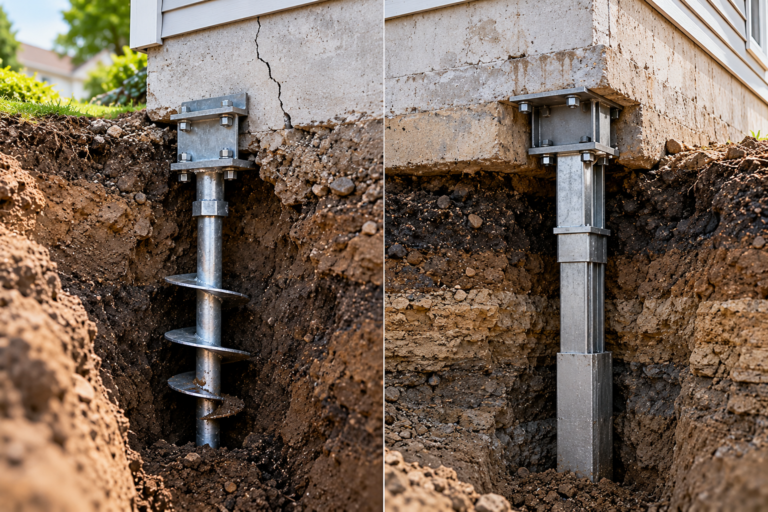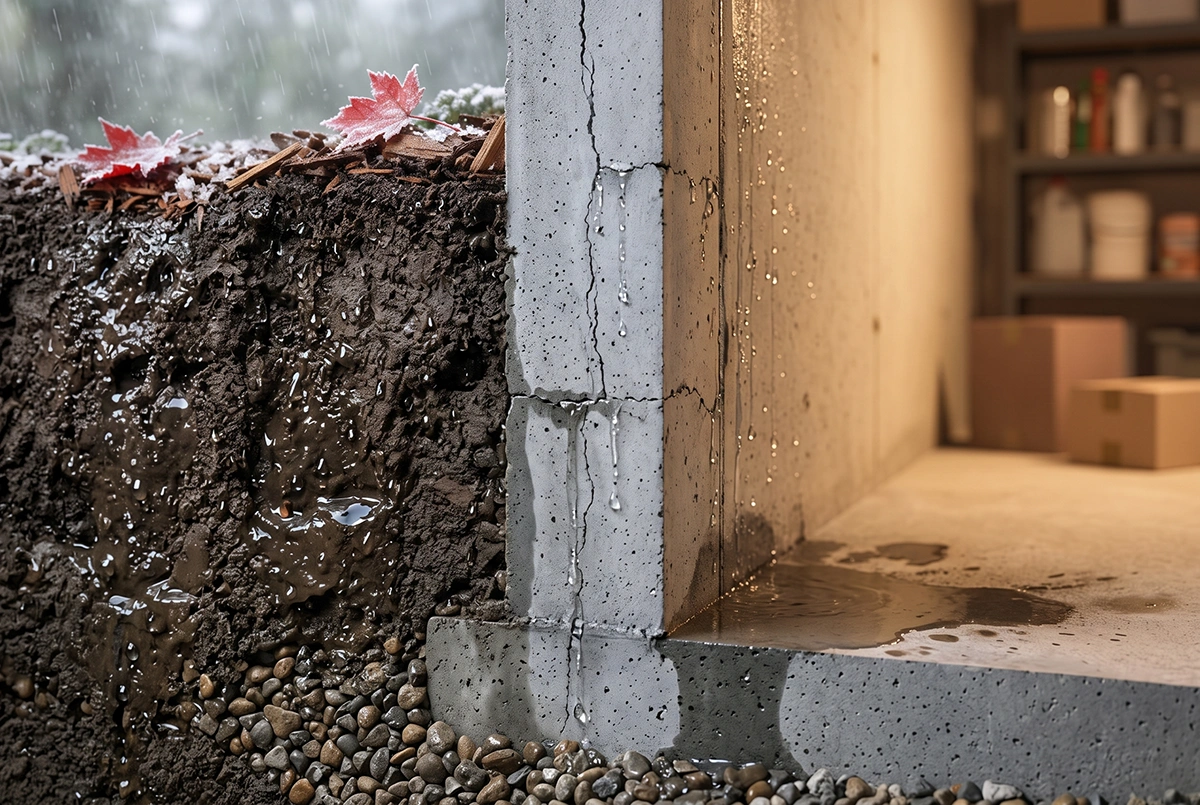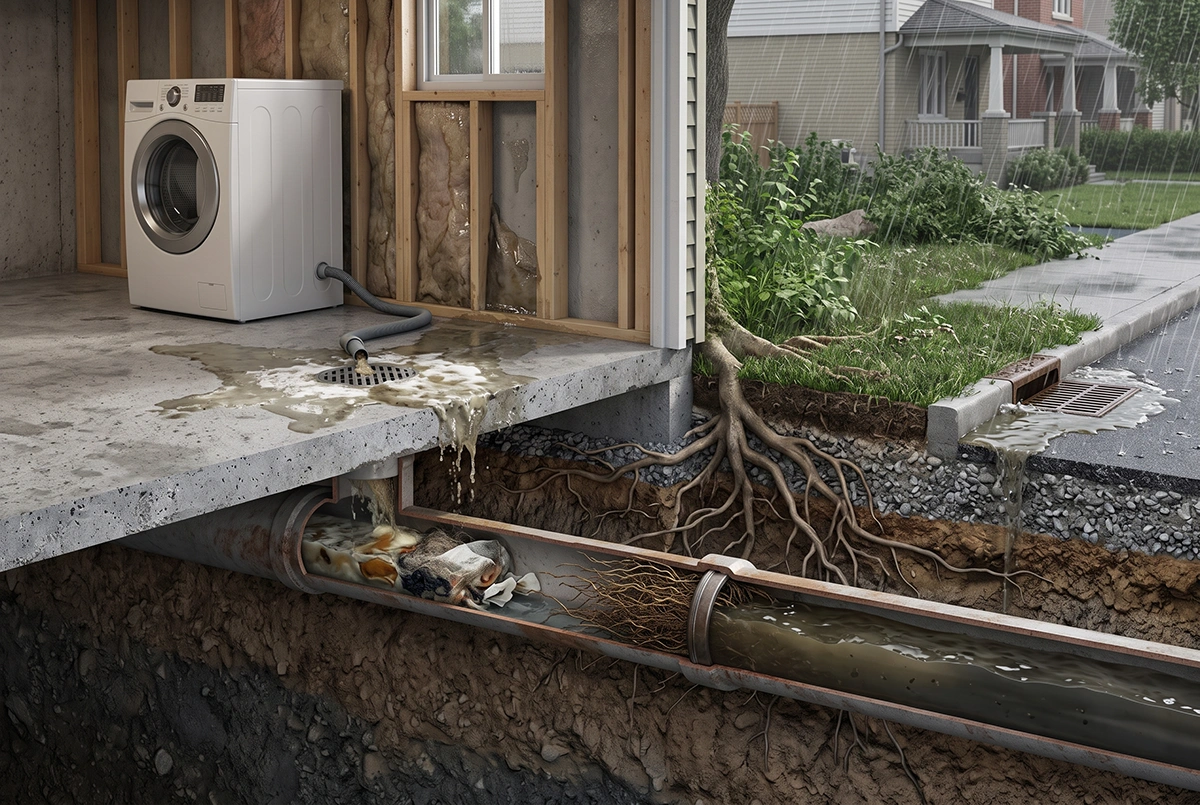

Choose a waterproofing company that can explain the source of the water, justify the repair and put the complete scope in writing. If water is actively flooding the basement, address safety and the immediate cause first. The right first call may be a plumber, the electrical utility or a restoration company rather than a waterproofing contractor.
For Toronto and GTA homeowners, a useful comparison goes beyond price and star ratings. Look for evidence that the proposed work fits your foundation, drainage and access conditions, with clear responsibility for the installation and any later service.
Who to call for water in the basement?
Stay out of a flooded basement where electrical contact may be possible. Do not walk through water to reach the electrical panel. If there is immediate danger, call emergency services. In Toronto, report basement flooding to 311; the City can investigate whether municipal infrastructure is involved. Contact your insurer promptly about damage and keep photographs and receipts when safe to obtain them.
The table below helps route the first call:
| What you notice | Who to contact | What needs checking |
|---|---|---|
| A leaking supply pipe or plumbing fixture | Licensed plumber | The plumbing fault and immediate water control |
| Water backing up through a drain or toilet | Licensed plumber; Toronto 311 for basement flooding | Private drainage and possible sewer involvement |
| Seepage after rain through a wall or floor joint | Waterproofing specialist | Foundation entry routes and drainage |
| Bowing walls, displacement or changing cracks | Structural professional | Wall movement before leak sealing |
| Wet finishes or suspected sewage contamination | Qualified restoration company | Safe drying, cleanup and affected materials |
These observations help route the call; they are not a diagnosis. A wet patch can have more than one cause. Describe what happened rather than deciding in advance that the house needs excavation. If you are unsure who to call for a water leak in the basement, explain the location, timing and any drain or plumbing symptoms when booking an assessment. For water coming in right now, see our emergency waterproofing service.
What should a useful waterproofing assessment establish?
Before the visit, gather previous repair records and note whether water follows rain, snowmelt or plumbing use. Photograph the first affected area if you can do so safely. Avoid painting over stains or opening walls simply to make the inspection easier.
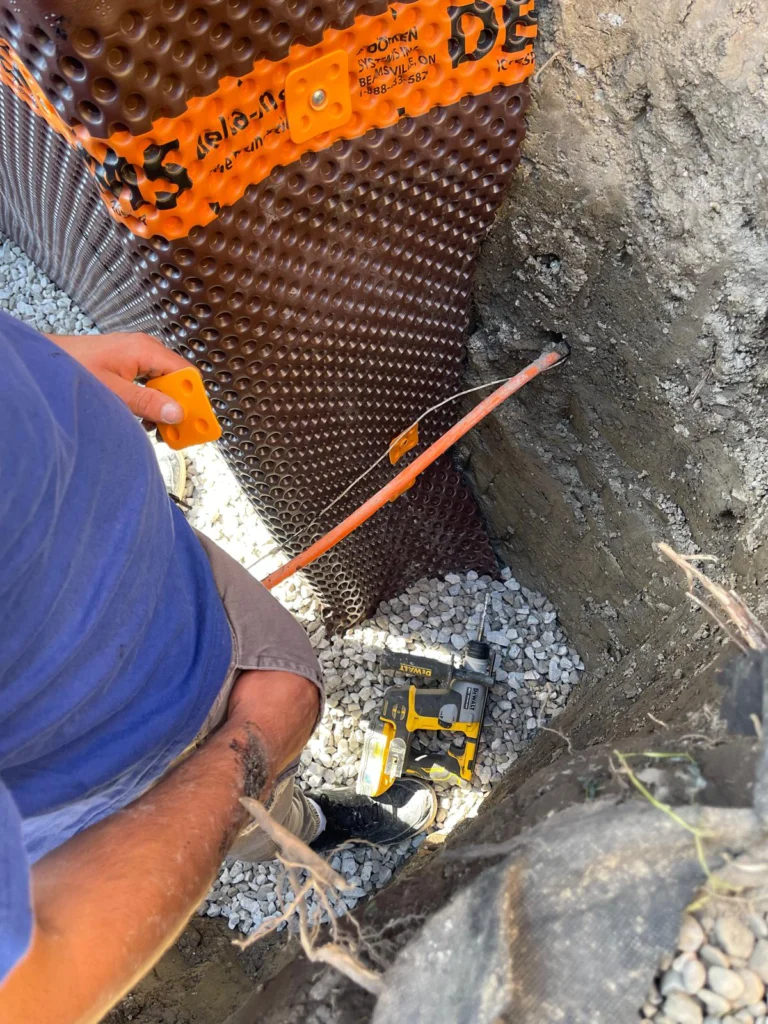
Ask the assessor to separate observed facts from possibilities. For example, a visible leaking crack is evidence of an entry route; a theory about a buried drain may need further investigation, such as a drain camera inspection. A moisture reading can help identify an affected area, but it should not replace an explanation of how water reaches it.
A basement leak repair proposal should identify the treated area and intended outcome. Ask what remains outside the scope, especially when only part of the perimeter is included. If the source is uncertain, request a defined investigation rather than treating the most expensive option as the safest default.
Match the company’s experience to the proposed repair
When deciding how to choose a basement waterproofing contractor, ask about completed work on foundations like yours. Poured concrete, block and older masonry can require different approaches. Restricted exterior access, finished rooms and adjoining properties also affect the plan.
Ask why the contractor recommends interior waterproofing, exterior waterproofing or a targeted repair. A specialist does not need to offer every service, but should acknowledge the limits of the work they do offer. A narrow specialism is not automatically a warning sign; an unsupported claim that one method solves every leak is.
For foundation crack repair, clarify whether the job addresses leakage alone or includes a structural assessment. For a drainage system, ask where the collected water will go. If sump pump installation is included, the proposal should identify the equipment, discharge arrangement and who handles any electrical work.
Verify the business and the people doing the work
Get the contracting business’s legal name, address and contact details. Check that these match the estimate, insurance documents and eventual invoice. Ask whether the assessor, installation crew and warranty provider belong to the same business, and who will supervise subcontractors.
Check the municipal and trade credentials relevant to the actual work. Toronto lists waterproofing under its Building Renovator licensing requirements. Confirm the business’s licence and applicable conditions with the City rather than relying on a badge on a website. Other GTA municipalities can have different requirements.
Where electrical work is needed, confirm that a Licensed Electrical Contractor will handle it and verify the ECRA/ESA licence. A waterproofing business’s general experience does not replace the credentials required for a particular trade.
Request evidence of liability insurance and ask how worker coverage applies. WSIB requirements and exemptions depend on the arrangement, including certain home-renovation situations. Do not assume a missing clearance automatically proves non-compliance; ask the contractor to explain and verify uncertain cases with WSIB. Insurance, licensing and a warranty answer different questions.
Compare written scopes before comparing prices
Two quotations can describe different jobs even when both say “basement waterproofing”. One may cover a single wall and leave restoration to you; another may include a larger drainage system. Ask each contractor to identify the same problem and explain differences in coverage before judging the total.
A complete written scope should:
- Identify the walls, joints and drainage lengths included, preferably on a simple sketch.
- List the proposed materials and equipment, preparation work and discharge route.
- Specify concrete, landscaping or interior-finish removal and reinstatement.
- Assign responsibility for permits, inspections, utilities and any additional trades.
- Include taxes, payment stages, timing, cleanup and a written process for changes.
Ask what happens if concealed conditions change the work. Extra repairs should be explained and documented before proceeding, not introduced as an unexplained final charge. Also clarify dust control, access through occupied rooms, storage of materials and how the site will be left between workdays. To sense-check totals, compare them with typical ranges on our basement waterproofing cost page.
Read reviews and warranties for useful evidence
If you need a starting shortlist, see our comparison of the top waterproofing companies in Toronto, then use the checks in this guide to compare their written proposals.
Look for reviews that describe the problem, the work and follow-up after wet weather. A comment about a courteous sales visit tells you little about drainage performance. Speak with references whose projects resemble yours and ask how the contractor responded when questions or problems arose.
Read the warranty before signing. Identify the covered areas, exclusions, maintenance obligations, transfer conditions and the process for requesting service. Ask whether pumps, labour and restoration have different coverage. “Lifetime” is not a substitute for the actual terms, and a long warranty does not remove the need for maintenance.
Pause if the business will not identify itself, refuses a written scope or pressures you to approve major work immediately. A lower price is a reason to compare details, not proof of poor workmanship. Likewise, a higher price is not proof that the proposed system is necessary.
Start with an assessment you can understand
Knowing how to choose a waterproofing company means being able to connect the problem, proposed repair and written agreement. Leaquida can assess basement water-entry concerns in Toronto and the GTA and explain suitable options. Ask for a clear scope that identifies what the work will address and what responsibilities remain afterward.