Digging along the outside of a foundation is expensive and disruptive, so most homeowners with a wet basement first ask whether the problem can be handled from inside. Often it can — at least partly. Some leaks can be sealed for good from the inside, others can only be controlled, and a few need outside work no matter what.
This guide explains how to fix a basement leak from the inside: how to find where water is entering, which repairs a homeowner can do, which ones need a contractor, and how to tell a temporary patch from a lasting repair.
Can You Fix a Leaky Basement From the Inside?
Can you fix a leaky basement from the inside? Yes, in many cases. Interior repairs work well when:
- Water comes through a single crack in a poured concrete wall.
- Water enters at the floor–wall joint (the cove joint) because of pressure under the slab.
- Water seeps around a pipe or window penetration.
- The problem is condensation, not a leak.
Interior repairs do not stop water from reaching the outside of the wall. Their job is to seal a specific path, or to collect water that gets through and send it to a sump pump. When the whole wall is saturated or the block wall is deteriorating, inside work only manages the symptoms.
Step 1: Find Where the Water Gets In
Before you buy any product, find the leak. A wrong diagnosis is the most common reason inside repairs fail.
- Dry the area and watch it during the next rain or snowmelt. Note where water appears first, not where it pools.
- Check high on the wall: water running down from a window, a sill plate or a hose bib can look like a wall leak.
- Do a foil test on damp areas: tape a square of foil to the wall for a day or two. Moisture on the room side means condensation; on the wall side means seepage.
- Rule out plumbing: a leaking supply line or drain inside a wall can mimic a foundation leak.
Our guide on how to find the source of a basement leak goes through each check in detail.

Common Leak Points and the Right Inside Fix
| Leak point | Typical cause | Inside fix | DIY? |
|---|---|---|---|
| Vertical crack in poured concrete | Shrinkage or settling | Polyurethane or epoxy injection | Possible with a kit; pro for lasting results |
| Floor–wall joint | Water pressure under the slab | Interior drain tile and sump pump | No |
| Pipe or tie-rod hole | Gaps around penetrations | Hydraulic cement or injection | Yes |
| Block wall seepage | Water filling the block cores | Weep holes into an interior drain | No |
| Window frame | Failed sealant or flooded window well | Reseal and fix the well drain | Yes |
| Damp wall, no visible leak | Condensation or capillary moisture | Dehumidify, insulate, seal | Yes |
How to Fix a Leaking Crack in Basement Wall
How to fix a leaking crack in basement wall depends on the crack and the wall type.
Poured concrete walls: injection
For a crack in poured concrete, injection is the standard interior repair. Ports are set along the crack, the surface is sealed, and liquid resin is pumped in from the bottom up until it fills the crack through the full wall thickness.
- Polyurethane foam expands and stays slightly flexible. It is the usual choice for leaking cracks, including damp ones.
- Epoxy bonds the concrete back together and adds strength, but needs a dry crack and does not tolerate movement.
DIY injection kits exist and can work on a single hairline crack. A professional repair costs more but uses higher-pressure equipment, fills the crack completely and usually comes with a warranty. Leaquida’s foundation crack repair typically costs $500–$1,500 per crack. See our comparison of DIY vs professional crack repair.
How to fix a cracked basement wall from the inside when it is not leaking
How to fix a cracked basement wall from the inside when it is dry: monitor its width with a pencil mark at each end and the date. Seal stable hairline cracks with a flexible concrete sealant to keep out moisture and radon. Cracks wider than about 6 mm, horizontal cracks, stair-step cracks in block, or a wall that bows inward are structural concerns. Read how to tell if a foundation crack is serious before sealing anything.
Why surface patching usually fails
Hydraulic cement, caulk or tape on the surface of an active crack can stop the drip for a while. Water then finds the edge of the patch or another weak spot nearby. Use surface patching on small holes and penetrations, not as the main fix for a leaking crack.
How to Fix Leaking Foundation Wall From Inside at the Floor Joint
When water appears along the bottom of the wall, the problem is water pressure in the soil, not a crack you can seal. How to fix leaking foundation wall from inside in this case:
- Remove a strip of the floor slab along the affected walls.
- Lay perforated drain pipe in clean stone at the footing.
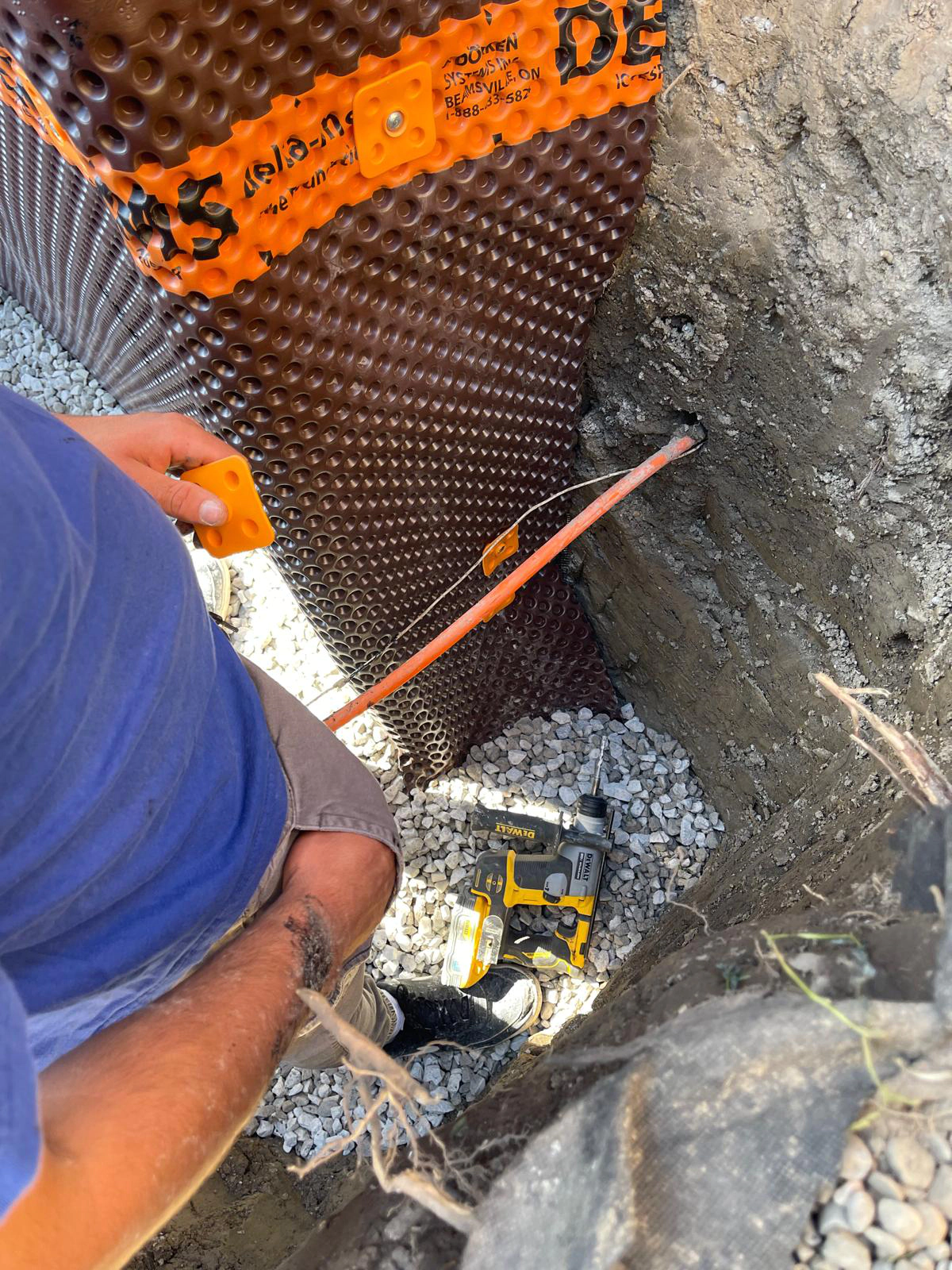
- Add a dimpled membrane on the wall so water running down it goes into the drain.
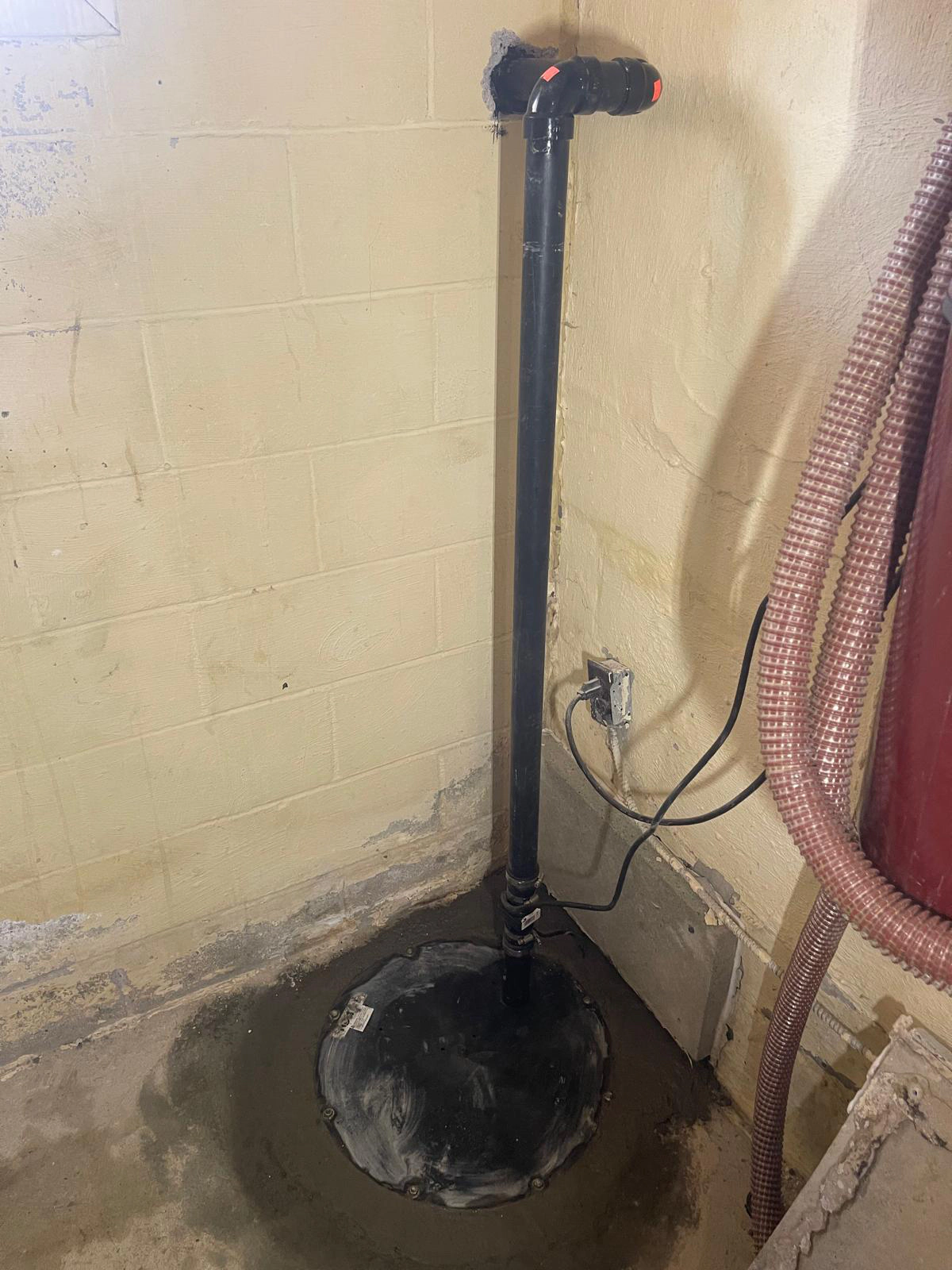
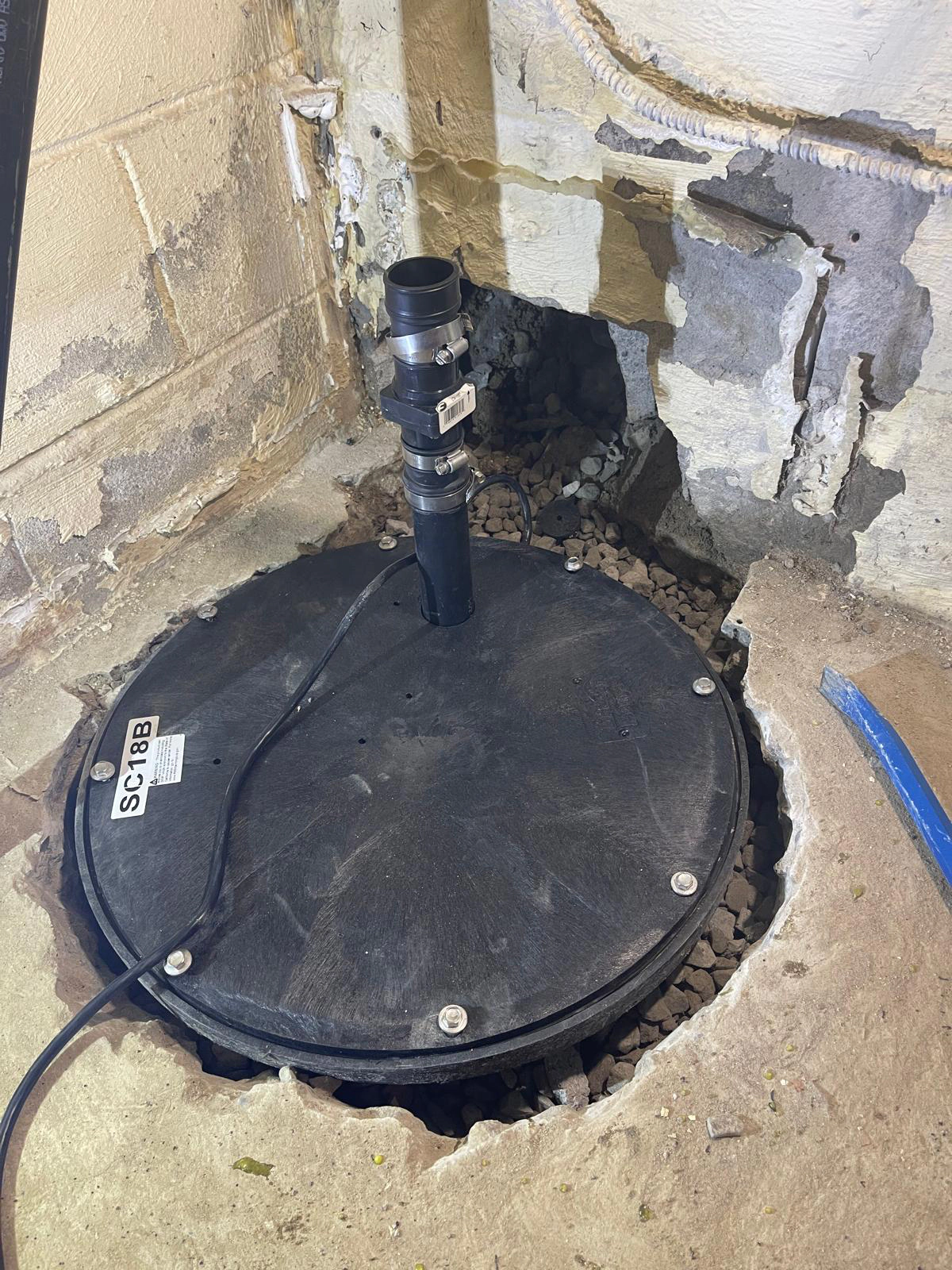
- Connect the drain to a sump pit with a pump that discharges outside.
- Pour new concrete over the drain.
This is an interior waterproofing system. It does not stop water reaching the wall, but it collects it before it reaches the floor. Our guide to the interior drainage system explains each part. Typical cost is $50–$120 per linear foot, and most homes take 1–3 days. A reliable sump pump installation with a battery backup is part of the system.
How to Fix Leaks in Basement Walls Made of Block or Stone
How to fix leaks in basement walls made of concrete block or stone is different from poured concrete:
- Block walls are hollow. Water fills the cores and comes out low on the wall or through mortar joints. Sealing the face traps the water inside. The usual inside fix is to drill small weep holes at the bottom course and drain the cores into an interior drain tile.
- Stone and rubble walls in older Toronto homes leak through mortar joints. Repointing helps with small areas; persistent seepage needs drainage or exterior work. See foundation waterproofing for options for older foundations.

Waterproof Coatings and Sealers: What They Can and Cannot Do
Masonry waterproofing paints and penetrating sealers are sold as a way to fix leaking basement wall problems. They work against dampness and minor capillary moisture on sound concrete. They do not hold back water under pressure, and they peel or blister when the wall stays wet. Apply them only to clean, bare, dry walls after cracks and penetrations are sealed, and treat them as a finishing layer, not the repair.
Inside Fixes That Start Outside
Many inside leaks are fed by water you can control from outside in an afternoon:
- Extend downspouts at least 1.8 m (6 ft) from the wall.
- Clean gutters.
- Make sure soil slopes away from the house.
- Clear and cover window wells.
These steps reduce the water reaching the wall, so any inside repair has less to do.
When an Inside Repair Is Not Enough
Interior work is not the right fix when:
- The wall is bowing, cracking horizontally or crumbling.
- Many walls leak at once, through the full height.
- The exterior membrane has failed and the wall stays saturated.
- You want to stop water reaching the foundation, not only manage it.
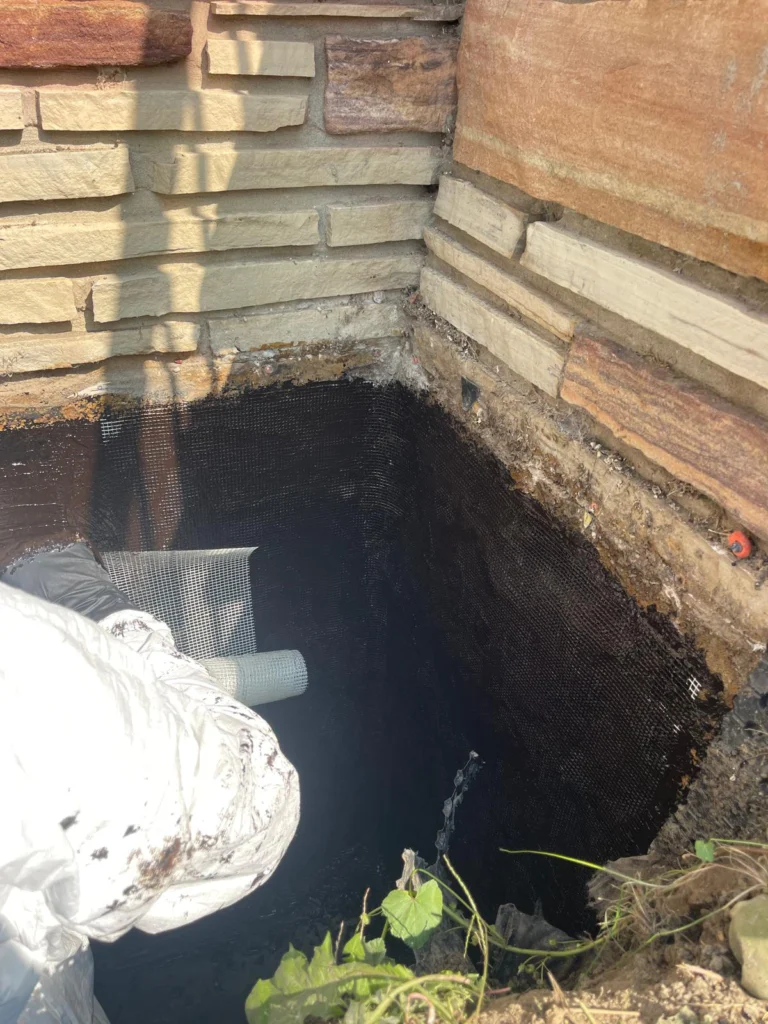
In these cases, exterior waterproofing or targeted basement leak repair from outside is the better choice. Leaquida inspects leaking basements across Toronto and the GTA for free and explains which repairs can be done from inside.