
A basement that always feels damp, smells musty or shows wet patches every spring has a moisture problem — even if it has never flooded. Running a dehumidifier helps, but if the cause is not dealt with, the dampness keeps coming back and slowly damages finishes, stored items and indoor air.
This guide explains basement moisture problems step by step: where the moisture comes from, how to tell condensation from seepage, the fixes that work for each, and when the answer is waterproofing rather than more fans.
Moisture in Basements: Causes and Solutions
Every case of moisture in basements, causes and solutions comes back to three sources:
- Indoor humidity condensing on cool surfaces — walls, floors, cold-water pipes and ductwork.
- Ground moisture moving through concrete by capillary action, even when no water is visible.
- Liquid water entering through cracks, the floor–wall joint, windows or failed waterproofing.
Most damp basements have more than one. The solution depends on which one dominates.
Signs of a Persistent Moisture Problem
- A musty smell that returns soon after cleaning. See why a basement smells musty.
- Relative humidity regularly above 60%. A hygrometer shows this clearly.
- Water droplets on pipes, windows or walls.
- White crystalline deposits on concrete — see efflorescence on basement walls.
- Peeling paint, rusting nails in baseboards, warped wood and damp carpet.
- Dark staining or mould spots behind furniture and in corners.
Is It Condensation or Seepage?
Condensation in basement
Condensation in basement spaces happens when warm, moist air touches a surface colder than its dew point. It is most common in summer, when humid outdoor air enters and cools, and on cold-water pipes year-round. It shows up as beads of water spread evenly over a surface.
Moisture coming through basement walls
Moisture coming through basement walls comes from the soil side. It usually appears in patches, near the bottom of the wall or along cracks, gets worse after rain or snowmelt, and leaves stains or white deposits.
The foil test
Tape a 30 × 30 cm square of aluminium foil tightly to the wall or floor for 24–48 hours.
- Moisture on the room side of the foil: condensation.
- Moisture on the wall side: moisture moving through the concrete.
- Both: you have both problems.
How to Get Rid of Condensation in Basement
How to get rid of condensation in basement spaces:
- Insulate cold-water pipes with foam pipe sleeves.
- Keep windows closed on warm, humid days; open them only when outdoor air is cooler and drier.
- Insulate exterior walls properly, using a moisture-tolerant rigid foam board directly on the concrete so warm air does not reach the cold wall.
- Improve air movement — keep supply and return vents open in the basement and avoid sealing off rooms.
- Seal air leaks at the rim joist, where humid air often enters.
Basement Humidity Control
Reduce humidity in basement air
To reduce humidity in basement air, the main tool is a dehumidifier:
- Choose one rated for the area and expected dampness.
- Set it to 45–50% relative humidity.
- Drain it continuously to a floor drain or sump pit, so it runs even when you are away.
- Clean the filter and coils regularly.
Health Canada recommends keeping indoor humidity between 30% and 50%.
How to keep basement dry without dehumidifier
How to keep basement dry without dehumidifier use, or with less of it:
- Vent the clothes dryer outside and avoid drying laundry indoors.
- Run bathroom exhaust fans during and after showers.
- Store firewood, plants and aquariums elsewhere.
- Use the HVAC system or an HRV to keep basement air moving and exchanged.
- Fix every outside drainage issue below, so less moisture reaches the walls.
These steps lower humidity, but in many Toronto basements, a dehumidifier is still needed in summer.
How to Keep Moisture Out of Basement From the Outside
How to keep moisture out of basement walls starts outside the house:
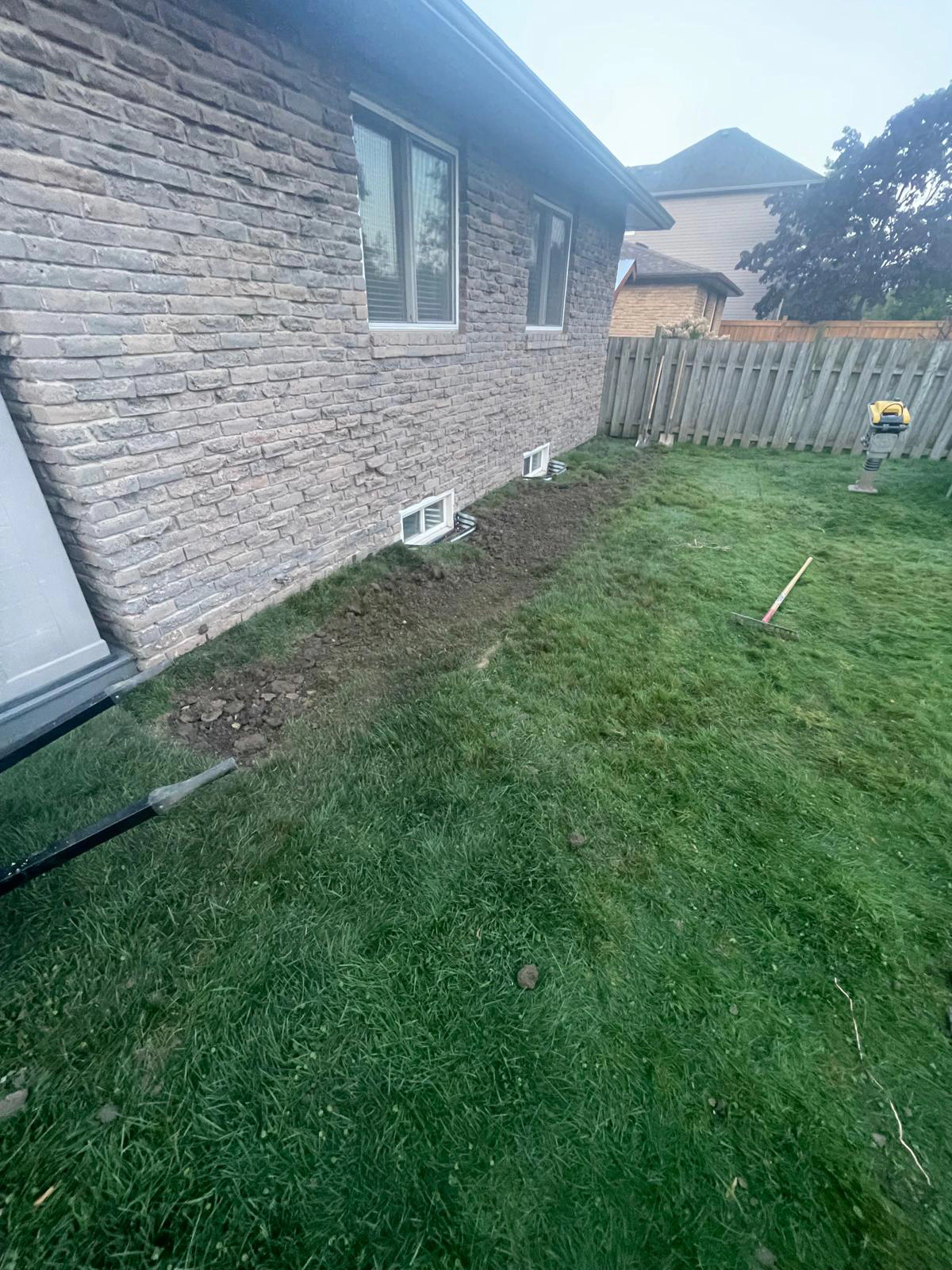
- Gutters and downspouts: clean gutters and extend downspouts at least 1.8 m from the wall.
- Grading: the soil should drop about 15 cm over the first 3 m from the house. Our guide to grading around the foundation explains slope and soil choice.
- Window wells: clear debris, check the drain and add covers.
- Hard surfaces: re-level patios and walkways that slope toward the house.
- Plantings: keep beds and irrigation from soaking the soil next to the foundation.

Basement Dampness Solutions for Walls and Floors
Seal cracks and penetrations
Leaking cracks and gaps around pipes are direct paths for water. Foundation crack repair with polyurethane injection seals them through the full wall.
Treat damp concrete
For walls that stay damp but have no visible leaks, a penetrating sealer or masonry waterproofing coating can help once the surface is clean and dry. These products manage capillary moisture; they do not stop water under pressure.
Manage water under the floor
Moisture rising through the slab, or water at the floor–wall joint after rain, points to water pressure under the house. That calls for drainage, not coatings.
Permanent Basement Moisture Solutions
When moisture keeps coming back, these basement moisture solutions deal with the cause:
| Problem | Lasting solution |
|---|---|
| Seepage at the floor–wall joint | Interior waterproofing with drain tile and a sump pump |
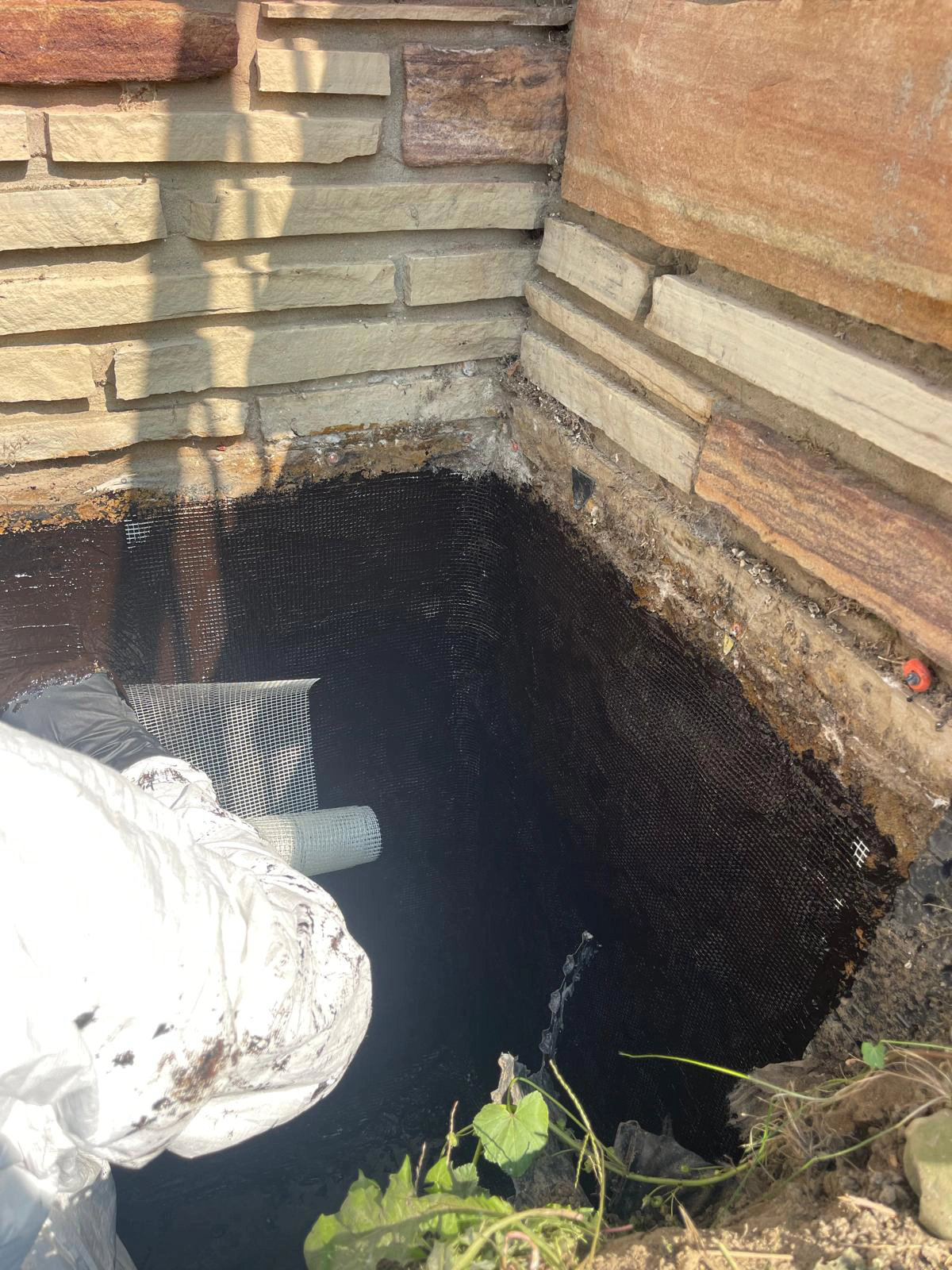
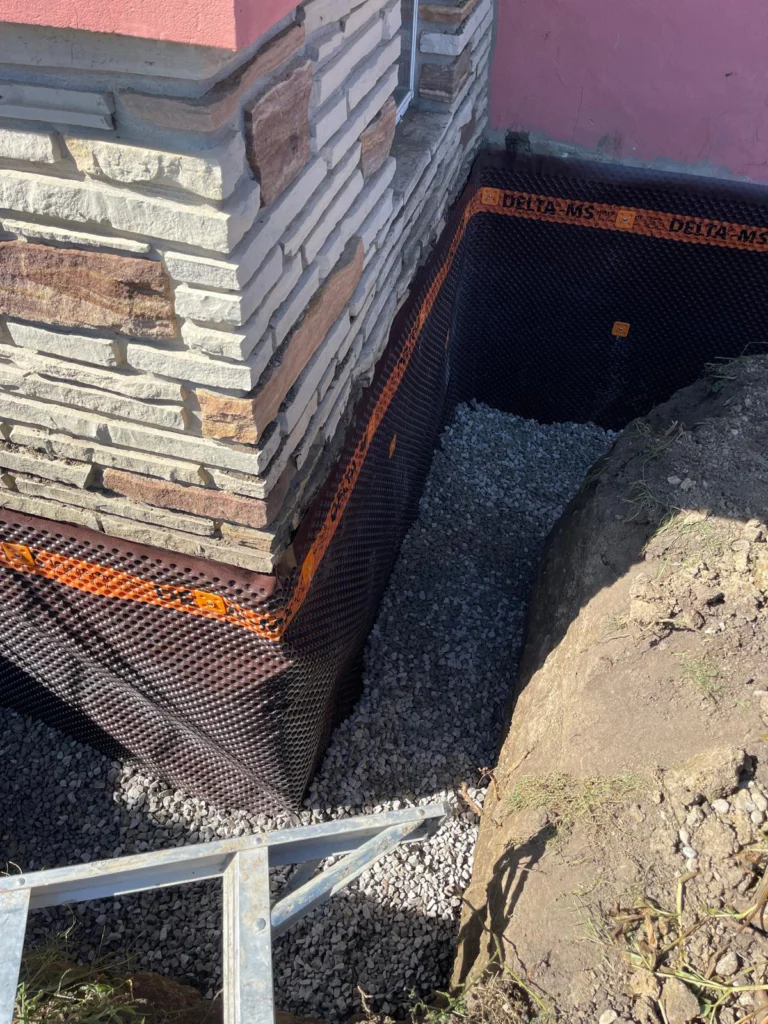
| Walls damp from outside, failed membrane | Exterior waterproofing |
| Clogged or missing footing drain | Weeping tile installation |
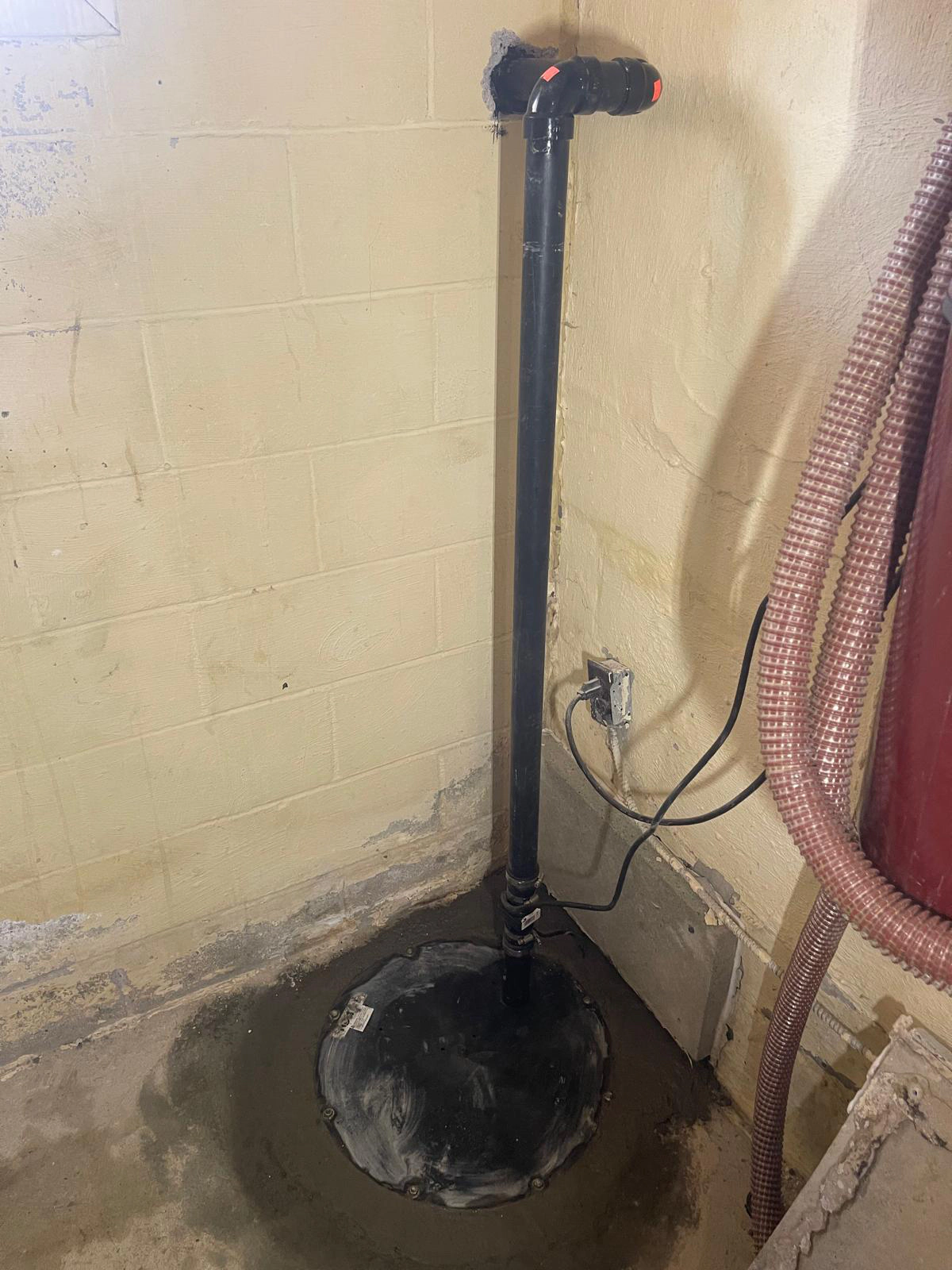
| Water collecting under the floor | Sump pump installation |
| Damp crawl space beside the basement | Crawl space encapsulation |
| Several sources at once | Wet basement repair |
How to Get Rid of Dampness in Basement: Step-by-Step Plan
How to get rid of dampness in basement spaces for good:
- Measure: track humidity for two weeks and note changes after rain.
- Diagnose: use the foil test and inspect walls, floor and outside drainage.
- Fix the outside: downspouts, grading and window wells first — they are inexpensive.
- Control the air: insulate pipes, seal air leaks and dehumidify to 45–50%.
- Seal the structure: repair cracks and penetrations.
- Add drainage or waterproofing if water still comes through after rain.
- Clean up: remove damaged materials and clean small mould areas; larger areas need professionals.
How to Remove Moisture From Basement Finishes and Belongings
How to remove moisture from basement finishes after the source is fixed:
- Pull carpet and underpad that stayed damp; replace with moisture-tolerant flooring.
- Move stored items into sealed plastic bins on shelves, off the floor and away from exterior walls.
- Dry out wall cavities before closing them; cut out drywall that has been wet for long periods.
- Run dehumidifiers and fans for several days after any water event.
Our guide on how to find the source of a basement leak helps if you are not sure where the water comes from. Leaquida inspects damp basements across Toronto and the GTA, measures moisture in walls and floors, and gives a free written quote for basement moisture control that lasts.