Basement moisture problems rarely start with a puddle. They start with damp air: condensation on cold pipes, a musty corner, cardboard boxes that soften over a summer. The cheapest way to see this coming is a hygrometer — a small device that tells you how much moisture is in the air.
This guide explains what a hygrometer is, how it works, where to put one, how to read a hygrometer in a basement through the seasons, and what the numbers mean for your foundation and waterproofing.
What Is a Hygrometer?
What is a hygrometer? It is an instrument that measures humidity — the amount of water vapour in the air. A hygrometer is used to measure relative humidity (RH), shown as a percentage. Most home models also show temperature, and many record the highest and lowest readings over time.
What Does a Hygrometer Measure?
What does a hygrometer measure exactly? Relative humidity: how much water vapour the air holds compared with the maximum it could hold at that temperature. At 100%, the air is saturated and water condenses. Because cool air holds less moisture than warm air, the same amount of water vapour gives a higher RH in a cool basement than upstairs.
How Does a Hygrometer Work?
How does a hygrometer work? Home models use one of two principles:
- Digital (electronic) hygrometers use a sensor whose electrical properties change as it absorbs moisture. The device converts that change into an RH reading. They are inexpensive, easy to read and usually accurate to within about 2–5% RH.
- Analog (mechanical) hygrometers use a material such as a coil that expands and contracts with humidity and moves a needle. They need no batteries but drift over time and are harder to read precisely.
So, how does a hygrometer measure humidity in practice? It lets the sensor reach balance with the surrounding air, which takes several minutes after you move it. That is why a reading taken right after carrying the device downstairs is not reliable.
Choosing a Hygrometer for Your Basement
A good hygrometer for basement use:
- Is digital, with a clear RH and temperature display.
- Records minimum and maximum values, or logs data you can view on a phone.
- Has a stated accuracy of ±3% RH or better.
- Can be wall-mounted or placed on a shelf.
Two inexpensive units — one in the main area and one in a storage room or near the worst wall — tell you more than one expensive unit.
How to Use a Hygrometer to Measure Humidity
How to use a hygrometer to measure humidity correctly:
- Place it in the middle of the space, about chest height, away from the dryer vent, furnace, windows, direct sunlight and exterior doors.
- Let it settle for at least 30 minutes after moving it.
- Read it at the same time each day for one to two weeks.
- Also read it during and after heavy rain, and before and after running a dehumidifier.
- Note the minimum and maximum, not just the current number.
Calibrate it once
A simple salt test checks accuracy: seal the hygrometer in a zip bag with a small cap of table salt moistened into a damp paste. After 8–12 hours it should read about 75%. If it reads 79%, subtract 4 from future readings.
How to Read a Hygrometer
How to read a hygrometer is mostly about the pattern, not one number:
- A reading that rises after rain and falls a day or two later points to water getting into the foundation.
- A reading that is high every summer afternoon but normal in winter points to humid outdoor air entering and cooling.
- A reading that stays high all year even with a dehumidifier running points to a steady moisture source such as seepage, a damp slab or a plumbing leak.
- A big difference between two rooms points to a local problem near the higher reading.
What Is a Normal Hygrometer Reading in a Basement?
What is a normal hygrometer reading for a basement? Health Canada recommends indoor relative humidity between 30% and 50%. Basements often sit a little higher in summer; up to about 55% is common and manageable.
What Is a Good Hygrometer Reading?
| Reading (RH) | What it means | What to do |
|---|---|---|
| Below 30% | Too dry; common upstairs in winter, rare in basements | Nothing in the basement; consider a humidifier upstairs |
| 30–50% | Good — the target range | Keep doing what you are doing |
| 50–60% | Borderline; dust mites and mildew start to thrive | Run a dehumidifier, improve air movement |
| 60–70% | Too humid; mould risk on organic materials | Dehumidify and look for a moisture source |
| Above 70% | High risk; condensation and mould likely | Find the source — seepage, leaks or outdoor air |
So what is a good hygrometer reading? Anything steadily between 30% and 50%, with short peaks no higher than about 55–60%.
Digital Hygrometer Basement Humidity Reading by Season
A digital hygrometer basement humidity reading should be interpreted with the season in mind:
- Winter. Outdoor air is dry, so basements usually read 30–45%. A winter reading consistently above 55–60% without a humidifier running is a warning sign of ground moisture — check the foundation drainage and walls.
- Spring. Snowmelt and rain saturate the soil. Readings that jump after storms point to seepage.
- Summer. Warm, humid outdoor air cools in the basement and its RH climbs. Readings of 60–70% are common without a dehumidifier; keep windows closed on humid days.
- Fall. Readings should drop as outdoor air dries. If they do not, look for a water source.
What to Do When Humidity Is Too High
Quick fixes
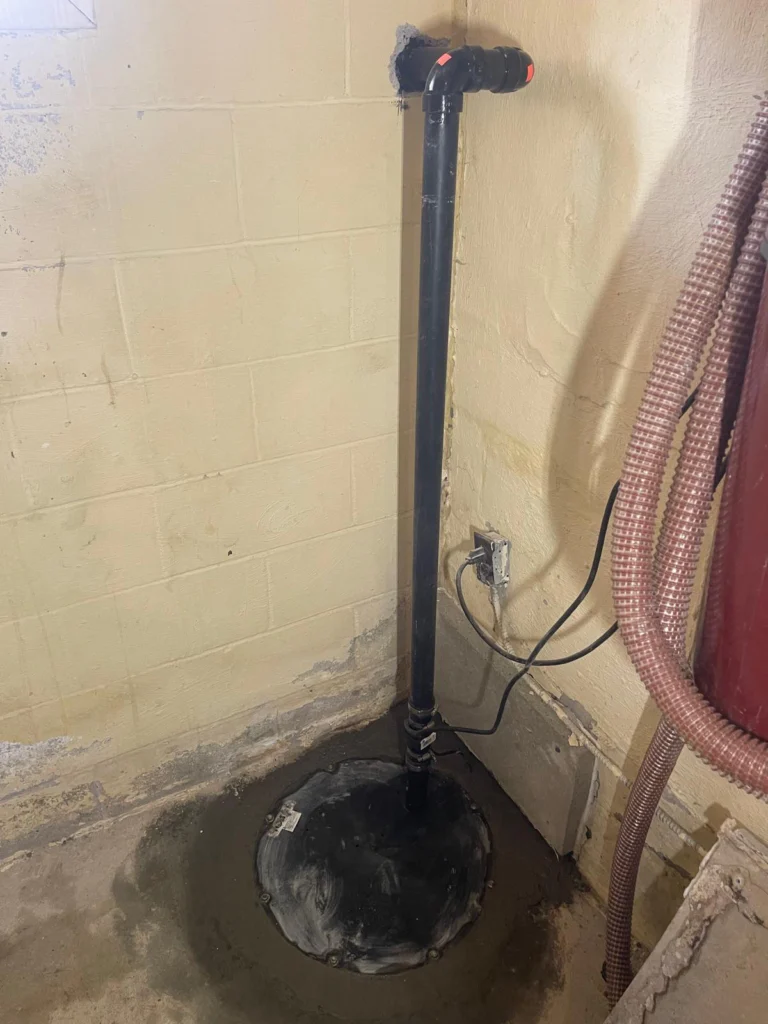
- Run a dehumidifier sized for the basement, drained to the floor drain or sump pit so it runs continuously.
- Keep basement windows closed in humid weather.
- Vent the clothes dryer outside and avoid drying laundry indoors.
- Insulate cold-water pipes to stop condensation dripping.
- Keep furniture and storage a few centimetres away from exterior walls.
When it is a water problem, not an air problem
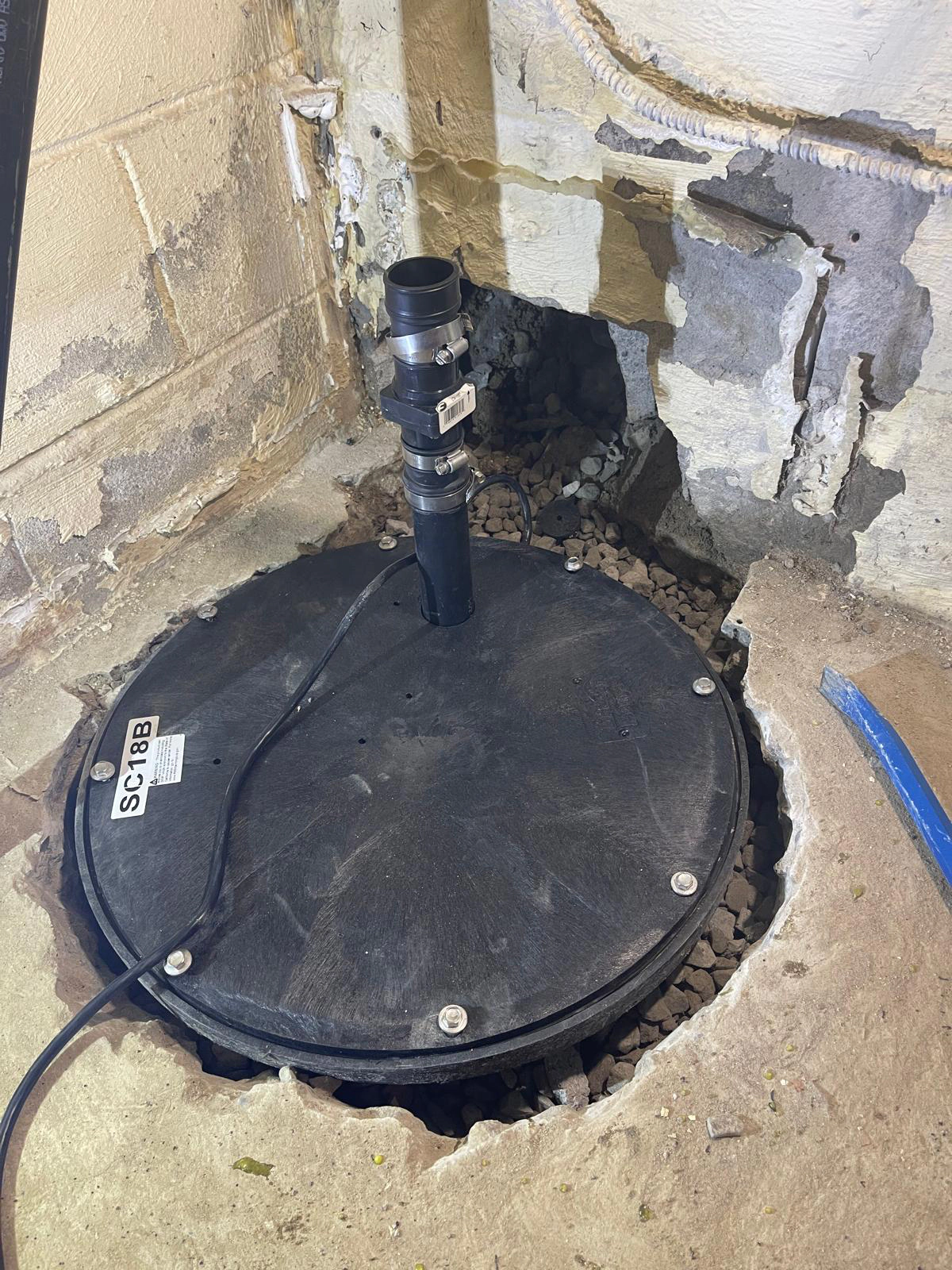
If humidity stays high with a dehumidifier running, or rises after every rain, moisture is coming through the foundation. Our guide on finding the source of a basement leak explains the next steps, and why a basement smells musty covers the mould side. Permanent fixes include:
- Interior waterproofing for seepage at the floor–wall joint.
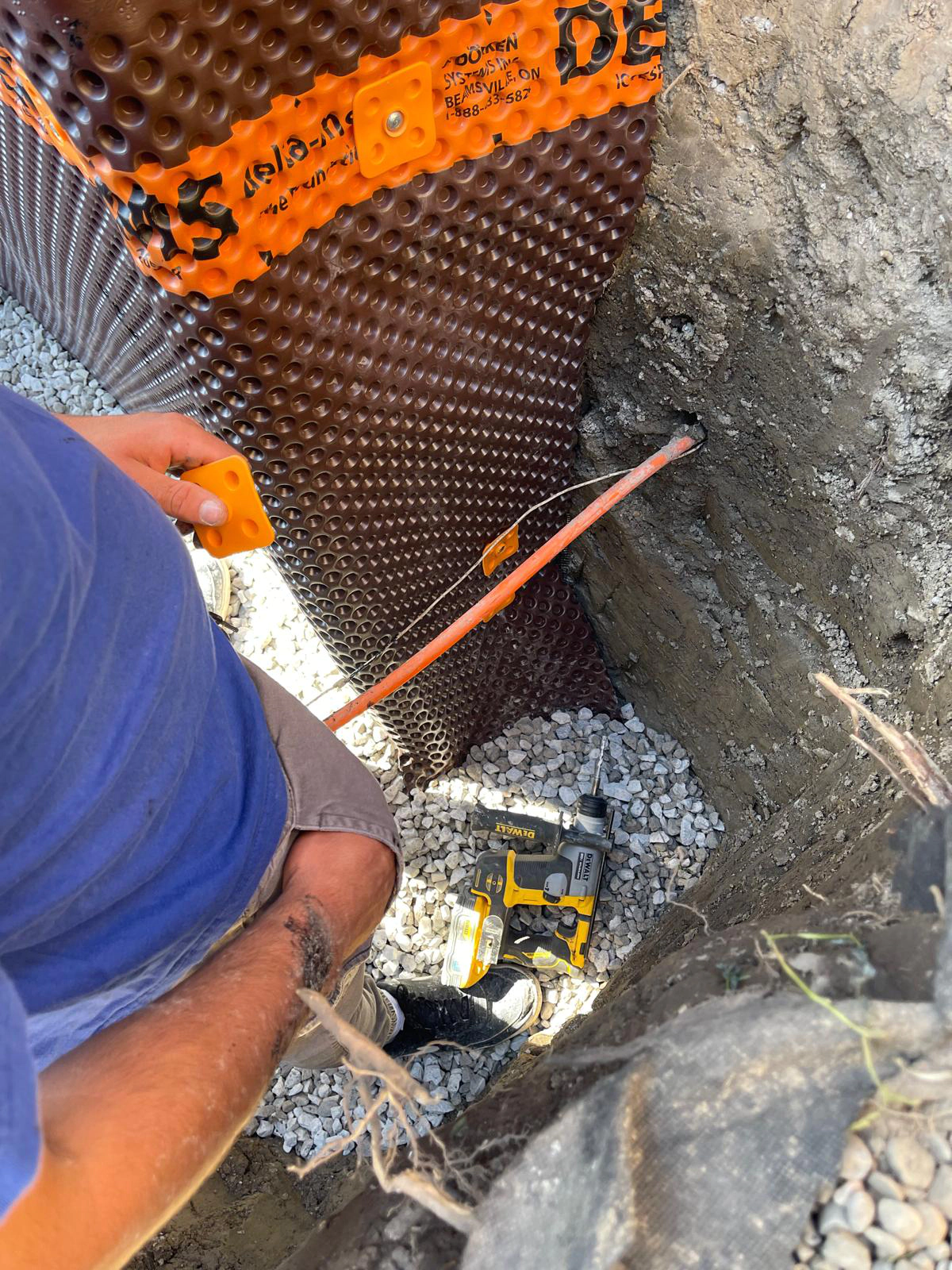
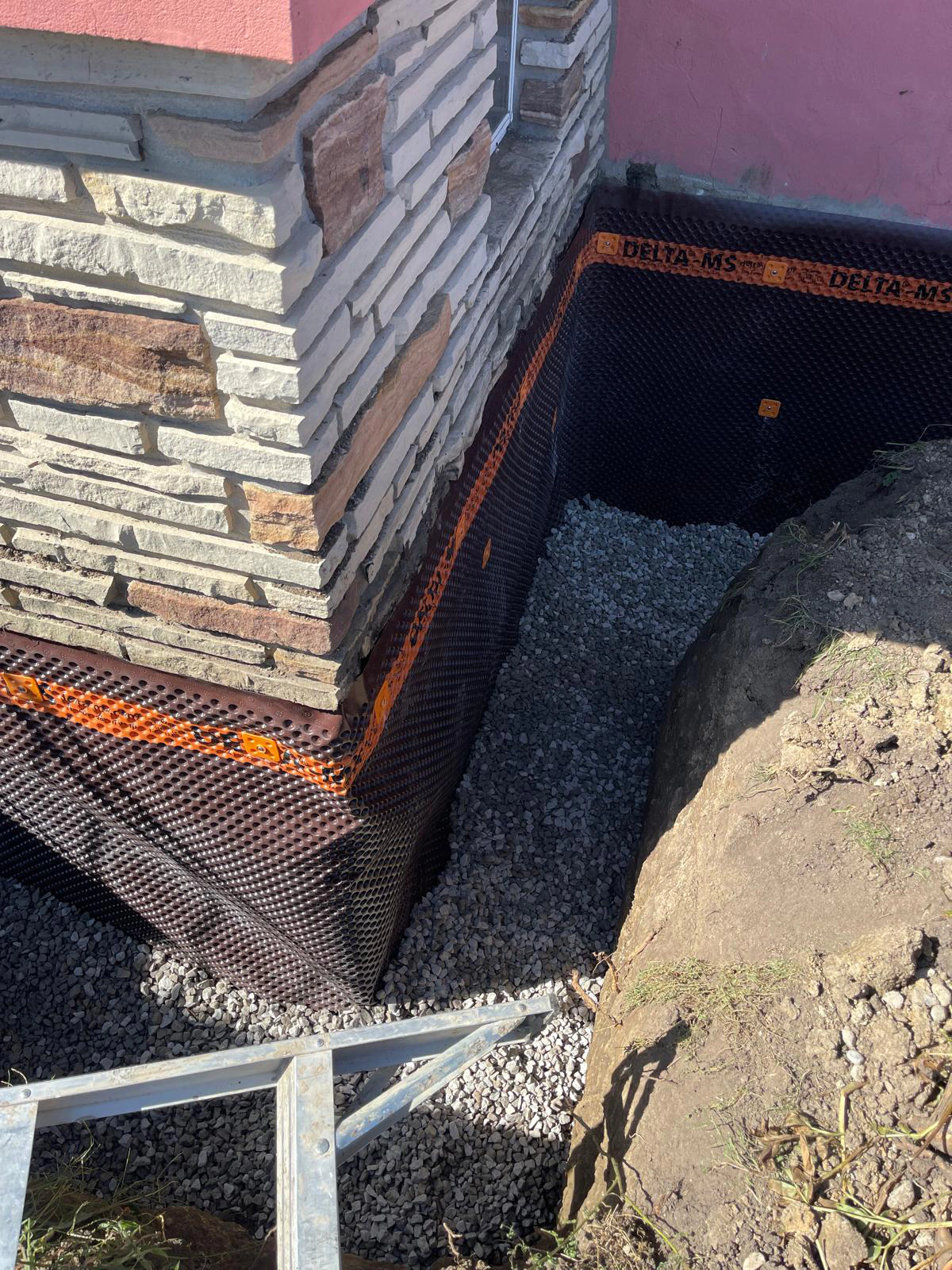
- Exterior waterproofing when walls are damp from outside.
- Foundation crack repair for leaking cracks.
- Wet basement repair when several sources combine.
- Crawl space encapsulation for damp crawl spaces under part of the house.
Leaquida inspects damp basements across Toronto and the GTA for free and can tell you whether the problem is the air or the foundation.