The best waterproofing for basement walls is the system that suits the wall material, the water source and the side you can access. An exterior membrane can protect an accessible wall from soil-side water. An interior drainage system can collect seepage when exterior work is impractical. A suitable coating may help in a defined application, but it is not a substitute for repairing a moving crack or providing a working drainage outlet.
For a Toronto or GTA homeowner, choosing starts with the wall and the leak, not a brand name. A product described as a sealer, waterproof paint or membrane may perform a very different job from another product carrying a similar label.
First identify what is making the wall wet
Check where moisture first appears and when it occurs. Water following one crack after rain presents a different problem from condensation across a cool wall. A leak below a window may originate at the opening rather than through the main foundation surface. Record these observations before cleaning or repainting the area.
Water collecting around a foundation can exert hydrostatic pressure. The proposed protection must suit that exposure, including joints and penetrations, rather than merely covering the visible damp patch. Plumbing leaks and sewer backup need their own assessment; a wall coating will not correct either.
Health Canada identifies condensation, plumbing leaks and outside infiltration as distinct moisture sources. If the wall is wet because humid indoor air condenses on it, address humidity and the wall assembly. Waterproofing does not automatically remove existing mould or repair damaged finishes.
Match the material to the basement wall
Use the table below to narrow down which options are worth assessing for your wall.
| Wall or situation | Option to assess | Important limitation |
|---|---|---|
| Accessible exterior foundation | Specified sheet or liquid-applied waterproofing membrane | Requires prepared surfaces, continuous details and protection |
| Sound interior concrete or masonry | Compatible masonry waterproofer or cementitious system | Must suit the substrate and water-pressure exposure |
| Recurring seepage with restricted exterior access | Interior wall drainage linked to a collection system | Manages incoming water rather than drying the exterior wall |
| An isolated leaking crack | A repair selected for the crack and wall material | Moving or structurally significant cracks need further assessment |
| Older stone or brick with deteriorated joints | Masonry assessment and compatible repairs first | A generic coating does not restore unsound masonry |
This comparison narrows the questions to ask; it is not a diagnosis from a photograph. A house may need more than one approach. For example, a leaking crack and a blocked foundation drain are separate defects even when they create one wet area indoors.
Choosing the best waterproofing membrane for basement walls
Exterior sheet and liquid-applied membranes
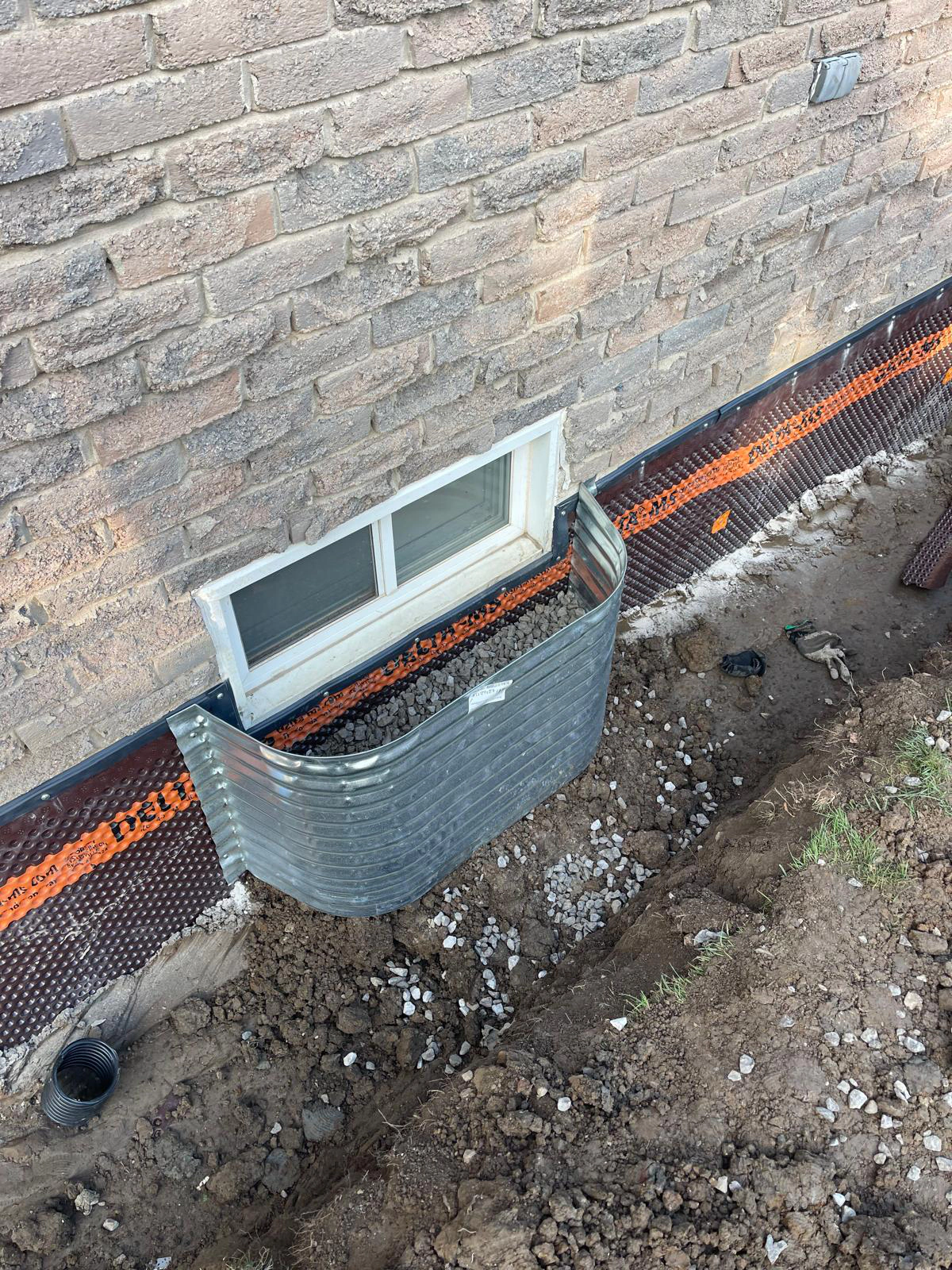
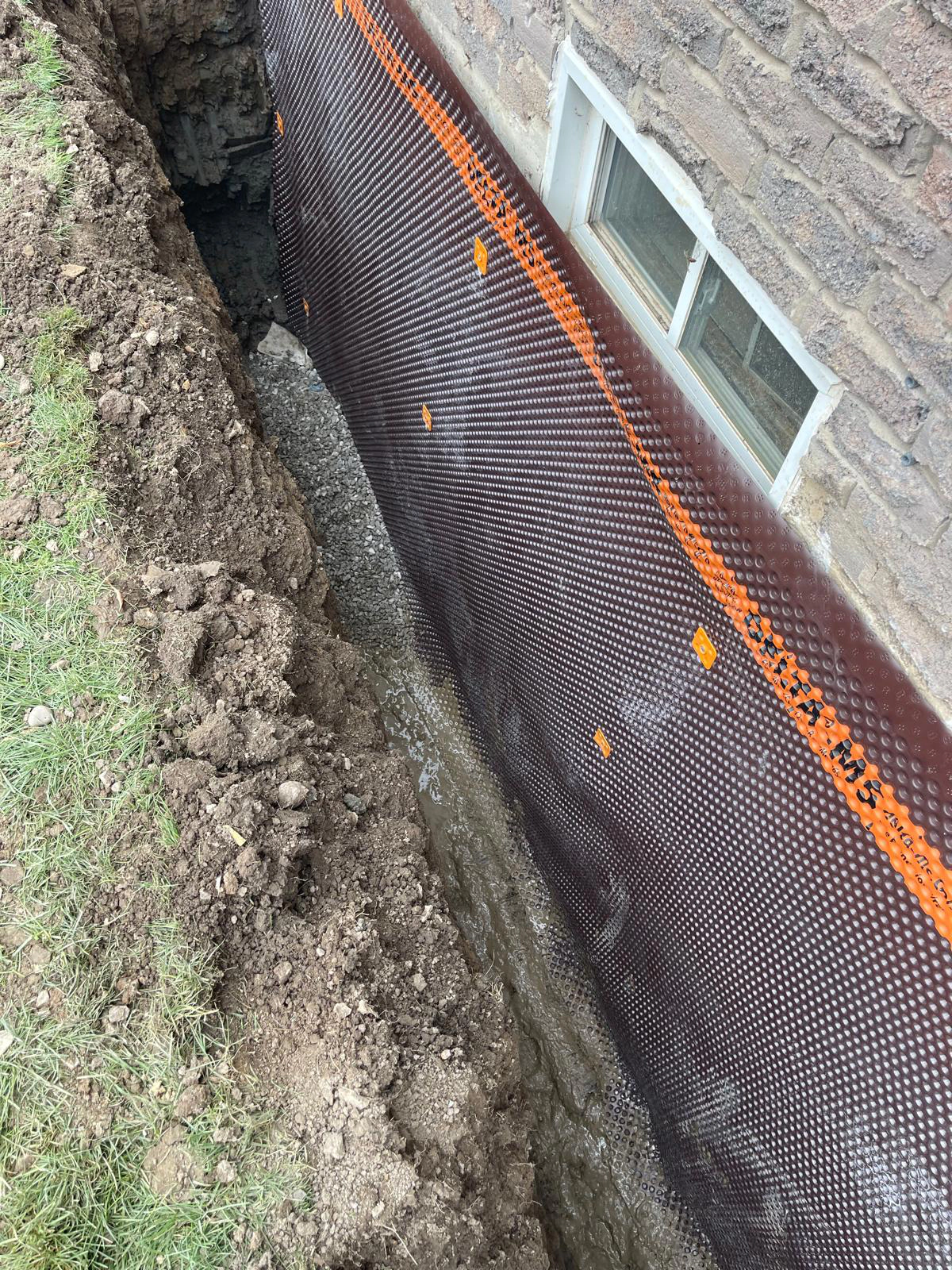
Exterior waterproofing puts a barrier on the side facing the water. Sheet membranes offer a manufactured thickness, while liquid-applied products form a coating on the prepared surface. Neither category is automatically better: the wall shape, substrate, detailing and installation conditions affect the choice.

Look beyond the broad area of wall. Seams, corners, pipe penetrations and the transition near the footing need compatible details. The membrane also needs the protection specified for backfilling. Damage during later work can compromise an otherwise suitable installation.
Henry’s technical information for its self-adhered foundation membrane, for example, calls for a prepared substrate and protection in below-grade applications. Those are system requirements, not optional extras. Ask the installer to identify the membrane, primer where required, protective layer and drainage arrangement in the quotation.
Interior drainage membranes
A drainage layer on the inside wall directs water toward a collection route. It should be considered with the perimeter drain and outlet, not purchased as a stand-alone wall covering. Interior waterproofing can make sense where neighbouring structures, access or landscaping constrain exterior excavation.
This approach may leave the foundation wet behind the drainage layer. It also relies on the collection and discharge components remaining functional. Where pumping is required, sump pump installation should be planned with suitable capacity, discharge, backup arrangements and future service access.
What is the best waterproofing paint for basement walls?
A masonry waterproofer is not the same as ordinary decorative wall paint. Some products are tested to resist water penetration under specified conditions. Their suitability still depends on the wall, exposure and preparation, so there is no single best waterproofing paint for basement walls in every basement.
Read the current technical data sheet, not just the front of the container. Confirm whether the product is intended for below-grade use, the permitted substrates, the required number of coats and the coverage. Spreading material too thinly to cover more wall does not reproduce the specified application.
Proper surface preparation is essential for effective bonding. Existing paint, surface condition and salt deposits can all affect how well a waterproofing product adheres. Preparation requirements and acceptable moisture conditions may vary depending on the manufacturer and product. Always follow the specific product instructions rather than combining recommendations from different products or assuming that applying a primer makes every existing coating suitable.

Recurring blistering, new leakage or loose masonry is a reason to investigate before recoating. Do not grind or scrape unknown old finishes without checking for hazardous materials, and do not work in standing water where electrical hazards may be present.
Sealants, cementitious coatings and crystalline treatments
The best waterproofing sealant for basement walls depends on what “sealant” means in the proposed repair. A joint sealant, crack-injection material and full-wall coating are not interchangeable. The product must suit the defect, surrounding material and any expected movement.
Foundation crack repair may address a suitable isolated leak without coating the whole wall. A crack that is widening, accompanied by displacement or associated with a bowed wall needs assessment beyond surface sealing. Flexible material alone does not establish that the foundation is structurally sound.
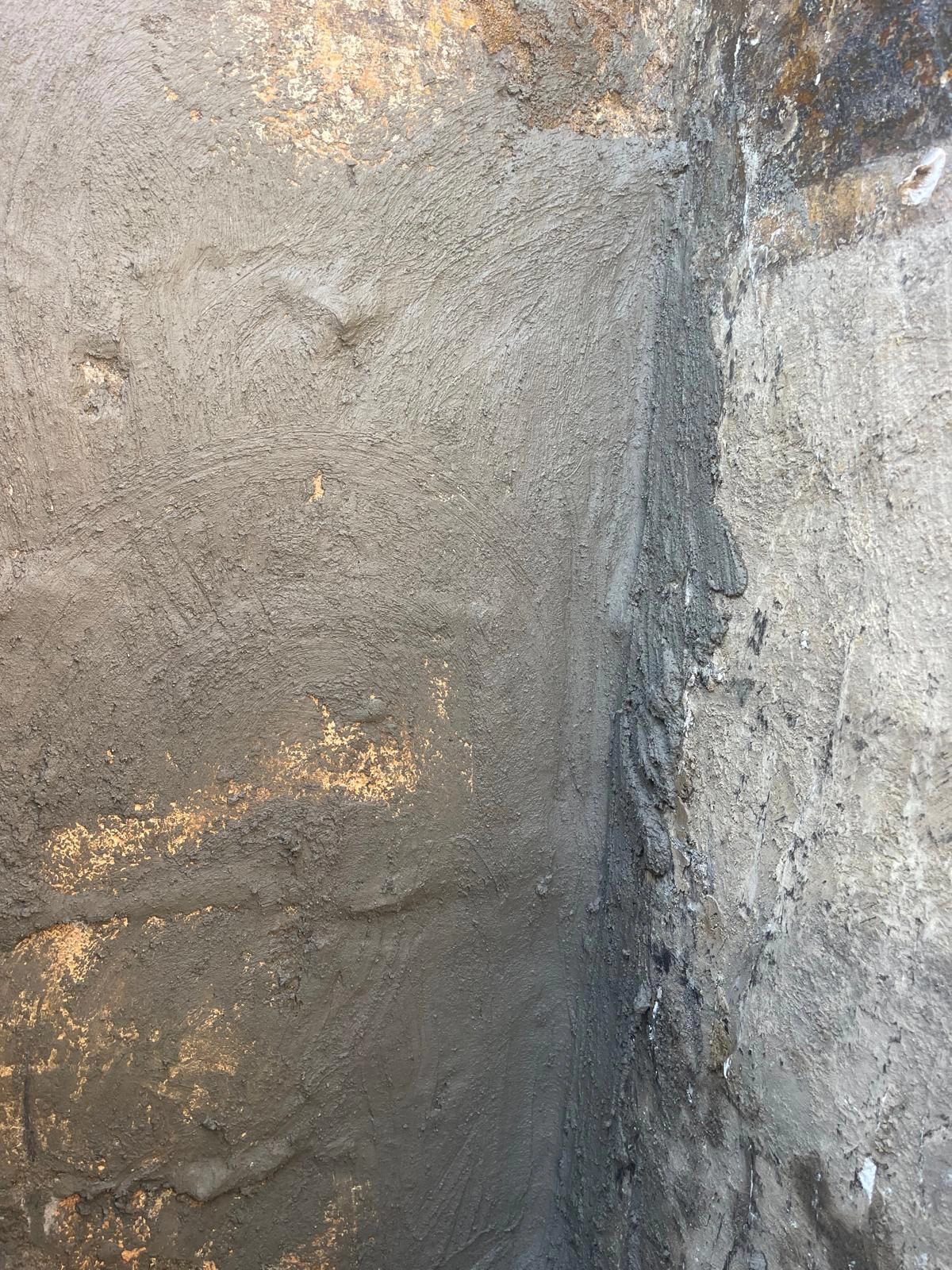
Cementitious waterproofing products use cement-based formulations, with performance varying by product. Crystalline treatments are another option for suitable cement-based substrates: they act within the concrete’s pores rather than relying solely on a surface film. Xypex describes products for positive- and negative-side applications, but joints, defects and preparation still require the specified treatment.
Do not extend a concrete product’s claims to every old brick or rubble-stone foundation. The best material for waterproofing basement walls must be compatible with the wall you actually have. Deteriorated mortar and irregular surfaces can change both the repair sequence and the suitable assembly, and may call for foundation parging or masonry repair first.
Compare a complete specification, not a product list
When comparing the best waterproofing products for basement walls, ask what each proposal includes and what remains outside its scope. A low material cost is not a comparison with excavation, drainage repairs and restoration included.
A complete specification should:
- Identify the wall material, water-entry route and areas included in the work.
- Name the products and explain why their intended use matches the conditions.
- Describe preparation, crack and joint treatment, drainage and discharge.
- Clarify removal and reinstatement of finishes or landscaping.
- Provide written warranty terms, exclusions and maintenance requirements.
For older masonry, compare the proposed approach with guidance specific to older foundations rather than a standard poured-concrete detail. Keep product information and photographs before the work is concealed so future repairs can account for what was installed.

Choose protection for the wall you have
A useful recommendation explains why the system fits your basement and what it will not address. Leaquida can assess wall leakage in Toronto and the GTA and help you compare targeted repairs, exterior protection and interior drainage before committing to a product or covering the wall.