Interior basement waterproofing manages water from inside the foundation, usually through a combination of targeted repairs, wall drainage and a perimeter drain connected to a suitable outlet. It can keep the usable basement space dry without excavating around the house. It does not automatically make the outside of the foundation watertight, and painting a wall is not the same as installing a drainage system.
For Toronto and GTA homeowners, the first decision is not which product to buy. It is whether the moisture comes from groundwater, a leaking pipe, surface runoff or condensation. That diagnosis determines whether an interior system, a smaller repair or a different approach makes sense. If you are still deciding whether an inside-only approach can work for your home at all, see our guide on whether you can waterproof a basement from the inside.
Start with the source, not the wet patch
Before deciding how to waterproof basement walls from inside, record when and where the moisture appears. A photograph during rainfall may tell a contractor more than a freshly painted wall. Note whether the leak follows heavy rain or snowmelt, appears around a pipe, or develops as droplets on a cold surface.
These patterns are the most common starting clues:
- Water at the wall–floor joint can indicate groundwater entering around the foundation base.
- A wet line following one crack calls for an assessment of that crack and the wall around it.
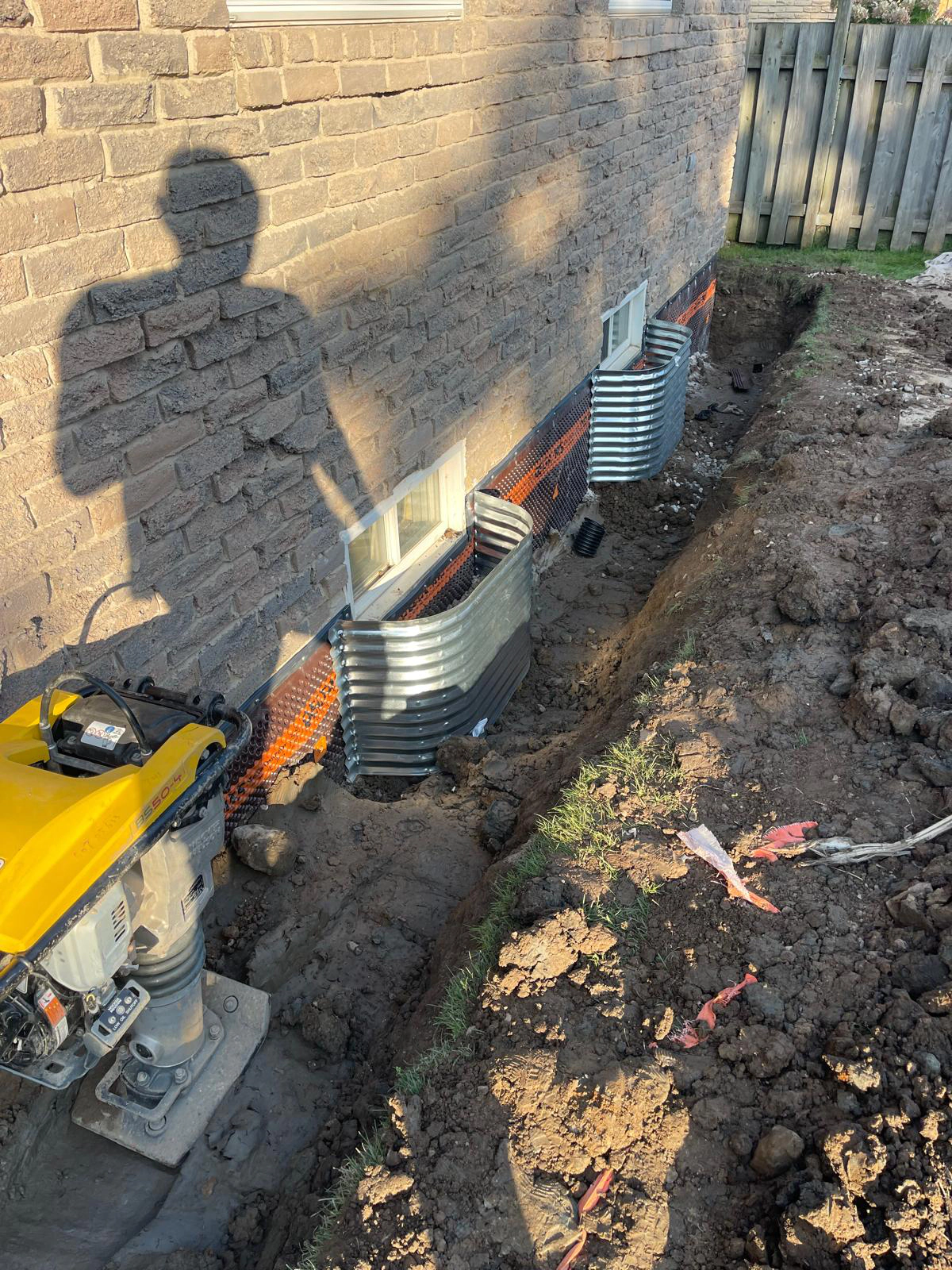
- Water below a window may involve the window well, drainage or exterior detailing.
- Widespread surface condensation requires humidity and temperature control, not simply a perimeter drain.
These are clues, not a diagnosis. Plumbing leaks, sewer backup and groundwater seepage need different responses. If the basement is flooded, stay out where electrical contact is possible and obtain professional help before attempting cleanup or inspection.
How does interior basement waterproofing work?
A drainage-based installation provides a controlled route for water that reaches the inside of the foundation. The components must work together: collecting water without a dependable outlet merely moves the problem.
Wall drainage directs seepage downward
Where appropriate, a drainage membrane is fitted to the interior foundation wall and connected to the collection system below. Water can travel behind this layer toward the drain rather than across the room. The membrane must be detailed around corners and penetrations to suit the installation.
This arrangement is different from coating the concrete to resist water penetration. Water may still enter or remain within the foundation wall. An interior drainage membrane is not evidence that exterior defects have been repaired, and it should not conceal an unresolved structural problem.
The perimeter drain collects water
A contractor installs a drainage channel or perforated pipe along the necessary basement perimeter, with the location and assembly selected for the foundation. This often involves opening part of the concrete floor. The drain carries collected water toward a sump basin or another approved discharge arrangement.
The route must account for existing services, the footing and access for future maintenance. A drain that is poorly connected, obstructed or unable to discharge cannot reliably manage incoming water. This is why interior waterproofing installation is more than a wall-finishing job.

The sump system removes collected water
In a pumped system, water enters the basin and a float switch activates the pump as the level rises. The discharge pipe carries it away from the building; a check valve helps prevent pumped water from returning. Pump capacity and the discharge route must suit the property.
Power failure, a blocked outlet or a stuck float can interrupt this process. Discuss backup power, a battery backup pump and an alarm as part of sump pump installation. The discharge line must not send water back toward the foundation or onto a neighbouring property, and local requirements need checking.
What happens during a professional installation?
The exact work varies between poured concrete, block and older masonry foundations. A written scope should explain which walls are included and how water will reach the outlet. A typical project follows this sequence:
- Assess the water source, foundation condition, access and drainage options.
- Plan the collection route and identify services or structural constraints before opening the floor.
- Prepare the work area and install the specified drainage components and basin.
- Connect wall drainage and any compatible, necessary leak repairs.
- Test water movement, pump operation and discharge, then restore the opened floor.
- Explain maintenance, access points, exclusions and the written warranty.
Ask who handles dust containment, debris removal and replacement of finishes. Cutting concrete can release hazardous silica dust, while opening a slab can expose utilities or affect nearby foundation elements. These are reasons to use qualified trades rather than copy a generic online trench detail.
DIY basement waterproofing: what can you reasonably do?
If you are researching how to do basement waterproofing yourself, focus first on observation and safe maintenance. A homeowner can help reduce water exposure and identify recurring symptoms without altering the foundation.
| Task | Reasonable homeowner role | When to involve a professional |
|---|---|---|
| Track leaks and humidity | Photograph accessible areas and keep a rain/snowmelt log. | The source is unclear, hidden or recurring. |
| Manage surface water | Keep accessible drainage routes clear and watch downspout discharge. | Grading, buried drainage or unsafe ladder work is needed. |
| Maintain an existing pump | Follow the manufacturer’s safe testing and cleaning instructions. | The pump fails, wiring needs changes or discharge is restricted. |
| Apply a wall coating | Only after diagnosis, on a suitable substrate, following the product instructions. | There is active seepage, movement, deteriorated masonry or uncertain old coatings. |
| Install a perimeter system | Prepare access and ask questions about the proposed design. | Floor cutting, excavation, drainage connections and electrical work belong with qualified trades. |
Do not scrape or grind unfamiliar old finishes without checking for hazardous materials. Avoid opening finished walls with suspected contamination merely to locate a leak. Large or concealed mould problems need assessment, and fixing the water source does not remove existing mould.
Why do coatings and crack fillers have limits?
Some interior waterproofing products resist water penetration under specified conditions. Their performance depends on the substrate, preparation, application thickness and the pressure they are designed to withstand. A product suitable for sound bare concrete may not suit painted blockwork or deteriorating mortar.
A coating cannot create a drainage outlet or correct a pump failure. Nor should it be expected to bridge ongoing movement unless the product and repair design specifically allow for it. Repeated blistering or renewed leakage is a reason to reassess the cause rather than add another coat.

A suitable isolated leak may be addressed through foundation crack repair instead of a full perimeter installation. However, the repair method must match the wall material and crack condition. Bowing, displacement or changing cracks need structural assessment before cosmetic sealing.
When is an interior approach not enough?
Does interior basement waterproofing work? Yes, when it is designed for the water problem and its collection and discharge components remain operational. It is particularly worth assessing where exterior access is constrained. That does not make it the correct answer for every wet basement.
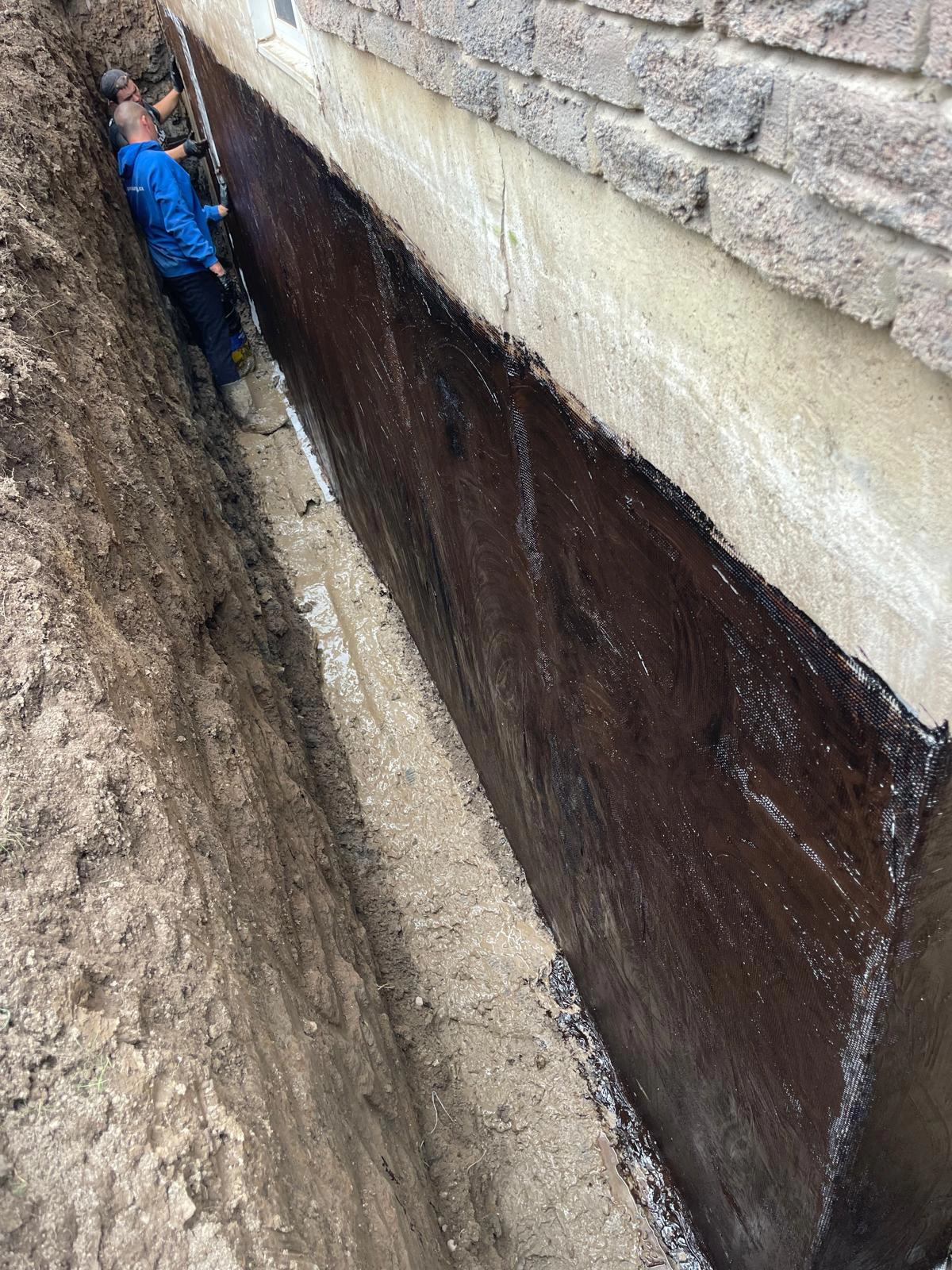
Exterior waterproofing may be more appropriate when the objective is to stop water reaching an accessible foundation wall from the soil side. Water entering over a window sill, backing up through plumbing or leaking from a supply pipe also needs its own remedy. No perimeter system promises protection against every flood scenario.
Choose the repair that matches the basement
Understanding how interior waterproofing works helps you compare complete systems rather than individual products. Leaquida can assess your Toronto or GTA basement and explain whether targeted repair, interior drainage or an exterior approach fits the observed problem. Request a written scope that makes the water route, restoration work and maintenance responsibilities clear.