A musty smell in the basement is moisture you can smell before you can see it. The odour comes from mould and mildew growing on damp materials — drywall paper, carpet underpad, wood, cardboard, dust — and from the damp itself. Air fresheners hide it for a day; the smell returns because the moisture is still there.
This guide explains why your basement smells musty, how to find where the smell is coming from, when it is a health concern, and how to get rid of it permanently. It covers dry-looking basements, finished basements and smells that appear suddenly or only in summer.
What Causes Musty Smell in a Basement?
What causes musty smell in a basement is almost always one of these, often more than one at a time:
- High humidity. Basements are cool, and cool air holds moisture close to saturation. Above roughly 60% relative humidity, mould and mildew grow on organic surfaces.
- Water getting in. Seepage through cracks, the floor–wall joint or window wells keeps concrete and nearby materials damp, even if you never see a puddle.
- Condensation. Warm, humid summer air condenses on cold concrete walls, slab and cold-water pipes.
- Hidden wet materials. Carpet on concrete, drywall touching the floor, insulation against a damp wall and boxes stored on the slab.
- Poor air movement. Closed storage rooms, corners behind furniture and spaces under stairs stay damp.
- Drain and sewer gases. A different, sharper smell — covered below.
Musty Smell in Basement: Is It Normal?
Is it normal for a basement to smell a little musty? Many older basements have a faint earthy smell, and it is common. But common is not the same as harmless. A noticeable musty smell in a basement means something is staying damp long enough for mould or mildew to grow. The sooner you find it, the smaller the cleanup.

My Basement Is Dry but Still Smells Musty
My basement is dry but still smells musty is one of the most common complaints we hear. “Dry” usually means no visible water. The moisture is still there, just hidden:
- Water vapour moving up through an unsealed slab or through block walls.
- Condensation behind a finished wall where warm air meets the cold foundation.
- A slow leak that wets the bottom plate and insulation and dries before anyone looks.
- Old water damage in carpet underpad or drywall that never fully dried.
- Humidity above 60% for weeks at a time in summer.
A hygrometer (about the price of a takeout meal) tells you the humidity, and a moisture meter tells you whether the bottom of the walls is damp.
Basement Smells Musty but No Mold?
Does a musty smell always mean mold? Not always, but often. Damp concrete, wet wood and old dust have their own earthy smell. Mildew — surface mould that grows on fabrics and paper — is often present before you see it, especially behind furniture and on the back of stored items. If the basement smells musty but no mold is visible, check the hidden places listed below before deciding there is none.
What is the difference in smell between mildew and mold? Mildew usually smells milder and earthier, like damp cloth. Established mould growth inside materials tends to smell stronger, sour and stale, and the smell persists after airing the room out. Smell alone cannot identify the species, so treat both as a moisture problem.
How to Find Where the Musty Smell Is Coming From
How to find where the musty smell is coming from: close the basement for a few hours, then walk in and follow your nose, room by room. Then check:
- Behind and under furniture placed against outside walls.
- The bottom 30 cm of drywall and the baseboards on exterior walls.
- Under carpet corners and the underpad.
- Inside storage rooms, closets and the space under the stairs.
- Around the sump pit, floor drain and laundry area.
- Window wells and basement window frames — see why basement windows get mouldy.
- Boxes, books and fabric stored on the floor.
Why Does My Finished Basement Smell Musty?
Why does my finished basement smell musty when it never did before it was finished? Finishing traps moisture. Drywall, insulation and carpet are installed against concrete that was damp in some seasons, and there is no longer air movement to dry it. Common culprits are a missing or failed vapour barrier, framing touching the concrete, carpet laid directly on the slab and small leaks that wet the bottom plate unseen. If the smell is strongest along exterior walls, the source is usually the foundation — our guide on finding the source of a basement leak explains how to check without tearing out every wall.
Why Does My Basement Smell Musty in the Summer?
Why does my basement smell musty in the summer? Outdoor air in a Toronto summer is warm and humid. When it enters a cool basement it cools down and its relative humidity rises — often above 70% — and moisture condenses on walls, floors and pipes. Opening basement windows in July often makes this worse, not better. A dehumidifier and closed windows during humid weather usually solve summer-only smells.
Why Does My Basement Smell Musty All of a Sudden?
Why does my basement smell musty all of a sudden? A sudden change usually has a recent cause: a leak after a heavy storm, a sump pump that failed, a dehumidifier that stopped or filled up, a plumbing leak, a dried-out floor drain or a new rug laid on the slab. Check those first, especially after rain.

Why Does My Basement Occasionally Smell Like Sewer?
Why does my basement occasionally smell like sewer? That rotten-egg smell is sewer gas, not mould. The most common causes are:
- A floor drain trap that has dried out — pour a litre of water into it every few weeks.
- A missing or loose cleanout cap on the drain stack.
- A failed wax ring under a basement toilet.
- A cracked drain pipe or a sewer backup during storms.
Our article on drain smells and how to fix them covers these in detail. If sewer water backs up into the basement, a backwater valve protects it from future backups.
Is a Musty Smell Unhealthy?
Is a musty smell unhealthy? The smell itself comes from compounds released by mould and from damp materials. Health Canada advises that mould and dampness in homes can cause or worsen respiratory symptoms, allergies and asthma, especially in children, older adults and people with lung conditions. The practical advice is the same: find the moisture, remove mould and dry the space.
Health Canada also gives a useful size guide: you can generally clean small and medium areas of mould yourself (up to about 3 m², or 32 sq ft), while larger areas should be handled by professionals.
How to Get Rid of Musty Smell in Basement
How to get rid of musty smell in basement permanently is a sequence, not a spray.
- Stop the water. Fix leaks, clear window well drains, extend downspouts and repair cracks. Without this, nothing else lasts.
- Lower the humidity. Keep relative humidity between 30% and 50%, the range Health Canada recommends, with a dehumidifier drained to the floor drain or sump.
- Remove what cannot be cleaned. Mouldy carpet, underpad, drywall, ceiling tiles and cardboard go to the garbage.
- Clean hard surfaces. Wash concrete and other hard surfaces with water and dish soap, then dry them completely.
- Improve air movement. Open closets and storage rooms, keep furniture a few centimetres off exterior walls and run the furnace fan.
- Store smarter. Use plastic bins on shelves, not cardboard boxes on the floor.
Will a dehumidifier get rid of musty smell in basement?
Will a dehumidifier get rid of musty smell in basement? It will if humidity is the cause, and it is part of the fix in almost every case. It will not if water is coming through the walls or floor; the dehumidifier then runs nonstop while the source continues.
Do air purifiers help with musty smells?
Do air purifiers help with musty smells? An air purifier with a HEPA filter can capture airborne spores and dust, and one with activated carbon reduces odour. Neither removes mould growing on a surface or the moisture feeding it, so they are a supplement, not a solution.
What will take the musty smell out of a basement?
What will take the musty smell out of a basement once the moisture is fixed? Thorough cleaning, removing mouldy materials, drying everything and steady low humidity. Baking soda and activated charcoal can absorb the remaining odour in closed rooms. Avoid ozone generators: Health Canada and the U.S. EPA warn that ozone can irritate the lungs and does not remove the cause.
Will Musty Smell Go Away on Its Own?
Will musty smell go away on its own? Only if the moisture that caused it disappears on its own — for example, after one humid week that is followed by dry weather. A smell that lasts weeks, returns every summer or gets stronger after rain will not go away until the source is fixed.
How to Get Rid of Dampness in Basement for Good
How to get rid of dampness in basement areas long term usually means dealing with the water at the foundation:
- Foundation crack repair for leaking cracks.
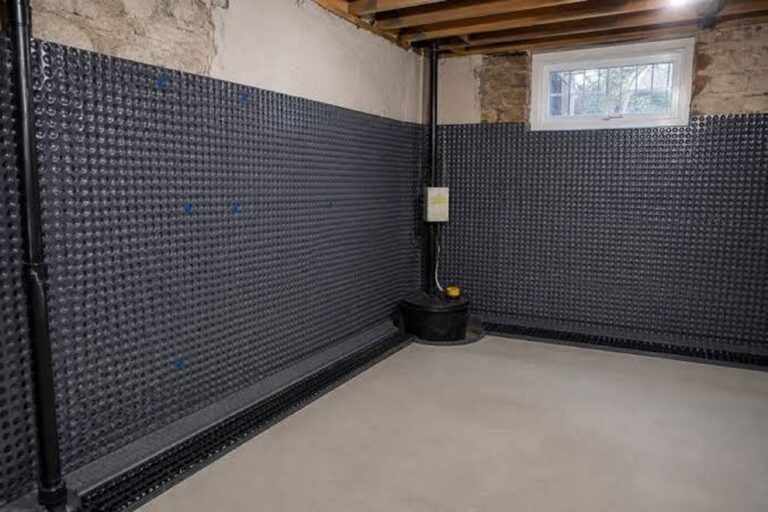
- Interior waterproofing with a perimeter drain and sump pump for seepage at the floor–wall joint.
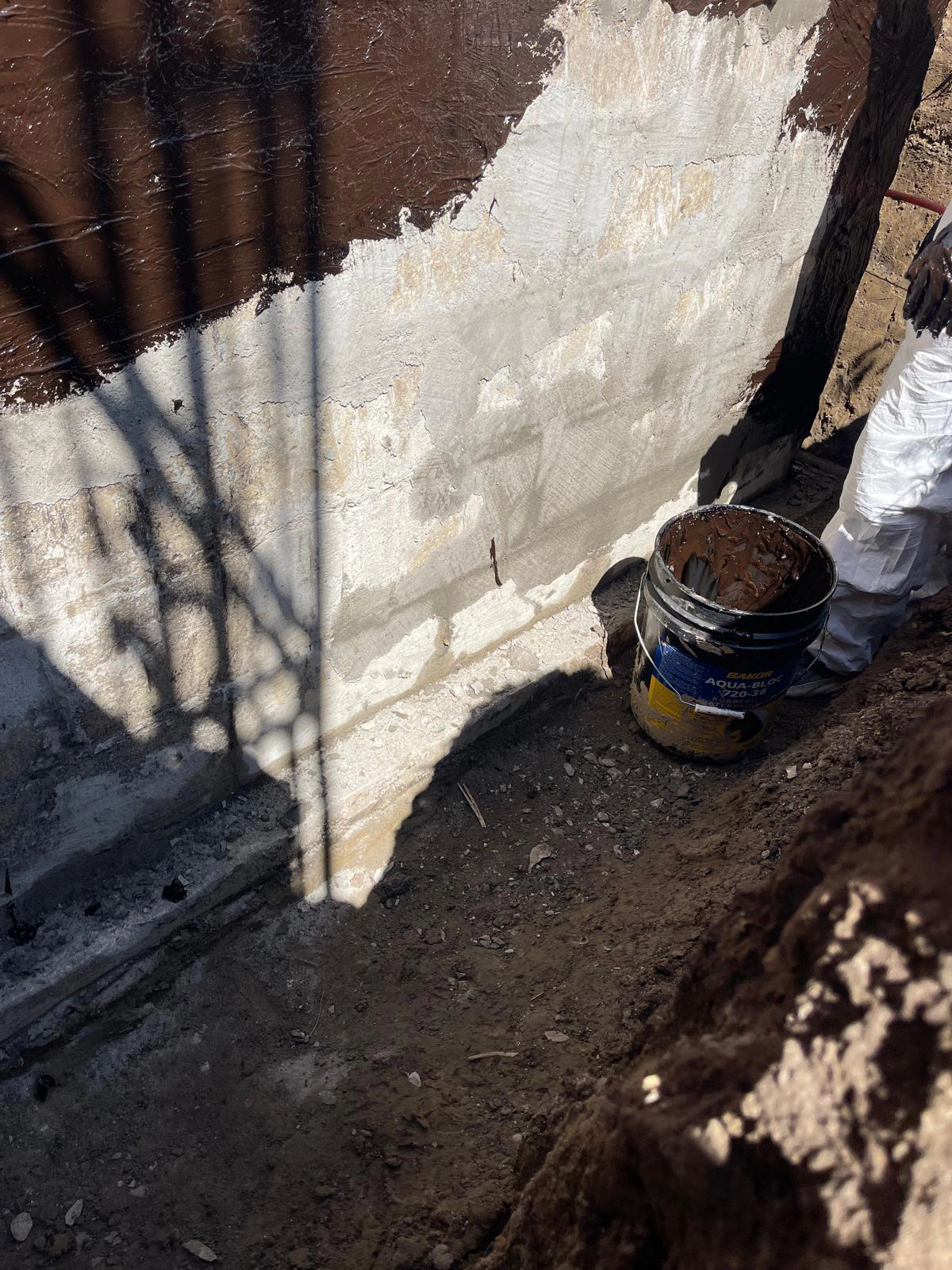
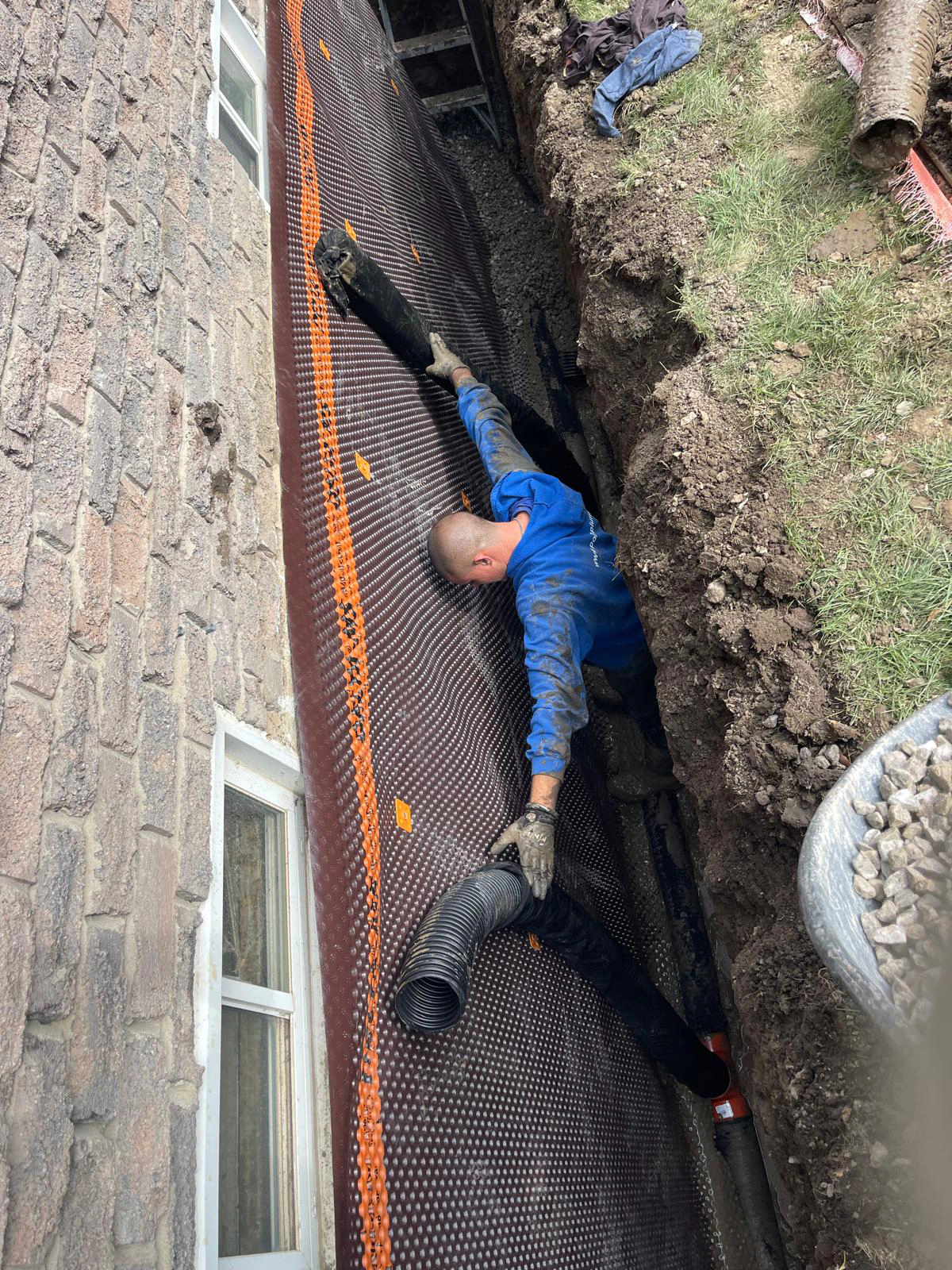
- Exterior waterproofing when walls are damp from outside.
- Window well waterproofing for leaks below windows.
- Wet basement repair when several problems combine.
Waterproofing removes the moisture source, but it does not remove existing mould by itself — read can basement waterproofing stop mould to see what else is needed. Leaquida inspects damp, musty basements across Toronto and the GTA for free.