Choosing the right time for basement waterproofing can make a difference in how smoothly the work is completed. In Toronto, changing temperatures, seasonal rainfall, snowmelt and frozen ground can all affect the conditions around a home’s foundation.
The best time of year to waterproof a basement depends on the type of work required, the condition of the property and the weather. Exterior projects generally benefit from warmer conditions and workable soil, while many interior waterproofing solutions can be installed throughout the year.
Understanding the advantages and limitations of each season helps homeowners plan repairs before moisture problems become more serious.
What Is the Best Season for Basement Waterproofing in Toronto?
Each season offers different conditions for waterproofing. Spring and fall can bring increased moisture around foundations, summer generally provides more predictable conditions for excavation, and winter may limit certain exterior projects.
The following table compares the main considerations for each season.
| Season | Advantages | Potential limitations | Suitable work |
|---|---|---|---|
| Spring | Opportunity to address damage caused by snowmelt and winter weather | Wet soil, rainfall and high contractor demand | Interior drainage, crack repair, suitable exterior projects |
| Summer | Warmer temperatures and generally more workable ground | High demand and occasional extreme heat or rainfall | Exterior excavation, foundation membranes, drainage |
| Fall | Opportunity to prepare the foundation before winter | Shorter working window and changing temperatures | Exterior waterproofing, crack repair, drainage improvements |
| Winter | Indoor work can continue without waiting for warmer weather | Frozen ground and temperature restrictions on some materials | Interior drainage, sump pumps, suitable crack injection |
The right choice depends on the specific project. Here is what homeowners should consider during each season.
Basement Waterproofing in Spring
Spring is an important time to inspect a basement because melting snow and seasonal rainfall can reveal weaknesses in the foundation or drainage system. Water that accumulated around the property during winter may begin entering through cracks, joints or other vulnerable areas.
Basement waterproofing in spring can help homeowners address problems identified after the colder months. However, exterior excavation may be delayed when the ground is saturated or weather conditions are unsuitable.
Before arranging work, check for:
- Water stains along foundation walls
- Damp basement floors
- New or worsening foundation cracks
- Water collecting near the house
- Blocked gutters and downspouts
- Problems with the existing drainage system
Spring is also a useful time to assess whether winter conditions have affected existing waterproofing materials. If exterior work cannot be completed immediately, interior solutions may help manage water intrusion while waiting for suitable ground conditions.
Basement Waterproofing in Summer
Summer is often a convenient period for exterior waterproofing in Toronto. Warmer temperatures and generally more workable soil can make excavation, foundation preparation and membrane installation easier to organize.
Basement waterproofing in summer is particularly suitable for projects that require access to the outside of the foundation. Longer daylight hours can also help contractors maintain a more predictable work schedule.
Typical summer projects include:
- Excavating around foundation walls
- Removing old or damaged waterproofing materials
- Applying exterior waterproofing membranes
- Installing drainage boards
- Repairing foundation cracks
- Improving drainage around the property
However, summer is also a busy period for waterproofing contractors. Homeowners should not assume that immediate availability will always be possible. Heavy rainfall and extreme heat can also affect scheduling and material application.

Basement Waterproofing in Fall
Fall provides an opportunity to address foundation and drainage problems before freezing temperatures arrive. It is particularly relevant for homeowners who have noticed leaks during summer storms or recurring moisture throughout the year.
Basement waterproofing in fall can help prepare a property for winter by addressing vulnerable areas before the ground freezes.
Important tasks to consider include:
- Inspecting foundation walls for cracks
- Repairing existing water entry points
- Checking exterior drainage
- Cleaning gutters and downspouts
- Inspecting window wells
- Testing the sump pump system
- Identifying areas where water collects near the foundation
The main limitation is the changing weather. As temperatures decrease, some exterior waterproofing products may become more difficult to apply, and excavation can become less practical as the ground gets colder.
For this reason, fall projects should be planned early rather than left until the first frost.
Basement Waterproofing in Winter
Winter does not mean that every waterproofing project must stop. Although frozen ground can make exterior excavation difficult, many interior solutions can still be installed under suitable indoor conditions.
Basement waterproofing in winter may involve:
- Interior drainage system installation
- Sump pump installation or replacement
- Suitable foundation crack injection
- Interior moisture management
- Inspection of existing drainage equipment
Exterior excavation and membrane application are more dependent on soil conditions, product temperature requirements and the contractor’s ability to prepare the foundation correctly.
If water enters the basement during winter, homeowners should not simply wait until spring. The immediate source of the problem should be assessed, and appropriate measures should be taken to control water intrusion.
What Temperature Is Suitable for Basement Waterproofing?
Temperature is an important consideration, particularly for exterior waterproofing. Different membranes, coatings, adhesives and sealants have their own application requirements. There is no single temperature that applies to every waterproofing product.
The temperature for basement waterproofing should be determined according to the manufacturer’s instructions and the conditions at the actual work site.
Factors that contractors need to consider include:
- Air temperature during application
- Temperature of the concrete surface
- Ground temperature around the foundation
- Rainfall and surface moisture
- Humidity and drying conditions
- Expected temperatures during curing
Applying a product outside its recommended temperature range can affect adhesion, curing and overall performance.

For example, some materials require a dry surface and temperatures above a specified minimum. Others may have formulations designed for colder conditions. The contractor should select products that are suitable for the actual weather rather than relying only on the calendar.
What Is the Best Month to Schedule Basement Waterproofing?
There is no universal month that works best for every property in Toronto. The ideal timing depends on the type of waterproofing, the condition of the soil, contractor availability and the expected weather.
For many exterior projects, late spring, summer and early fall provide practical opportunities because the ground is generally more suitable for excavation.
When choosing the best month to waterproof a basement, consider the following:
- May and June: Suitable conditions may become available for exterior work as the ground dries after spring snowmelt.
- July and August: Often convenient for excavation and exterior membrane installation, subject to heat and rainfall.
- September and October: Can provide an opportunity to complete repairs before winter, although colder weather may shorten the working window.
- November to March: Exterior projects may face restrictions due to frozen ground, while suitable interior work can continue.
These are general planning periods rather than guaranteed construction windows. Actual conditions can vary from one year to another, so a site inspection is more useful than choosing a month based on the calendar alone.
Can You Wait Until the Weather Gets Warmer to Waterproof Your Basement?
Waiting for warmer weather may be reasonable when the problem is minor, there is no active water intrusion, and an inspection confirms that immediate work is not necessary.
However, delaying repairs is not always a good decision. Water entering through foundation cracks or accumulating around the house can cause further problems regardless of the season.
Do not postpone an assessment if you notice:
- Repeated basement leaks
- Water entering through foundation cracks
- Persistent dampness or mould
- Water collecting against exterior foundation walls
- A sump pump that is not working correctly
- Increasing cracks or visible foundation movement
If exterior excavation is not possible, a contractor may recommend an appropriate interior solution or temporary measures to manage the water until conditions improve.
The important distinction is between postponing a particular type of work and ignoring an active moisture problem. The first may be necessary because of weather conditions; the second can increase the risk of further damage.
How Far in Advance Should You Schedule Basement Waterproofing?
Planning ahead gives homeowners more flexibility when choosing a contractor and arranging the work around suitable weather conditions.
The right lead time depends on the project’s size, complexity and the season. Larger exterior projects may require additional preparation, excavation planning, material arrangements and coordination with other contractors.
If you are planning waterproofing work, consider these steps:
- Arrange an inspection: Identify where water is entering and whether the issue involves the foundation, drainage or another source.
- Determine the repair method: Establish whether the project requires exterior excavation, interior drainage, crack injection or a combination of solutions.
- Discuss seasonal restrictions: Ask which materials and installation methods are suitable for the expected weather.
- Request a detailed estimate: Understand the work involved, preparation requirements and expected schedule.
- Book before peak demand: Spring and summer can be busy periods, so contacting contractors early can provide more scheduling options.
Deciding when to schedule basement waterproofing should be based on the condition of the property and the work required, not just the season. If the basement is already leaking, arrange an assessment as soon as possible.
Does the Type of Waterproofing Work Affect the Best Time of Year?
Yes. Exterior and interior waterproofing projects have different installation requirements, which means they do not necessarily need to be scheduled during the same season.
The main difference is whether the work requires excavation and access to the outside of the foundation.
Exterior Basement Waterproofing
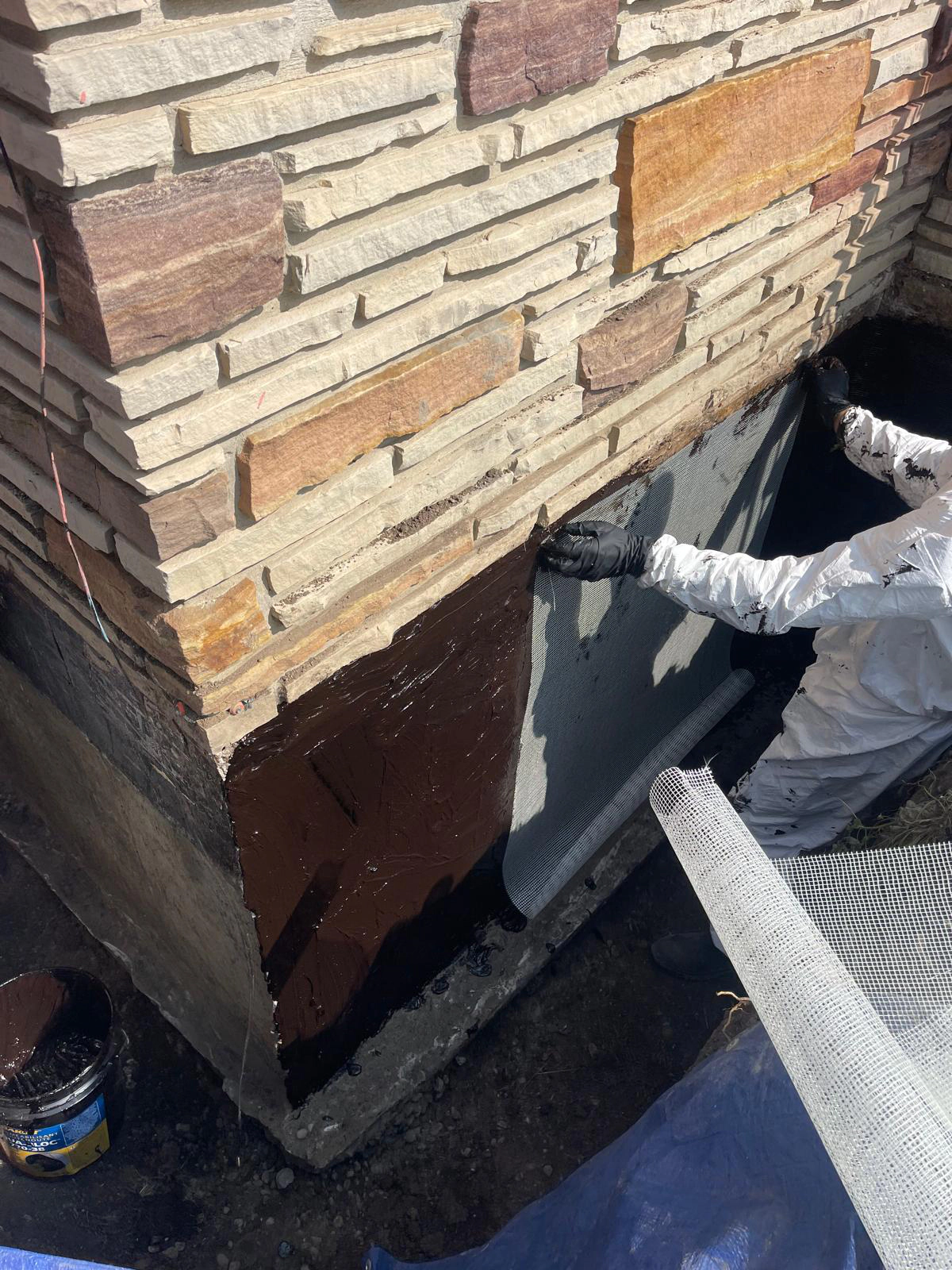
Exterior waterproofing involves exposing foundation walls and applying protective materials to reduce water penetration from the surrounding soil.
Typical work may include:
- Excavation around the foundation
- Cleaning and preparing concrete surfaces
- Repairing cracks and damaged areas
- Applying waterproofing membranes
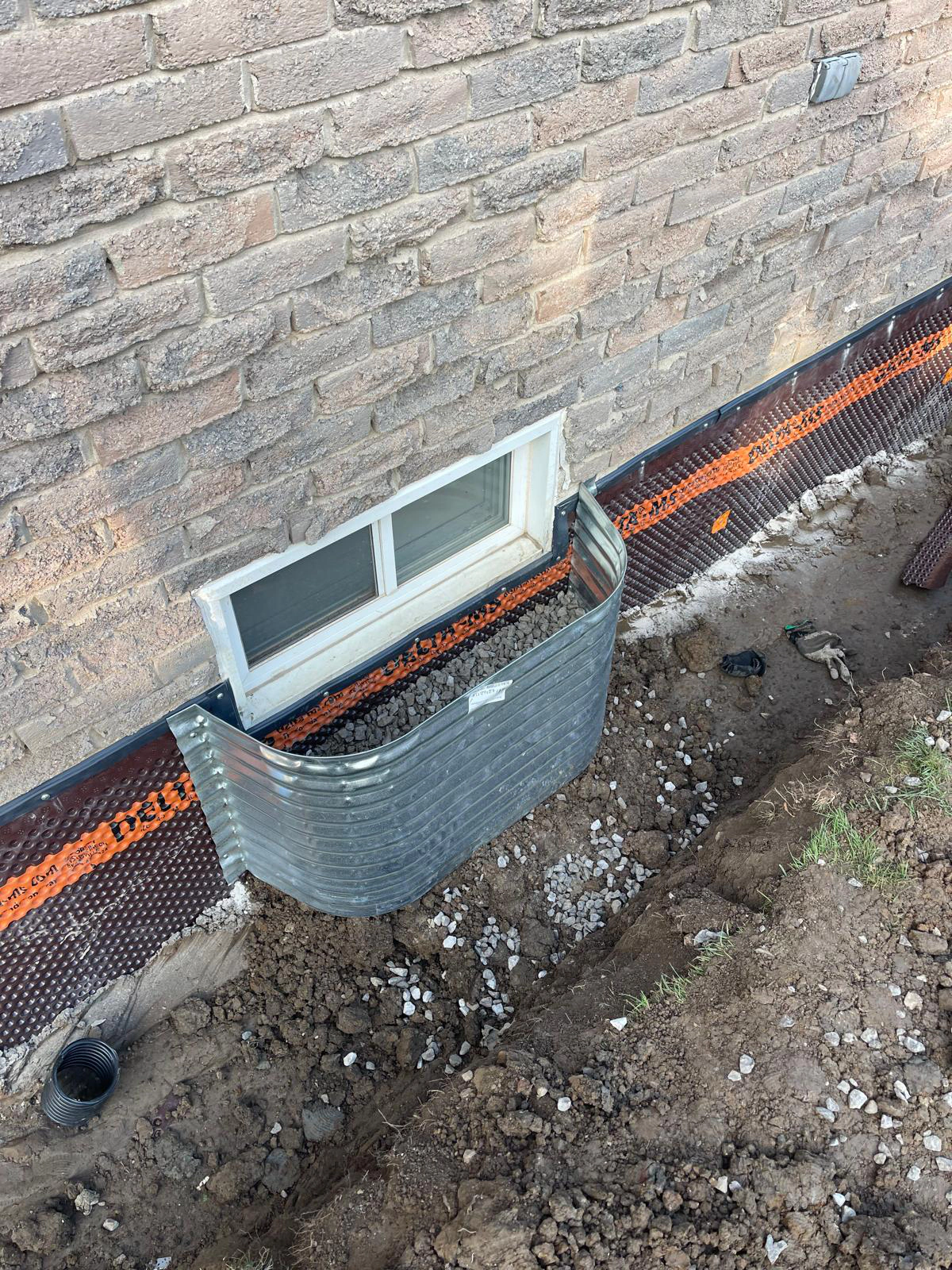
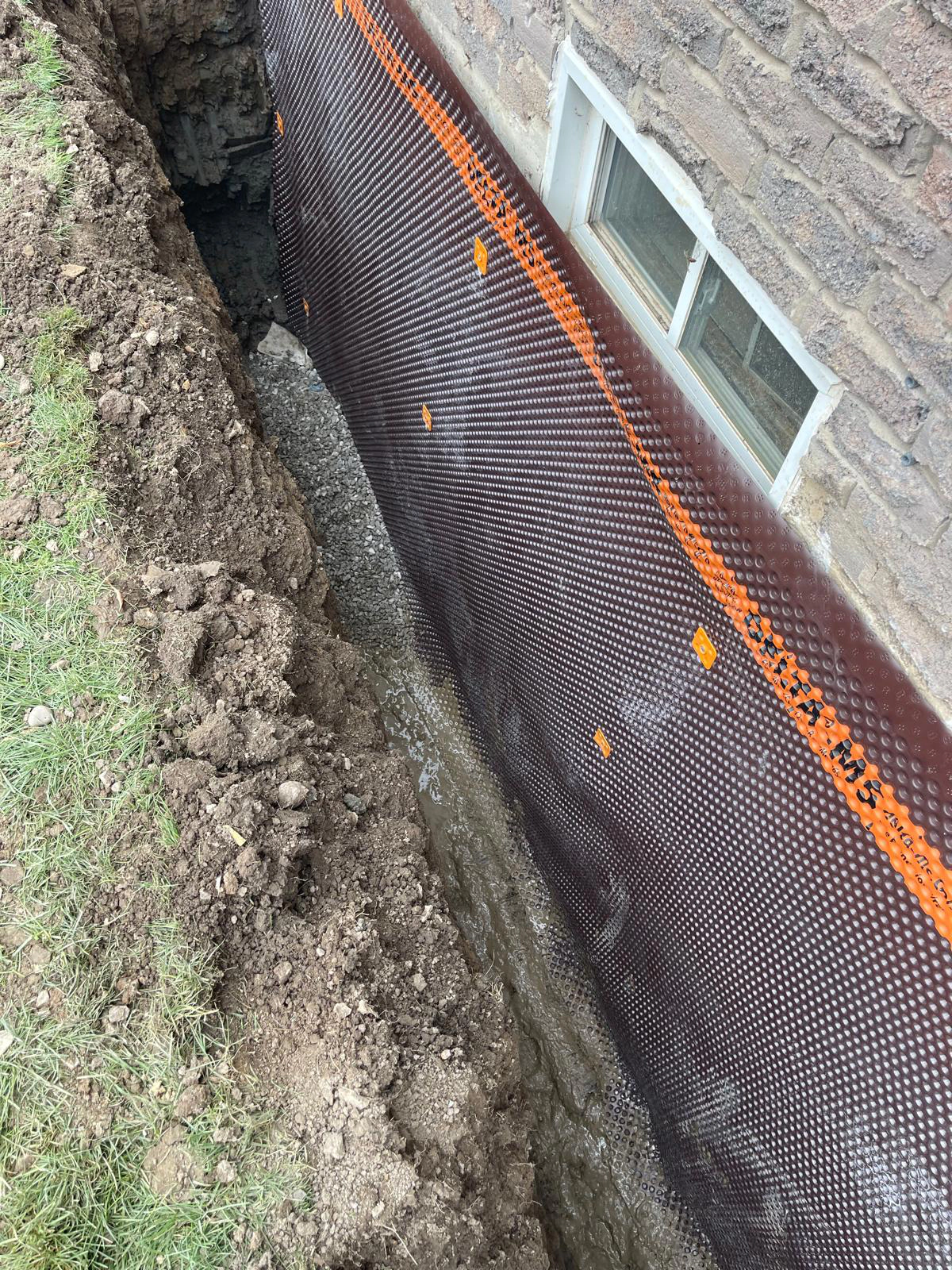
- Installing drainage boards
- Improving foundation drainage, including weeping tile
- Backfilling the excavated area
Because these projects involve working with soil and exterior materials, warmer periods with suitable ground conditions are generally more convenient.

For properties experiencing recurring water intrusion through foundation walls, exterior waterproofing may provide an appropriate solution. The exact installation schedule will depend on the weather, soil conditions and selected materials.
Interior Basement Waterproofing
Interior waterproofing focuses on managing water that enters the basement and directing it toward an appropriate drainage system. Unlike exterior excavation, many interior projects can be completed throughout the year.
Common solutions include:
- Interior drainage systems
- Sump pump installation
- Crack injection
- Interior moisture management
- Drainage improvements beneath the basement floor
For example, interior basement waterproofing can be considered when water enters through foundation walls or floor–wall joints and needs to be collected and redirected.
A properly selected sump pump installation can also help remove collected water and reduce the risk of basement flooding, particularly during periods of heavy precipitation and snowmelt.
Homeowners considering basement waterproofing should first establish where the moisture originates. The appropriate method and installation season depend on the property’s condition, drainage requirements and the type of work involved.
Ultimately, there is no single season that is best for every basement. Summer and early fall are often practical periods for exterior projects, while many interior solutions remain available throughout the year. Planning around weather conditions, material requirements and the source of water intrusion helps homeowners choose the right time to protect their basement.