
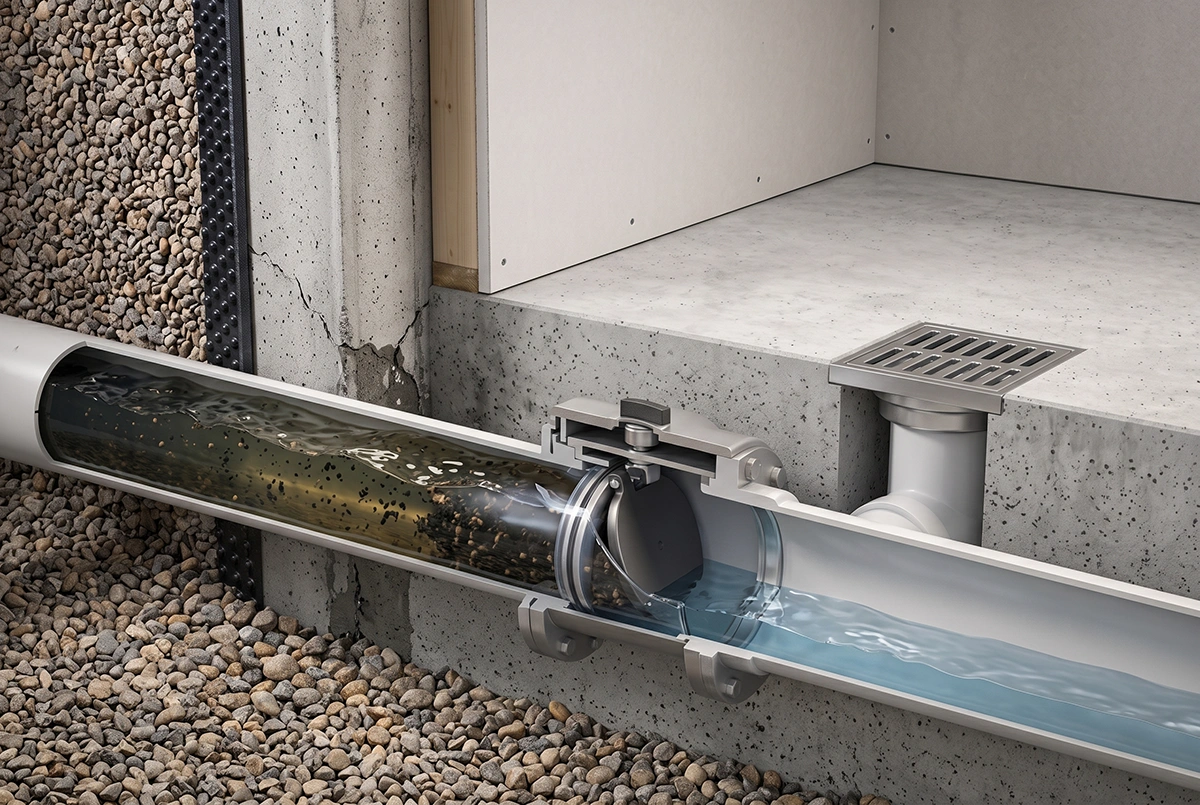
Not every home needs the same sewer protection. A backwater valve is worth assessing when sewage could rise through low plumbing fixtures, especially in a basement. The decision depends on drainage layout, fixture elevations, local requirements and previous flooding, rather than the age of the house alone.
It protects against reverse flow in the connected drain. It does not seal foundation cracks or keep every kind of floodwater outside, so identifying the source of past basement flooding comes first.
What Is a Backwater Valve and How Does It Work?
What is a backwater valve in practical terms? It is a device fitted into a drainage pipe that allows wastewater to leave and closes against reverse flow. Many residential models have a normally open flap that rises when water backs up from the municipal sewer.
A mainline backwater valve sits in the main sewer line serving the connected fixtures. Its position determines what is protected. When closed, it also restricts outgoing drainage: water used inside the house can accumulate behind it. An alarm can help occupants recognize closure and stop using connected fixtures.
When Does a Home Need a Backwater Valve?
Ask a licensed plumber to assess sewer backup risk if:
- Sewage has previously entered through a basement toilet or floor drain.
- Nearby properties experience backups during heavy rain.
- You are adding basement fixtures or renovating a lower level.
- You cannot confirm the existing protection or drainage layout.
Low fixtures can provide an escape route for backed-up sewage. A blocked private sewer line can also cause a backup, however, and installing a valve does not clear that blockage. Leaquida’s guide to signs your home may need a backwater valve offers a starting point for the inspection.
Are backwater valves a good idea?
Yes, when the plumbing system and risk assessment support installation. A sewer backwater valve can reduce damage from reverse flow, but it needs correct placement and maintenance. Existing protection, fixture elevations and applicable plumbing requirements should determine the recommendation. A dry basement today does not establish its future risk.
How to Know If Your Home Already Has a Backwater Valve?
Check permit records, previous invoices and the home inspection report. Look for an accessible cover in the basement floor along the building drain, often near where it leaves the house. Keep valve access clear of flooring and stored items.
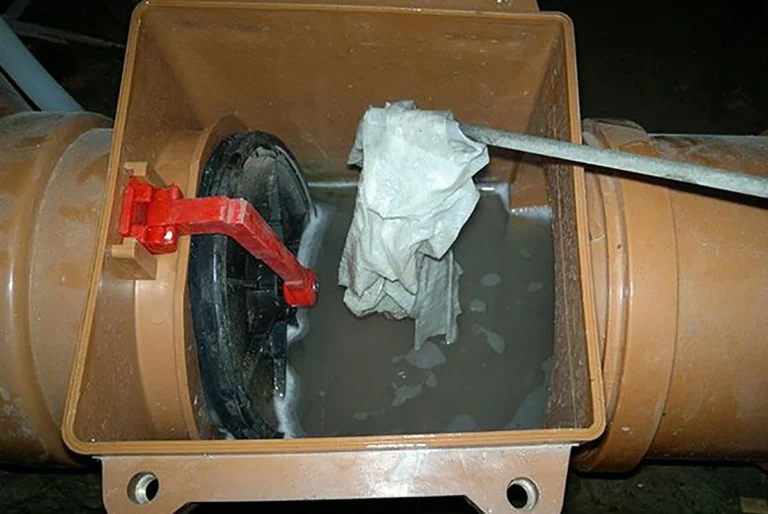
What does a backwater valve look like? Many models have a plastic body and a removable inspection cover over a flap. Some have transparent lids. A cleanout cap or sump cover can look similar from above; have a plumber confirm the device and protected fixtures.
Backwater Valve vs Backflow Preventer
These terms sometimes overlap in everyday conversation. Identify the pipe and intended protection before ordering equipment or comparing quotes.
What is the difference between a backwater valve and a backflow preventer?
A drainage backwater valve limits sewage flowing back toward fixtures. A potable-water backflow preventer protects the drinking-water supply against reverse flow and contamination. They serve different systems and cannot simply replace one another.
| Device | Where it works | Main purpose |
|---|---|---|
| Drainage backwater valve | Building drain or branch | Restricts reverse sewage flow |
| Potable-water backflow preventer | Water supply piping | Protects drinking-water quality |
| Sump discharge check valve | Pump discharge pipe | Limits water returning to the sump |
Is a backwater valve just a check valve?
It applies a one-way flow principle, but a generic check valve is not automatically suitable for building drainage. A backwater check valve must be approved for its application and installed to its instructions and local requirements. Drainage ventilation, flow capacity and service access affect the choice.
Backwater Valve and Sump Pump
A sump pump removes water collected in a sump pit, often from foundation drainage. A backwater valve restricts reverse sewage flow. A property exposed to both groundwater and sewer surcharge may need both, with an appropriate discharge arrangement.
| Water problem | Measure to assess | What it will not fix |
|---|---|---|
| Sewage backing through fixtures | Backwater valve | Groundwater through walls |
| Water accumulating below the slab | Sump and drainage | Reverse sewer flow |
| Runoff pooling beside the house | Grading and drainage | A blocked sanitary pipe |
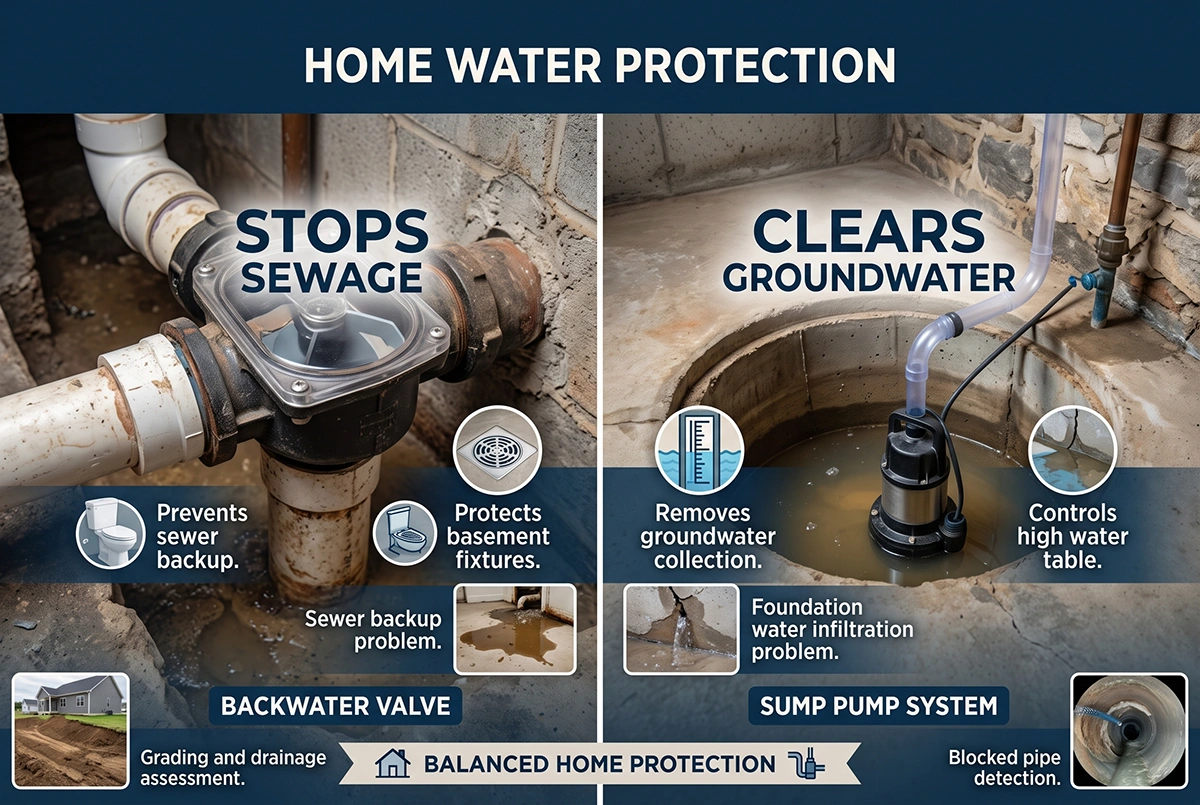
Can you have a backwater valve without a sump pump?
Yes. They address different problems, and neither automatically requires the other. Compare sump pump installation if groundwater collects below the slab. Recurring wall-floor seepage may need interior waterproofing; surface runoff may justify a French drain assessment. Each requires diagnosis and a suitable outlet.
What to Check Before Backwater Valve Installation?
Assessment starts by locating the drain and checking its condition, slope and connections. The plumber identifies which fixtures need protection and whether the proposed position will allow proper drainage. A plan should also show how the cover will remain accessible after the floor is restored, without being hidden beneath permanent finishes.
Leaquida’s backwater valve installation service explains the work involved in a retrofit. Its project planning guide can help homeowners discuss access, permits and restoration. Before agreeing to changes, ask which fixtures the proposed valve will protect and how occupants will know when it closes.
Toronto requires a building permit for installation. Check the City’s current subsidy requirements before arranging eligible work. Keep permit records and inspection information accessible for future maintenance or renovations. Eligibility depends on the program rules and property, so confirm the applicable conditions directly with the City before proceeding.
When to Consider Professional Installation
Get professional advice before cutting a drain, adding basement fixtures or covering an existing valve. Incorrect placement can leave fixtures unprotected or obstruct drainage. For an existing residential backwater valve, request inspection if the cover is inaccessible, the flap sticks or backups continue. Keep the model details, permit record and maintenance instructions together.

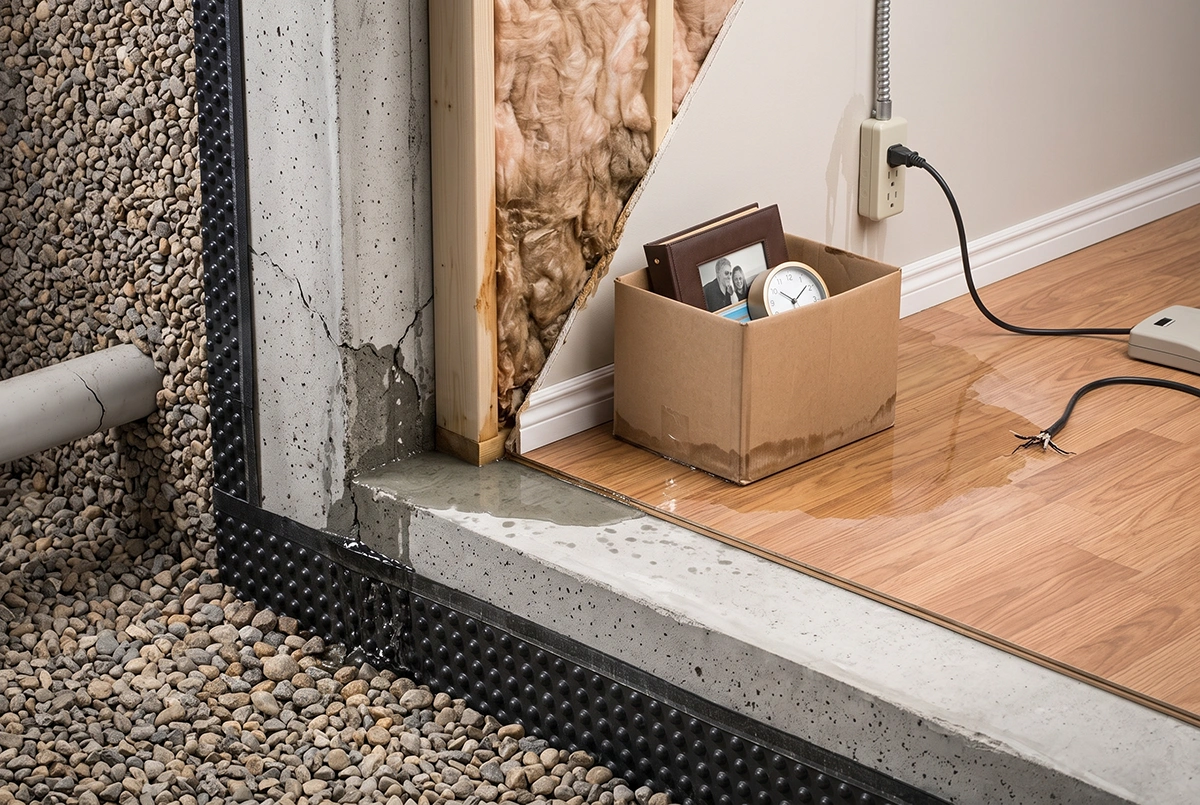
 CLOGGED OR BROKEN WEEPING TILE