Water on the basement floor creates panic, and panic leads to the two most common mistakes: wading in before the power is off, and pumping water out before anyone has photographed the damage. The first hour matters, but it should be spent in the right order.
This guide covers basement flooding: what to do in the first hours and days, who to call, how to dry the basement properly and how to stop the same thing happening again. It is written for homeowners in Toronto and the GTA.
Basement Flooding Emergency: Act in This Order
In a basement flooding emergency, follow five actions in this order: make it safe, stop the water, document, call the right people, then remove water and dry. Skipping ahead — especially to cleanup — puts you at risk and can weaken an insurance claim.
Action 1: Make the Basement Safe Before You Go In
Electricity and water are the main danger.
- Do not enter if water is near outlets, extension cords, the furnace, the water heater or the electrical panel.
- If you can reach the main breaker from a dry area, switch it off. If you cannot, call Toronto Hydro (or your local utility) to disconnect power.
- If you smell gas, leave the house and call your gas utility or 911 from outside.
- Wear rubber boots and gloves. Treat floodwater as contaminated, especially if it came up through the floor drain or toilet.
- Keep children and pets out of the basement.
Action 2: Stop the Water If You Safely Can
How to stop basement flooding depends on where the water comes from:
| Where the water comes from | What you can do right now |
|---|---|
| Burst or leaking pipe | Close the main water shut-off valve |
| Floor drain or toilet (sewer backup) | Stop using water in the house — no laundry, showers, dishwasher or flushing |
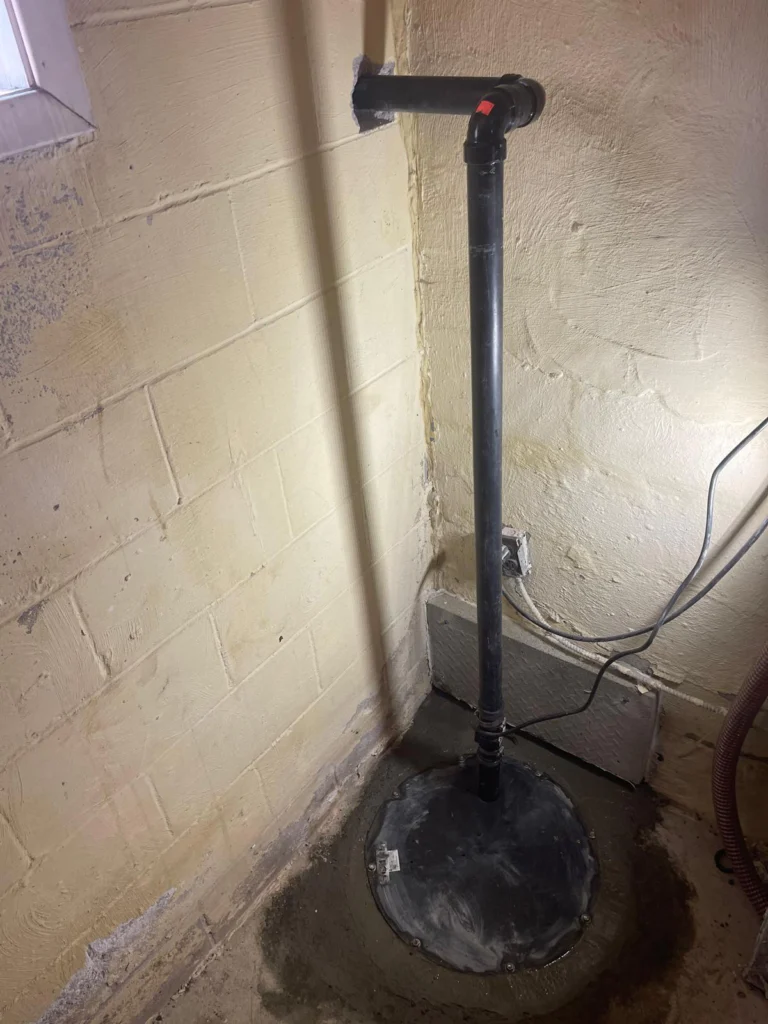
| Sump pit overflowing | Check that the pump is plugged in and the float is not stuck; reset the breaker |
| Walls, windows or floor–wall joint during rain | Clear window wells, extend downspouts away from the house, move water away from the wall outside if safe |
| Appliance (water heater, washer) | Turn off the appliance’s water supply valve |
Action 3: Document the Damage Before Cleanup
Before moving anything, take photos and video of the water level, the source, damaged walls, flooring and belongings. Note the date and time. Keep damaged items or photograph them before throwing them out, and keep receipts for any emergency purchases, such as pumps, fans and hotel stays. This record is what your insurer and any contractor will rely on.
Action 4: Who to Call for Basement Flooding
Who to call for basement flooding depends on the cause, and you may need several calls:
- Your insurance company — as early as possible. Ask what your policy covers (sewer backup and overland water are usually separate endorsements) and whether you need approval before cleanup.
- 311 (in Toronto) — to report basement flooding, especially sewer backup. The City can check whether the municipal sewer is involved.
- A licensed plumber — for burst pipes and drain backups.
- A water damage restoration company — for extraction, drying and cleanup of finished spaces and sewage contamination.
- A waterproofing contractor — once the emergency is over, to find and fix how water got in. Our emergency waterproofing crew can help stop active water entry.
Action 5: Remove Water and Dry the Basement
What to do if the basement is flooding with a little water
What to do if the basement is flooding only an inch or two from a clean source: once power is off in the area, use a wet/dry vacuum plugged into a dry outlet upstairs or a GFCI-protected outlet, mops and buckets. Never use a regular household vacuum.
Deeper water
For deeper water, use a submersible pump or call a professional. In very deep flooding, pump out gradually — about a third of the water per day — if the ground outside is still saturated, because removing all the water at once can let outside pressure damage foundation walls.
How to dry out a basement after flooding
How to dry out a basement after flooding properly:
- Remove wet carpet, underpad, cardboard, upholstered items and insulation as soon as possible.
- Cut wet drywall at least 30 cm above the waterline so the wall cavity can dry.
- Run dehumidifiers and fans continuously, with windows closed on humid days.
- Check moisture with a meter or hygrometer — aim to bring relative humidity back below 50%.
- Do not close walls or lay new flooring until materials test dry.
Professional structural drying usually takes several days. Mould can start growing on wet materials within a day or two, so start drying as soon as it is safe.

Basement Flooding Cleanup and Health
Basement flooding cleanup is about health as well as property:
- Treat all floodwater as contaminated. Sewer water requires professional cleanup.
- Throw away food, medicines and cosmetics that touched floodwater.
- Clean hard surfaces with water and detergent, then dry them completely.
- Have the furnace, water heater and electrical equipment checked by a qualified technician before using them again.
- Health Canada advises that small areas of mould can be cleaned by homeowners, but larger areas need professionals.
What to Do After Basement Flooding: Prevent the Next One
What to do after basement flooding comes down to finding the cause. Common causes and fixes:
- Sewer backup — a backwater valve. The City of Toronto subsidy can cover part of the cost.
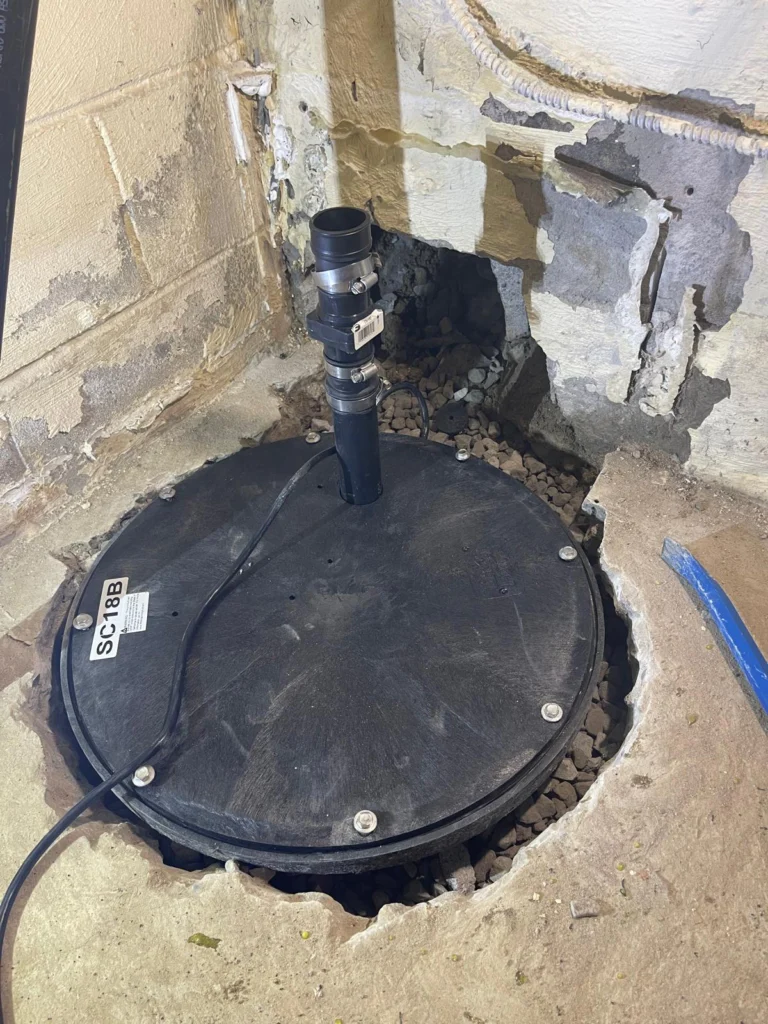
- Sump pump failure — a new sump pump with a battery backup.
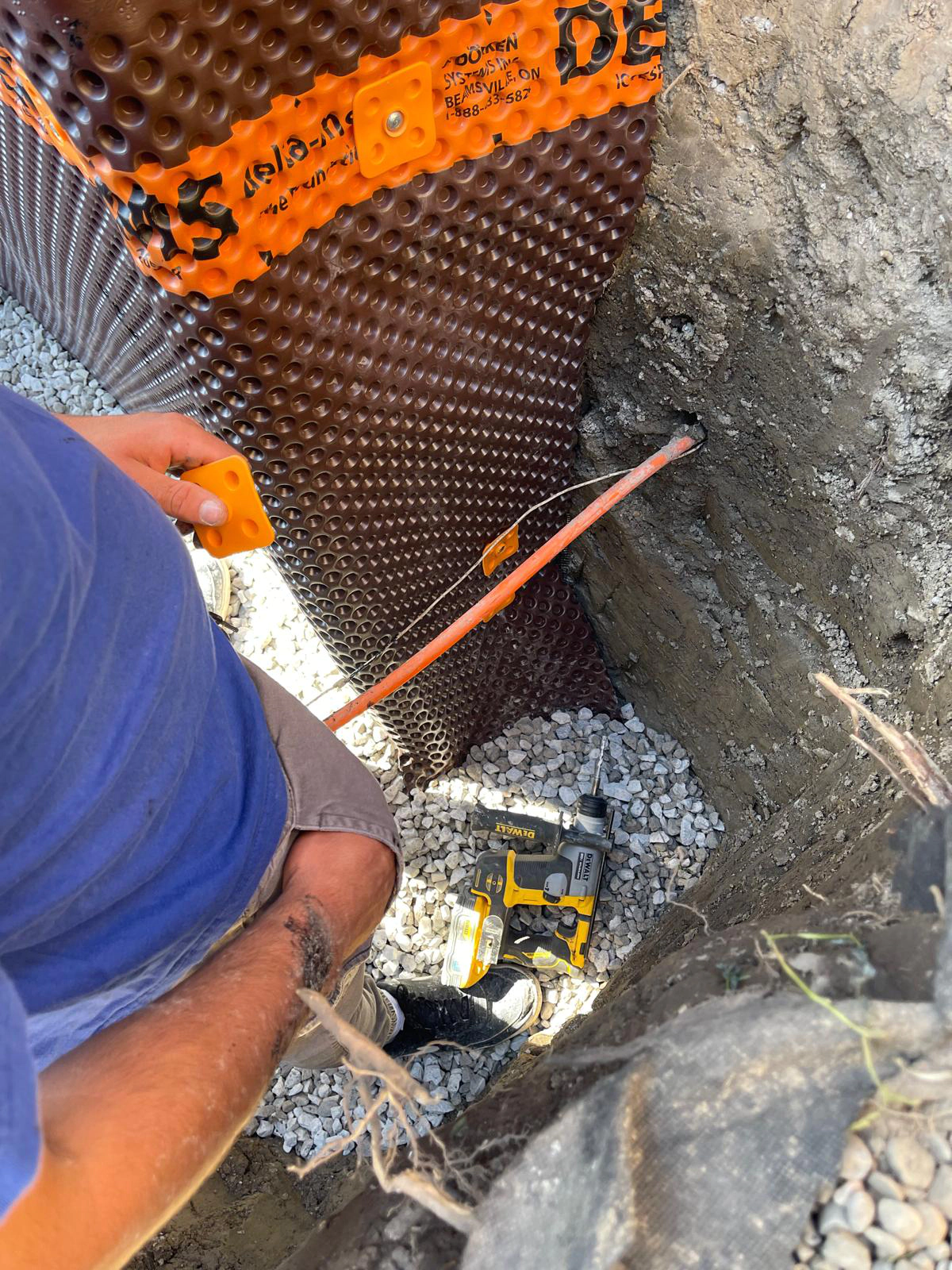
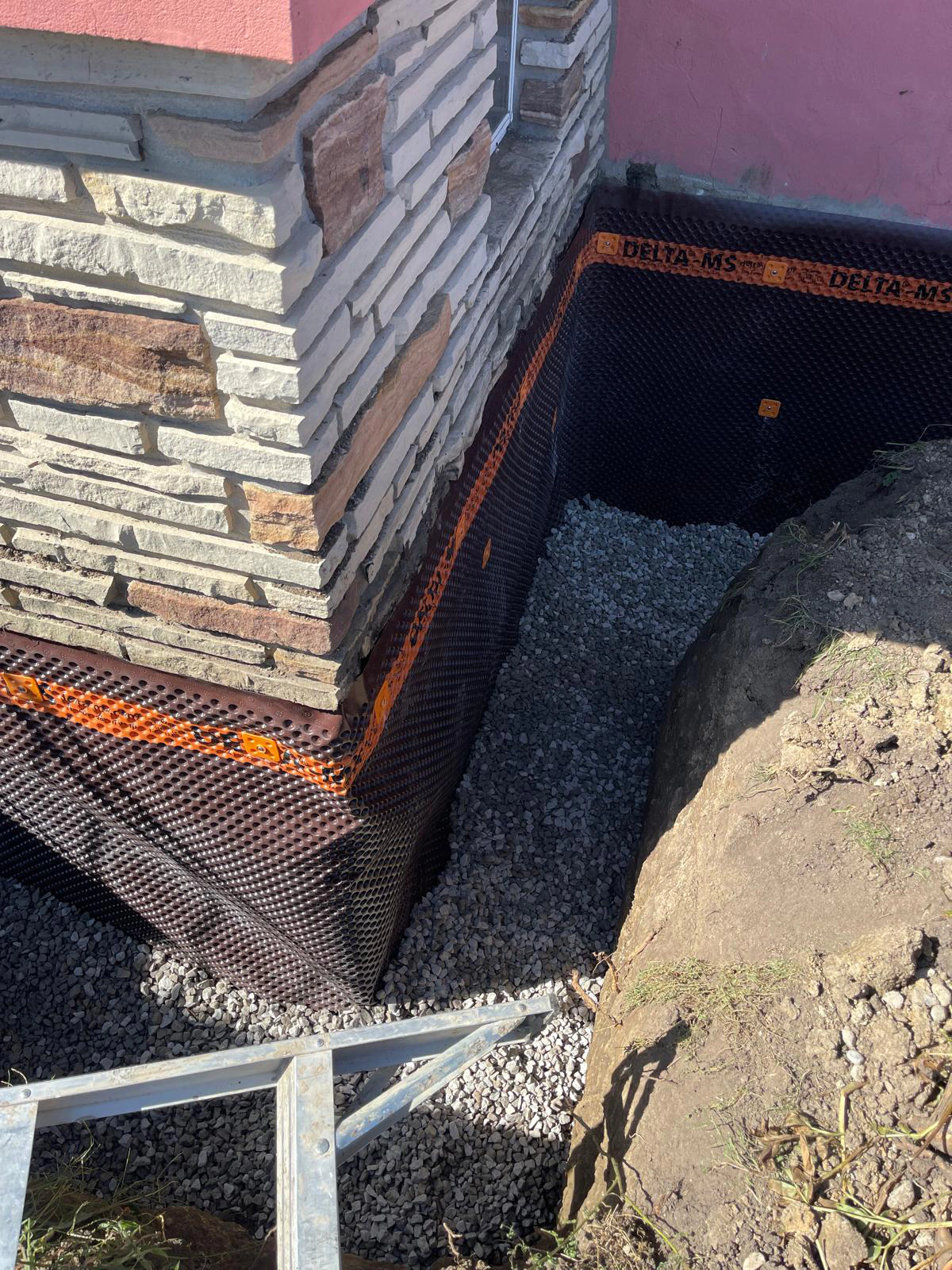
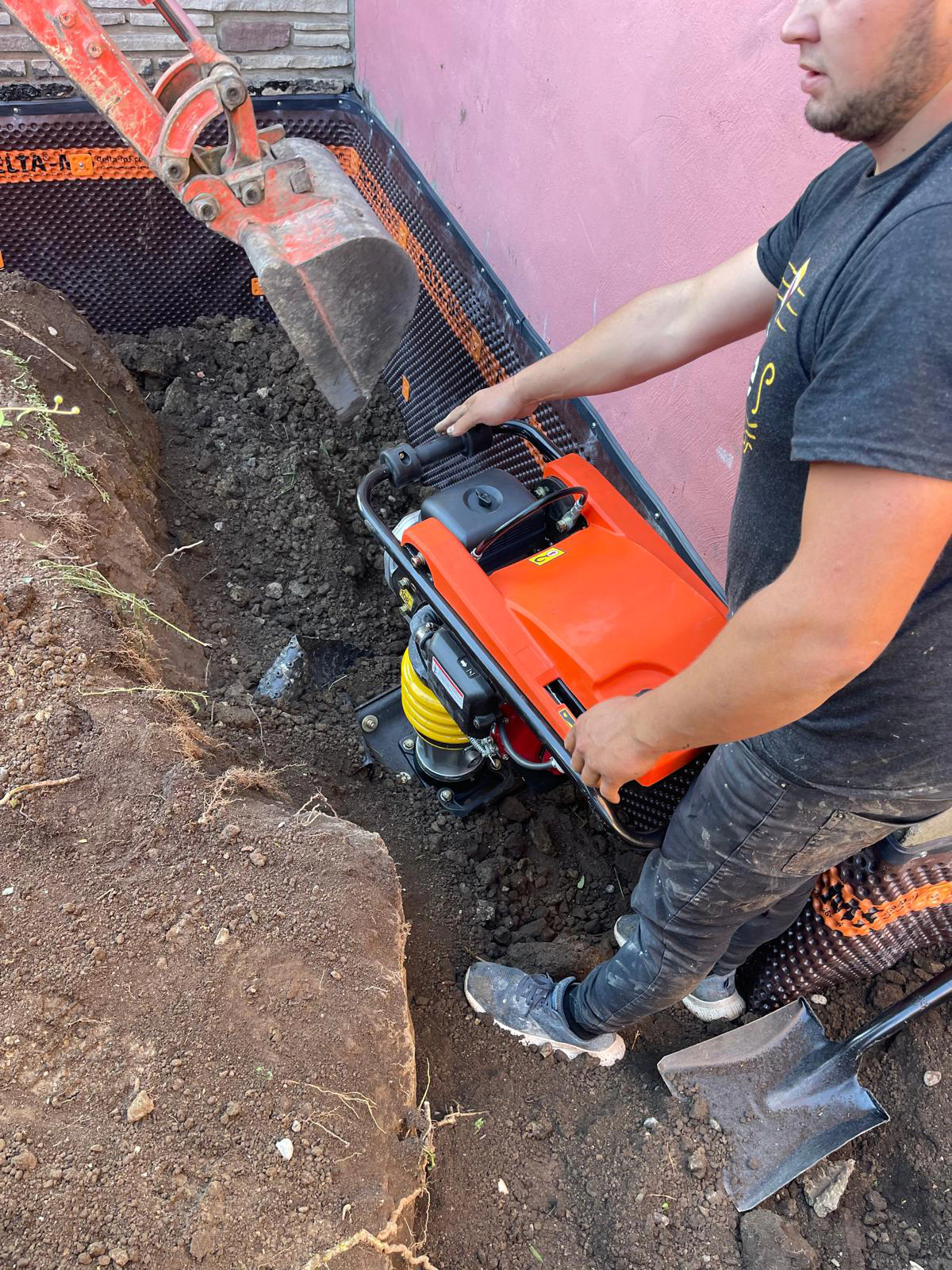
- Seepage through walls or floor — interior waterproofing or exterior waterproofing.
- Leaking cracks — foundation crack repair.
- Surface water — downspouts, grading and window wells. See why water pools around a foundation.
Toronto’s Basement Flooding Protection Subsidy pays up to $6,650 per property for a backwater valve, a sump pump with battery backup, weeping tile severance and a plumbing assessment, at 80% of the invoice per item. If water came in during a storm, our article on why a basement leaks when it rains explains the usual causes, and preparing your basement for heavy rain covers what to do before the next storm.
How to Deal With Basement Flooding: Quick Checklist
How to deal with basement flooding at a glance:
- Power off, stay out of deep or contaminated water.
- Stop the source: main valve, no water use, check the sump pump.
- Photograph everything before cleanup.
- Call your insurer, 311 for sewer backup, and the right trades.
- Extract water, remove wet materials, dry for days, not hours.
- Find and fix the cause before refinishing.
Leaquida helps homeowners across Toronto and the GTA find out why their basement flooded and fix it permanently. The inspection and written quote are free.