
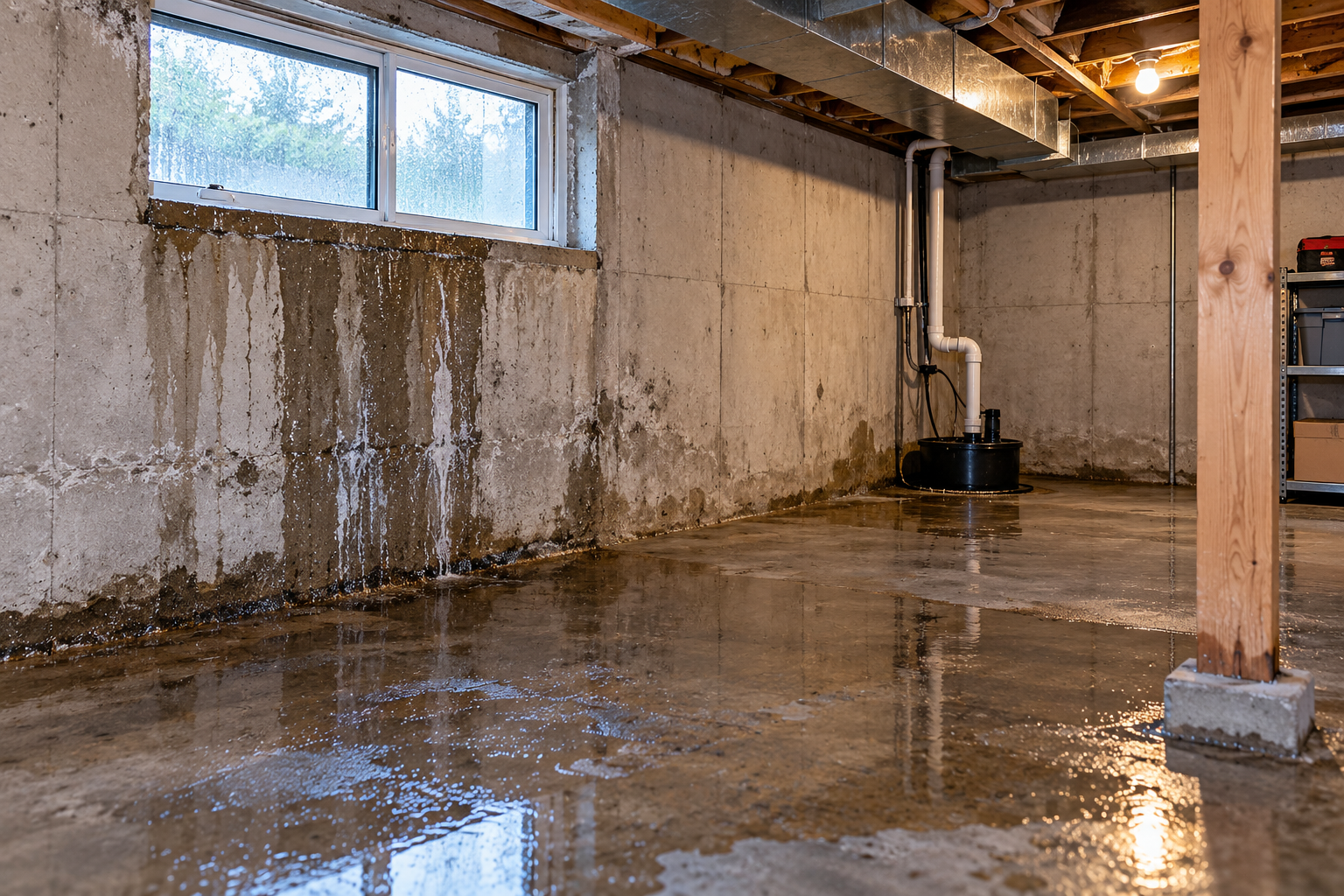
Winter can put additional pressure on a home’s foundation and drainage system. Heavy rain, saturated soil, freezing temperatures, and snowmelt can make existing moisture issues more difficult to manage. Checking your basement before winter gives you time to identify potential problems and determine what needs to be addressed.
Some warning signs are easy to dismiss. A musty odour, damp wall, small crack, or occasional leak may seem minor, but recurring moisture can indicate an underlying problem. Recognising these signs early can help prevent more extensive damage and unnecessary repairs.
1. You Notice a Musty Smell in the Basement
A persistent musty odour is often one of the earliest indications of excess moisture. Even without visible standing water, damp walls, flooring, insulation, or stored materials can create conditions where unpleasant smells develop.
The odour may become stronger after rainfall or during periods of high humidity. Moisture can also accumulate behind finished walls or underneath flooring, making the source difficult to see.
If you notice a recurring musty smell in basement, check for:
- Damp or discoloured walls
- Moist flooring or carpets
- Condensation on pipes or windows
- Mould or mildew
- Poor air circulation
- Signs of previous water intrusion
Removing the smell without finding its source will not resolve the underlying moisture issue. If the odour keeps returning, the basement should be inspected for both visible and hidden sources of moisture.

2. You See Damp Walls, Water Stains or Efflorescence
Visible moisture is a more direct warning sign. Damp patches, dark marks, peeling finishes, and white powdery deposits known as efflorescence can indicate that water is entering or moving through the foundation.
The cause can vary. Condensation may form on cold surfaces, while groundwater can enter through cracks, joints, porous concrete, or other weak points.
| Basement sign | What it may indicate | Why it matters before winter |
| Damp wall sections | Moisture entering through the foundation or condensation | Moisture may continue to spread |
| White efflorescence | Water moving through masonry or concrete | Indicates recurring moisture movement |
| Dark water stains | Previous or active water intrusion | May return during heavy precipitation |
| Peeling paint or finishes | Moisture behind the surface | Can conceal deterioration underneath |
| Wet floor areas | Seepage, drainage, or plumbing issues | May become worse during storms or snowmelt |
A professional assessment can help determine whether the moisture comes from condensation, groundwater, drainage issues, or another source.
3. Your Basement Leaks After Heavy Rain
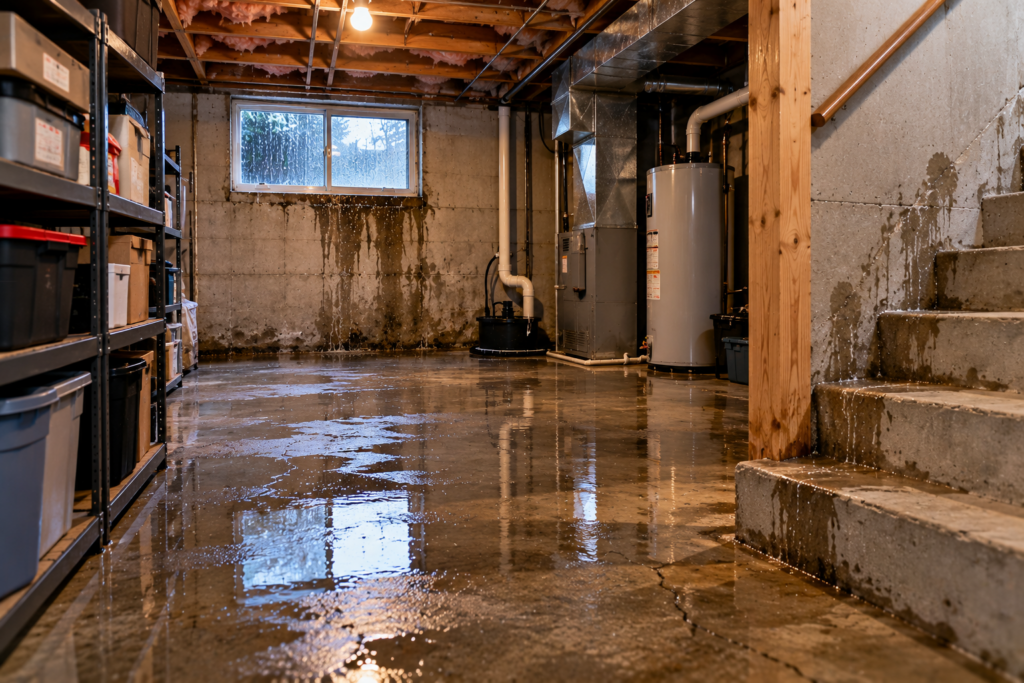
Water appearing in the basement after a major storm is a clear reason to investigate the drainage and foundation system. Recurring basement leaks after heavy rain can be associated with saturated soil, poor grading, blocked drainage, foundation cracks, or other routes for water intrusion.
The location of the leak can provide useful information. Water may appear:
- Along foundation walls
- Around floor-wall joints
- Through foundation cracks
- Near basement windows or window wells
- Around utility penetrations
- At low points on the basement floor
A leak that disappears once the rain stops should not automatically be considered harmless. Repeated water intrusion means the same pathway may allow moisture into the basement during future storms.
When water repeatedly enters the same area, basement leak repair may be necessary after the source has been identified.
4. There Are Cracks in the Foundation
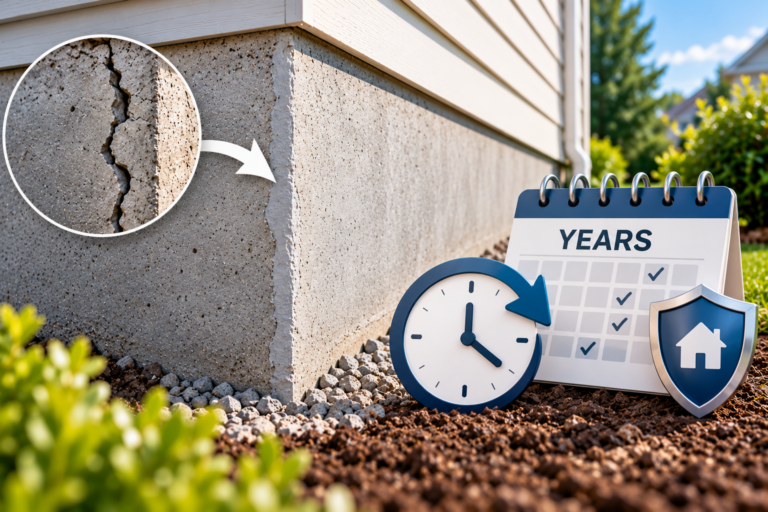
Not every foundation crack indicates a serious structural problem, but cracks can provide a pathway for water to enter the basement. Their size, location, direction, and progression are important when determining what type of attention may be required.
Pay particular attention to:
- Cracks that repeatedly allow water to enter
- Cracks that appear to be getting wider
- Long horizontal or diagonal cracks
- Cracks accompanied by dampness or staining
- Cracks around windows, corners, or wall-floor joints
Visible foundation cracks in basement areas should be monitored, particularly before freezing temperatures arrive. Water entering a crack can freeze and expand, potentially contributing to further deterioration.
When water is entering through a specific foundation crack, foundation crack repair can address that localized point of entry.
5. You See Mould or Mildew
Mould and mildew generally require moisture to develop. Finding them in a basement can therefore indicate that humidity or water intrusion has remained unresolved for some time.
Small areas may appear around windows, corners, behind stored items, or on materials exposed to persistent dampness. A recurring mould problem should prompt an investigation into why the affected area remains wet.
The combination of basement mould and moisture deserves particular attention because cleaning visible growth does not remove the source of the moisture. Depending on the circumstances, the underlying issue may involve condensation, ventilation, drainage, or water entering through the foundation.
Before winter, inspect hidden and less frequently used areas, including behind furniture and storage boxes. Improving airflow and controlling indoor humidity may help with condensation, but persistent dampness should be investigated rather than treated only at the surface.

6. Water Pools Near the Foundation or Basement
Water accumulating next to the foundation after rain can indicate that water is not being directed away from the house effectively. Gutters, downspouts, grading, window wells, and drainage systems all influence how rainwater moves around a property.
The issue can become more noticeable in autumn when frequent rainfall saturates the soil. Later, melting snow can add another significant amount of water to the same drainage system.
Check the exterior of your property for:
- Low areas where water collects
- Downspouts discharging too close to the foundation
- Blocked or overflowing gutters
- Poor grading toward the house
- Water collecting around window wells
- Damaged or inadequate drainage components
Reducing water accumulation around the foundation can limit the amount of moisture reaching basement walls and reduce pressure on the drainage system.
7. Your Basement Has Persistent Moisture or Condensation
Not all moisture comes from groundwater. Warm, humid air can create condensation when it contacts cold basement walls, floors, pipes, or windows. However, persistent humidity can still contribute to mould growth, material deterioration, and unpleasant odours.
If you repeatedly notice condensation, damp surfaces, or elevated humidity, determine whether the source is indoor humidity or water entering from outside.
Common indicators of ongoing basement moisture problems include:
- Condensation on pipes or windows
- Damp materials that do not dry properly
- A consistently humid basement
- Recurring musty odours
- Mould or mildew
- Moisture returning after cleaning or drying
Identifying the source is important because ventilation or dehumidification may address condensation, while drainage improvements or waterproofing may be needed when water is entering through the foundation.
Why Basement Water Problems Can Get Worse During Winter?
Winter does not necessarily create a basement moisture problem, but it can increase the consequences of an existing one. Water around foundation walls can freeze when temperatures drop, while repeated freezing and thawing can place additional stress on cracks and porous materials.
Seasonal precipitation can also create additional pressure on drainage systems. Heavy rain, saturated soil, snow accumulation, and subsequent snowmelt can all increase the amount of water surrounding a foundation.
This is why basement waterproofing before winter can be worth considering when a property already shows recurring signs of water intrusion. Identifying the source before severe weather gives homeowners more time to address drainage, foundation, or localized repair needs.
What to Check in Your Basement Before Winter?
A pre-winter inspection does not have to be complicated. The goal is to identify visible changes and recurring symptoms before they become more difficult to address.
Start with the interior:
- Look for new cracks or changes in existing cracks.
- Check walls and floors for damp areas or stains.
- Inspect corners, windows, and floor-wall joints.
- Look for mould or mildew.
- Pay attention to persistent musty odours.
- Check for condensation on cold surfaces.
- Look for evidence of previous leaks.
Then inspect the exterior:
- Make sure gutters are clear.
- Confirm that downspouts direct water away from the foundation.
- Look for areas where rainwater pools.
- Check the condition of window wells.
- Look for grading that directs water toward the house.
It is also useful to consider when the symptoms appear. Moisture that returns after heavy rain, stains that reappear in the same location, or dampness that persists after the basement has been dried can provide important clues about the source.
For homeowners dealing with recurring basement water problems, identifying the source is the first step toward selecting an appropriate repair or waterproofing method.
When Does a Basement Need Professional Waterproofing?
Professional assessment becomes particularly relevant when moisture keeps returning or when several warning signs appear together. A basement that repeatedly develops leaks, damp areas, mould, or water stains may have an underlying drainage or foundation issue that cannot be resolved by simply drying the affected area.
Consider professional assessment when:
- Water enters the basement during or after multiple storms.
- Moisture continues to return after basic drying and ventilation.
- Foundation cracks are allowing water to enter.
- Water consistently collects around the foundation.
- Mould or musty odours keep returning.
- The source of the moisture cannot be identified.
- Existing drainage measures are not keeping water away from the foundation.
The appropriate solution depends on the cause. A localized crack or leak may require a targeted repair, while recurring water reaching foundation walls from outside may require a broader waterproofing approach.
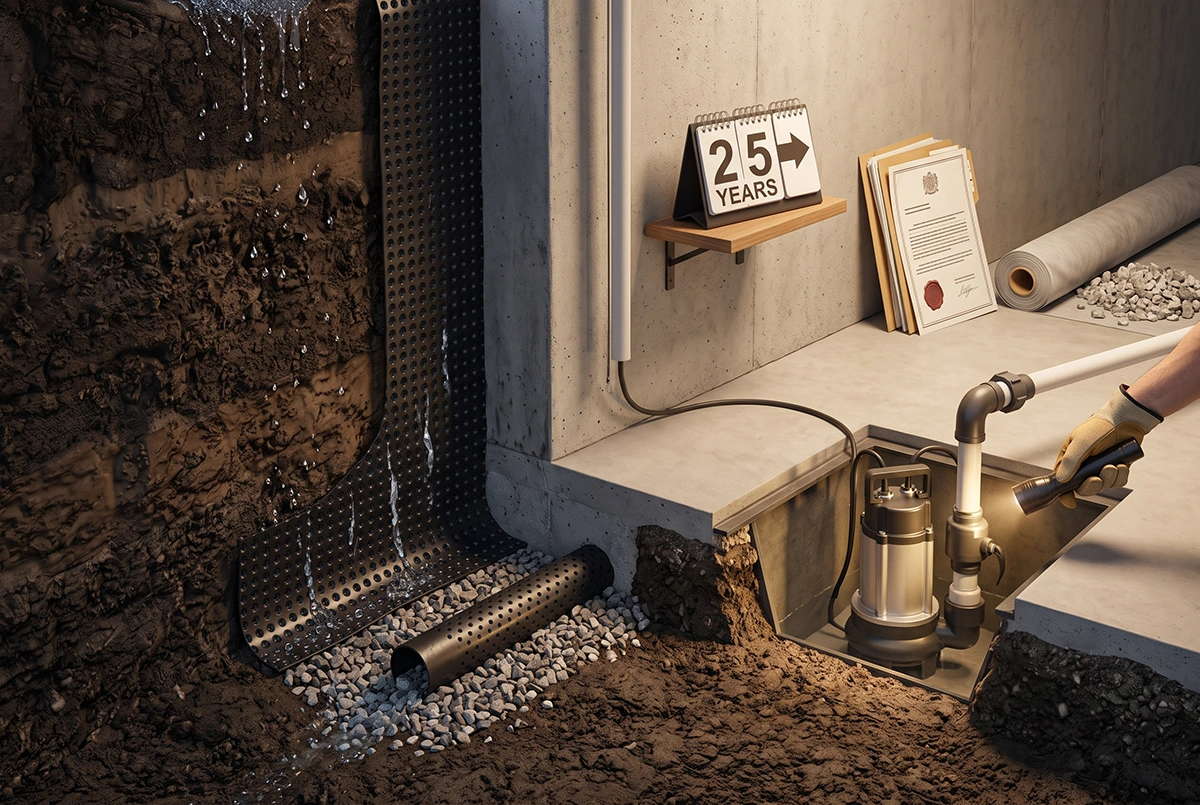
If water is entering through the exterior foundation, exterior waterproofing may be one option to consider. The right approach should be based on the property’s drainage conditions, foundation construction, and source of water intrusion.
Homeowners looking for basement waterproofing Toronto services can have the basement and surrounding foundation assessed to determine which type of work is appropriate.
Addressing recurring moisture before winter gives you more time to identify the cause and complete necessary work before freezing temperatures, heavy precipitation, and snowmelt place additional pressure on the property.

 CLOGGED OR BROKEN WEEPING TILE