Home » Exterior Basement Waterproofing in Toronto & GTA
Professional Exterior Basement Waterproofing in Toronto
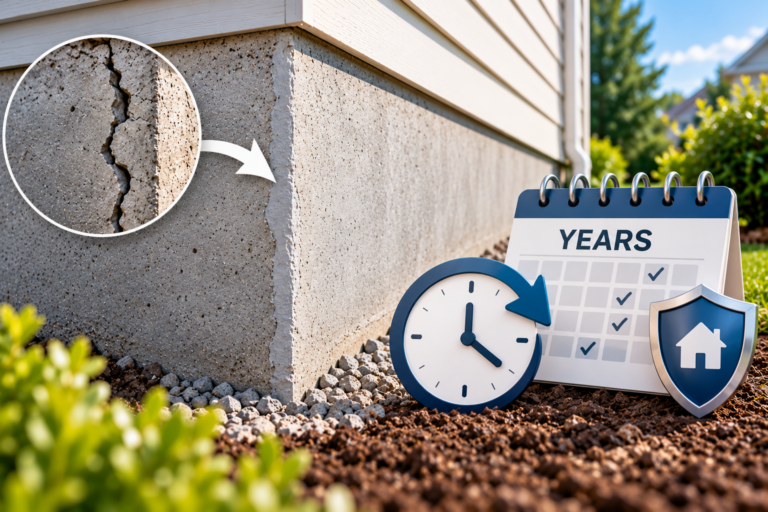
Water around a foundation should be addressed at the source. When rainwater, snowmelt or groundwater repeatedly reaches the outside of a basement wall, surface coatings alone may not solve the underlying drainage problem. A properly planned system can protect the foundation, reduce moisture entry and improve long-term water management.
Leaquida Waterproofing provides professional solutions for Toronto and GTA properties where the foundation can be safely accessed from outside. The work may include excavation, foundation wall preparation, crack repair, membrane application, drainage improvements and restoration of the excavated area.
Depending on the cause of the problem, the project may be combined with foundation waterproofing or other drainage and repair services.
How Does Basement Waterproofing from Outside Work?
The exact construction varies by property, but the principle is straightforward: expose the wall, correct the substrate, install the waterproofing system and make sure water has a controlled route away from the structure.
The affected section of foundation is excavated to the required working depth.
The exposed wall is cleaned and inspected for cracks, gaps and deteriorated areas.
Necessary repairs are completed before the waterproofing layer is covered.
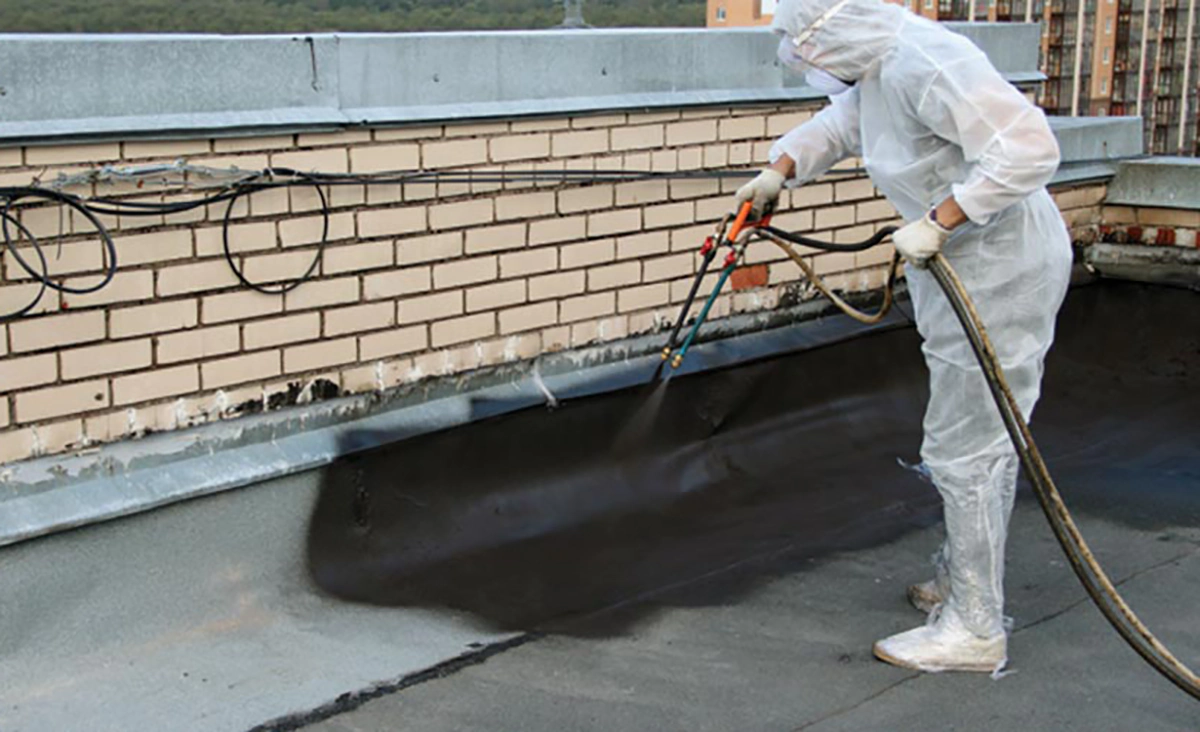
A suitable exterior membrane is installed over the prepared foundation surface.
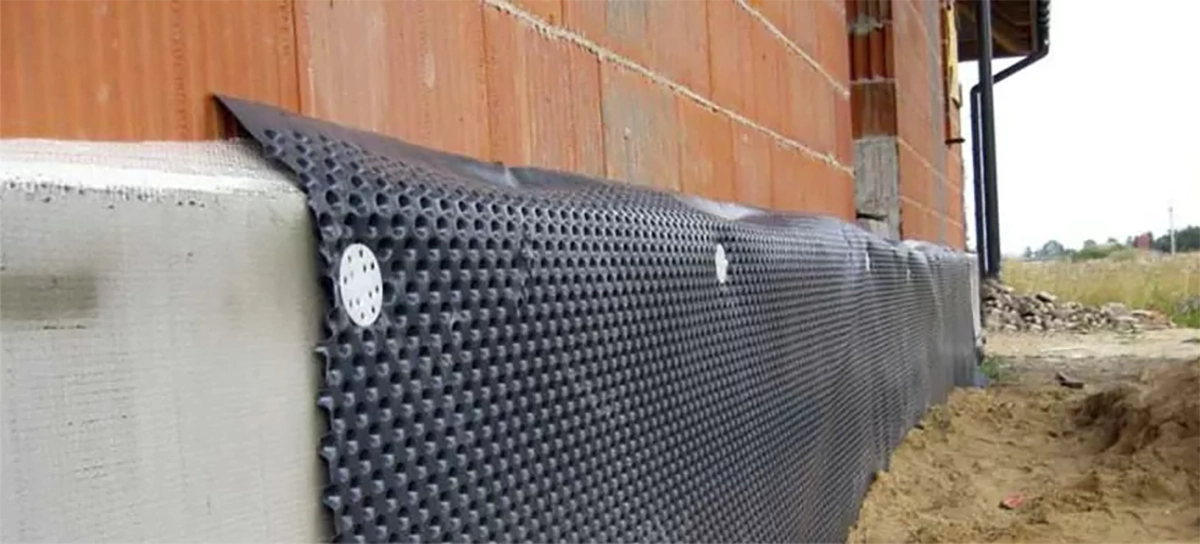
A drainage or protective layer can be added to protect the membrane and guide water downward.
Footing drainage is inspected and repaired or replaced where required.
The excavation is backfilled, compacted and graded so surface water is directed away from the foundation.
This source-side approach is different from simply managing water after it has entered the basement. It is therefore important to assess the wall, drainage and exterior conditions together before choosing the scope of work.
Our Basement Waterproofing Services
EXTERIOR
Exterior waterproofing is one of most efficient and reliable ways to perform waterproofing of your property.
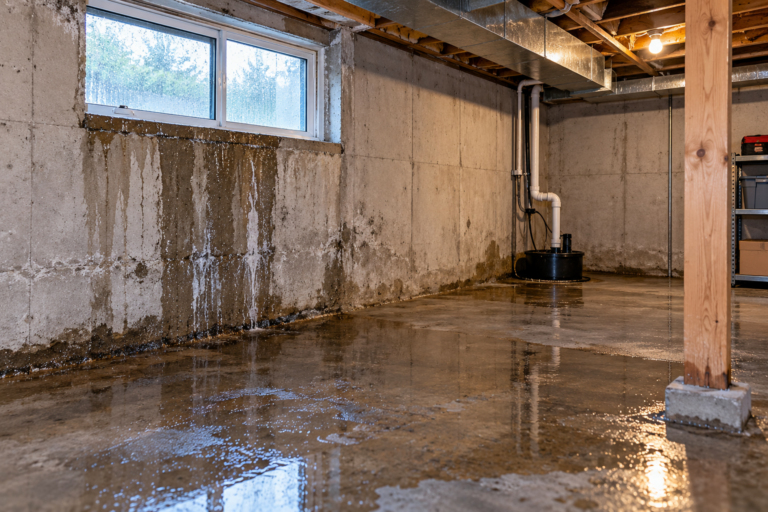
Water problems often leave several visible signs before they become a major basement issue. A single symptom does not always identify the cause, but a recurring pattern is a reason to inspect the foundation and surrounding drainage.
Water or dampness appearing along an exterior basement wall after rainfall.
Efflorescence or white mineral deposits on foundation surfaces.
Foundation cracks accompanied by recurring moisture.
Standing or saturated soil beside the house.
Water collecting around below-grade basement windows.
A musty smell or persistent humidity in the basement.
Peeling paint, staining or damaged interior finishes near foundation walls.
If the same area becomes wet repeatedly, the assessment should determine whether the cause is foundation seepage, drainage failure, grading, a window opening or another source before repair work is specified.
What Does an Exterior Waterproofing System Include?
A complete exterior system is made up of several connected components. The correct combination depends on the foundation type, soil, water conditions and the condition of the existing drainage.
Foundation Wall Preparation
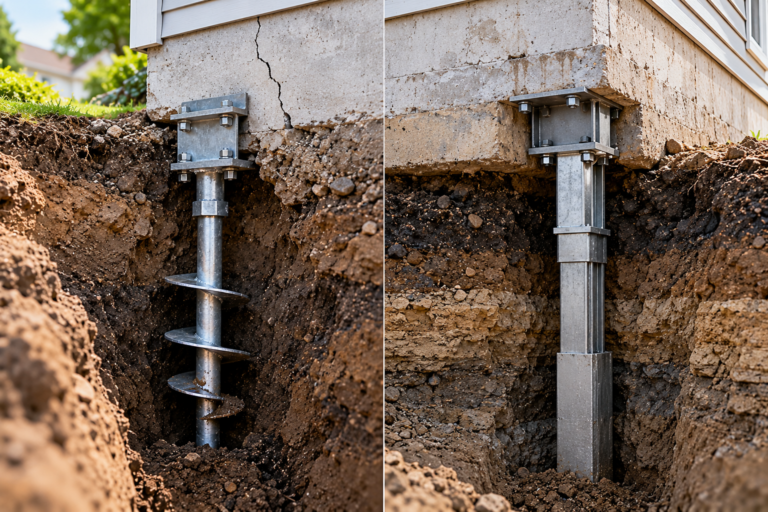
Once exposed, the wall is cleaned and inspected. Cracks, open joints and damaged areas should be addressed before the waterproofing membrane is applied.
Where the inspection identifies a broader structural concern, see foundation repair for the related service.
Exterior Waterproofing Membrane
The membrane creates the primary water-resistant barrier on the outside face of the foundation. The product and application method should be selected for the substrate and site conditions rather than treated as a one-size-fits-all coating.
Drainage and Protective Layer
A drainage or dimpled protective membrane can help protect the waterproofing layer during backfilling while creating a path for groundwater to move toward the footing drainage system.
Footing Drainage
The existing footing drain should be considered as part of the overall system. If it is damaged, blocked or no longer adequate, repair or replacement may be required so collected groundwater has somewhere to go.
Below-grade windows can become entry points when water collects around the opening. Proper window-well drainage and exterior grading should therefore be considered where these areas are involved.
Quick, professional and at very reasonable cost. No hidden costs. The installation was complicated as the municipal sewage backed up when the pipe was cut, but the team did not complain despite working in harsh conditions.
Lev, Whitby
Leaquida Waterproofing was prompt, courteous and thorough. We would recommend to anyone. We had a backwater valve installed. I called Sunday, got a quote Monday, has the work done the following Monday (including issuing of building permit).
Trisha Grant
They have installed sump pump system in our house. They were very much on time and during the installation they have worked very clean.
You may rely on their advises.
Highly recommended.
Burçin, Toronto
Our Exterior Waterproofing Process
Every property requires a slightly different scope, but a professional project should follow a clear sequence. This makes it easier to understand what is included and to compare quotations based on the same work.
1. Property assessment. The foundation, visible water-entry points, grading, exterior access and drainage conditions are reviewed.
2. Project scope. The affected wall length, excavation requirements, repairs, waterproofing system, drainage work and restoration are defined.
3. Excavation. The soil is removed from the affected foundation area to create safe working access to the wall.
4. Wall preparation and repairs. The exposed surface is cleaned and relevant cracks, gaps or damaged areas are repaired.
5. Waterproofing installation. The specified exterior waterproofing membrane is installed over the prepared wall.
6. Drainage and protection. Protective/drainage components are installed and footing drainage is repaired or replaced where necessary.
7. Backfilling and restoration. The excavation is backfilled and compacted, and the surface is restored according to the agreed scope.
Where groundwater collection needs to be routed to a dedicated discharge point, the exterior drainage system may also work with a sump system.
Exterior waterproofing is priced according to the actual scope of the property. The treated wall length is one of the main factors, but excavation depth, access, soil conditions, drainage replacement, foundation repairs and landscaping restoration can change the final cost substantially.
Current Toronto market references commonly place exterior waterproofing in the broad range of about $150+ CAD per linear foot. These figures are planning references rather than a fixed Leaquida price because projects with the same wall length can require very different levels of excavation and restoration.
Cost factor
What affects the price
Why it matters
Wall length
Linear footage to be excavated and waterproofed
More wall requires more excavation, materials and labour.
Excavation depth
Foundation depth and ground conditions
Deeper or difficult excavation increases labour and site requirements.
Drainage
Repair or replacement of footing drainage
A failed drainage system may require additional work beyond the membrane.
Foundation repairs
Cracks, gaps or deteriorated areas
The substrate must be prepared before waterproofing is completed.
Access and restoration
Narrow lots, landscaping, paving or structures
Removal and reinstatement can add to the overall project scope.
The best way to compare project pricing is to check exactly what each quote includes. A lower price may represent fewer linear feet, limited wall preparation, no drainage replacement or no restoration.
Exterior vs. Interior Waterproofing
Exterior and interior systems solve water problems in different ways. Exterior work protects the foundation from the outside and can address the wall and footing drainage directly. Interior systems collect or redirect water after it reaches the building envelope and can be useful where exterior excavation is impractical.
Factor
Exterior
Interior
Work location
Outside foundation
Inside basement
Excavation
Required for exposed wall
Usually not required
Foundation access
Direct access to wall
Interior-side access
Drainage
Can repair/replace footing drainage
Interior collection and discharge
Exterior disruption
Possible landscaping disruption
Minimal exterior disruption
The choice should be based on the source of water, the condition of the foundation, exterior access and the property’s drainage configuration rather than on price alone.
Why Toronto & GTA Homes Need a Site-Specific Waterproofing Plan
Toronto-area properties can present very different waterproofing conditions. Older homes may have aging drainage components, while narrow side yards, additions, patios and landscaping can limit excavation access. Seasonal rainfall, snowmelt and changing ground conditions can also expose weak grading or drainage.
Older foundation walls may require more extensive preparation before waterproofing.
Restricted side-yard access can affect excavation methods and restoration requirements.
Existing footing drains may need to be inspected before a new waterproofing layer is installed.
Heavy rainfall can quickly reveal areas where surface water is directed toward the house.
Below-grade windows, steps and additions can create localised water-entry points.
Homeowners researching exterior basement waterproofing Toronto services can use the assessment to determine whether the exterior method is appropriate for the property.
For homeowners comparing providers, local knowledge matters because the same waterproofing specification cannot be applied to every Toronto or GTA property.
Choosing an Exterior Waterproofing Contractor
A reliable contractor should explain the cause being addressed, the exact wall section included, the waterproofing materials, drainage work, repair requirements and restoration scope. The quote should be clear enough that two contractors can be compared on equivalent work.
The service covers foundation-focused projects ranging from targeted wall sections to larger residential systems.
For properties requiring a complete moisture barrier around exposed walls, professional foundation waterproofing services can be planned around the condition of the structure and its drainage.
Basement foundation waterproofing is most effective when the wall barrier and groundwater management are considered as one system.
The term external foundation waterproofing is also used for this source-side method, particularly when comparing exterior and interior approaches.
Homeowners researching Toronto options can use the assessment to determine whether the exterior method is appropriate for the property.
For local searches, exterior waterproofing Toronto GTA service availability should be confirmed for the specific address and access conditions.
Why Choose Leaquida Waterproofing?
Exterior waterproofing is a substantial project, so the value of the service comes from having the complete scope understood before excavation begins. Leaquida’s approach should be presented around diagnosis, clear recommendations and coordinated waterproofing and drainage work.
Clear assessment of the likely water-entry source.
A defined scope for excavation, wall preparation and waterproofing.
Attention to drainage rather than relying on a membrane alone.
Coordination with related foundation and basement services when required.
A clear explanation of what is included in the quotation and restoration.
If the immediate concern is an active basement leak, the correct first step may be targeted diagnosis rather than full exterior excavation.
If water is repeatedly reaching your basement or foundation walls, an on-site assessment can determine whether exterior waterproofing is the appropriate solution. Tell us where the moisture appears, when it happens and whether you have noticed pooling, cracks or drainage problems outside.
Request an assessment through Contact Us and we can review the property-specific scope with you.
FAQ about Exterior Basement Waterproofing in Toronto & GTA
What is exterior basement waterproofing and how does it work?
Exterior basement waterproofing is a method that involves sealing and protecting your foundation walls from the outside. It requires excavation around the perimeter of your home to expose the foundation. From there, professionals clean and repair cracks, apply a foundation sealer or waterproof membrane, install drainage (such as weeping tile), and then backfill with gravel and soil. This process ensures that water never reaches your basement walls, keeping your home dry and structurally sound.
How much does exterior waterproofing cost in Toronto?
The cost to waterproof a basement from the outside typically ranges from $90 to $250 per linear foot, depending on factors like foundation depth, access difficulty, wall material, and drainage needs. For a full foundation, homeowners may spend between $8,000 and $20,000. Costs may rise if additional services like sump pump installation or patio removal are required. Every project is unique, so it's best to request a detailed estimate.
How long does it take to waterproof a basement from the outside?
Most exterior basement waterproofing projects in Toronto take 2 to 7 days. A single wall can usually be completed in 1–2 days, while a full foundation may take up to a week. Factors that affect duration include weather conditions, excavation depth, number of walls, and any obstacles like decks or walkways. Your contractor should provide a detailed timeline before work begins.
Is exterior waterproofing better than interior systems?
Yes, exterior waterproofing is considered the most effective long-term solution. It addresses the source of the problem by preventing moisture from ever entering the foundation, while interior systems simply manage water after it has entered. Exterior methods protect your foundation from damage, reduce mold risk, and often increase property value.
Do I need exterior waterproofing if I already have a sump pump or interior drain?
If you're still experiencing leaks, moisture, or mold, it may be a sign that your interior system isn’t enough. Interior drainage systems manage symptoms — not causes. Exterior waterproofing provides full protection and is often recommended for long-term structural preservation, especially in older homes or where groundwater pressure is high.
Will exterior waterproofing damage my landscaping?
Some disruption is unavoidable due to excavation, but experienced contractors take steps to minimize damage. At Leaquida, we carefully remove and replace soil, grass, or interlocking stone. In many cases, landscaping can be restored to its original condition or better after the project is complete.
Does Leaquida provide a warranty on exterior waterproofing services?
Yes. We offer a transferable warranty on all exterior waterproofing projects, covering both materials and workmanship. Our team uses high-performance foundation sealers and membrane systems that are designed to last for decades. You’ll receive all documentation and peace of mind that your investment is protected.
Is a permit required for exterior basement waterproofing in Toronto?
Generally, a permit is not required for exterior waterproofing unless the project involves altering city drainage connections or structural changes to your foundation. If a permit is necessary, Leaquida will handle all applications and compliance steps on your behalf.
Does exterior foundation waterproofing stop water before it reaches the wall?
Yes. Unlike interior methods, exterior foundation waterproofing creates a physical barrier outside your home. This stops moisture from ever touching the concrete, preventing the wall itself from becoming saturated and deteriorating over time.
Will outside basement waterproofing help with basement humidity?
Absolutely. By preventing water from soaking into the foundation walls, outside basement waterproofing significantly reduces the amount of moisture evaporating into your basement, resulting in a drier, fresher, and healthier living space.
What is the role of the dimpled membrane in exterior waterproofing?
The dimpled membrane acts as a protective layer and a drainage plane. It keeps wet soil away from the exterior basement sealer and allows any water to trickle down directly into the weeping tile system for removal.
Is exterior concrete waterproofing effective against hydrostatic pressure?
Yes. Exterior concrete waterproofing combined with a functional drainage board and weeping tile system is the most effective way to relieve hydrostatic pressure, protecting your walls from being pushed inward by saturated soil.
Why should I choose waterproofing basement walls from outside if my basement is finished?
If you have expensive drywall, flooring, and furniture, waterproofing basement walls from outside is the safest choice. It ensures that no moisture ever penetrates the wall, protecting your interior investment from mold and water damage.
Will waterproofing for outside walls fix existing structural cracks?
Yes. During the process, we expose the entire wall, which allows us to perform deep foundation repair on all cracks from the outside before applying the protective membranes and sealers.