
How Does a Sump Pump Work?
The device has a hermetically sealed housing, which contains:
- An electric motor, which performs the duties of the power unit that starts the entire device in operation.
- Pump unit, which consists mainly of a disk with blades, which is an impeller.
- Additional equipment:
- Float, which is responsible for the device’s automatic start and stop;
- Thermoregulator, which protects the motor from overheating and automatically shuts down the motor when it reaches a critical temperature.
When you start the motor, the wheel works, creating pressure. Water enters a special chamber, pushing the pressure to the surface. The drainage basement sump pump system cannot cope with pumping the liquid to a great height, so it is used in places with a slight difference in levels. The device is covered with anti-corrosion protection and equipped with a special float that keeps it afloat. Some models also have a sensor that starts the motor when the water reaches a certain level.
Most modern sump pump systems also rely on a check valve installed on the discharge pipe. This component prevents water from flowing back into the sump pit after the pump shuts off, helping reduce unnecessary cycling and wear on the motor. A properly functioning check valve improves overall system efficiency and helps extend the lifespan of the pump.
Submersible sump pumps can use different float switch designs to automate operation. Tethered float switches are common in larger basins, while vertical float switches are often used in narrow sump pits. Some modern systems use electronic sensors that activate the pump when water reaches a predetermined level.

Types of Sump Pumps
You can buy a sump pump in one of three types:
- Surface — designed for 8-9 meters of depth, it can cope even with silt impurities. It is simple to install and easy to maintain. However, its productivity is quite low, so this type is chosen to serve domestic premises and swimming pools.
- Semi-submersible — equipped with a special suction device immersed in water. The pump body is constantly on the surface.
- Submersible — a powerful and productive device, which is possible at a depth of up to 50-60 meters. Characterized by quiet operation, does not require installation work. It is used in boreholes and wells.
Basement sump pump systems can differ not only in the principle of operation but also in the material of manufacture: plastic, plastic and metal mechanisms, cast iron, and steel.
Why Many Homeowners Prefer Submersible Sump Pumps
Submersible sump pumps are one of the most common choices for residential basements because they operate directly inside the sump basin. Their sealed waterproof housing protects the motor from moisture while allowing the surrounding water to help cool the unit during operation.
Another advantage of a submersible design is quieter performance. Since the motor remains below the sump pit cover, operating noise is significantly reduced compared to above-ground alternatives. These pumps are also compact, require minimal space, and can respond automatically when water levels rise during heavy rainfall.
What Size Pump Do I Need?
The choice of pump should be based on the following characteristics:
- Power of the device
- Capacity (the number of litres of water the pump can pump in a certain time)
- Head (height of the liquid)
- Permissible size of impurities in the water
- Water temperature
- Maximum and minimum installation depth
When choosing a basement sump pump system, it is worth paying attention to the material of manufacture: the more durable the casing, the longer the pump will last.
Horsepower and Head Height Requirements
Selecting the correct horsepower is important for reliable water removal. Most residential sump pumps range from 1/3 HP to 1 HP. A 1/3 HP pump is often suitable for moderate water conditions, while 1/2 HP models are commonly used in homes with higher groundwater levels. Larger 3/4 HP and 1 HP units may be necessary when substantial volumes of water enter the sump basin during storms.
Homeowners should also consider head height, which refers to the vertical distance water must travel before reaching the discharge point. A pump with insufficient power may struggle to move water efficiently when the discharge line extends over a long distance or requires a significant vertical lift.
Cost of a Sump Pump
Drainage pumps are in high demand, especially among those with country houses. Manufacturers offer a wide range of equipment designed to perform tasks that are different in complexity and scale of work. On store shelves, you can see both inexpensive proposals and serious devices at an impressive price.
Submersible, deep basement sump pump systems are considered one of the most expensive devices because they are characterized by serious technical characteristics and are made of durable, high-quality materials. The cheapest will be low-powered sump pumps designed to pump out small volumes of water without large impurities.
Factors That Impact The Cost Of A Sump Pump
- Power and capacity are the main factors that influence the cost of sump pumps.
- The manufacturer, the type of equipment, and the materials of manufacture of both the casing and the main working parts are also important considerations.
- Drainage basement sump pump systems from well-known brands differ not only in price but also in quality. Noname firms can also offer good options for equipment, but such products will require extreme attention when choosing. It is important to study the information about the materials and check the availability and terms of warranty on the sump pump.
How to Install a Sump Pump
Installing a sump pump will require the use of certain tools and construction equipment. However, performing all the work on their own will not be difficult if the user has the necessary knowledge, is familiarized in advance with the algorithm of the upcoming work, and is properly prepared for its implementation.
Digging A Sump Pit
If we are talking about the basement of the house, then it is necessary to remove the concrete where water most often accumulates before digging the well. The concrete is removed with an electric jackhammer or perforator. After the pieces of concrete are removed, you can start digging the well. The depth of the well should be 30 cm greater than the height of the pump sleeve.
Installing The Sump Pump
The sleeve is placed in the well. The space around it is filled with gravel and concreted to the level with the floor. After 8 hours, after the concrete has set, the work can be continued. First, a drainage pipe is installed on the sleeve, to which the basement sump pump system installed in the sleeve is connected. The drain pipe goes outside the house. It is unnecessary to lead it far beyond the wall, as a flexible hose will carry the water away from the foundation to a safe distance.
Completing the Discharge Pipe
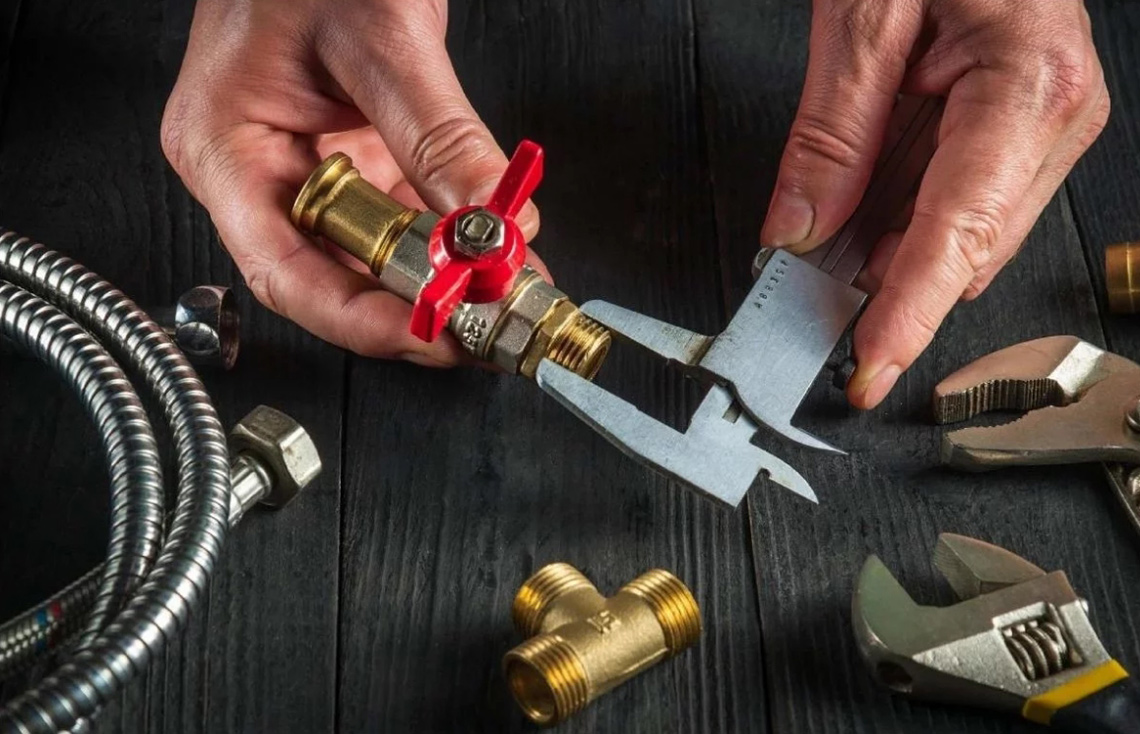
A check valve needs to be installed on the outlet pipe. That will keep the water in the pipe after the pump stops. Most installations come complete with all the necessary parts, including connecting sleeves that indicate the direction of water flow.
Running Your Pump
Once the work has been completed, the basement sump pump system should be switched on and its operation checked. It is recommended that the well be filled with water to give an impression of real conditions and assess the equipment’s performance. During the test, special attention should be paid to the connections, the correct functioning of the valve, and the correct drainage to the specified location.
Are Sump Pumps Necessary?
Drainage pumps become almost indispensable for those who have a country house or a dacha plot. They help organize a proper water supply system in places where there is no central sewage system. In addition, drainage equipment is the first assistant in the case of a flooded basement.
Scope of application of the sump pump:
- Domestic — pumping water out of swimming pool wells, organizing an irrigation system, and water supply system.
- Industrial — assistance in irrigation of plots, pumping out sewage and process liquids.
- Construction — drainage of the basement, sewerage, excavation.
Considering the scope of the application and the work front, a certain type of drainage pump is selected.

Sump Pump Life Expectancy
The average life expectancy of a sump pump depends on factors such as workmanship, operating conditions, and intensity of use. Maintenance of the equipment becomes a mandatory part of its operation. It is recommended to regularly check the condition of the hoses, power cord, and housing. As clogging occurs, filters are changed, and the pump chamber is checked for blockages. Provided that the user follows the manufacturer’s recommendations for the use and care of the equipment, the basement sump pump system can last up to 15 years.
Sump Pump Replacement Guide
Even a properly maintained sump pump will eventually reach the end of its service life. Replacing an aging unit before it fails can help prevent basement flooding, water damage, and costly emergency repairs. Most residential sump pumps remain reliable for approximately 7 to 10 years, depending on operating conditions and maintenance practices.
Signs That a Replacement May Be Needed
Several warning signs may indicate that a sump pump is nearing the end of its lifespan. Homeowners should pay attention to:
- Unusual noises,
- Excessive vibration,
- Frequent cycling,
- Visible corrosion,
- Reduced pumping performance,
- Recurring mechanical failures.
If the system struggles to remove water during heavy rainfall, replacement may be more cost-effective than repeated repairs.
What To Do When Something Goes Wrong?
If the pump has stopped working properly, it is necessary to disassemble the casing, inspect the parts, find the cause of the fault, and repair it. The parts that can be easily replaced are the condenser, float, and impeller. Malfunctions can also occur due to a faulty cable or clogs formed inside the housing. It is easy for the user to get rid of sand and clay inside the equipment. To solve other issues, it is worth contacting the Masters of Service centers.
How Do I Know If I Need To Replace My Sump Pump?
Not all faults can be repaired, and some are not advisable from the point of view of financial and time costs. Breakdowns that you should consider fixing:
- The cast iron casing is deformed or cracked.
- The valve has failed.
- The winding no longer fulfills its duties.
- The stem has broken off.
Burned drainage pumps need to be more profitable to repair. Most often, service center masters do not accept hopeless devices at work.


 CLOGGED OR BROKEN WEEPING TILE