
Eco-friendly waterproofing products are a smart choice for Canadian homeowners facing harsh weather conditions. They last longer, emit fewer pollutants, and reduce maintenance costs. Unlike older methods that crack or fail in extreme temperatures, these advanced solutions stay flexible even in freezing conditions, preventing water damage and saving you money over time.
Key Advantages:
- Durability: Lifespan up to 40+ years, compared to 10–15 years for older methods.
- Low VOCs: Safer for indoor air quality, especially in basements.
- Cost Savings: Reduces long-term repair and energy expenses.
- Weather Resistance: Performs well in temperatures as low as –25°C.
- Eco-Conscious: Made with recycled materials and fewer harmful chemicals.
Whether you’re protecting a basement, foundation, or roof, these products offer reliable protection while aligning with modern building standards like LEED and WELL. Investing in these solutions can also boost your property’s market value and lower environmental impact, making it a practical and responsible upgrade for your home.
CONQOR B50 – The Sustainable Admixture For Concrete Waterproofing
sbb-itb-5761e20
Why Choose Eco-Friendly Waterproofing?
Eco-friendly waterproofing offers more than just environmental benefits – it’s a reliable choice for protecting homes in Canada’s challenging climate. These products are built to handle the country’s tough weather conditions while significantly reducing harmful emissions.
Reducing Your Environmental Footprint
Traditional waterproofing products often release high levels of volatile organic compounds (VOCs) and contain solvents that off-gas during application. Eco-friendly options like WATstop and Acriflex Pro, on the other hand, are solvent-free and have low VOC levels, which means they release fewer pollutants into the air.
Some solutions go even further. For instance, Monolithic Membrane 6125 includes at least 40% recycled materials and is certified to safely encapsulate asbestos-cement surfaces. This not only reduces the demand for raw materials but also lowers health risks associated with asbestos exposure.
Because these products don’t emit hazardous fumes, they can be applied in occupied spaces without causing disruptions – a practical advantage for both residential and commercial buildings. Plus, the reduced environmental impact often translates into improved durability, making these materials a strong choice for long-term use in extreme conditions.
Building More Resilient Canadian Homes
Canada’s climate presents unique challenges, from freeze–thaw cycles and hydrostatic pressure during spring melts to humid summers. Eco-friendly liquid membranes are designed to meet these demands, staying flexible even at temperatures as low as –25°C. This flexibility allows them to form a seamless, continuous barrier over complex surfaces, preventing water infiltration at vulnerable spots like seams or overlaps.
Some products, like WATstop, also double as vapour barriers. This feature is especially useful for Canadian basements, as it blocks moisture migration through concrete floors and walls, helping to combat rising damp and alkali reactions. These qualities make eco-friendly waterproofing a smart, durable solution for homes across the country.
Environmental Impact of Conventional Waterproofing
The environmental and lifecycle challenges tied to traditional waterproofing methods underscore the growing appeal of greener alternatives. While conventional waterproofing solutions are effective, their environmental toll is hard to ignore. Examining the components of these products sheds light on why the industry is shifting towards cleaner, more sustainable options.
Problems with Common Waterproofing Materials
Traditional waterproofing materials, like bituminous coatings and solvent-based membranes, have significant drawbacks. These products often emit high levels of volatile organic compounds (VOCs) during application, contributing to air pollution. For installers working in confined spaces, such as basements, these emissions can pose serious health risks.
Another issue lies in the installation process. Sheet membranes, for example, require cutting, trimming, and overlapping, which not only generates material waste but also creates weak points at the seams. These joints are particularly vulnerable to hydrostatic pressure, a common problem in Canadian cities like Toronto and Brampton. In these areas, clay-rich soils combined with rapid snowmelt put constant stress on building foundations. Such vulnerabilities can lead to long-term durability concerns, making the choice of material critical.
Lifecycle Impacts of Standard Products
Canada’s harsh winters expose the limitations of conventional waterproofing materials. These products often become brittle in freezing temperatures, leading to cracks, frequent repairs, and increased waste. The cost of exterior waterproofing typically ranges between $100 and $300 per linear foot, but when failures occur prematurely, they drive up both expenses and site disruptions.
Another challenge is the lack of transparency in traditional products. Many do not provide Environmental Product Declarations (EPDs) and fail to meet certifications like LEED or WELL. This makes it difficult for builders and homeowners to evaluate and reduce the environmental footprint of their projects.
In contrast, eco-friendly waterproofing solutions offer a seamless, joint-free liquid application that adapts to complex surfaces with minimal waste. These advanced membranes, with a break elongation of 336% (± 67%), stay flexible even during ground shifts caused by Canada’s freezing winters. This flexibility reduces the cycle of cracking, disposal, and re-application, lowering both economic and environmental costs.
| Feature | Conventional Waterproofing | Eco-Friendly Waterproofing |
|---|---|---|
| Chemical Base | Solvent-based or bituminous | Solvent-free, water-based, or crystalline |
| Application Waste | High (seams, overlaps, off-cuts) | Low (seamless, minimal thickness) |
| VOC Emissions | High | Low to zero |
| Cold Weather Performance | Prone to brittleness | Designed for flexibility in freezing conditions |
| Certifications | Meets basic building codes | LEED, WELL, and EPD compliant |
How Long Do Eco-Friendly Waterproofing Products Last?
Eco-friendly waterproofing products often outperform expectations when it comes to durability. Premium bio-based membranes, like those utilizing thermoplastic polyurethane (TPU) technology, come with warranties that can extend up to 40 years. This far surpasses the typical 10–20 year lifespan of conventional systems. The extended lifespan not only cuts down on maintenance needs but also aligns with sustainable building practices discussed earlier.
Performance in Canadian Weather Conditions
Canada’s weather, with its extreme freeze-thaw cycles, puts waterproofing systems to the test. As temperatures fluctuate between harsh winters and milder spring thaws, materials are forced to expand and contract repeatedly. Traditional waterproofing products often crack under this kind of stress. Eco-friendly liquid membranes, however, are designed to endure these conditions. For example, Acriflex Pro remains flexible even at temperatures as low as -25°C, while Sikalastic-320 SL performs reliably across a wide range from -31.7°C to +93.3°C.
Hydrostatic pressure is another challenge, especially in areas with clay-heavy soils or high water tables, such as parts of Ontario and British Columbia. Advanced eco-friendly coatings can withstand pressures up to 5 bar (72.5 psi), making them ideal for basements and below-grade structures. For exposed surfaces like flat roofs or balconies, UV stability is crucial. Many modern eco-membranes, particularly those made with acrylic or TPU formulations, resist UV degradation without requiring an extra protective layer. This durability is achieved through the specific material properties outlined below.
Key Material Properties to Know
The longevity of these products is tied to a combination of advanced material properties. For instance, Acriflex Pro offers a break elongation of 200%, allowing it to stretch significantly without damage. Similarly, SikaTop-588 Seal can bridge cracks even in extreme cold, down to -30°C, meeting Class A2/B2 standards. A cured layer of just 2 mm provides the same protection as 500 mm of concrete cover. In regions prone to foundation movement, it’s wise to choose a product rated for at least Class A3 static crack-bridging, which handles cracks wider than 0.5 mm. Moreover, many eco-friendly membranes bond directly to concrete and masonry without primers, though non-absorbent surfaces like metal might still need a specific primer for long-term adhesion.
| Property | What to Look For | Canadian Relevance |
|---|---|---|
| Low-Temp Flexibility | Rated to at least -25°C | Prevents cracking during freeze-thaw cycles |
| Crack-Bridging Class | Class A3 or higher (>0.5 mm) | Accommodates foundation movement from clay soils |
| Hydrostatic Resistance | Up to 5 bar (72.5 psi) | Essential for areas with high water tables |
| UV Stability | Inherent resistance, no top coat needed | Protects exposed roofs and balconies year-round |
| Warranty | Up to 40 years (premium TPU) | Indicates long-term durability |
Health Benefits of Eco-Friendly Waterproofing Products
Eco-friendly waterproofing solutions are built to handle the harsh conditions of Canadian winters while also protecting your home from moisture and harmful chemicals. These products not only contribute to a drier, healthier living environment but also improve indoor air quality, making them a smart choice for long-term well-being.
Better Indoor Air Quality
Traditional waterproofing products often rely on solvents like Xylene, MEK, and Acetone, which release harmful fumes. In contrast, eco-friendly options are typically water-based or utilize high-solid hybrid formulations, drastically reducing VOC (Volatile Organic Compound) emissions. For example, some advanced polyurea hybrid membranes have VOC levels as low as 2.94 g/L, a stark improvement compared to solvent-based alternatives.
This is particularly important in enclosed spaces like basements. As SEMCO Works explains about their SEMCO Liquid Membrane:
“SEMCO Liquid Membrane is low in VOCs (Volatile Organic Compounds) – making it safe for enclosed spaces like basements, which are often used as bedrooms, gyms, or living areas.”
If you’re planning to convert your basement into a bedroom, gym, or office, choosing a low-VOC product is a practical step to improve air quality and ensure safety.
Moisture Control and Its Effect on Health
Eco-friendly waterproofing does more than just improve air quality – it also plays a critical role in moisture control. By preventing water infiltration, these products address the root cause of issues like mould and mildew, which thrive in damp environments. This is especially vital in energy-efficient Canadian homes, where reduced air exchange can trap humidity indoors. A seamless, impermeable membrane not only stops moisture but also helps prevent musty odours and reduces stress on HVAC systems.
For example, Sikalastic® M 266 meets the CDPH Standard Method v1.2 for VOC emissions. To ensure optimal performance in below-ground or wet areas, a minimum Dry Film Thickness of 1.2 mm is recommended.
Cost-Effectiveness Over Time
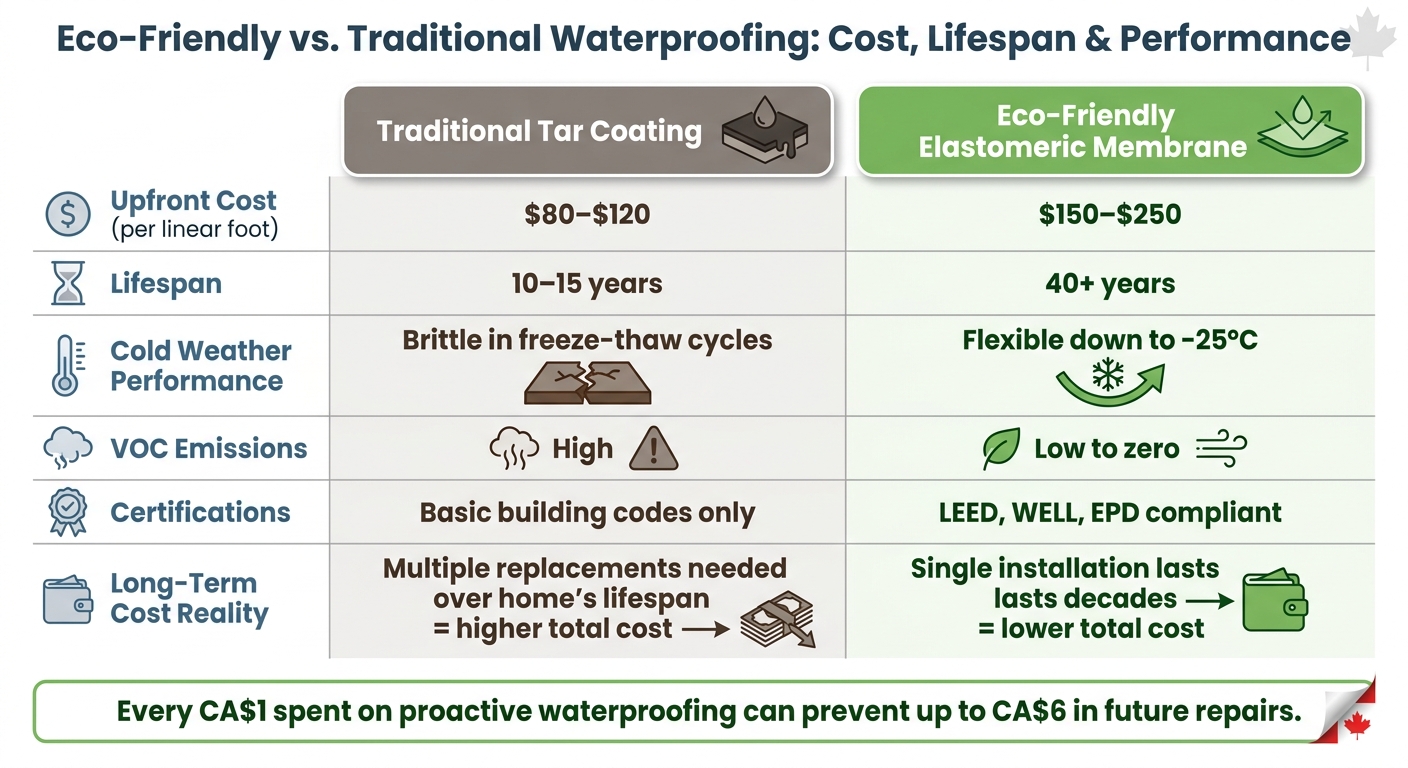
Eco-Friendly vs. Traditional Waterproofing: Cost, Lifespan & Performance
Choosing eco-friendly waterproofing might feel like a hefty investment upfront, but it delivers substantial savings over the years. As of 2026, waterproofing the foundation of a standard Canadian single-family home costs between CA$10,000 and CA$25,000, depending on factors like site access and project complexity. While the initial expense may seem steep, opting for durable solutions can significantly cut down on future repair and maintenance expenses.
Upfront Costs vs. Long-Term Savings
When comparing traditional waterproofing methods with eco-friendly alternatives, the numbers tell an interesting story. Traditional bituminous tar coatings cost about $80 to $120 per linear foot, while eco-friendly elastomeric membrane systems range from $150 to $250 per linear foot. While the eco-friendly option costs more initially, its extended lifespan makes it a smart long-term choice:
| Feature | Traditional Tar | Eco-Friendly Elastomeric Membrane |
|---|---|---|
| Upfront Cost (per lin. ft.) | $80 – $120 | $150 – $250 |
| Lifespan | 10–15 years | 40+ years |
| Cold Weather Performance | Brittle in freeze-thaw cycles | Stays flexible down to -25°C |
The durability of eco-friendly membranes not only reduces maintenance costs but also offers both financial and environmental advantages. As Léa Plourde-Archer from RenoQuotes explains:
“In the Canadian climate, [tar’s] effective lifespan rarely exceeds 10 to 15 years.”
This means tar-based systems often need multiple replacements over the life of a home, making the seemingly cheaper option much more expensive in the long run.
The savings don’t stop there. Avoiding frequent replacements also helps cut repair and energy expenses.
Savings on Repairs and Energy Bills
Eco-friendly waterproofing systems help homeowners save on more than just replacements – they also reduce repair costs and energy bills. For example, repairing foundation cracks can cost anywhere from CA$500 to CA$1,500, while dealing with mould decontamination and basement reconstruction can be far more expensive. Elastomeric membranes are designed to stay flexible during freeze-thaw cycles, which lowers the risk of cracking and the associated repair costs.
Additionally, proper waterproofing ensures insulation works as it should. Moisture infiltration can degrade insulation, forcing heating systems to work harder – an especially big deal during Canada’s cold winters. By maintaining basement humidity levels below 50–60%, you can ease the strain on dehumidifiers and HVAC systems, leading to noticeable energy savings.
As RenoQuotes highlights:
“A high-quality elastomeric membrane remains flexible even at temperatures below freezing. This initial investment will save you from mold decontamination costs or basement reconstruction down the line.”
If you’re already excavating for waterproofing, it’s wise to replace the French drain at the same time. This proactive step can help you avoid future labour costs.
Compliance with Green Building Standards
Eco-friendly waterproofing products not only safeguard the environment but also help Canadian homes meet essential building codes and green certification requirements.
In Canada, waterproofing products must align with the National Building Code (NBC). These products are reviewed by the Canadian Construction Materials Centre (CCMC), a government-operated compliance service trusted by over 6,000 regulators, including the Canadian Home Builders’ Association and organizations like the OBOA and ABOA. To confirm compliance, check for a CCMC evaluation number on the product’s packaging (e.g., “CCMC xxxxx-R”). This number signifies that the product qualifies as either an Acceptable Solution or an Alternative Solution under the NBC.
“The CCMC assesses compliance with Canadian building, energy and safety codes. We are the only construction code compliance service supported and operated by the Government of Canada. Trusted by over 6,000 regulators across Canada.” – Canadian Construction Materials Centre
This compliance serves as a stepping stone for achieving additional green certifications, such as LEED, which is increasingly influential in shaping Canadian building standards.
Beyond meeting NBC standards, many environmentally friendly products also support LEED v5 certification. These products often include Environmental Product Declarations (EPDs) and features like high Solar Reflectance Index (SRI) coatings and recycled-content fabrics, which add sustainability points. Starting in 2026, LEED v5 will officially recognize the National Energy Code for Buildings (NECB) 2020 as a valid compliance path. For example, high-reflectance coatings with an SRI value of up to 108 help combat the urban heat island effect, while solvent-free, low-VOC formulations contribute to Indoor Environmental Quality credits.
Moreover, products with third-party verified EPDs, including “Cradle to Grave” assessments, provide additional sustainability credentials. These disclosures detail the product’s full environmental impact and earn Materials and Resources credits. Reinforcing fabrics made with up to 98% recycled content further support credits for raw materials sourcing.
Selecting a waterproofing product that is CCMC-approved and LEED-compatible ensures your home meets legal requirements while also setting it up for green certification – enhancing its overall appeal and value in the market.
How Eco-Friendly Waterproofing Affects Property Value
Eco-friendly waterproofing doesn’t just align with green building standards – it also boosts a property’s market appeal. In Canada’s real estate market, buyers increasingly look for homes that are durable, require minimal upkeep, and reflect a commitment to health and sustainability. Verified waterproofing adds a layer of assurance that directly enhances a home’s value and makes it more appealing to potential buyers.
Protecting the structure means protecting the investment. Proper waterproofing prevents issues like mould, mildew, and rot – problems that can severely impact a home’s value and lead to costly repairs, especially during the sale process.
Basement waterproofing, in particular, offers a solid return on investment, with homeowners often recouping about 30% of the project cost. This makes it a smart upgrade to consider before listing a home. Eco-friendly solutions, such as low-VOC products, further enhance buyer confidence. For instance, Acriflex Rapido, a product known for its flexibility even at temperatures as low as -25°C, is priced at $422.45 for a 20 kg bucket and offers reliable protection against harsh Canadian winters and potential water damage.
For older homes, eco-friendly waterproofing also simplifies inspections by ensuring safe asbestos encapsulation. Having this documentation ready can streamline the sales process.
“By embracing green home upgrades, properties become more attractive to buyers and tenants while contributing to a healthier planet.” – Eco-Tech Canada
Modern buyers value transparency, and eco-friendly waterproofing systems that include Environmental Product Declaration (EPD) documentation give sellers a tangible way to showcase the home’s sustainability credentials. This kind of verified data not only increases buyer confidence but also adds to the home’s overall value. Additionally, it reflects Leaquida Waterproofing’s dedication to quality and environmentally conscious building practices.
Types of Eco-Friendly Waterproofing Products
When it comes to keeping your home dry while prioritizing environmentally friendly solutions, it’s important to understand the different types of eco-friendly waterproofing products available. For Canadian homeowners dealing with basement moisture or foundation issues, two main categories stand out: water-based liquid membranes and cementitious or crystalline systems. Each offers distinct advantages, helping you make the best choice for your specific needs.
Water-Based Liquid Membranes and Coatings
Water-based liquid membranes are a go-to solution for many homeowners. These solvent-free, low-VOC coatings cure into a seamless, flexible layer that adheres to concrete and masonry surfaces. Their elasticity makes them particularly durable in Canada’s challenging weather conditions. For instance, SEMCO Liquid Membrane boasts an impressive 1,300% elongation, ensuring it can handle extreme temperature fluctuations and structural movements.
Two noteworthy examples include:
- Acriflex Rapido: This product cures within just 20 minutes, even in high humidity or low temperatures, making it ideal for quick applications. It costs $422.45 for a 20 kg bucket.
- Acriflex Pro: Designed for colder climates, it retains its properties down to -25°C and is priced at $334.34 per 20 kg bucket.
“Negative-side waterproofing is the application of a coating material to the interior or the ‘dry’ side of a foundation… to create a barrier coat to stop water from leaking through the wall.” – SEMCO
These coatings are particularly effective for foundation walls and basements, offering a reliable barrier against moisture. This is a critical first step if you plan to renovate a basement with moisture problems safely. For an alternative approach, cementitious systems provide a deeper integration into the concrete itself.
Cementitious and Crystalline Waterproofing
Cementitious and crystalline systems work differently from liquid membranes. Instead of forming a surface layer, they penetrate into the concrete matrix. Products like AQUAFIN-IC react with moisture and free lime in the concrete, creating nano-scale crystals that seal capillaries and pores permanently. This makes them an excellent choice for areas under constant hydrostatic pressure or where long-term, maintenance-free protection is required.
Crystalline systems offer several benefits:
- They remain active in the presence of moisture, sealing hairline cracks up to 0.4 mm.
- They are zero-VOC, non-toxic, and some are even certified for potable water contact under NSF/ANSI 61 standards.
For hybrid applications, such as underground garages or pit-lifts, WATstop stands out. This three-component epoxy-cement system can resist up to 9.5 ATM of pressure from both positive and negative sides, making it a versatile option for below-grade structures.
Summary of Product Features
Here’s a quick comparison of these eco-friendly options:
| Product Type | Best Application | Key Eco-Feature |
|---|---|---|
| Water-Based Liquid (e.g., SEMCO, Acriflex) | Foundation walls, basements, ICF blocks | Solvent-free, low-VOC, non-toxic |
| Three-Component Hybrid (e.g., WATstop) | Underground walls, garages, pit-lifts | Solvent-free, resists high negative pressure |
| Crystalline (e.g., AQUAFIN-IC) | Concrete foundations, active leak areas | Zero-VOC, permanently active, potable water approved |
These options provide a range of solutions, ensuring you can choose the right product for your foundation’s specific challenges while keeping eco-conscious principles in mind.
Application Methods and Considerations
Choosing eco-friendly waterproofing products is just the start – how you apply them makes all the difference. Before settling on a product, it’s essential to figure out where the moisture is coming from.
Is water seeping in through foundation cracks under hydrostatic pressure? Or is it forming as condensation on cool walls? Maybe poor exterior drainage is the culprit. Check your gutters, downspouts, and the slope of the surrounding soil to ensure water is being directed away from your foundation. Indoors, look for signs like efflorescence, damp spots, or cracks around pipe penetrations. These clues will help you decide on the most effective application method. Once you know the source, you can determine whether an interior or exterior solution is the best fit.
Interior vs. Exterior Waterproofing Options
After identifying the moisture source, you’ll need to choose between interior and exterior waterproofing methods.
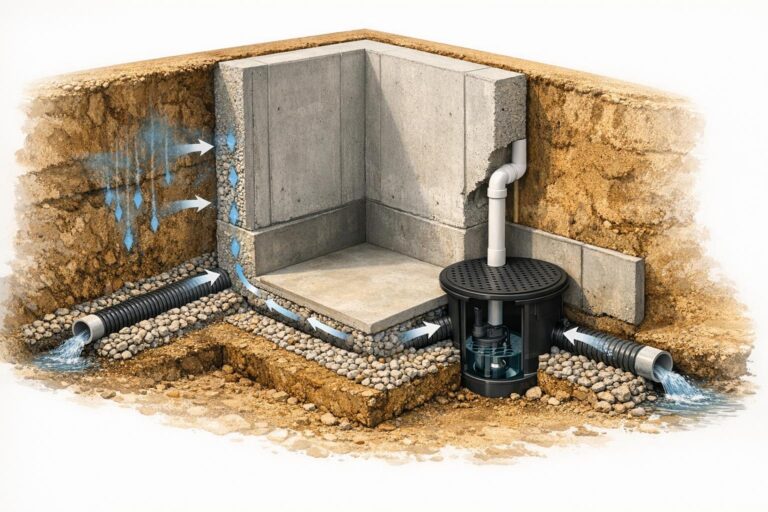
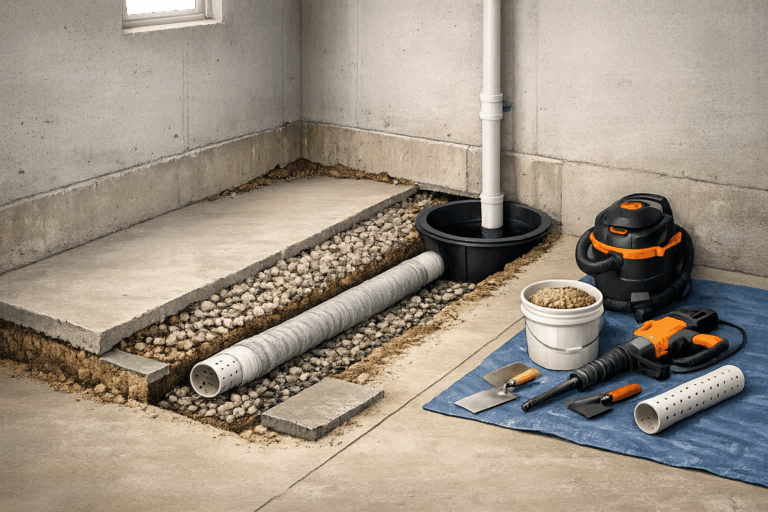
- Interior waterproofing is designed to manage moisture that has already made its way inside. This includes solutions like vapour barriers, drainage channels, and sump pump systems. Interior methods work well for issues like condensation or when exterior excavation isn’t practical.
- Exterior waterproofing, on the other hand, prevents water from reaching your foundation walls. This involves applying solvent-free membranes to the outside and improving drainage systems.
For homes built with porous materials like brick or stone – especially common in older Toronto neighbourhoods – breathable coatings are a must. Unlike traditional sealants that trap moisture inside walls, breathable membranes allow water vapour to escape while keeping liquid water out. This is especially important during Canada’s freeze–thaw cycles. Trapped moisture can freeze, expand, and cause serious structural damage. High-quality liquid rubber waterproofing, applied in two or three coats (each layer perpendicular to the last for seamless coverage), can provide protection for up to 20 years.
“Proper waterproofing extends the lifespan of buildings, reduces repair costs, and enhances occupant comfort by preventing moisture-related issues.” – Dr. Ronita Bardhan, University of Cambridge
Working with Leaquida Waterproofing
Leaquida Waterproofing offers practical, transparent services tailored to local needs. Their interior waterproofing options include drainage upgrades, sump pump installations, and vapour barriers, with costs ranging from CA$70 to CA$120 per linear foot. For exterior waterproofing, which involves excavation, membrane application, and drainage improvements, pricing falls between CA$100 and CA$250 per linear foot, depending on soil conditions. Repairing isolated foundation cracks costs CA$500 to CA$1,200 per crack, depending on accessibility. Every project includes clear pricing and comprehensive warranties, so there are no surprises once the work begins.
Conclusion
Eco-friendly waterproofing tackles both the environmental concerns and financial pressures facing Canadian homeowners. These solutions offer a range of advantages, such as reduced VOC emissions, better indoor air quality, and the ability to remain flexible even at temperatures as low as –25°C. Products certified by LEED and WELL stand up to the equivalent of 10 years of outdoor wear and tear, thanks to rigorous testing totalling 1,680 hours.
The numbers make a strong case for action. In 2023 alone, severe weather caused CA$3.1 billion in insured damages across Canada. Investing in proactive waterproofing can save homeowners significant costs, with every CA$1 spent potentially preventing up to CA$6 in future repairs. However, proper application is crucial – around 10% of waterproofing projects fail due to issues like poor surface preparation, inadequate coating thickness, or bad timing with weather conditions.
Leaquida Waterproofing has the expertise to ensure success from the start. Whether it’s interior drainage improvements, exterior membrane applications, or foundation crack repairs, their team provides end-to-end solutions with clear pricing and solid warranties. For a dry, healthy, and long-lasting home, professional installation turns a quality product into a dependable solution.

 CLOGGED OR BROKEN WEEPING TILE