
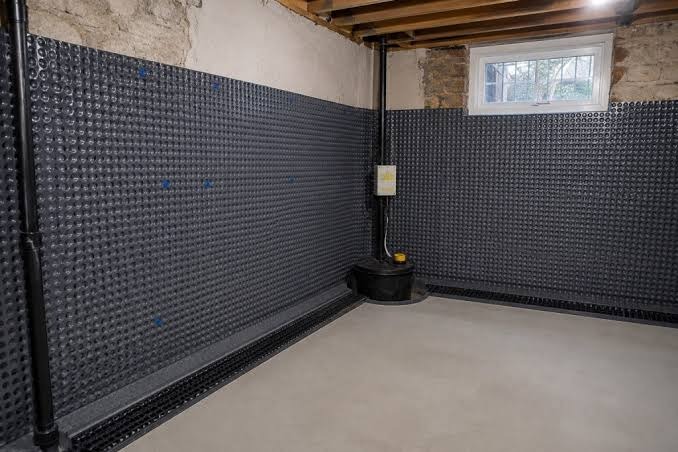
Yes, interior basement waterproofing can help control water intrusion, reduce moisture, and protect your basement from ongoing damage. It is often a practical option for Toronto homeowners who want to address leaks without extensive excavation around their foundation. However, the right solution depends on where the water comes from, the condition of the foundation, and how severe the problem is.
If you are researching how to waterproof a basement from the inside, start by identifying the source of the moisture. Water may enter through foundation cracks, seep through porous concrete, or accumulate beneath the basement floor due to groundwater pressure. Each situation requires a different approach.
Interior drainage systems, waterproof membranes, and crack injection can all help, but no single method works for every property. Understanding your options will help you choose a solution that protects your basement over the long term.
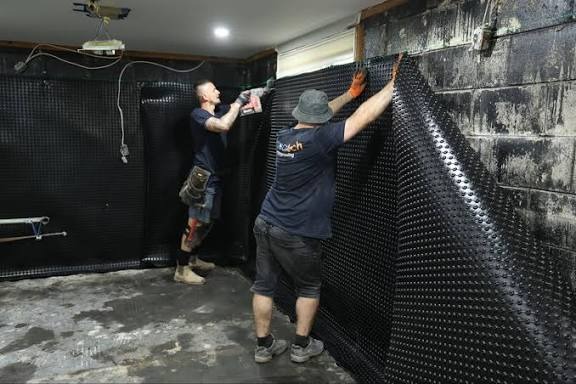
How Does Interior Basement Waterproofing Work?
Interior basement waterproofing manages water that reaches the inside of a foundation or enters through its walls and floor. Instead of relying entirely on an exterior barrier to keep groundwater away, these systems collect, redirect, or control moisture before it causes significant damage.
The appropriate system depends on how water enters the basement.
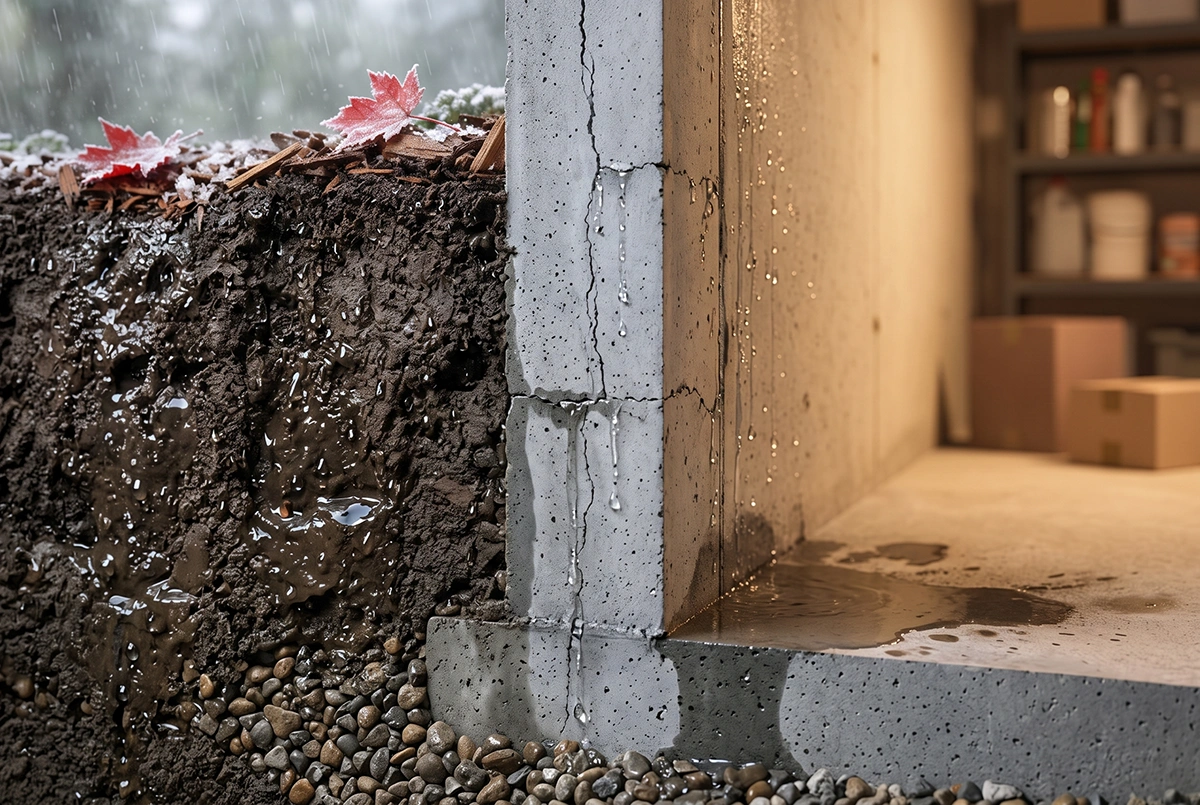
For example, water seeping through the joint where the basement floor meets the foundation wall may indicate groundwater pressure beneath the structure. A visible crack, on the other hand, may allow water to enter at a specific point. Condensation caused by high indoor humidity requires a different solution altogether.
Common components of interior waterproofing include:
- Perimeter drainage: Channels installed along the basement perimeter collect water and direct it toward a designated discharge point.
- Sump pump: A pump removes collected water from a sump pit and directs it away from the foundation.
- Wall membranes: Special membranes manage moisture on basement walls and guide it toward the drainage system.
- Crack repair: Suitable foundation cracks can be sealed to reduce or stop water infiltration through the affected area.
In Toronto and the Greater Toronto Area (GTA), seasonal rainfall, snowmelt, and changing groundwater conditions can contribute to basement moisture. A properly designed interior system can help manage these conditions, provided the underlying cause is correctly identified.
It is important to understand that interior waterproofing does not necessarily prevent water from reaching the exterior foundation walls. Instead, it manages water that gets inside or enters through vulnerable areas. This distinction matters when choosing between interior and exterior solutions.
What Are the Best Methods for Waterproofing a Basement From the Inside?
The most suitable approach depends on the foundation material, the location of the leak, and whether water enters occasionally or regularly. In some cases, one repair is sufficient. In others, combining drainage, wall protection, and crack repair provides better results.
Interior Drainage Systems
An interior drainage system is commonly used when water enters along the basement perimeter, appears at the wall-floor joint, or accumulates beneath the floor.
Depending on the property and the system design, a drainage channel may be installed along the inside edge of the basement floor. Water entering the system flows toward a sump pit, where a sump pump removes it from the basement.
This approach can be particularly useful when:
- Water appears along the bottom of foundation walls.
- The basement experiences recurring seepage after heavy rain.
- Groundwater pressure contributes to water entering through the floor.
- Isolated crack repairs have not resolved the problem.
A complete system should also account for pump maintenance, appropriate water discharge, and the possibility of power outages. A backup pump or power supply may be worth considering where basement flooding is a significant concern.
Interior drainage is not a universal fix. If water enters through a damaged foundation or an exterior drainage failure, additional repairs may be necessary to address the source.
Waterproof Membranes and Wall Sealants
Interior waterproof membranes help manage moisture that reaches basement walls. Depending on the product and installation method, a membrane may direct water downward toward a drainage channel or provide a protective layer against moisture.
Wall coatings and sealants can also be useful in specific situations. Some products help reduce moisture penetration through suitable masonry surfaces, while others are designed to seal particular joints or minor defects.
However, these products have limitations.
Applying waterproof paint over a leaking wall does not necessarily resolve the pressure forcing water through the foundation. If groundwater is pushing against the wall, a surface coating may eventually blister, peel, or fail.
Before choosing a membrane or sealant, consider:
- Whether the wall is concrete, concrete block, brick, or stone.
- Whether moisture is coming through the wall or condensing on its surface.
- Whether visible cracks or deteriorating mortar need repair.
- Whether water pressure requires a drainage system.
For older Toronto homes, foundation material and condition are especially important. A solution suitable for modern poured concrete may not be appropriate for an older stone or brick foundation.
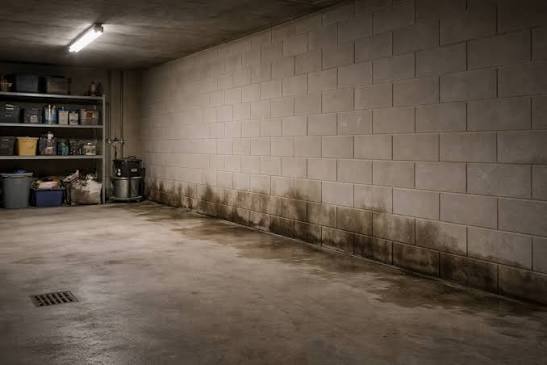
Crack Injection
Crack injection is a targeted method for addressing water infiltration through suitable foundation cracks. A professional injects a repair material into the crack to seal the pathway through which water enters.
Two common materials are polyurethane and epoxy, although they serve different purposes.
Polyurethane injection is often used to seal leaking cracks because the material can expand and accommodate some movement. Epoxy injection is generally used for suitable cracks where structural bonding is required, following an assessment of the damage.
Crack injection may be appropriate when a leak comes from one identifiable crack and the surrounding foundation remains in suitable condition.
However, it will not resolve every basement water problem. If several areas are leaking or groundwater is entering beneath the floor, a drainage system may be necessary. Cracks associated with significant movement, displacement, or structural damage should be assessed before repair.
Is It Better to Waterproof a Basement From Inside or Outside?
Interior and exterior waterproofing serve different purposes. The better option depends on the source of water, the foundation’s condition, accessibility, and the extent of the problem.
- Exterior waterproofing aims to prevent water from reaching the foundation wall. Work may involve excavation, repairing the wall, applying a waterproofing membrane, and improving drainage where needed.
- Interior waterproofing manages water that reaches the inside of the foundation. Depending on the problem, it may involve drainage channels, a sump pump, wall membranes, or targeted crack repairs.
Here is how the approaches compare:
| Factor | Interior Waterproofing | Exterior Waterproofing |
| Main purpose | Collects or controls water entering the basement | Helps prevent water from penetrating foundation walls |
| Excavation | Usually limited or unnecessary outside | Typically requires excavation along affected walls |
| Installation | May involve removing sections of basement flooring | Requires access to the exterior foundation |
| Disruption | Can affect basement floors and interior finishes | Can disturb landscaping, walkways, decks, or driveways |
| Best applications | Recurring seepage, wall-floor joint leaks, and suitable interior drainage solutions | Exterior wall leaks, damaged waterproofing, and accessible foundation defects |
| Maintenance | Drainage components and sump pumps require inspection | Drainage and exterior components should also be inspected as appropriate |
Exterior waterproofing can be particularly effective when the problem originates outside the foundation and the exterior wall can be accessed. Interior systems may be more practical when excavation is difficult, expensive, or disruptive.
In some properties, combining the two approaches provides better protection. For example, exterior repairs may address water penetration through a foundation wall, while an interior drainage system manages groundwater entering through other vulnerable areas.
A professional assessment can help determine whether one method is sufficient or whether the property needs a more comprehensive solution.
What Are the Disadvantages of Interior Waterproofing?
Interior waterproofing can be effective, but homeowners should understand its limitations before choosing a system.
- It may not stop water from reaching the foundation. Interior drainage typically collects and redirects water after it enters the foundation area. The exterior wall may remain exposed to groundwater and moisture.
- Installation can disrupt the basement. Some systems require cutting or removing sections of the concrete floor. Flooring, finished walls, and stored belongings may need to be moved before work begins.
- Mechanical components require maintenance. If the system relies on a sump pump, the pump must remain operational. Blockages, mechanical failures, or power outages can affect its performance.
- Surface coatings may not withstand water pressure. Paints and sealants alone are unlikely to provide a reliable solution for significant water intrusion caused by hydrostatic pressure.
- Not every structural problem can be solved with waterproofing. Significant foundation movement, deteriorating masonry, or structural cracks may require additional repairs before a waterproofing system is installed.
These limitations do not mean interior waterproofing is a poor choice. They highlight why the solution should match the specific water problem rather than relying on a single product or temporary repair.
How Do I Stop Water From Seeping Through My Basement Walls?
The first step is to determine where the water comes from and how it enters the basement. Treating the visible moisture without addressing its source may lead to recurring leaks.
Start with these checks:
- Inspect gutters and downspouts. Make sure they are clear and direct roof runoff away from the foundation.
- Check the ground around your home. The grading should direct surface water away from the foundation rather than allowing it to collect beside the walls.
- Look for visible cracks. Note their location and whether water appears to enter through them. Cracks showing significant movement or displacement require professional assessment.
- Check the wall-floor joint. Water appearing along this joint may indicate groundwater pressure or a drainage issue.
- Distinguish leaks from condensation. Damp surfaces can result from humid indoor air contacting cold basement walls. Improving ventilation and humidity control may help when condensation is the cause.
If the problem is minor and related to surface drainage, correcting downspouts or grading may reduce water around the foundation. A suitable crack repair may be enough for an isolated leak.
Recurring seepage, water appearing in multiple locations, or flooding after heavy rainfall may require a professional waterproofing assessment. Depending on the findings, the solution could involve an interior drainage system, a sump pump, exterior repairs, or a combination of methods.
Homeowners looking to waterproof basement walls from inside should avoid covering damp surfaces with paint or finishing materials before identifying and correcting the moisture source. Trapped moisture can damage finishes and contribute to mould growth.
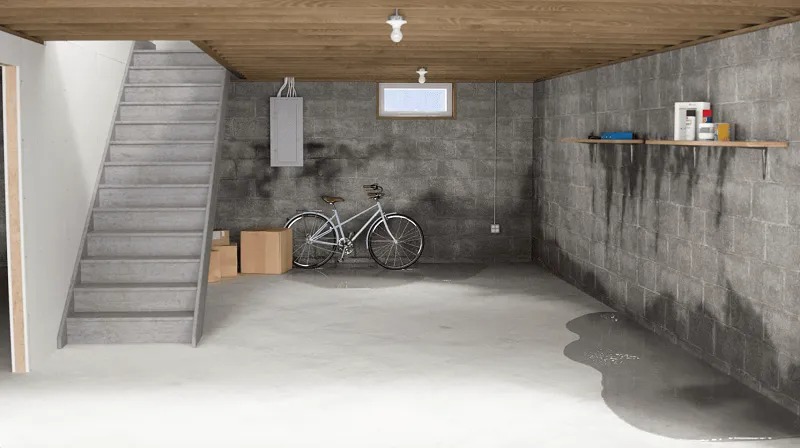
How Long Does Interior Basement Waterproofing Last?
The lifespan of an interior waterproofing system depends on the materials used, installation quality, foundation conditions, and maintenance.
A professionally installed drainage system can provide long-term water management when it is designed for the property and kept in good working condition. However, no system should be considered maintenance-free.
To support reliable performance:
- Have the drainage system inspected periodically.
- Test the sump pump according to the manufacturer’s recommendations.
- Keep the sump pit accessible and free of obstructions.
- Consider a backup pump or power supply if flooding would cause significant damage.
- Monitor foundation walls for new cracks, movement, or recurring moisture.
- Address gutter, downspout, and grading problems that allow water to accumulate near the house.
If a leak returns after a repair, investigate the cause rather than repeatedly applying sealant. New seepage may indicate a drainage issue, a change in groundwater conditions, or a foundation defect that was not addressed by the original work.
Regular inspections can help identify problems early and reduce the risk of damage to basement flooring, drywall, insulation, and stored belongings.
Protect Your Basement With the Right Waterproofing Solution
Interior basement waterproofing can be a practical way to manage leaks, reduce moisture, and protect usable basement space. The most effective solution depends on whether water enters through foundation cracks, the wall-floor joint, porous masonry, or groundwater beneath the floor.
For some homes, a targeted crack repair or suitable wall membrane may be sufficient. Others may require perimeter drainage and a sump pump. Where water penetration originates outside the foundation, exterior waterproofing may be the more appropriate solution.
The cost to waterproof basement from inside depends on the size of the affected area, the foundation’s condition, the drainage requirements, and whether additional repairs are needed. A site assessment provides a more useful estimate than a general price range because it accounts for the actual conditions of the property.
Leaquida helps homeowners in Toronto and the GTA assess basement water problems and identify suitable waterproofing options. Whether you are dealing with occasional seepage or recurring leaks, a professional evaluation can help you understand the cause and choose an appropriate repair.
Contact Leaquida to discuss your basement waterproofing needs and find a solution tailored to your home’s foundation.

 CLOGGED OR BROKEN WEEPING TILE