
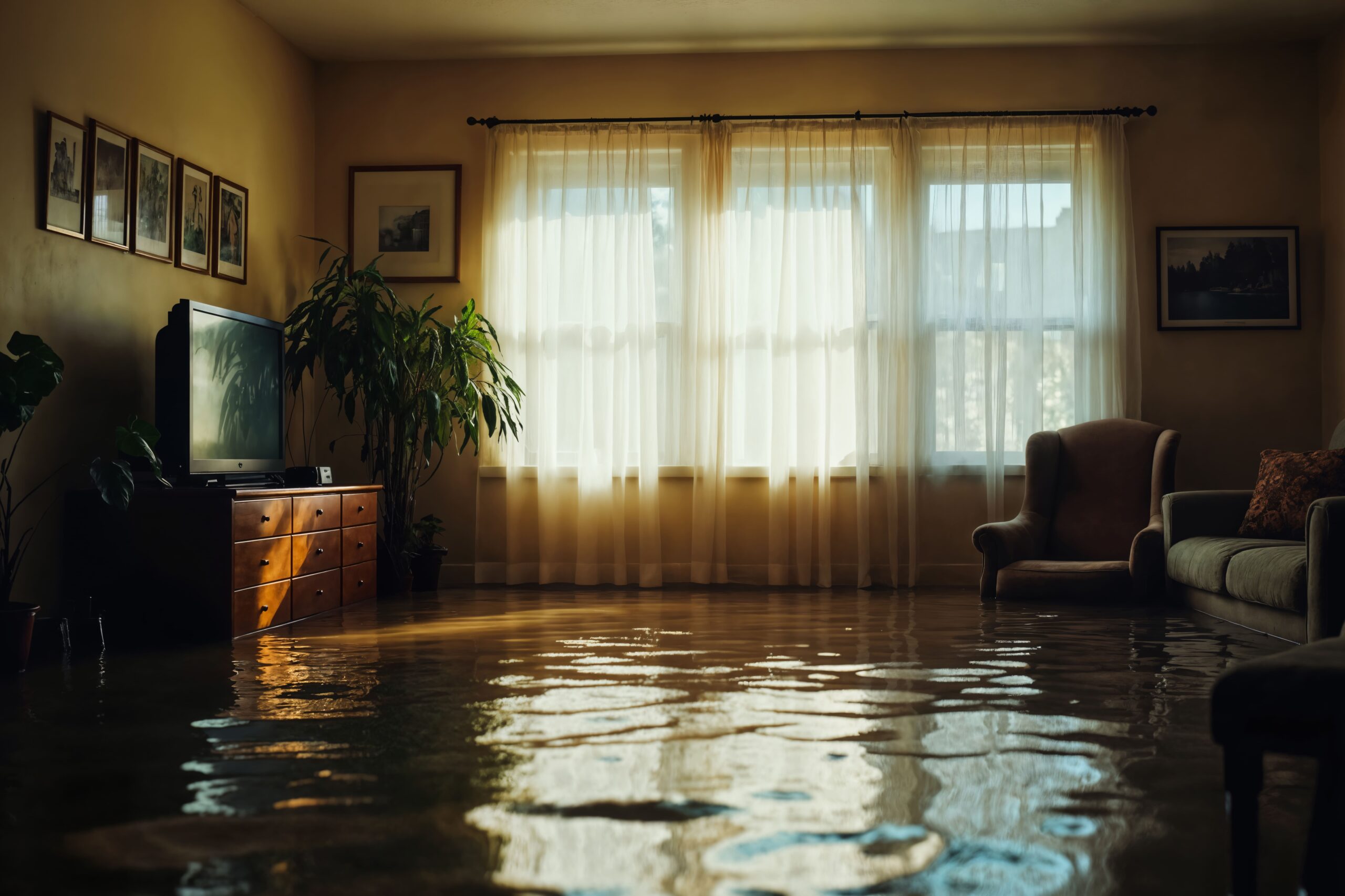
Heavy rainfall can put your basement at risk of leaks, flooding, and moisture damage. In Toronto, saturated soil, clogged drainage systems, and sudden downpours can increase the amount of water surrounding your home’s foundation. If your basement waterproofing or drainage system is not functioning properly, excess moisture may find its way indoors.
Preparing your basement before a major storm can help reduce the risk of water damage and protect your property. From checking your sump pump to inspecting foundation walls, a few preventive measures can help identify potential problems before they become expensive repairs.
Why Heavy Rain Can Cause Basement Flooding in Toronto?
Several factors can contribute to basement flooding during periods of heavy rainfall. Understanding the source of the problem is essential for choosing the right preventive measures.
Heavy Rainfall and Saturated Soil
When heavy rain continues for several hours or days, the soil surrounding your home can become saturated. Once the ground can no longer absorb water effectively, excess moisture may collect around the foundation and increase hydrostatic pressure against basement walls and floors.
This pressure can force water through existing cracks, construction joints, and other weak points. In some cases, homeowners may notice water leaking into basement after heavy rain even if the basement has remained dry during previous storms.
Properties with poor drainage or high groundwater levels may be particularly vulnerable. Ensuring that rainwater is directed away from the house can help reduce moisture accumulation around the foundation.
Poor Grading and Drainage Around the Foundation
The ground around your home should slope away from the foundation to help rainwater drain toward appropriate collection or discharge areas. If the soil slopes toward the house, has settled over time, or contains low spots, water can accumulate near basement walls.
Improper grading may become more noticeable during intense rainfall, when large amounts of runoff reach the ground in a short period. Over time, repeated water accumulation can increase the likelihood of foundation moisture problems.
Correcting the slope and addressing low areas around the house can improve surface drainage. However, grading should be assessed alongside other drainage components if water continues to collect near the foundation.
Clogged Gutters and Downspouts
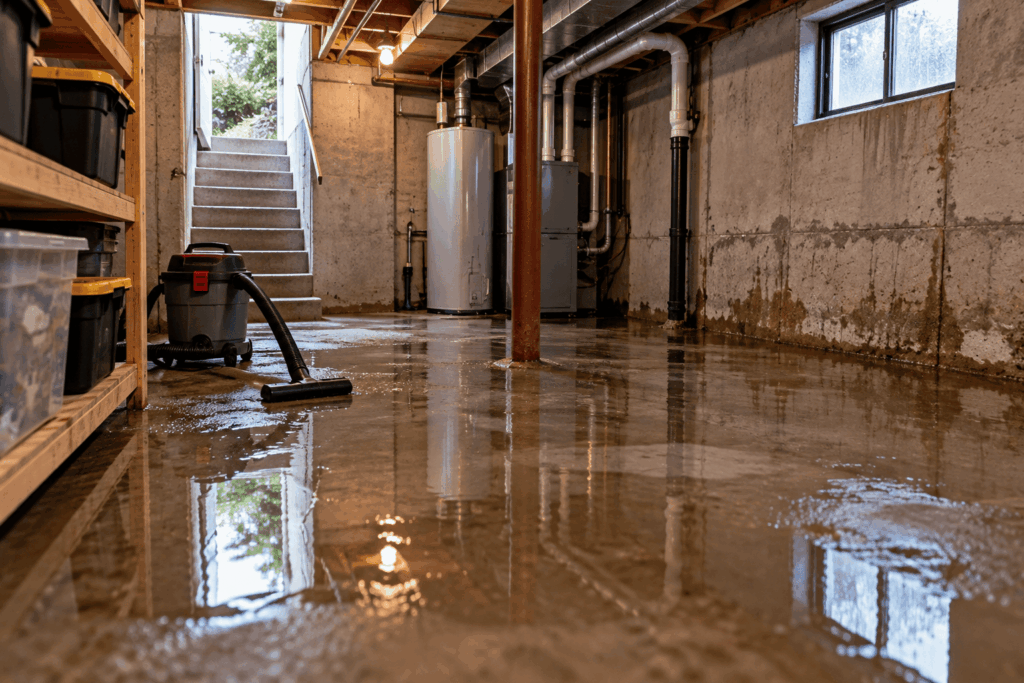
Gutters and downspouts help carry rainwater from the roof away from the house. When gutters are blocked by leaves, dirt, or debris, water may overflow and saturate the soil directly beside the foundation.
Downspouts that discharge too close to the building can create a similar problem. During a storm, concentrated runoff may overwhelm the surrounding soil and increase the risk of basement leaks.
Cleaning gutters regularly, checking for damaged connections, and extending downspouts to a suitable discharge point can help prevent unnecessary water accumulation.
Foundation Cracks and Waterproofing Issues
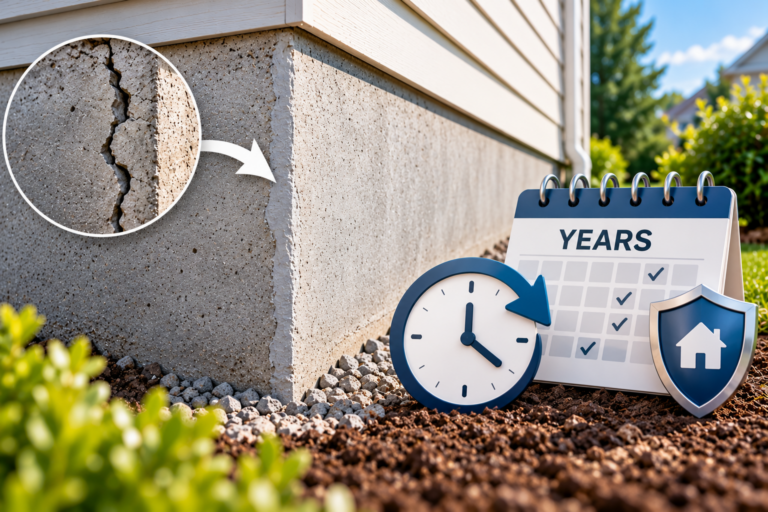
Cracks in foundation walls, deteriorated joints, and damaged waterproofing membranes can allow water to enter the basement. Even small openings may become entry points when the surrounding soil becomes saturated and water pressure increases.
Homeowners experiencing basement leaks in heavy rain may notice damp patches, peeling paint, water stains, or visible seepage along foundation walls. The location and severity of the moisture can help indicate where further inspection is needed.
Depending on the cause, repairs may involve sealing foundation cracks, restoring exterior waterproofing, or improving drainage around the building. Addressing both the entry point and the source of excess water is important for long-term protection.
Sewer Backups and Overloaded Drainage Systems
Heavy rainfall can place additional pressure on municipal sewer infrastructure and private drainage systems. Under certain conditions, water may back up through basement floor drains or plumbing fixtures connected to an overloaded sewer line.
A backwater valve can help reduce the risk of sewage backing up into a home by allowing wastewater to flow out while restricting reverse flow. However, it does not prevent every type of basement flooding, including water entering through foundation walls or rising groundwater.
If you experience repeated backups, unusual drain odors, or water emerging from basement drains during storms, consider having your plumbing and drainage systems inspected by a qualified professional.
How to Prepare Your Basement for Heavy Rain?
Taking preventive action before a storm can help you identify vulnerabilities and reduce the risk of water entering your home.
Inspect Foundation Walls and Floors for Cracks
Walk through your basement and inspect visible foundation walls, floor surfaces, corners, and joints. Look for new cracks, damp patches, white mineral deposits, peeling paint, or signs of previous water intrusion.
Pay particular attention to areas around windows, utility penetrations, and the junction between the walls and floor. These locations may reveal early signs of moisture problems.
If you discover a new or widening crack, recurring seepage, or unexplained dampness, arrange a professional assessment. Avoid assuming that every crack requires the same repair method, as the appropriate solution depends on its location, characteristics, and underlying cause.
Check Your Sump Pump
A sump pump helps collect and discharge groundwater that enters a sump basin. If your property relies on one, make sure it is functioning correctly before heavy rain arrives.
Check that the pump has power, the discharge line is unobstructed, and water can flow away from the foundation without returning toward the house. If it is safe to do so, follow the manufacturer’s instructions to test the pump using the recommended method.
Listen for unusual noises and watch for signs that the pump is cycling excessively or failing to remove water effectively. If the system does not operate as expected, arrange repairs before the next storm.
Clean Gutters and Extend Downspouts
Remove leaves and debris from gutters so rainwater can flow freely. Inspect the gutters for sagging sections, leaks, and loose connections that could cause water to spill near the house.
Check where your downspouts discharge. If water flows directly beside the foundation, install suitable extensions or another appropriate drainage solution to carry runoff away from the building.
Make sure the discharge point does not direct water toward neighboring properties, walkways where it could create hazards, or areas where it may collect and flow back toward the foundation.
Ensure Proper Grading Around Your Home
Inspect the soil around your property for depressions, erosion, and areas where rainwater tends to accumulate. If the ground slopes toward the foundation, water may collect against basement walls instead of draining away.
Correcting the grading can improve surface runoff and reduce the amount of water reaching the foundation. Any changes should preserve the required clearance around siding, windows, vents, and other building components.
If water continues to accumulate despite grading improvements, a more comprehensive drainage assessment may be necessary.
Test Your Basement Drainage System
Check accessible floor drains, sump basins, and other drainage components for visible obstructions or signs of malfunction. Make sure the areas around drainage openings are free from debris and that water can reach the intended collection points.
If your home has a perimeter drainage system, also known as weeping tiles, its condition may affect how effectively groundwater is managed around the foundation.
Avoid opening or dismantling buried drainage components yourself. If you suspect a blockage or damaged pipe, a professional can determine whether inspection, cleaning, or repair is needed.
How to Protect Your Basement from Water Damage During a Storm?
Even after completing preventive maintenance, it is important to monitor your basement during periods of intense rainfall. Early detection can help you respond before a small leak becomes a larger problem.
Monitor Water Levels and Signs of Moisture
During a storm, check your basement for new damp spots, unusual odors, visible seepage, or water collecting near walls and floor joints.
If you have previously experienced water in basement after heavy rain, pay particular attention to the areas where the problem occurred. You may also want to keep a record of when leaks appear and how much rainfall precedes them. This information can help a professional identify the likely source.
Never enter standing water if electrical equipment, outlets, or wiring may be affected. Leave the area and contact the appropriate qualified professionals if there is an electrical hazard.
Keep Floor Drains Clear
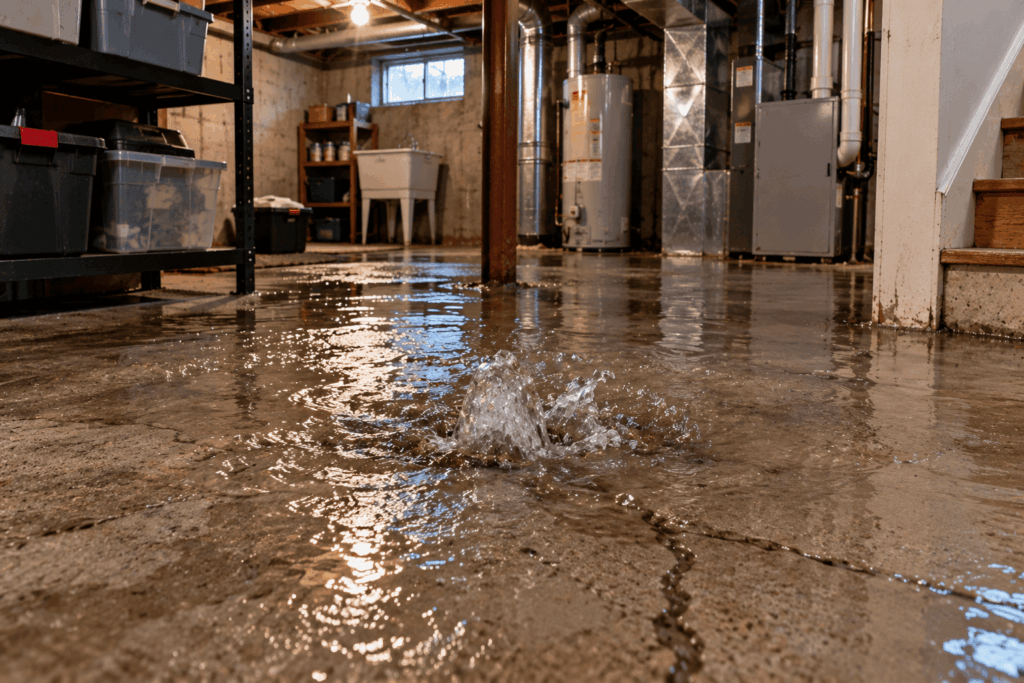
Basement floor drains help carry away certain types of water, depending on the home’s plumbing and drainage design. Before a storm, check accessible drain openings for dirt, debris, or other visible obstructions.
If water begins rising through a basement floor after heavy rain, the cause may involve groundwater pressure, a sewer backup, or another drainage issue. Do not assume that clearing the drain alone will resolve the problem.
Avoid pouring chemicals into drains to address an unexplained backup. If water repeatedly rises through a drain or several plumbing fixtures are affected, contact a qualified plumber to investigate.
Consider Installing a Backwater Valve
A backwater valve is designed to help prevent sewage from flowing backward into a home through connected plumbing lines. It may be a useful protective measure for properties vulnerable to sewer backups during heavy rainfall.
Installation requirements depend on the home’s plumbing configuration and local regulations. A qualified plumbing professional can assess whether a backwater valve is appropriate and explain any maintenance requirements.
Remember that a backwater valve protects against a specific type of flooding. It does not replace foundation waterproofing, proper grading, or groundwater drainage.
Make Sure Your Sump Pump Has a Backup Power Source
A sump pump depends on electricity unless it has a separate backup system. During severe storms, power outages can occur at the same time that groundwater levels are rising.
Depending on your property’s needs, options may include a battery backup pump, a compatible backup power system, or another professionally recommended solution. Check the manufacturer’s guidance and test the backup equipment according to its instructions.
Regular maintenance is essential because a backup system is only useful if it can operate when the primary pump or electrical supply fails.
How to Prevent Basement Flooding in Toronto Long-Term?
Preparing for individual storms is helpful, but long-term prevention requires attention to the entire drainage and waterproofing system.
Maintain Your Foundation Waterproofing
Exterior waterproofing helps prevent groundwater from penetrating foundation walls, while appropriate interior drainage systems can manage water that reaches designated collection points.
If your basement has a history of leaks, assess whether the existing waterproofing system remains effective. Damaged membranes, deteriorated materials, and unresolved drainage problems may require professional attention.
The appropriate solution depends on the condition of the foundation, the source of moisture, and the design of the existing system.
Repair Foundation Cracks Promptly
Foundation cracks can develop due to concrete shrinkage, settlement, temperature changes, or other factors. Although some cracks are minor, others may allow water to enter or indicate movement that requires further investigation.
Have recurring leaks, widening cracks, and cracks accompanied by displacement assessed by a qualified professional. Depending on the findings, repairs may involve crack injection, localized waterproofing, or more extensive foundation work.
Repairing the opening without addressing the source of water pressure may not provide a lasting solution.
Improve Exterior Drainage
Effective exterior drainage helps carry rainwater away from the foundation before it can accumulate in the surrounding soil.
Keep gutters and downspouts in good condition, maintain suitable grading, and address areas where runoff repeatedly collects. Depending on the property’s conditions, additional measures such as a French drain or other engineered drainage solution may be appropriate.
The goal is to manage water safely and consistently without transferring the problem to neighboring properties or other vulnerable areas.
Inspect Weeping Tiles and Sump Pump Systems
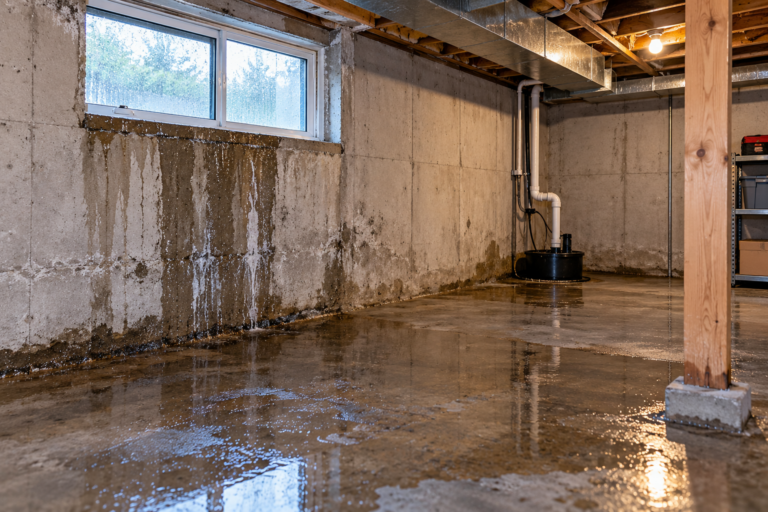
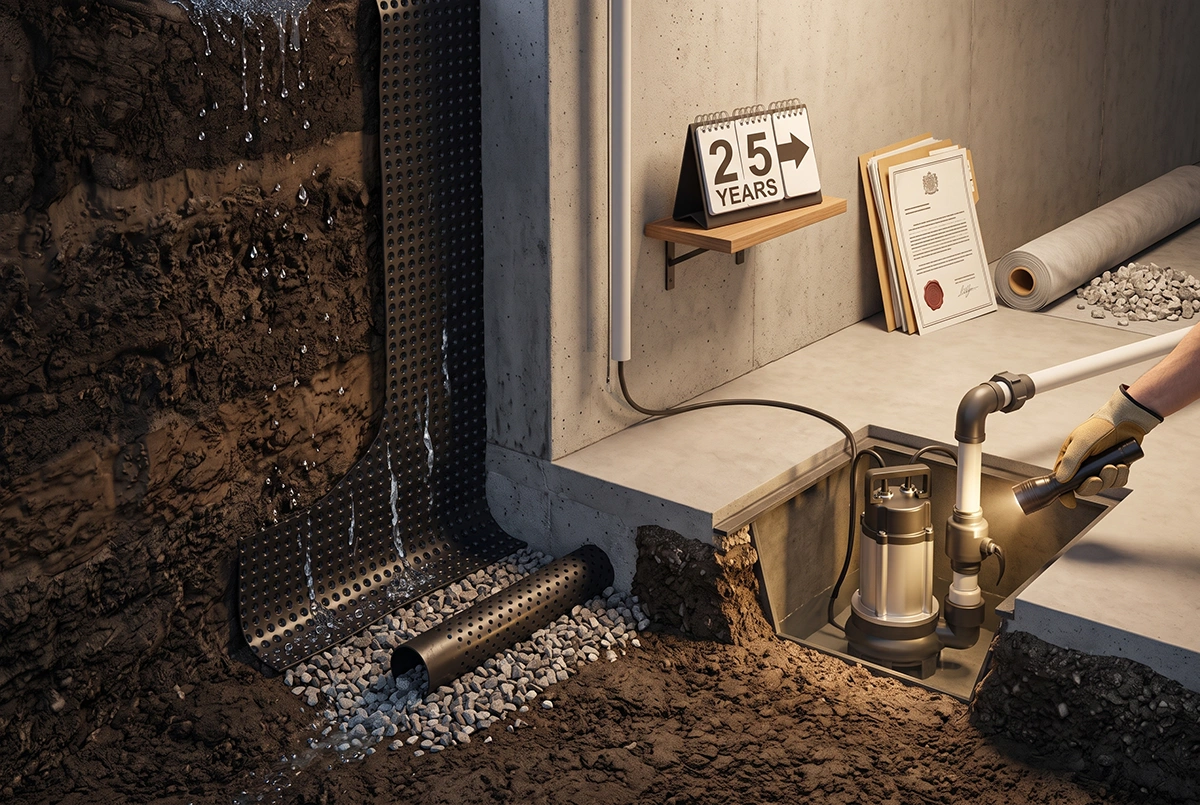
Weeping tiles help collect and redirect groundwater around a foundation. When these pipes become obstructed or damaged, water may accumulate around basement walls.
If your basement experiences recurring seepage despite surface drainage improvements, the perimeter drainage system may need further investigation. A professional can assess whether the weeping tiles, sump basin, and discharge arrangements are functioning as intended.
Routine sump pump maintenance and prompt attention to drainage problems can help keep the system operating effectively.
Schedule Regular Basement Inspections
Regular inspections can help you identify developing problems before they cause significant damage. Check foundation walls, basement corners, visible plumbing, sump pump components, and areas where water has entered previously.
It is also useful to inspect gutters, downspouts, and exterior grading before periods of heavy rainfall and after major storms. Addressing small maintenance issues early may reduce the likelihood of more extensive repairs.
If you notice recurring moisture or signs of foundation deterioration, arrange a professional assessment rather than waiting for the next major storm.
When Should You Call a Basement Waterproofing Specialist?
Some preventive measures, such as cleaning gutters and checking downspouts, can be handled as part of routine home maintenance. However, persistent moisture, repeated leaks, or suspected drainage failures may require professional evaluation.
Consider contacting a basement waterproofing specialist if:
- Water repeatedly enters your basement during or after rainfall.
- You notice new or widening foundation cracks.
- Your sump pump cannot keep up with incoming water or frequently fails.
- Water appears to rise through floor joints or drains.
- Dampness, mold, or musty odors persist despite basic maintenance.
- You suspect damaged weeping tiles or ineffective exterior waterproofing.
A specialist can inspect the affected areas, assess potential sources of moisture, and recommend suitable repairs. Depending on the findings, the solution may involve foundation crack repair, exterior waterproofing, drainage improvements, or sump pump work.
For Toronto homeowners, preparing before heavy rain and addressing drainage problems early can help reduce the risk of basement water damage. If your basement has recurring leaks or your current system is not providing adequate protection, Leaquida can help assess your foundation waterproofing needs and identify appropriate options for your property.

 CLOGGED OR BROKEN WEEPING TILE