

A weeping tile system protects your home by redirecting groundwater away from the foundation. However, over time, issues like clogs, pipe damage, and poor drainage can lead to basement moisture, musty odours, and sump pump problems. These systems, especially older ones, face their biggest challenges during Canada’s spring thaw when snowmelt increases groundwater pressure.
Key Takeaways:
- Common Problems: Clogs from silt, root intrusion, pipe deterioration, and poor slope.
- Warning Signs: Damp basement walls, efflorescence (white residue), musty smells, and frequent or inactive sump pumps.
- Solutions: Repair damaged pipes, replace outdated systems, improve drainage with gravel and filter fabric, and upgrade sump pumps.
- Maintenance Tips: Inspect systems seasonally, clean discharge lines, and test sump pumps before spring thaw to avoid common maintenance errors.
Addressing issues early is crucial to avoid costly repairs. If your home is over 50 years old or shows signs of drainage failure, consider scheduling a professional inspection.
Uncovering A Hidden Problem: Seized Weeping Tile/French Drain Flap And Drain Cleanout Revealed!
sbb-itb-5761e20
What Is a Weeping Tile System?
A weeping tile system is a drainage solution designed to protect your foundation by collecting and redirecting groundwater. It works by using perforated or jointed pipes placed around the foundation footing. This setup helps to manage hydrostatic pressure – the force created by water-saturated soil pressing against your foundation. Without such a system, this pressure can push moisture into your basement. By funnelling water to a sump pit or a gravity-fed outlet, the weeping tile system keeps your basement dry and your foundation safe.
“Weeping tile – the perforated or jointed drainage pipe installed around a foundation footing – is the primary system for managing groundwater pressure against basement walls.” – DKI Burlington
Older weeping tile systems, often installed before the 1980s, used clay or concrete pipes with open joints. These older materials are more prone to clogging from silt or roots. In contrast, modern systems use perforated plastic piping, which is more durable and resistant to such issues.
Weeping tile systems can be installed in two main configurations: exterior and interior.
- Exterior systems are placed outside the foundation footing. Their job is to catch groundwater before it reaches the foundation walls.
- Interior systems are installed along the basement’s interior perimeter. These are typically added when exterior systems fail or age, dealing with water that has already made its way inside.
Here’s a quick comparison between the two systems:
| Feature | Exterior System | Interior System |
|---|---|---|
| Location | Outside the foundation footing | Inside the basement perimeter |
| Primary role | Stops groundwater from reaching walls | Handles water that bypasses the exterior system |
| Typical installation | During original construction or major excavation | As a remedy for failed or outdated exterior systems |
| Common pipe type | Perforated plastic (modern); clay/concrete (older homes) | Perforated plastic |
Understanding the differences between these systems is key when addressing issues with weeping tiles or considering repairs and upgrades. Each system serves a distinct purpose and plays a vital role in protecting your home from water damage.
Common Weeping Tile Problems
Even the best drainage systems don’t last forever. Below are three common problems that lead to weeping tile failures in Canadian homes.
Clogging from Silt and Debris
Over time, fine soil and organic debris infiltrate the pipe through its perforations or joints. This gradual buildup often goes unnoticed until the system stops working.
“A system that is fifty to sixty percent blocked drains slower than intended and may only function under average conditions. The same system at eighty percent blockage fails visibly only during high-demand events like spring thaw.” – DKI Burlington
Spring thaw in Canada is a major test for drainage systems. Rapid snowmelt and water-saturated soil create a surge of water around the foundation. A system that handled summer rain just fine might completely fail during the first big thaw of the year. To make matters worse, tree and shrub roots are drawn to the moisture near the foundation. These roots can infiltrate pipe joints, creating dense blockages and even shifting sections of the tile out of place.
Pipe Damage and Deterioration
Clogging isn’t the only issue – materials break down over time too. The lifespan of your weeping tile depends heavily on what it’s made from. Homes built before the 1970s often used clay or concrete pipes, which typically last 25 to 40 years. Plastic piping from the 1970s to 1990s has a lifespan of about 25 to 50 years. Modern perforated PVC pipes wrapped in filter fabric, however, are designed to last 50 years or more.
As these materials age, problems arise. Clay tiles can crack and their joints may separate, while older plastic pipes are prone to collapsing under soil pressure. When pipes break or collapse, groundwater can no longer drain away from the foundation, leading to a rapid buildup of hydrostatic pressure. Another issue is iron ochre – a thick bacterial sludge – which can clog even modern systems. These factors all contribute to reduced water flow and set the stage for further issues like poor slope or blocked discharge lines.
Poor Slope and Blocked Discharge Lines
Weeping tile systems rely on gravity to move water. For this to work, the pipes need a consistent downward slope leading to the sump pit or discharge point. If the soil shifts or the grading is insufficient, low points can develop in the pipe. These low points trap sediment, block water flow, and cause pooling around the foundation.
A blocked or poorly sloped discharge line can create a major problem. When water can’t exit properly, it pools at the foundation, increasing hydrostatic pressure. If your sump pump rarely runs during a heavy spring thaw – even when the ground is visibly saturated – it’s a strong sign that water isn’t draining as it should. These issues underscore the importance of regular maintenance to keep your drainage system functioning efficiently.
Warning Signs of Weeping Tile Failure
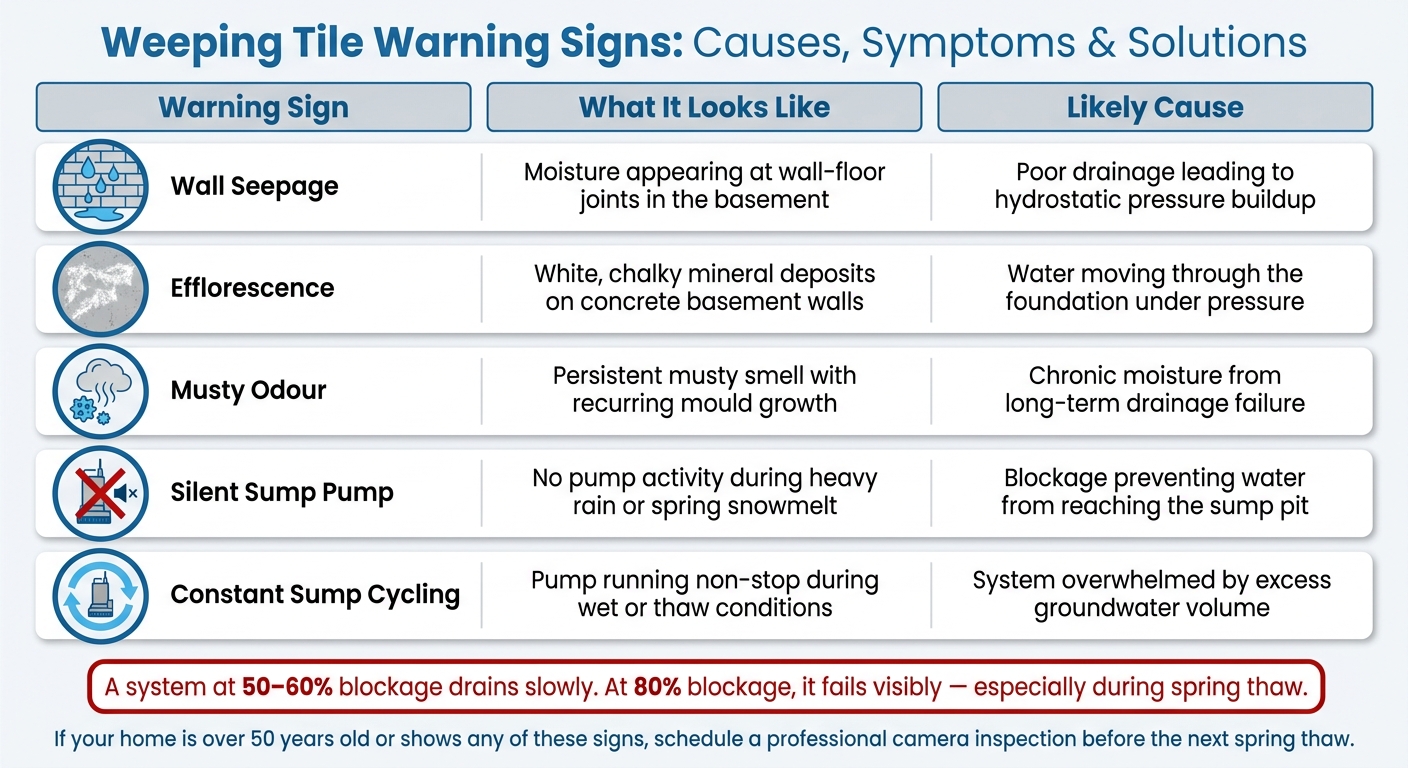
Weeping Tile Warning Signs: Causes, Symptoms & Solutions
Weeping tile systems don’t fail overnight. As DKI Burlington explains, “The challenge with weeping tile failure is that it develops over years or decades rather than suddenly.” By the time obvious damage shows up, your system may have been deteriorating for years. Spotting the early warning signs can help you address minor issues before they turn into costly repairs. These signs can help identify areas where the system is struggling.
Basement Seepage and Damp Walls
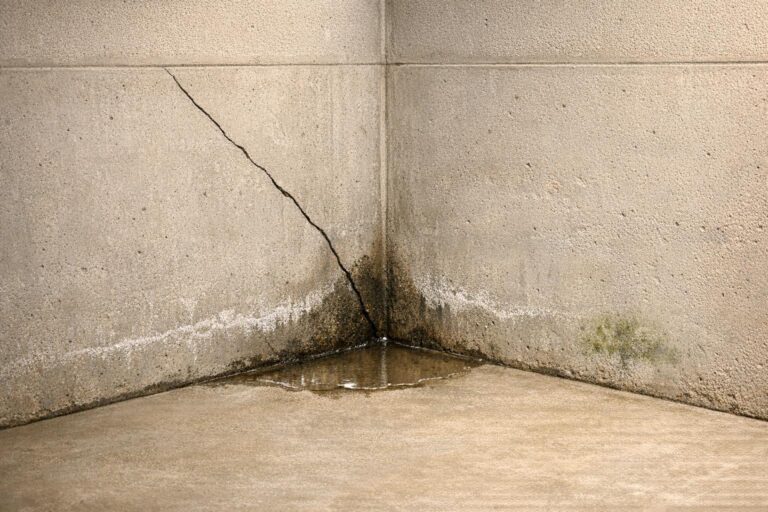
One of the clearest signs of a failing weeping tile system is moisture along the foundation walls, especially near the base. This often points to hydrostatic pressure building up because groundwater isn’t draining as it should. Pay close attention to the cove joint – the spot where the wall meets the floor. If moisture is seeping through there, it’s a strong indication that your drainage system isn’t doing its job. Acting quickly at this stage can prevent further damage.
Musty Smells and Efflorescence
Efflorescence, the white, chalky residue on basement walls, is another telltale sign. This occurs when water seeps through concrete, leaving behind mineral deposits. It’s a clear signal that water is moving through your foundation under pressure.
A persistent musty smell is another red flag. Damp conditions create the perfect environment for mould and mildew to thrive. As the RenoHouse Team warns, “Water damage compounds over time – what starts as a musty smell becomes mold, structural damage, and a significantly more expensive repair.” These visual and odour-related signs should prompt you to inspect your sump pump, another crucial indicator.
Frequent Sump Pump Cycling
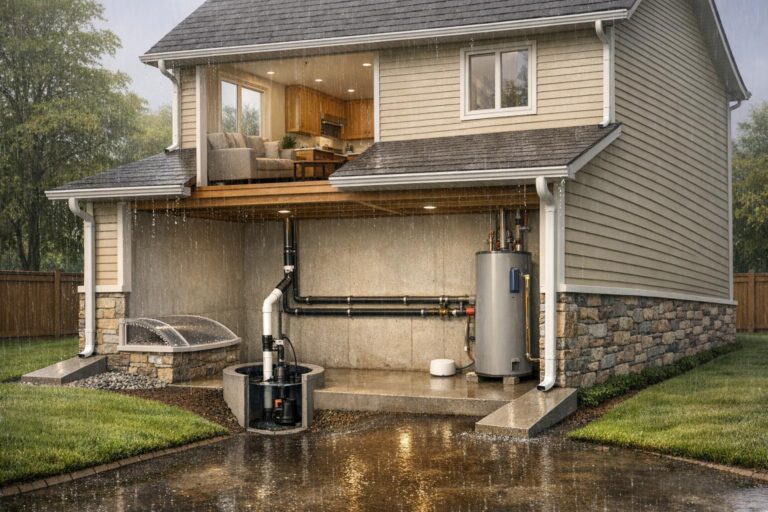
Your sump pump can provide important clues about your weeping tile system’s health. If the pump is running non-stop during rain, it could mean the system is overwhelmed. On the flip side, if the pump stays silent during a spring thaw, even when the ground is visibly saturated, it might signal a blockage or collapse preventing water from reaching the sump pit.
A quick check during wet weather can confirm this. If your sump pit is dry but your basement walls are damp, it’s a strong sign that the weeping tiles are no longer functioning properly. Addressing this issue early can save you from more extensive damage later.
| Warning Sign | What It Looks Like | Likely Cause |
|---|---|---|
| Wall seepage | Moisture at wall-floor joints | Poor drainage leading to hydrostatic pressure |
| Efflorescence | White, chalky residue on concrete walls | Water moving through the foundation |
| Musty odour | Persistent smell with recurring mould | Chronic moisture from drainage failure |
| Silent sump pump | No activity during heavy rain or snowmelt | Blockage stopping water from reaching the pit |
| Constant sump cycling | Pump running non-stop during wet weather | System overwhelmed by excess water volume |
Effective Solutions
Once you’ve spotted the warning signs, the next step is finding the right fix. Most weeping tile problems have straightforward solutions, whether it’s a targeted repair or a complete system replacement.
Repairing or Replacing Pipes
Many issues can be addressed without extensive excavation. If the damage is localized, a targeted repair might do the trick. Before starting any digging, always contact your local utility marking service to identify underground lines – it’s a critical safety measure.
For homes with older clay or concrete pipes (common in houses built before the 1980s), damaged sections can be swapped out with modern PVC or ABS pipes that match the existing diameter. These new sections are connected using adjustable rubber gaskets or stainless steel no-hub couplings. For smaller breaks, a PVC pipe cut lengthwise into a “C” shape can be placed over the damaged area and secured with epoxy. If tree roots caused the issue, trim them back and consider removing nearby trees or shrubs to prevent future problems. After making repairs, use a level to confirm the proper slope, and backfill the first 30–35 cm with clean, damp sand or gravel for stability.
If repairs aren’t enough, a full system replacement may be the best long-term option.
Installing a New Weeping Tile System
When damage is widespread, replacing the entire system may be necessary for reliable drainage. Older homes with little to no drainage maintenance often require a complete overhaul.
If exterior excavation isn’t feasible due to cost, landscaping concerns, or lot limitations, interior perimeter drainage can be a practical and effective alternative. As Canadian Home Inspection Services explains, “Internal waterproofing is often the approach of choice given the destructiveness of foundation excavation.” These systems are installed beneath the basement floor and direct water to a sump pit, addressing both hydrostatic pressure and any water already inside foundation block walls.
Adding Gravel and Filter Fabric
Whether you’re repairing an existing system or installing a new one, gravel and filter fabric are key to keeping your drainage system running smoothly. Gravel provides a permeable path that directs water toward the pipe, while non-woven geotextile fabric prevents soil from clogging the system. The layering process is essential: start with gravel, place the pipe, backfill with additional gravel, and wrap the entire setup with non-woven geotextile fabric, ensuring at least 15 cm of overlap at the edges. Avoid woven fabric, which is designed for load-bearing applications and doesn’t offer the same water permeability or clog resistance as non-woven geotextile.
Upgrading the Sump Pump System
Your drainage system is only as reliable as your sump pump. If your pump is too small, outdated, or lacks a backup, it could become the weak link in the system – especially during the Canadian spring thaw when groundwater levels rise dramatically. Upgrading to a higher-capacity pump ensures it can handle peak demand without overworking. Companies like Leaquida Waterproofing provide sump pump installation and maintenance as part of a comprehensive drainage solution, ensuring all components work together to protect your home from water damage.
DIY vs. Professional Repair
Choosing between tackling a repair yourself or hiring a professional can make a big difference in terms of time, money, and stress. When it comes to weeping tile maintenance, some tasks are manageable for homeowners, but others are far more complex. Getting it wrong can lead to expensive consequences.
Since weeping tile systems are buried, visual inspections alone won’t reveal the full picture. A professional camera inspection is the only way to detect hidden blockages or damage effectively. The table below outlines what tasks homeowners can take on themselves and which ones require professional expertise.
DIY and Professional Tasks Compared
| Task | DIY Homeowner | Professional Service (e.g., Leaquida Waterproofing) |
|---|---|---|
| Inspection | Look for signs like basement dampness, musty odours, or efflorescence | Use camera inspections to check buried pipes; analyse foundation moisture patterns |
| Maintenance | Clean eavestroughs, extend downspouts, and clear discharge line outlets | Perform high-pressure flushing of drainage lines; clean and test sump pump pits |
| Sump Pump | Test the pump float switch; keep the pit free of debris | Evaluate inflow rates to ensure water is reaching the pit |
| Repair | Apply interior sealant for minor surface cracks (as a temporary fix) | Excavate to footing level; repair or replace damaged pipe sections |
| Installation | Not recommended | Install full exterior or interior weeping tile systems; apply waterproof membranes |
| Prevention | Ensure proper landscape grading away from the foundation | Install filter fabric wraps and permeable gravel backfill to reduce silting risks |
Straightforward tasks like cleaning eavestroughs, extending downspouts, and testing the sump pump are well within a homeowner’s capabilities. These actions help reduce the water load on your drainage system.
However, anything involving buried pipes requires professional tools and expertise. Tasks like diagnosing root infiltration, assessing hydrostatic pressure, or confirming whether water is actually flowing to the sump pit are far beyond DIY territory. If your home is over 50 years old and has no record of drainage maintenance, it’s wise to call in a professional. Older clay or concrete tiles are likely nearing the end of their lifespan, and surface-level fixes won’t solve underlying issues. Experts like Leaquida Waterproofing can conduct a thorough camera inspection and evaluate your system before a small issue turns into a costly flood.
Preventive Maintenance Tips
Keeping your weeping tile system in good shape is essential for protecting your basement from water damage. Routine maintenance can help you avoid gradual failures that often go unnoticed until significant issues arise. By the time you spot a wet basement, the system may already be in bad shape.
Seasonal Inspections and Cleaning
Plan to inspect your system twice a year – once in the spring after the snow has melted and again in the fall before freezing temperatures set in. During these inspections, check the discharge line outlet to ensure it’s free of debris and look for new moisture stains or white, chalky deposits on your basement walls.
If your home was built before 1989, you likely have a backflow flapper and a “P” trap near the foundation wall. Locate the cleanout, remove the cover, and clear out any debris using a garden hose or wet vacuum. Regularly lubricate the flapper hinge to prevent it from seizing. Before winter, disconnect the sump pump’s discharge hose to avoid freezing and potential blockages.
Testing the Sump Pump
To ensure your sump pump is working properly, slowly pour water into the sump pit until the float activates the pump. Then, go outside and confirm that water is flowing freely from the discharge hose and away from your foundation. Check that the float moves without interference from the power cord or debris in the pit.
It’s especially important to perform this test before the spring thaw, as this is when your system faces its heaviest workload. A drainage expert explains:
“Spring thaw is the stress test that reveals how much capacity remains.” – DKI Burlington
If the ground is saturated but your pump isn’t running, it could mean water isn’t reaching the pit, possibly due to a blockage in the weeping tile. Additionally, if you notice oil floating in the pit, it could signal a failed pump seal, indicating the pump needs to be replaced promptly.
Regular testing helps ensure your pump is reliable and can also alert you to early signs of system trouble.
Acting on Warning Signs Early
Even a system operating at 50–60% capacity can fail suddenly as blockages increase to 80%. Pay attention to warning signs like musty odours, small damp patches, or frequent sump pump cycles, and have your system checked right away.
“The challenge with weeping tile failure is that it develops over years or decades rather than suddenly.” – DKI Burlington
Addressing problems early can save you a lot of money. Trenchless repairs typically cost between $2,000 and $5,000, while a full system replacement can range from $7,000 to $15,000. Acting quickly when issues arise can help you avoid larger, more expensive repairs later on.
Conclusion
A weeping tile system works quietly in the background, often unnoticed until problems start to appear. Over time, issues like silt buildup, root intrusion, and pipe decay can develop, with signs often surfacing during heavy spring thaws.
The encouraging part? Many of these problems can be avoided or kept under control with early action. Simple steps like regular inspections, clearing gutters, ensuring proper soil grading, and testing your sump pump before the spring melt can go a long way in protecting your basement without breaking the bank. Catching issues early not only saves money but also helps safeguard your foundation for the long haul.
That said, while routine maintenance can address minor concerns, more severe problems call for professional help. Collapsed pipes, ongoing seepage, or a sump pump that fails to activate despite waterlogged soil are signs that expert evaluation is needed. Given that these systems are buried, professional tools like camera inspections and sump pit assessments are invaluable.
For homeowners in Toronto and nearby areas, Leaquida Waterproofing provides expert drainage assessments, weeping tile repairs and replacements, sump pump installations, and complete interior and exterior waterproofing services. If your home is over 50 years old and you’re unsure about its drainage maintenance history, consider scheduling a proactive inspection before the next spring thaw to avoid unexpected and costly repairs.

 CLOGGED OR BROKEN WEEPING TILE