
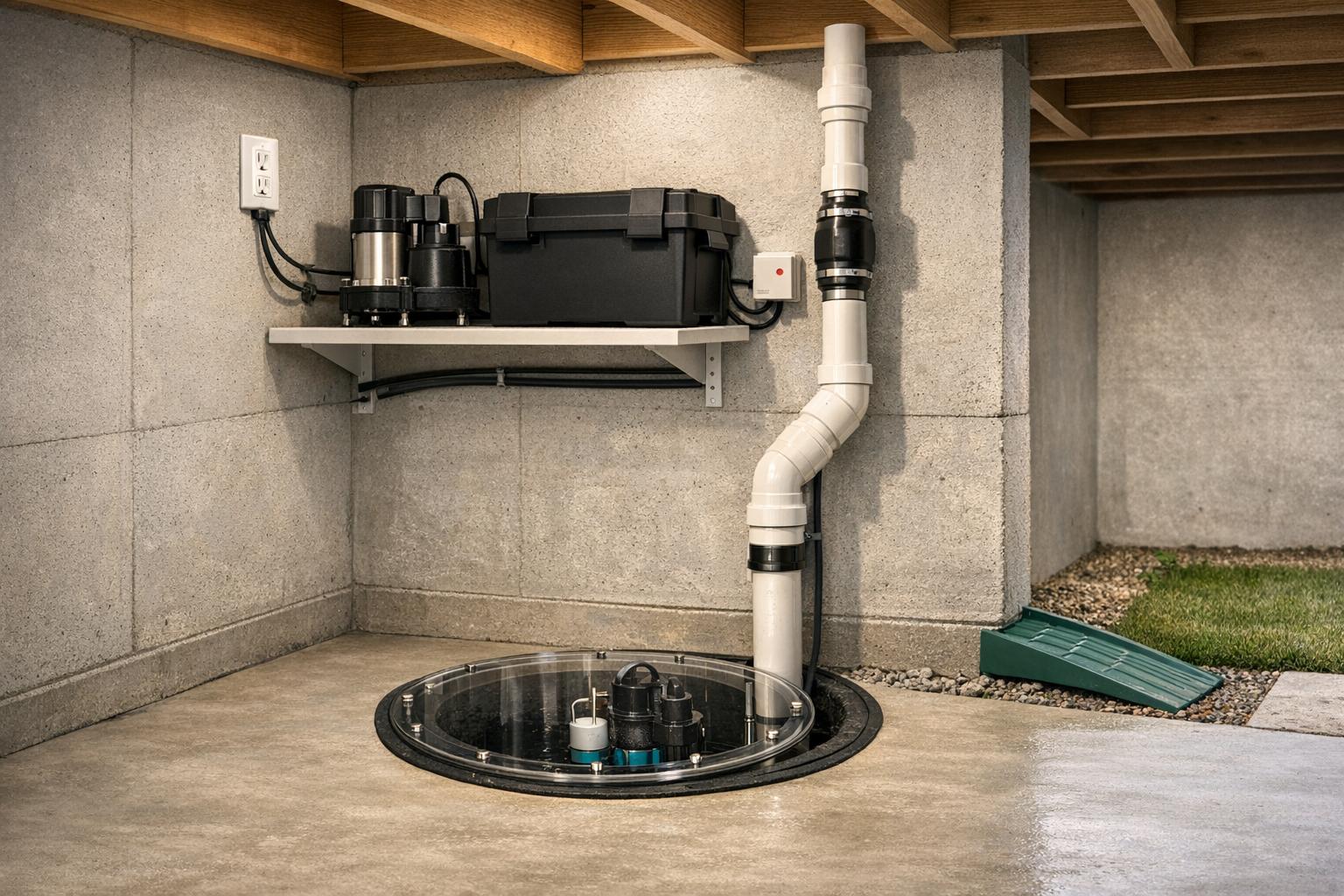
A sump pump is essential for protecting your basement from flooding, especially in areas like Toronto and the GTA, where heavy rains, snowmelt, and clay-rich soils increase water damage risks. However, common mistakes like neglecting maintenance, skipping backup power, or using an outdated pump can lead to costly flooding. For example, during the 2013 GTA flood, homes with backup systems avoided damages averaging $20,000–$40,000.
Key Takeaways:
- Maintenance is critical: Regularly clean the sump pit, test the pump, and inspect components like the float switch and discharge line.
- Backup power is a must: A battery or water-powered backup ensures the pump works during power outages.
- Know the signs of failure: Strange noises, continuous running, or failure to activate are warning signs.
- Replace old pumps: Most sump pumps last 7–10 years. Beyond that, failure risks increase.
Avoid a Flooded Basement 5 Sump Pump Mistakes to Fix Today
sbb-itb-5761e20
Why You Need a Sump Pump in Your Basement
A sump pump is your home’s first line of defence against basement flooding. Positioned in a small pit at the lowest point of your basement floor, it collects groundwater from your weeping tiles (perimeter drainage) and pumps it safely away from your house. A typical 1/3 horsepower residential pump can move between 1,500 and 2,000 gallons of water per hour, which is more than enough to handle most situations.
In Ontario, the Building Code mandates that homes without gravity drainage to municipal storm sewers must have a sump pump and pit. Since many homes in the province have below-grade basements, there’s a good chance this isn’t just a smart investment – it’s a legal requirement.
Sump Pumps and Ontario’s Climate
Ontario’s weather makes having a sump pump even more critical. Seasonal changes, especially in spring, bring snowmelt and heavy rains that cause water tables to rise sharply. Homes in areas with clay-heavy soil, such as Milton, Oakville, and Mississauga, are especially vulnerable. Clay soil drains poorly, leading to increased groundwater pressure on foundation walls.
The real danger often comes during severe storms, which tend to knock out power just when the water table is at its highest. Without a functioning sump pump, the risk of flooding skyrockets.
“Severe storm events… simultaneously cut power and drive the water table to its annual peak – the consequences can be catastrophic.” – DKI Burlington
In these conditions, a sump pit can overflow in as little as 30 to 90 minutes after the pump stops working. That leaves very little time before water begins to spread across your basement floor.
How Sump Pumps Work With Basement Waterproofing
A sump pump is a key part of a larger waterproofing system and doesn’t work in isolation. Your home’s weeping tiles collect groundwater and direct it into the sump pit, where the pump removes it from the property. If any part of this system fails – whether it’s clogged weeping tiles, a malfunctioning pump, or a frozen discharge line – the entire system is compromised.
That’s why companies like Leaquida Waterproofing approach sump pump installation as part of a comprehensive waterproofing strategy. By lowering the water table, the pump helps protect your foundation, mechanical systems, and living spaces. Treating it as just another appliance, instead of a critical component of an integrated system, is a common mistake many homeowners make.
Common Sump Pump Problems
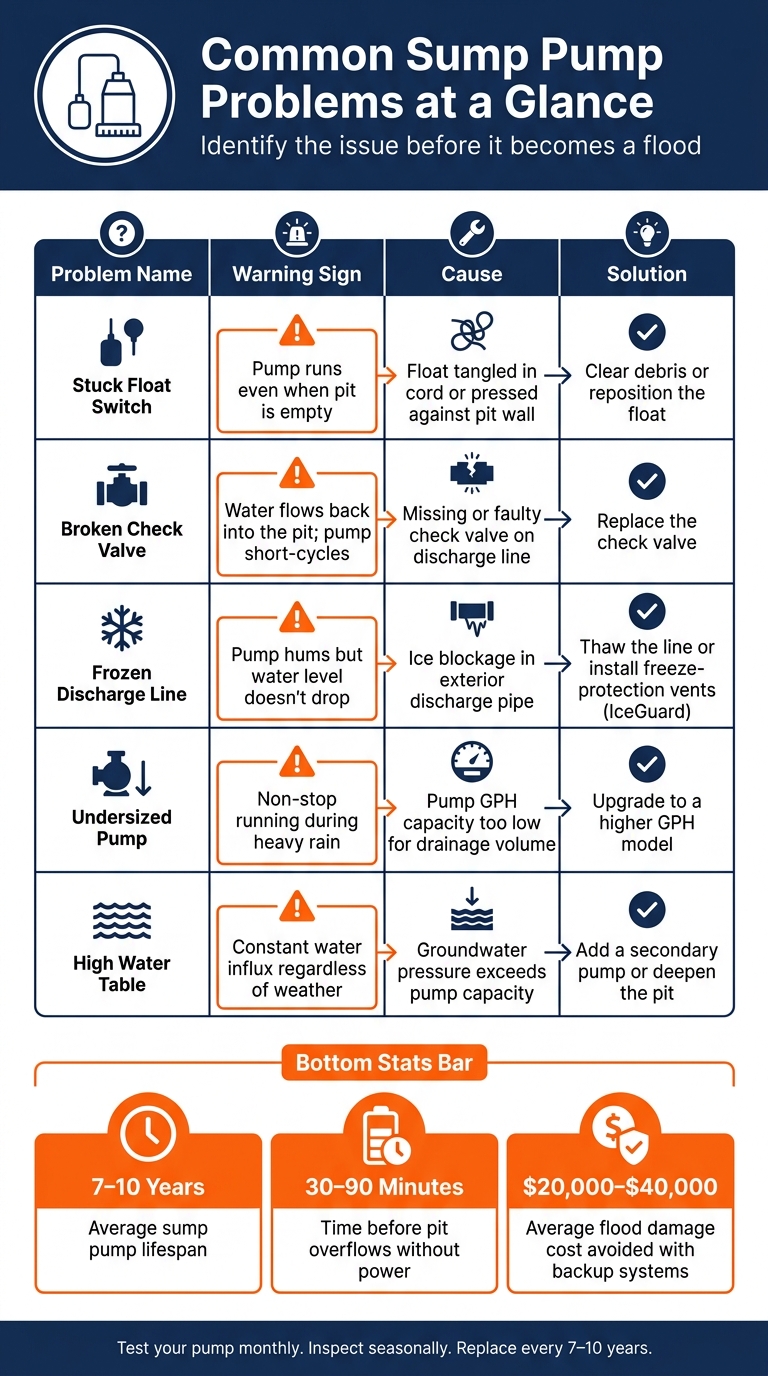
Sump Pump Problems: Causes, Warning Signs & Fixes
Even the most reliable sump pumps can fail. Most issues stem from a few recurring problems, and understanding these can mean the difference between a dry basement and an expensive mess. Below, we break down the most common problems, their warning signs, and how to fix them.
Sump Pump Clogged
Debris is the biggest enemy of any sump pump. Over time, silt, gravel, and dirt can build up in the sump pit, clogging the intake screen. When the intake gets blocked, the pump struggles to draw water effectively. During a heavy rainstorm, this reduced capacity increases the risk of flooding.
There are usually warning signs before a clogged pump fails completely. Strange grinding or rattling sounds often mean debris has made its way into the intake or impeller. You might also notice water pooling around the sump pit or a musty odour in the basement, both of which suggest the pump is struggling. Catching these signs early can save you from a complete mechanical failure.
Next, let’s look at what happens when the pump won’t turn on at all.
Sump Pump Failing to Turn On
A sump pump that doesn’t activate when water levels rise is one of the most serious issues you can face. Surprisingly, the problem is often not the motor but a stuck float switch. The float switch needs to move freely to signal the pump to turn on. If it gets stuck against the pit wall or tangled in the power cord, it can’t function properly.
Another common cause is a tripped circuit breaker or a faulty GFCI outlet cutting off power to the pump. Always check these first before assuming the pump itself is broken. Poor installation can also play a role – if the sump pit is too shallow or narrow, the float may never reach the activation point, no matter how high the water rises.
Keep in mind that most residential sump pumps have a lifespan of 7 to 10 years. As they near the end of that range, the risk of sudden motor failure or a seized impeller increases, often without any warning signs.
Sump Pump Running Continuously
A pump that never shuts off can overwork its motor, drive up your hydro bill, and fail when you need it most.
“A pump running continuously without water to cool it will overheat and burn out quickly.” – DKI Burlington
The most common reason for this is a broken or missing check valve. Without it, water that’s just been pumped out flows back down the discharge line and into the pit, forcing the pump to work on the same water repeatedly. During Ontario’s colder months, a frozen discharge line can also cause this issue. If the pipe is blocked, the pump keeps running because it can’t expel the water.
If your pump only runs non-stop during heavy rain, it may be too small for your home’s drainage needs. In that case, upgrading to a higher-capacity model might solve the problem.
Here’s a quick guide to common causes and their fixes:
| Cause | Sign to Watch For | Solution |
|---|---|---|
| Stuck float switch | Pump runs even when pit is empty | Clear debris or reposition the float |
| Broken check valve | Water flows back into the pit | Replace the check valve |
| Frozen discharge line | Pump hums, but water level doesn’t drop | Thaw the line or add freeze-protection vents |
| Undersized pump | Non-stop running during heavy rain | Upgrade to a higher GPH model |
| High water table | Constant water influx regardless of weather | Add a secondary pump or deepen the pit |
Regular checks and maintenance can help you catch these problems early and avoid a flooded basement.
How to Troubleshoot Sump Pump Problems
Sump pump problems usually fall into two categories: power supply issues and mechanical failures. If your pump is silent, it’s likely an electrical issue. On the other hand, if it hums but doesn’t move water, there could be a mechanical blockage. Here’s how to systematically troubleshoot and resolve these problems.
Troubleshooting a Sump Pump That Won’t Pump Water
When your sump pump isn’t doing its job, follow these steps to identify and fix the issue.
Start by confirming the pump is plugged in. Reset the circuit breaker and GFCI outlet, then test the outlet with another appliance to ensure it’s working. Manually lift the float switch to see if the pump activates – this can help you figure out if the float is stuck or if the motor is failing.
If the pump runs but the water level doesn’t drop, check the discharge line for blockages like ice or debris, especially during late fall or early spring. Look at the intake screen at the bottom of the pit for any silt or gravel buildup. You can also perform a bucket test: pour water into the pit and see if the pump activates and lowers the water level as expected.
| Component | Symptom | Action |
|---|---|---|
| Power/GFCI | Pump is silent; water is rising | Reset the GFCI outlet and check the circuit breaker |
| Float Switch | Pump won’t start or runs non-stop | Clear debris and make sure the float moves freely |
| Discharge Pipe | Pump runs but water level stays the same | Check for ice, debris, or animal nests in the line |
| Check Valve | Pump cycles on/off every few seconds | Inspect the valve for proper orientation or signs of failure |
| Intake Screen | Pump is noisy or vibrates | Remove dirt and gravel from the bottom of the pit |
Key Questions to Ask When Diagnosing Sump Pump Issues
Once you’ve completed the basic checks, consider these questions to narrow down the problem.
“A properly sized sump pump, connected to a correctly installed foundation drainage system, is a homeowner’s first line of defence against basement flooding.” – Flood Tech
Is your pump appropriately sized? A typical 1/3 horsepower pump for residential use can handle about 1,500 to 2,000 litres per hour. If your basement floods heavily during storms and the pump runs non-stop, it might not be powerful enough for your needs.
Next, evaluate your discharge setup. Does it include a check valve to prevent backflow? If you’re in a colder climate, an IceGuard or similar attachment at the foundation exit can stop winter backups.
Finally, think about your maintenance routine. If the sump pit hasn’t been cleaned in a while or if the pump is over seven years old, debris or age could be impacting its performance. Regular upkeep is key to keeping your sump pump in working order.
How to Prevent Common Sump Pump Mistakes
Avoiding sump pump problems can save you from costly repairs and the stress of dealing with a flooded basement. A regular maintenance routine is key to keeping your sump pump running smoothly and preventing common issues.
Setting Up a Regular Maintenance Schedule
To keep your sump pump in top shape, test it regularly. Pour about 20 litres of water into the sump pit and check that the float switch activates the pump to remove the water. Ideally, conduct a full check-up twice a year – once in early March before the spring thaw and again in late autumn before the ground freezes. Here’s a simple maintenance schedule you can follow:
| Frequency | Task |
|---|---|
| Monthly | Pour 20 L into the pit to check the pump’s activation. |
| Quarterly | Inspect the float switch and clear debris from the pit. |
| Annually | Check valves, discharge lines, and backup systems. |
| Every 3–5 Years | Replace backup batteries and assess the condition of the primary pump. |
“The pump that ran without issue for 12 years provides no guarantee it will continue to do so.” – DKI Burlington
How to Prevent Sump Pump Clogging
Clogs can reduce your sump pump’s efficiency, but regular upkeep can help you avoid this problem. Here are some tips to keep your system free of blockages:
- Place the pump on a sturdy brick to lift it above any debris that settles in the pit.
- Use a sealed sump pit lid to keep out dirt and debris.
- Clean the intake screen and impeller frequently. If you hear grinding or rattling sounds during operation, it might indicate debris is clogging the impeller.
- Ensure the discharge pipe directs water at least 2 to 3 metres away from your home’s foundation to prevent water from cycling back into the pit.
Why You Need a Backup Power Supply
Power outages are one of the most common reasons sump pumps fail in Ontario, often coinciding with severe storms when the pump is needed most. With the province’s unpredictable weather and frequent outages, having a backup power source is essential. Without power, a sump pit in a high-water-table area can overflow in as little as 30 to 90 minutes.
A battery backup system is a reliable solution, automatically kicking in during a power outage. These systems generally cost between $500 and $1,500 to install, or $1,500 to $3,000 for a combination unit with both a primary pump and a battery backup. Most battery backups provide 4 to 12 hours of operation, but remember to replace the batteries every 3 to 5 years to ensure they remain dependable.
For homes with steady municipal water pressure, a water-powered backup is another option. These systems use water pressure instead of electricity and can run indefinitely, though extended use may increase your water bill. Whichever backup system you choose, test it at least twice a year by unplugging the primary pump and confirming the backup system activates as expected.
Sump Pump Care to Prevent Basement Flooding
Keeping your basement dry requires regular sump pump maintenance and attention. Even a well-maintained pump can fail without proper seasonal checks. The difference between a pump that handles a spring storm effortlessly and one that quits at the worst moment often comes down to consistent care.
Seasonal Inspections for Reliable Performance
Late autumn and early spring are critical times to inspect your sump pump. These seasons bring the highest risk – frozen ground in winter and snowmelt in spring can overwhelm an unprepared system. A quick inspection during these periods can prevent costly flooding.
Here’s what to focus on during seasonal checks:
- Pump operation and discharge line: Perform a 20-litre activation test to ensure the pump is working correctly. Inspect the discharge line and check valve for any blockages or malfunctions. Make sure the discharge line is free of ice or debris and directs water at least 6 metres away from your home.
- Check valve: Confirm the check valve is functioning properly. If it’s faulty, water can flow back into the pit, causing the pump to short cycle and wear out faster.
For winter readiness, consider installing an IceGuard-style attachment where the discharge line exits your home. This allows water to escape even if the exterior pipe freezes solid.
“A pump approaching or past 10 years of service should be proactively tested and evaluated for replacement regardless of apparent function.” – DKI Burlington
Most sump pumps last between 7 and 10 years. If your pump is nearing this range, seasonal inspections are an ideal time to decide whether a replacement is necessary. Once you’ve confirmed your pump is in good working order, it’s worth reviewing common mistakes that can compromise its effectiveness.
Top Sump Pump Mistakes Homeowners Make
Skipping inspections isn’t the only misstep homeowners make. These common errors can lead to avoidable flooding or shorten your pump’s lifespan:
- Undersized pump: A typical 1/3 horsepower pump can move 1,500 to 2,000 gallons (about 5,700 to 7,600 litres) per hour. However, in areas with high water tables or clay-heavy soil, like parts of the GTA, this capacity might not be enough during heavy rainfall. If your pit fills quickly during storms, it’s worth consulting a professional about upgrading to a more powerful unit.
- Improper discharge pipe setup: A discharge pipe that’s too narrow, poorly sloped, or too close to your foundation can lead to pump failure. Always ensure the discharge point is far from your home and never directed toward a neighbour’s property or a septic system.
- Missing check valve: Without a check valve, water can flow back into the pit each time the pump shuts off, causing it to cycle unnecessarily and wear out faster. If your pump seems to run more often than it should, a missing or malfunctioning check valve is often the problem.
“A sump pump is not something you want to think about only when it fails.” – Flood Tech
Conclusion: Keep Your Basement Safe With Proper Sump Pump Use
Taking care of your sump pump is key to keeping your basement dry and secure. Its performance hinges on regular upkeep, so staying on top of maintenance can help you avoid costly mistakes. Simple steps like routine inspections, preventing clogs, and ensuring backup power are vital to keeping flooding at bay.
“A sump pump system is not a one-time investment, but rather an ongoing commitment to maintaining your home’s safety and preventing water damage.” – French Drain Man
A properly maintained sump pump does more than just keep water out – it protects your foundation, stops mould growth, safeguards electrical systems, and even boosts your home’s resale value. Experts also recommend having a backup power source, and adding a battery backup is a smart move to ensure your system works when you need it most.
If you’re unsure about your pump’s size, installation, or whether it’s time for a replacement, Leaquida Waterproofing provides professional sump pump services, including installation, maintenance, and interior basement waterproofing throughout Toronto and nearby areas. Scheduling an annual inspection with an expert can save you from costly water damage in the future.



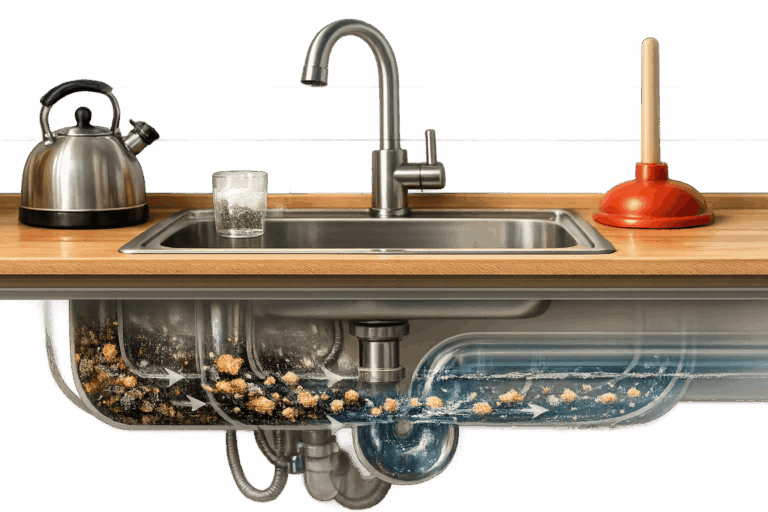
 CLOGGED OR BROKEN WEEPING TILE