
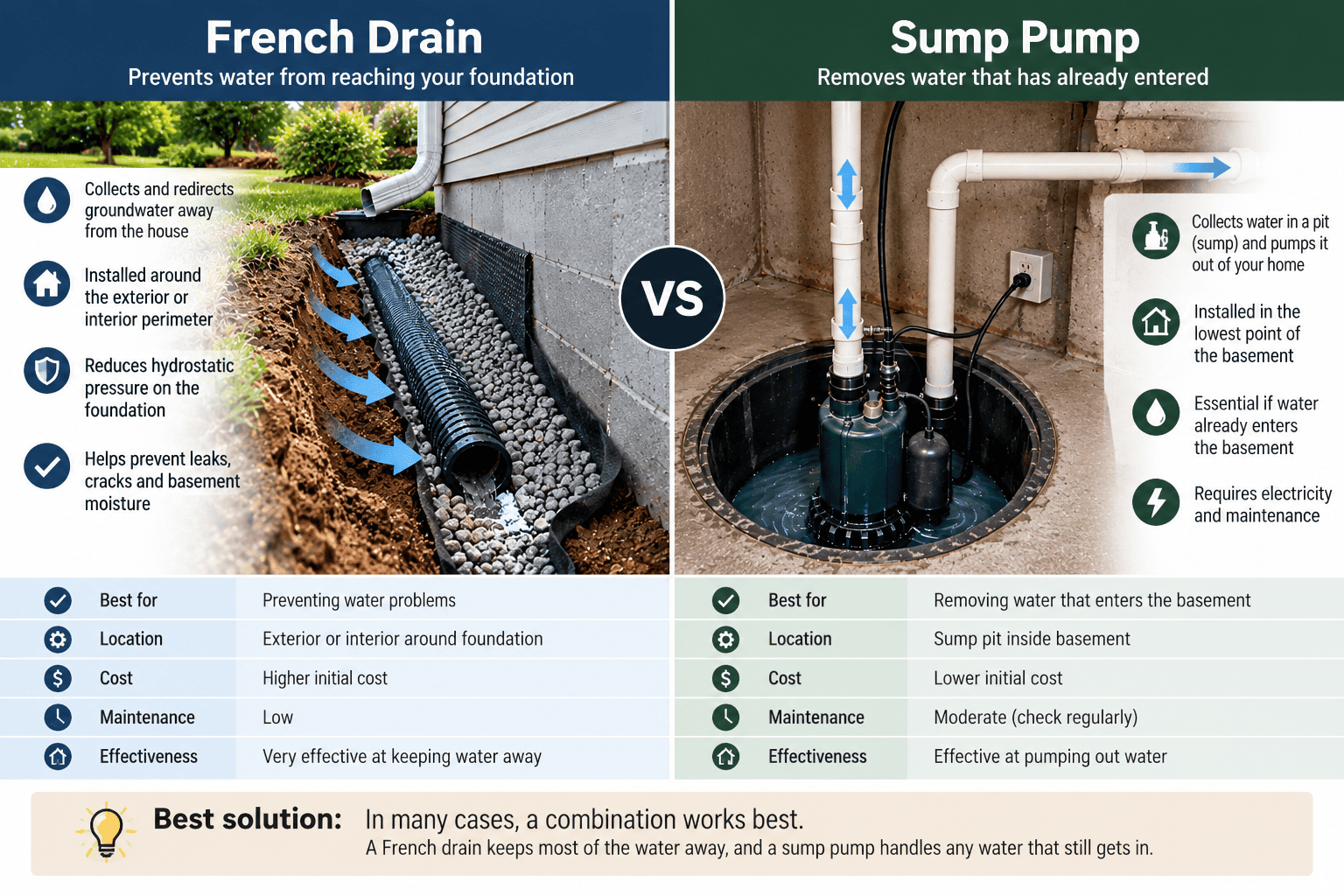
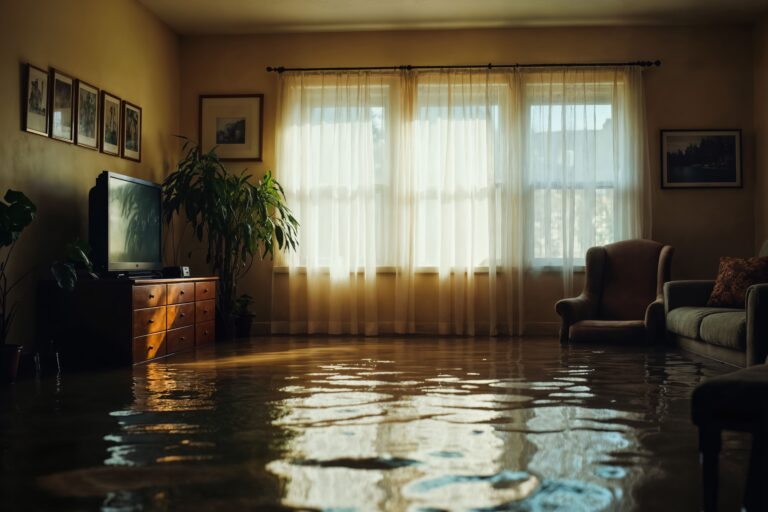
Basement water problems can lead to damp walls, musty odors, damaged belongings, and even foundation issues if left untreated. Choosing the right drainage system is an important step toward keeping your basement dry and protecting your home from water damage. Two common options are French drains and sump pumps, but they serve different purposes.
When comparing a french drain vs sump pump, it is important to understand where the water comes from, how it enters the basement, and how it needs to be removed. In some homes, one system may be sufficient, while others benefit from combining both solutions.
What Is a French Drain?
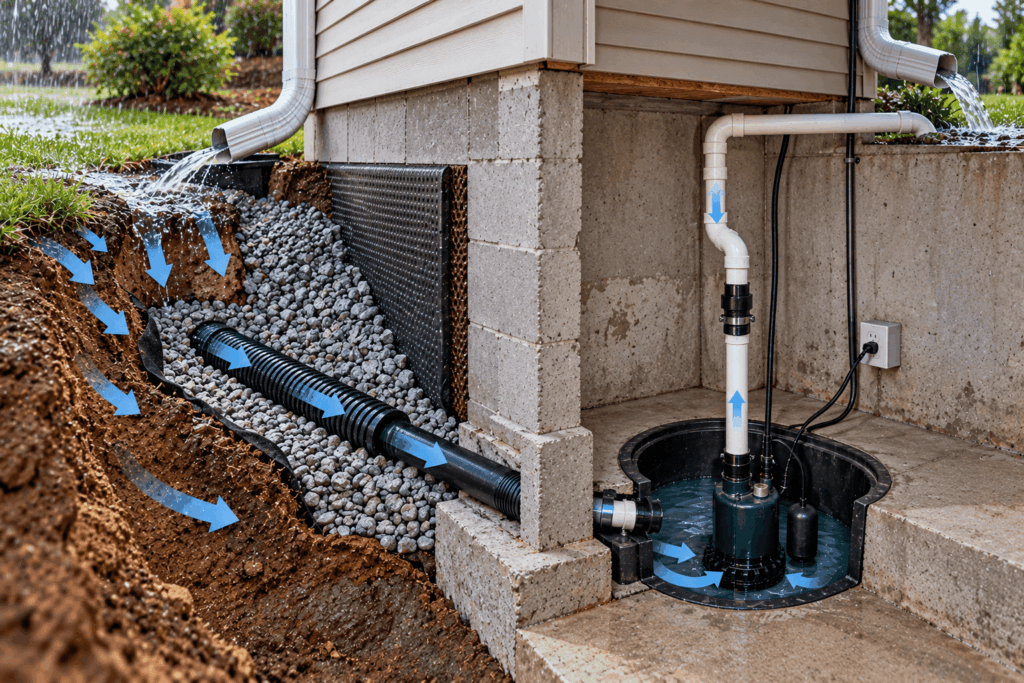
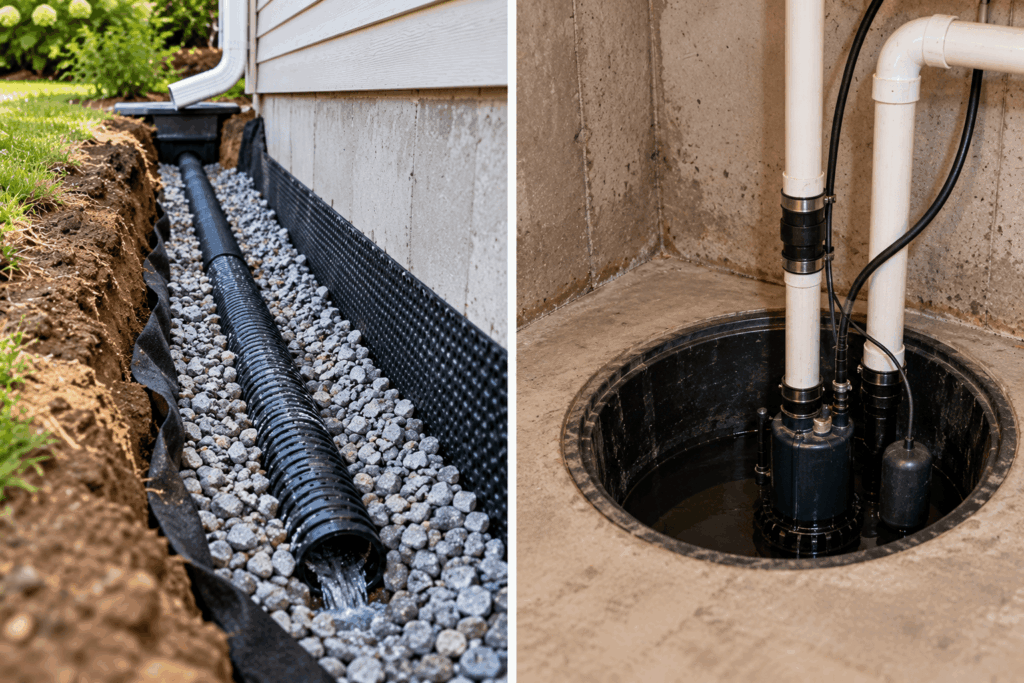
A French drain is a drainage system designed to collect and redirect groundwater away from a foundation or another area where water tends to accumulate. It typically consists of a perforated pipe surrounded by gravel and wrapped in filter fabric to help prevent soil and debris from entering the system.
French drains can be installed outside the foundation to redirect groundwater before it reaches basement walls. An interior French drain may also be installed along the basement perimeter beneath the floor slab. This system collects water that enters through the foundation and directs it toward a designated drainage point.
French drains are particularly useful when groundwater pressure or poor drainage contributes to basement moisture. They can help reduce water accumulation around the foundation, but they generally need an appropriate outlet or connection to another drainage system to remove collected water effectively.
What Is a Sump Pump?
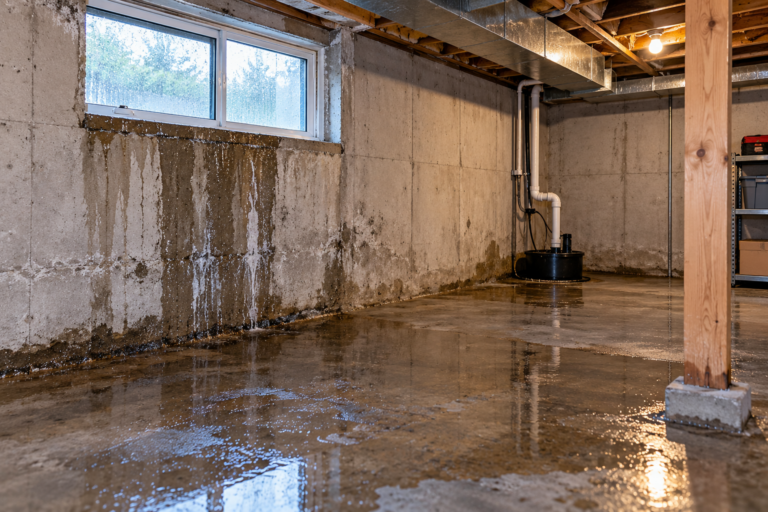
A sump pump is a mechanical device that removes water collected in a sump basin, usually installed at the lowest point of a basement or crawl space. As groundwater enters the basin, a float switch or sensor activates the pump, which moves the water through a discharge pipe and away from the house.
Sump pumps are commonly used in homes where groundwater levels rise during heavy rain or seasonal snowmelt. They can also help manage water collected by an interior drainage system.
There are two main types of sump pumps: submersible and pedestal. Submersible pumps sit inside the sump basin, while pedestal pumps have a motor positioned above it. The right option depends on the available space, expected water volume, and installation requirements.
A backup power source or battery-powered backup pump can provide additional protection during power outages, when flooding may still occur.
French Drain vs. Sump Pump: Key Differences
Although both systems help manage basement water, they work in different ways. A French drain collects and redirects water, while a sump pump actively removes accumulated water from a collection basin.
Understanding the difference between sump pump and french drain systems can help homeowners determine which option is appropriate for their property’s drainage conditions.
Water Collection and Removal
A French drain uses gravity and a network of drainage materials to collect water and guide it toward an outlet. Depending on the design, the water may flow to a suitable discharge point or into a sump basin.
A sump pump, on the other hand, removes water mechanically. When the water level in the basin reaches a certain point, the pump activates and sends the water through a discharge line.
In simple terms, a French drain helps collect and direct water, while a sump pump removes water from a designated collection point. Their functions are different, but they can complement each other.
Effectiveness Against Basement Flooding
French drains can be effective when groundwater accumulates around foundation walls or enters through the basement perimeter. By collecting and redirecting this water, the system can reduce pressure and help prevent water from spreading across the basement floor.
Sump pumps are especially useful when water collects in a sump basin because of rising groundwater, heavy rainfall, or water entering through a connected drainage system. They actively discharge the collected water away from the home.
When considering sump pump vs french drain systems, the source of the water is the most important factor. A French drain may address the path through which water enters, while a sump pump handles water that has already reached a collection basin. Neither system automatically resolves every possible cause of basement moisture, such as plumbing leaks or water entering through above-grade openings.
Installation Requirements
Installing a French drain usually involves excavation. An exterior system may require digging around part of the foundation, while an interior system often requires removing sections of the basement floor to install drainage channels and a perforated pipe.
Sump pump installation typically involves creating a sump pit, positioning the pump, and installing a discharge pipe that carries water away from the house. Electrical access and an appropriate discharge location are also important considerations.
The complexity of either installation depends on basement construction, soil conditions, accessibility, groundwater levels, and existing drainage infrastructure. Interior drainage work may require careful planning to avoid interfering with foundation components or existing utilities.
Maintenance and Lifespan
French drains generally require periodic inspections to ensure that the drainage path and outlet remain clear. Debris, sediment, or root intrusion can restrict water flow in some systems. Proper installation and suitable filter materials can help reduce the risk of clogging.
Sump pumps require more regular mechanical checks. Homeowners should test the pump, inspect the float switch, check the discharge line, and make sure the sump basin is free of debris. Backup systems should also be tested according to the manufacturer’s instructions.
Both systems can provide long-term protection when properly installed and maintained. However, their service life varies depending on materials, usage, installation quality, and maintenance. A sump pump may eventually need replacement because it contains moving mechanical parts, while a French drain may require repairs if its pipe or outlet becomes obstructed or damaged.
French Drain vs. Sump Pump: Which Is More Cost-Effective?
The cost of basement drainage depends on the size of the area, the amount of excavation required, the property’s water conditions, and the complexity of the installation. Neither solution is automatically less expensive in every situation.
A French drain can involve substantial labor and excavation, particularly when installed around the exterior of an existing foundation. Interior systems may also require concrete removal, drainage channels, and restoration of the basement floor.
A sump pump installation typically involves the pump itself, a sump basin, discharge piping, electrical work, and labor. Additional expenses may include a battery backup, alarm, or other protective equipment. The pump also uses electricity and may need servicing or eventual replacement.
Long-term costs should be considered alongside the initial installation price. A drainage system that addresses the actual source of water intrusion may help reduce the risk of repeated cleanup, damaged flooring, mold-related moisture problems, and foundation repairs.
Before choosing between a sump pump or french drain, homeowners should obtain an assessment of the basement and compare solutions based on the specific drainage problem rather than price alone.
Can You Use a French Drain and Sump Pump Together?
Yes. In many homes, a combined drainage system can provide more comprehensive basement water management than either component alone.
An interior perimeter French drain can collect groundwater entering around the foundation and direct it toward a sump basin. The sump pump then removes the collected water through a discharge pipe, carrying it away from the house.
This combination is especially useful when groundwater enters along basement walls and there is no suitable gravity-fed outlet for the drainage system. It can also help manage water during periods of heavy rainfall or seasonal groundwater changes.
Understanding how does a french drain and sump pump work together makes it easier to see why these systems are often installed as complementary components rather than competing alternatives.
A properly designed french drain and sump pump in basement can help control water accumulation, but the system must be matched to the property’s conditions. The discharge point should be appropriate and comply with local requirements, and water should not be directed toward neighboring properties or back toward the foundation.
How to Choose the Right Basement Drainage Solution
The best drainage system depends on the source of the water, the condition of the foundation, and how water moves around the property. Before making a decision, consider the following factors:
- Where the water appears: Water seeping along basement walls may indicate groundwater pressure or drainage problems, while water pooling in a low area may require a different approach.
- How often flooding occurs: Recurring water accumulation during heavy rain or snowmelt may indicate a need for a more comprehensive drainage system.
- Exterior drainage conditions: Poor grading, clogged gutters, short downspouts, or water collecting near the foundation should be addressed where possible.
- Groundwater levels: Homes with high groundwater levels may benefit from a drainage system that collects water and directs it to a sump basin.
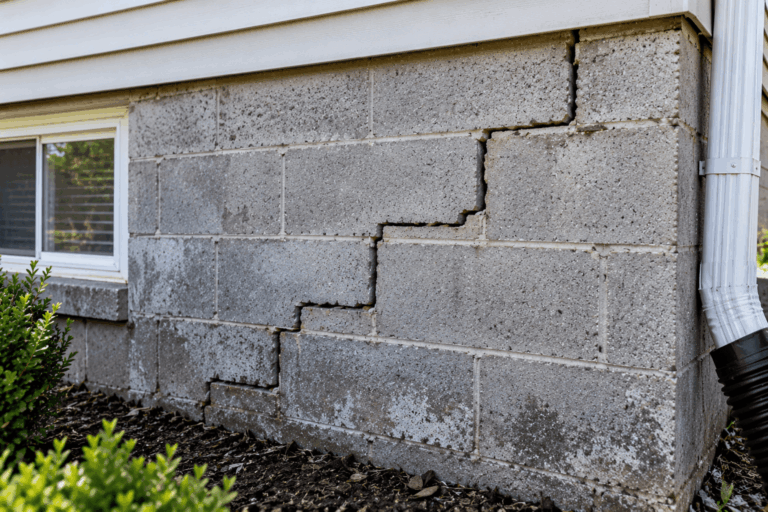
- Foundation condition: Cracks, shifting, or other signs of structural movement should be evaluated separately. Drainage improvements alone may not resolve structural damage.
- Maintenance requirements: Consider whether the system will need a pump, backup power, routine inspections, or periodic drain cleaning.
For some homes, an exterior French drain may be enough to redirect groundwater. Others may need an interior drainage system connected to a sump pump. In properties with persistent water intrusion, a combination of drainage improvements, foundation crack repairs, and better surface-water management may be the most appropriate approach.
A professional inspection can help identify the source of the problem and determine which system is likely to provide reliable results.
When Should You Contact a Basement Waterproofing Specialist?
You should consider professional help if your basement experiences recurring flooding, persistent dampness, water seeping through foundation walls, or standing water after heavy rainfall. Other warning signs include a sump pump that runs constantly, water collecting near the foundation, and cracks that are widening or accompanied by uneven floors or sticking doors.
A specialist can assess the basement, inspect drainage conditions, and determine whether the problem is related to groundwater, surface runoff, foundation damage, or another source. This assessment helps prevent investing in a system that does not address the underlying cause.
French drains and sump pumps are both valuable basement drainage solutions, but they are designed for different roles. A French drain collects and redirects water, while a sump pump removes water from a collection basin. In some properties, using both systems together offers the most effective way to manage groundwater and reduce basement flooding risks.
The right solution starts with understanding how water reaches your basement and choosing a drainage system designed for your home’s specific needs.

 CLOGGED OR BROKEN WEEPING TILE