
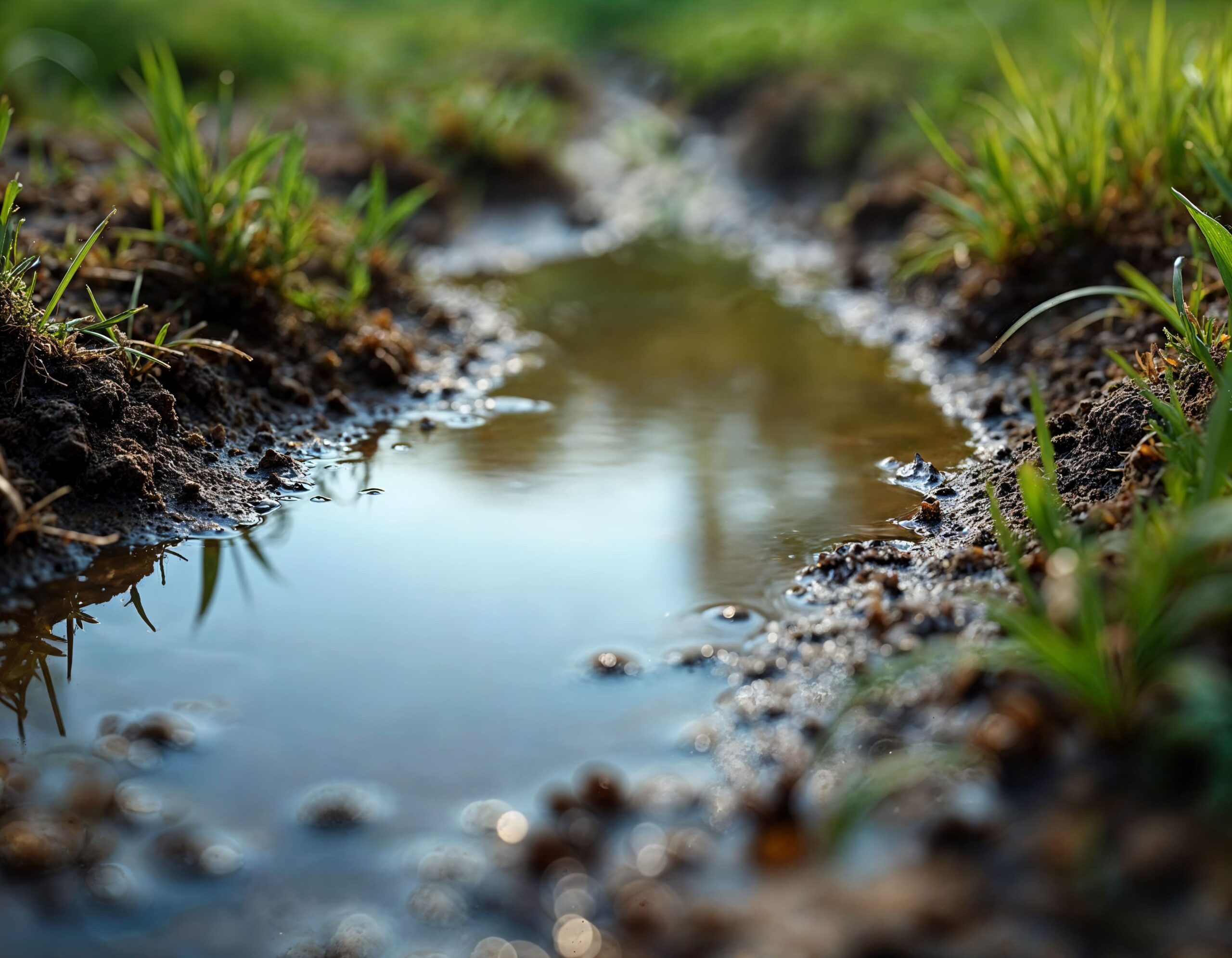
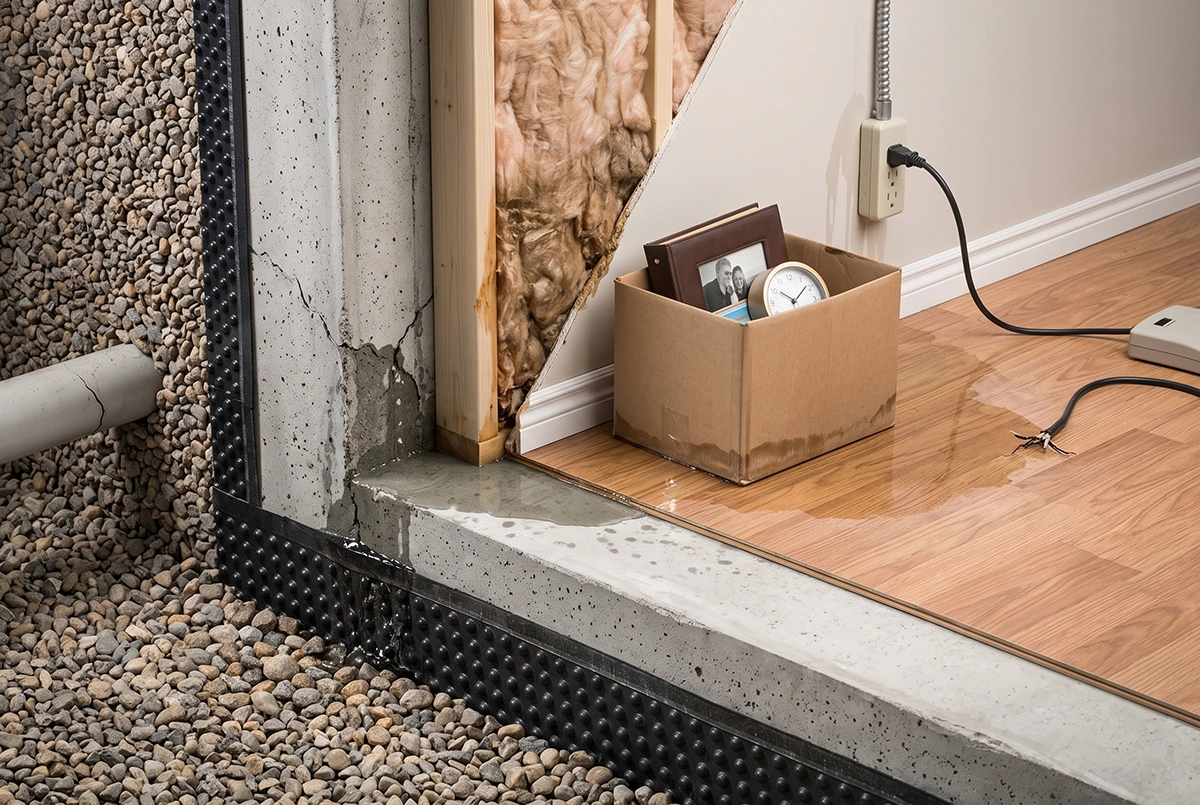
Water pooling around foundation areas is a common concern for homeowners, especially after heavy rainfall or snowmelt. While a small puddle may seem harmless, recurring water accumulation can indicate poor drainage, improper grading, clogged gutters, or problems with the foundation waterproofing system. If left unaddressed, excess moisture may eventually contribute to basement leaks, damp walls, mold growth, and soil erosion.
Understanding why water collects around your home is the first step toward choosing the right solution. By identifying the source of the problem, you can improve drainage, protect your foundation, and reduce the risk of water entering your basement.
Why Is Water Pooling Around My House Foundation?
Several factors can cause water to collect near your home’s foundation. In some cases, the issue is related to surface drainage, while in others, it may involve underground water movement or a damaged drainage system.
Poor Grading Around the House
The ground surrounding your home should slope away from the foundation to direct rainwater toward appropriate drainage areas. When the soil slopes toward the house or has settled over time, water can collect close to the foundation instead of draining away.
Landscaping projects, soil erosion, and backfilled areas can gradually change the ground’s slope. Adding soil in the right places and correcting the grading can help redirect surface water away from the building. However, the work must be completed carefully to avoid blocking siding, covering foundation vents, or directing water toward neighboring properties.
Clogged Gutters and Improper Downspout Drainage
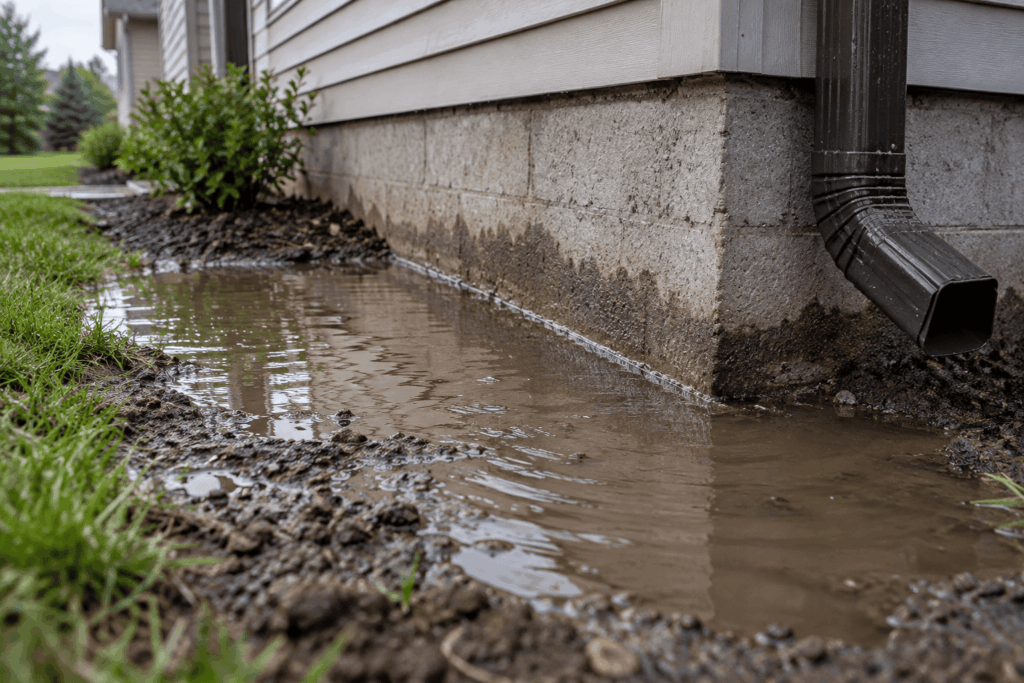
Gutters and downspouts help control the flow of rainwater from your roof. When gutters become clogged with leaves, dirt, or other debris, water may overflow and fall directly beside the foundation.
Downspouts can also create problems when they discharge water too close to the house. During heavy rain, the concentrated runoff can saturate the soil and contribute to basement moisture.
Cleaning gutters regularly, checking for leaks, and extending downspouts to discharge water safely away from the foundation can help prevent unnecessary water accumulation.
Heavy Rainfall and Snowmelt
Heavy rainfall can overwhelm the natural drainage capacity of your yard, particularly when the soil is already saturated. Similarly, melting snow releases large amounts of water over a relatively short period, increasing the amount of moisture around the house.
Temporary puddles may disappear as the ground absorbs the water or runoff reaches a suitable drainage area. However, if water remains around the foundation long after precipitation ends, the property may have inadequate drainage or an unfavorable slope.
Homeowners should pay attention to areas where puddles repeatedly form after storms, as these locations can reveal underlying drainage problems.
Poor or Damaged Foundation Drainage
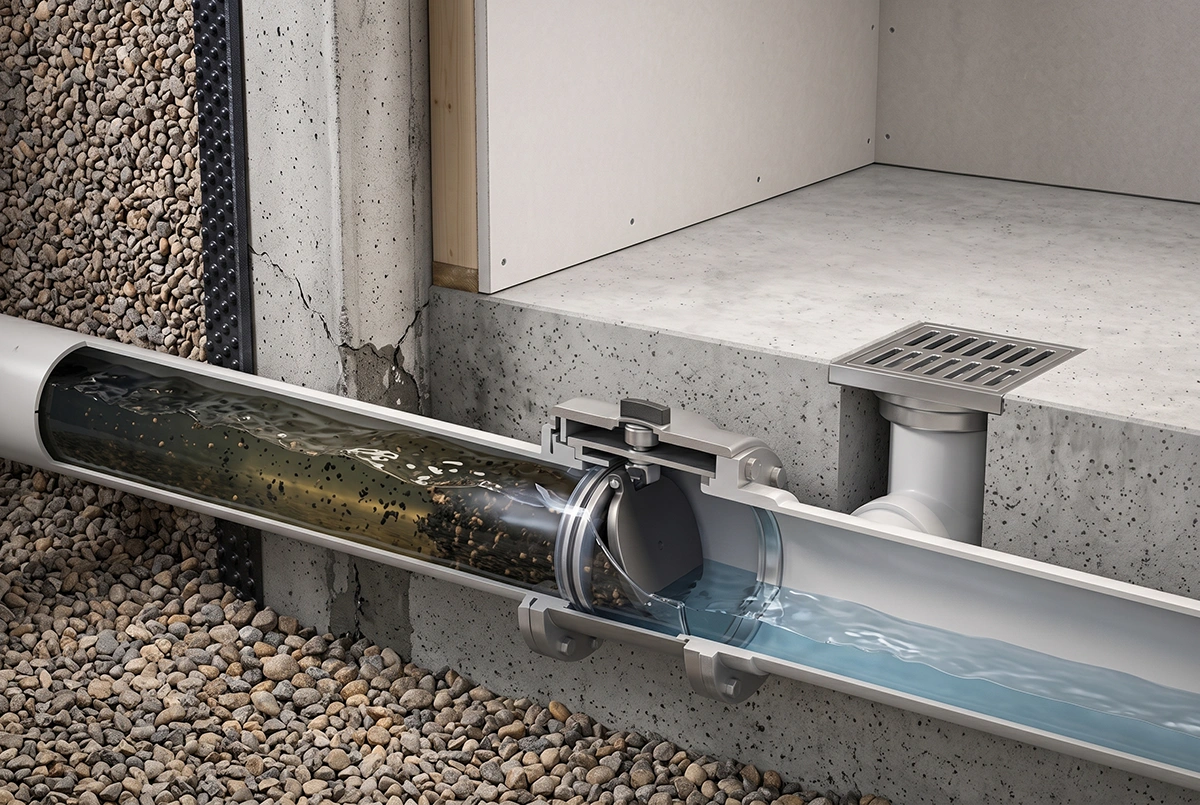
Foundation drainage systems are designed to collect excess groundwater and direct it away from the building. Depending on the property, this may involve perimeter drains, weeping tiles, or other drainage components.
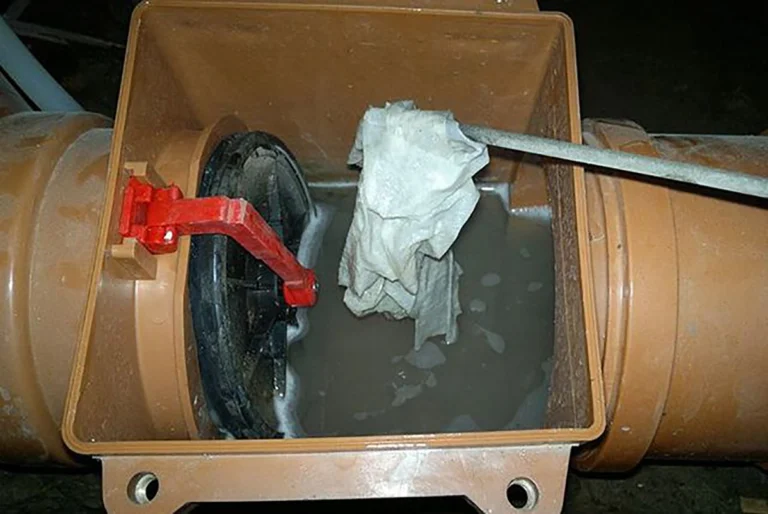
Over time, these systems can become clogged with sediment, damaged by shifting soil, or less effective because of deterioration. When drainage is restricted, water may accumulate in the soil around the foundation, increasing the risk of moisture infiltration.
If surface-level solutions do not resolve the problem, inspecting the existing drainage system may help identify the cause.
Clay Soil and High Groundwater Levels
Soil composition affects how quickly water moves through the ground. Clay-rich soil drains more slowly than many sandy or gravelly soils, allowing moisture to remain around the foundation for longer periods.
High groundwater levels can also contribute to persistent wet conditions, especially in low-lying areas or after prolonged rainfall. In these situations, improving the surface slope alone may not be enough to manage excess water.
The appropriate solution depends on the site’s soil conditions, groundwater behavior, and existing drainage infrastructure.
Foundation Cracks and Waterproofing Issues
Cracks in foundation walls, deteriorated joints, and damaged waterproofing membranes can create pathways for moisture to enter a basement. Water collecting outside the house may increase the amount of moisture in contact with these vulnerable areas.
Not every crack indicates a serious structural problem, but recurring leaks, widening cracks, or damp patches should be investigated. Repairing cracks and addressing the source of external water are often both necessary to achieve lasting protection.
Is Water Pooling Near Your Foundation a Serious Problem?
Occasional puddles after a storm do not necessarily indicate foundation damage. However, persistent moisture around the house can create conditions that increase the risk of basement leaks and other moisture-related problems.
Potential consequences include:
- Basement water intrusion: Moisture may enter through cracks, joints, or other vulnerable areas in foundation walls.
- Mold and mildew growth: Persistent dampness can contribute to mold development and musty odors in basements.
- Soil erosion: Concentrated runoff may wash away soil and affect the stability of landscaping near the house.
- Foundation deterioration: Prolonged exposure to moisture, combined with soil movement and freeze-thaw cycles, may contribute to deterioration over time.
- Damage to interior finishes: Water infiltration can damage drywall, flooring, insulation, and stored belongings.
The severity of the problem depends on how much water accumulates, how long it remains, and the condition of the foundation. Addressing drainage issues early can help reduce the likelihood of more extensive repairs.
How to Fix Water Pooling Around Foundation?
The right solution depends on where the water comes from and why it cannot drain away properly. Some issues can be addressed with routine maintenance, while others require professional drainage or waterproofing work.
Improve the Grading Around Your Home
Correcting the slope of the ground can help direct rainwater away from the foundation. If the soil has settled or slopes toward the house, carefully adding and grading soil may improve surface drainage.
Make sure the finished ground slopes away from the building without covering siding, vents, or other components that must remain exposed. Avoid directing runoff toward neighboring properties or areas where it could create additional drainage problems.
Clean Gutters and Extend Downspouts
Inspect gutters and downspouts to ensure that rainwater can flow freely from the roof and discharge at a safe distance from the house.
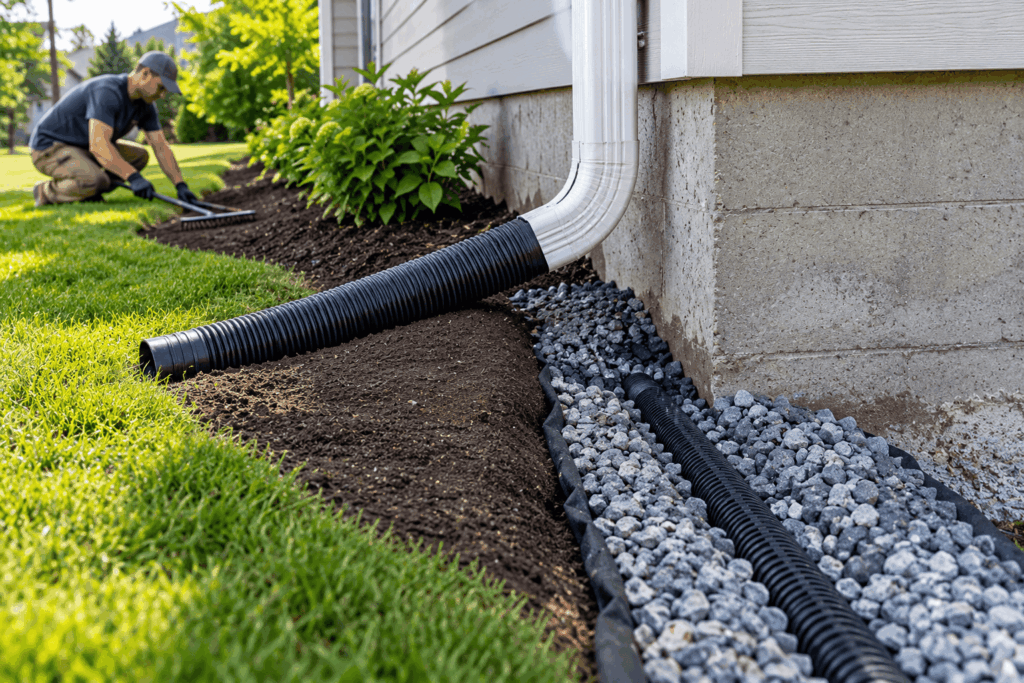
Remove accumulated debris, repair leaking connections, and install suitable downspout extensions if needed. The discharge point should direct water away from the foundation and toward an appropriate drainage area.
This relatively simple maintenance step can make a significant difference when roof runoff is the primary cause of the problem.
Install or Repair a French Drain
A French drain is a drainage system that typically uses a perforated pipe surrounded by gravel to collect and redirect excess groundwater. It can be useful when water accumulates in persistently wet areas or moves toward the house.
The system must be designed with suitable depth, slope, and a proper discharge point. Installing a French drain without addressing the underlying grading or providing an effective outlet may not solve the issue.
Inspect and Repair the Foundation Drainage System
If the existing perimeter drainage system is clogged, damaged, or deteriorating, it may need professional inspection and repair.
Depending on the condition of the system, the work may involve clearing obstructions, repairing damaged pipes, or replacing sections of the drainage infrastructure. More extensive repairs may require excavation around the foundation.
A professional assessment can help determine whether the problem originates in the drainage system or from another source, preventing unnecessary work.
Seal Foundation Cracks and Waterproof Basement Walls
Cracks and weak points in foundation walls can allow water to enter when the surrounding soil becomes saturated. Repair methods depend on the type of crack, the wall material, and whether the issue is structural or related to moisture infiltration.
Crack injection or other appropriate repair methods may help seal identified entry points. Exterior waterproofing may also be necessary when water pressure and moisture affect the outside of the foundation walls.
For lasting results, sealing the walls should be combined with measures that control the water surrounding the foundation.
Consider a Sump Pump
A sump pump collects water in a designated basin and pumps it away from the house. It can be useful in properties where groundwater accumulation or basement seepage cannot be adequately controlled through surface drainage alone.
The pump must be correctly sized and installed, with a safe discharge location. Regular maintenance is also important to ensure that the system operates when needed.
A sump pump is not a universal solution for surface runoff, so the source of the water should be identified before installation.
Water Pooling in Yard After Heavy Rain: What Should You Do?
When water collects across the yard rather than in a single spot beside the house, the problem may involve the overall landscape, soil composition, or drainage capacity of the property.
Start by observing where the water accumulates and how long it takes to disappear after rainfall. Check whether the yard slopes toward the house, whether downspouts discharge into low areas, and whether existing drains are obstructed.
Depending on the cause, possible solutions include correcting the grading, improving soil drainage, installing a French drain, or creating an appropriate drainage channel. In some cases, a professionally designed drainage system may be needed to manage runoff from multiple areas.
If the wet area is close to the house, prioritize keeping water away from the foundation. When deciding how to fix water pooling next to house areas, avoid simply moving the problem to another part of the property without providing a suitable drainage route.
When Should You Call a Foundation Waterproofing Professional?
Some drainage issues can be resolved through routine maintenance, but recurring or persistent moisture may require a more detailed assessment.
Consider contacting a foundation waterproofing professional if:
- Water repeatedly accumulates beside the house after rainfall.
- Your basement develops damp spots, leaks, or musty odors.
- You notice new or widening foundation cracks.
- The soil around the foundation remains saturated for extended periods.
- Existing gutters, downspout extensions, and grading improvements have not resolved the problem.
- You suspect that the perimeter drainage system is damaged or blocked.
A professional can assess the property’s grading, drainage conditions, and foundation walls to determine the likely source of the moisture. The recommended solution may involve drainage improvements, crack repairs, exterior waterproofing, or a combination of measures.
To understand how to stop water pooling around foundation areas over the long term, it is important to address the underlying cause rather than relying only on temporary measures.
If you notice recurring water pooling after heavy rain, early assessment can help you choose an appropriate solution before the issue leads to more extensive moisture damage. Leaquida provides foundation waterproofing and related services for homeowners in Toronto and the Greater Toronto Area.

 CLOGGED OR BROKEN WEEPING TILE