
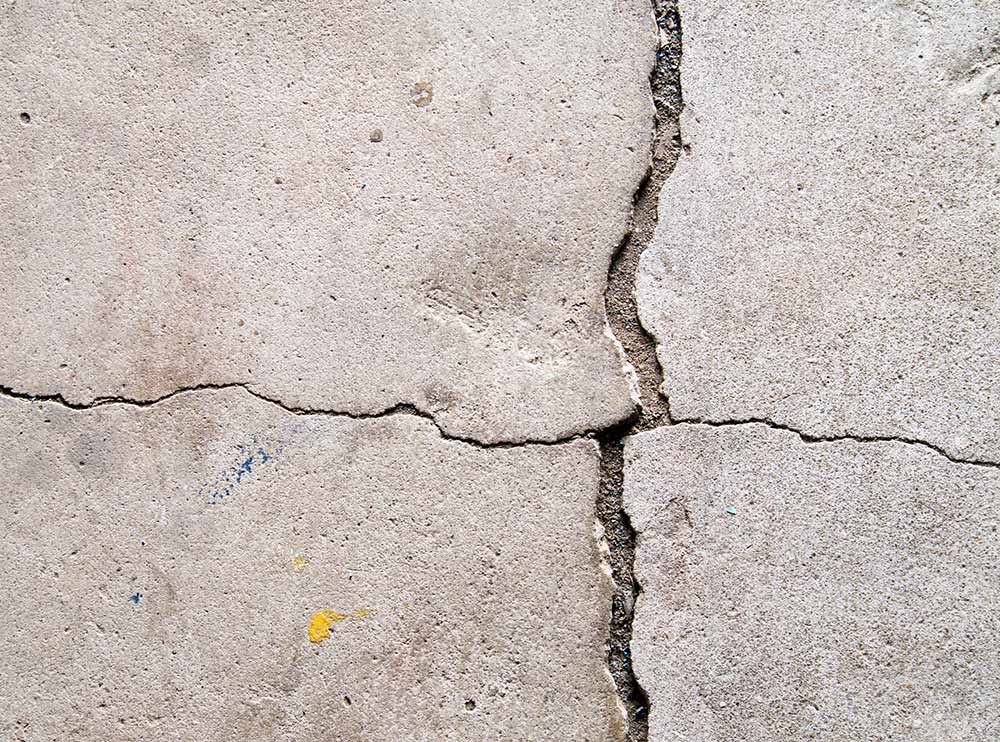
Cracks in a basement floor are one of the most common concerns homeowners face — and often one of the most misunderstood. At first glance, even a small crack in concrete can seem alarming, raising questions about structural safety and costly repairs. However, in many cases, these cracks are a natural result of how concrete behaves over time rather than a sign of serious damage.
Concrete basement floors are constantly exposed to pressure from the surrounding soil, moisture changes, and natural settling of the building. As the material cures and ages, it can shrink, shift, or respond to environmental factors like water buildup or temperature fluctuations — all of which can lead to cracking.
While some cracks are purely cosmetic, others may allow water, moisture, or even gases to enter your basement, potentially leading to bigger issues if left untreated. In this article, we’ll break down what causes cracks in basement floors, how to identify their severity, and when it’s time to take action.
Types of Cracks in a Basement Floor
Not all cracks in a basement floor are the same — and understanding the type of crack you’re dealing with is the first step toward choosing the right solution. Some are harmless and expected, while others may indicate deeper structural or moisture-related issues.
- Hairline Cracks. These are thin, surface-level cracks that often appear as concrete cures and shrinks over time. Hairline cracks are usually not a cause for concern and are considered a normal part of the aging process of concrete.
- Shrinkage Cracks. Shrinkage cracks form as the concrete loses moisture during the curing process. They are typically shallow and spread in random patterns across the floor. While generally cosmetic, they can widen slightly over time if exposed to environmental stress.
- Settlement Cracks. These cracks occur when the soil beneath the foundation shifts or settles unevenly. Settlement cracks may be wider than hairline cracks and can sometimes indicate changes in the structural support of the home. Monitoring their size and progression is important.
- Heaving Cracks. Heaving cracks happen when the ground beneath the basement floor expands, often due to moisture changes or freezing and thawing cycles. This upward pressure can cause sections of the floor to lift, leading to uneven surfaces and more noticeable cracking.
- Structural Cracks. Wider, more pronounced cracks — especially those that continue to grow or are accompanied by uneven flooring — may signal structural issues. These cracks should be assessed by professionals, as they can impact the stability of the foundation.
- Moisture-Related Cracks. Some cracks are directly linked to water infiltration. If you notice dampness, staining, or water seepage along a crack, it may be allowing moisture into your basement, which can lead to mold growth and further damage if not addressed.
Understanding these different types of cracks helps homeowners determine whether a crack is simply cosmetic or a sign that professional inspection and repair may be needed.

How to Understand Which Crack Is Normal and Which Is Dangerous
Not every crack in a basement floor requires immediate concern — but knowing how to tell the difference between a harmless imperfection and a potential problem can save you time, money, and stress.
In most cases, normal cracks are small, stable, and don’t change over time. These include hairline or shrinkage cracks that appear as concrete naturally cures and settles. They are typically narrow (less than 2–3 mm), don’t show vertical displacement, and remain dry. If a crack looks the same months later, it’s usually just a cosmetic issue.
On the other hand, dangerous cracks tend to show clear warning signs. One of the biggest red flags is movement — if a crack becomes wider, longer, or starts to shift, it may indicate foundation settlement or pressure from the surrounding soil. Cracks wider than 3–5 mm, especially those with uneven edges (where one side is higher than the other), should not be ignored.
Moisture is another key indicator. If you notice water seepage, damp spots, or staining along a crack, it means the integrity of your basement floor may be compromised. Over time, this can lead to mold growth, unpleasant odors, and further structural deterioration.
You should also pay attention to patterns and location. Multiple cracks forming in the same area, cracks that run across the entire floor, or those appearing near load-bearing walls can signal deeper issues beneath the surface.
Variants for Repairing a Crack in the Basement Floor
| Category | Best For | What It Includes | Advantages | Limitations |
| Cosmetic Fixes | Hairline, surface-level, non-structural cracks | Concrete sealers, fillers, surface coatings | Quick, inexpensive, improves appearance | Does not fix underlying issues or prevent structural problems |
| DIY Fixes | Small to medium cracks without active movement | Crack fillers, patching compounds, basic waterproof sealants | Cost-effective, can be done without professional help | Limited durability, may fail if crack is active or moisture-related |
| Professional Interventions | Large, deep, structural, or leaking cracks | Epoxy/polyurethane injections, slab leveling, waterproofing systems, floor replacement | Long-lasting, addresses root causes, ensures safety | Higher cost, requires expert assessment and specialized tools |

Basement Slab – When Is Replacement Necessary?
Not every damaged basement floor needs to be replaced — but in some cases, repairs are no longer effective or cost-efficient. When the slab’s condition goes beyond surface-level issues, replacement becomes the safer and more durable solution.
Widespread and Growing Cracks
- If cracks are not isolated but spread across large areas of the floor — especially when they intersect or continue to expand — this often signals deeper structural or soil movement problems. Local repairs in such cases tend to be temporary.
Uneven Surface (Heaving or Sinking)
- A slab that is lifting, sinking, or no longer level usually indicates unstable soil beneath it. When elevation differences become noticeable, it’s a sign that the foundation support has been compromised, and replacement may be required.
Severe Concrete Deterioration
- When the surface starts crumbling, flaking (spalling), or losing its strength, the integrity of the entire slab is affected. At this stage, patching won’t restore durability, and replacing the slab is often the only long-term fix.
Persistent Moisture Problems
- If water continues to seep through the floor despite repeated sealing or repairs, the issue likely goes deeper than visible cracks. Replacing the slab allows for proper waterproofing measures to be installed underneath.
Failed Previous Repairs
- If you’ve already attempted fixes — such as fillers, injections, or leveling — and the cracks keep returning, it’s a clear sign that the root cause hasn’t been resolved. Continued repairs can become more expensive than replacement over time.

Protect Your Basement — Protect Your Home
Ultimately, addressing cracks in your basement floor is not just about fixing visible damage — it’s about protecting the long-term stability, safety, and value of your home. Whether the issue requires a simple repair or a full slab replacement, acting early can prevent more serious and costly problems down the line. If you’re unsure about the condition of your basement floor, a professional assessment will help you choose the most effective solution and give you peace of mind.
FAQ
Not always. Many cracks are harmless and occur as concrete naturally shrinks and settles over time. However, cracks that grow, leak water, or become uneven may indicate a more serious issue that needs attention.
Common causes include concrete shrinkage during curing, natural house settlement, soil movement, moisture changes, freeze–thaw cycles, and pressure from groundwater.
Structural cracks are usually wider, continue to grow over time, or show vertical displacement (one side higher than the other). They may also be accompanied by uneven flooring or moisture intrusion.
Small, non-structural cracks can often be repaired using DIY crack fillers or sealants. However, deeper, widening, or leaking cracks should be assessed and repaired by professionals.
No. Many cracks remain dry and only affect the surface. Water leakage typically occurs when cracks extend deeper or when hydrostatic pressure builds up around the foundation.
You should be concerned if cracks are widening, spreading, uneven, or allowing water inside. These signs may indicate underlying structural or drainage issues.
It depends on the severity. Minor cracks are usually repairable, but extensive damage, repeated failures, or structural issues may require full slab replacement for a long-term solution.
 CLOGGED OR BROKEN WEEPING TILE