
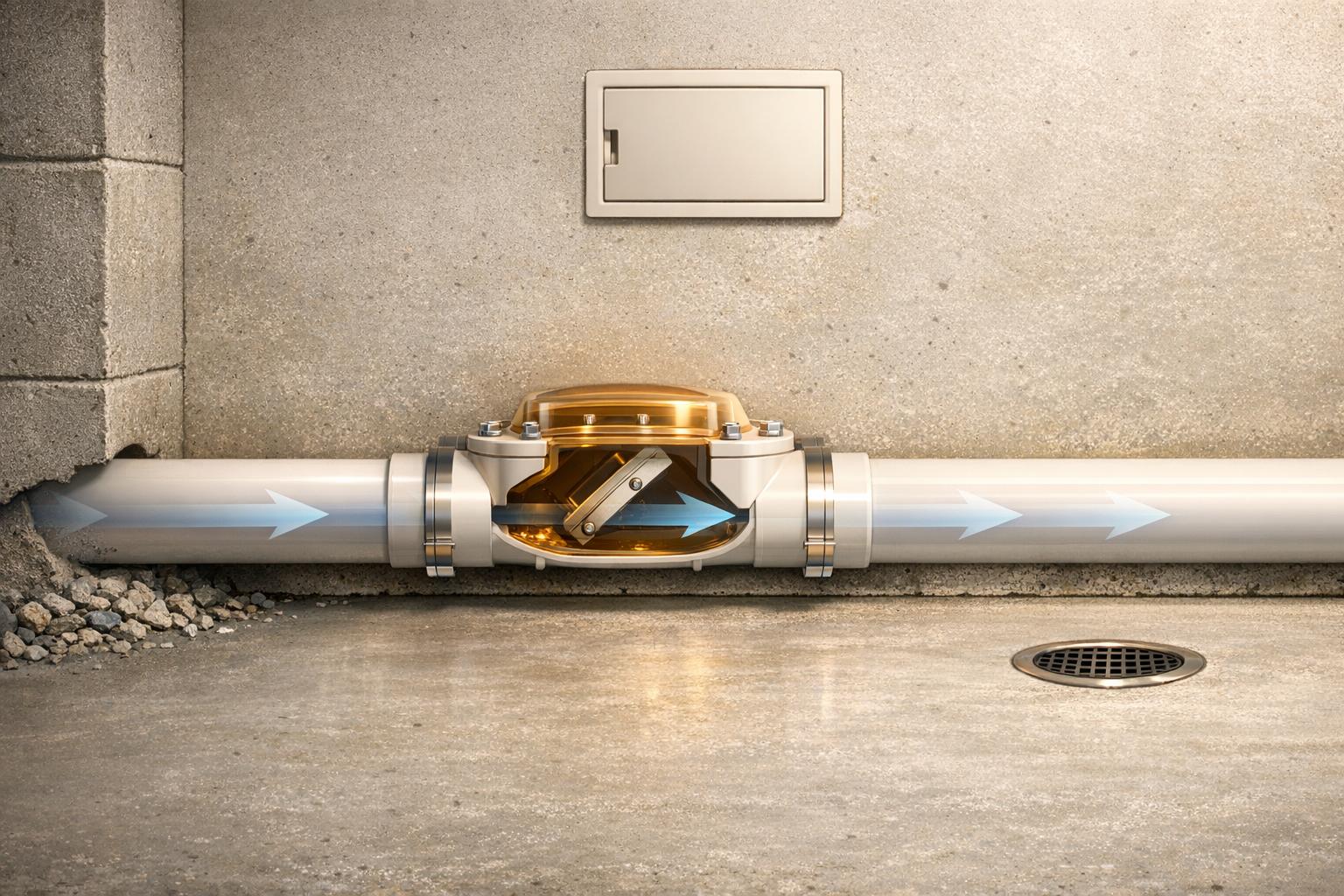
A sewage backup can destroy your basement and cost thousands to fix. Installing a backwater valve is one of the most effective ways to prevent this. This device stops sewage from reversing into your home during storms or sewer overloads. It’s especially important for homes with basements below street level or in areas prone to heavy rainfall.
Here’s what you need to know:
- What it does: It’s a one-way valve that blocks sewage from coming back into your home.
- Where it’s installed: Typically on your main sewer line, often in the basement.
- Cost: $2,000–$5,000 for retrofits, but many cities in Canada offer subsidies up to $3,400.
- Maintenance: Clean and inspect the valve regularly to keep it working.
- Key tip: Avoid using water-intensive appliances during storms when the valve is closed.
Backwater valves are mandatory for new homes in many areas and can reduce the risk of backups by up to 70%. Combine it with other flood protection systems, like sump pumps, for better protection. Don’t wait – consult a licensed plumber to safeguard your home today.
Plumbing Drain Backwater Valve
sbb-itb-5761e20
What Is a Sewage Backup and Why It Happens
A sewage backup occurs when wastewater that should flow out of your home reverses direction and comes back through your plumbing. Normally, wastewater moves by gravity from your sinks, toilets, and drains into the municipal sewer system. But when pressure builds up in the city’s sewer lines, this flow can reverse, pushing raw sewage back into your home through the lowest fixtures, often in the basement. Several factors, including heavy rainfall, blockages, and structural issues, can cause this unpleasant and potentially hazardous situation.
Heavy rainfall and rapid snowmelt are among the most common causes of sewage backups in Canada. Square One Insurance explains:
Heavy rainfall can overwhelm city sewer lines, causing water or sewage to flow back towards your home, known as a sewer backup.
The City of Windsor further elaborates:
When a large rainfall occurs, rainfall can enter the City’s sanitary sewer in a number of ways, including direct sewer connections, infiltration, through manhole covers, etc. This rainfall can cause the sewer system to surcharge and back up into homes.
When the sewer system becomes overwhelmed – a condition known as sewer surcharge – the water level in the pipes rises above their capacity, increasing pressure that forces sewage into residential properties.
Another frequent cause is blockages in your lateral line, the pipe connecting your home to the main sewer line. Everyday items like grease, hair, baby wipes, paper towels, and feminine hygiene products can clog these pipes. Unlike toilet paper, these materials don’t break down easily and can form stubborn tangles that trap other debris, eventually leading to a blockage.
Structural and plumbing issues can also play a role. Many older homes in Canada have foundation drains (weeping tiles) or roof downspouts that connect directly to the sanitary sewer system. During storms, these connections send excess water into the sewer, overwhelming its capacity. Improperly graded landscaping or gutters that funnel water toward your home’s foundation instead of away from it can worsen the problem. Homes with floor levels less than 30 cm above the street are particularly vulnerable to backups.
What Is a Backwater Valve?
A backwater valve (sometimes called a backflow valve or sewer backup valve) is a mechanical device installed on your home’s main sewer line. Its job? To allow wastewater to flow out to the municipal sewer system while preventing sewage from coming back in during a sewer surge. Think of it as a one-way gate for your home’s plumbing.
Typically located in the basement floor, the valve sits inside an access box – measuring about 25 cm by 36 cm – with a clear plastic lid so you can inspect it easily. Under normal circumstances, the valve stays open, letting wastewater exit freely and allowing sewer gases to vent properly. But when heavy rainfall or other factors cause sewer pressure to reverse, the valve’s internal flap (equipped with a flotation mechanism) seals tightly against a gasket. This stops sewage from backing up into your home. Once the pressure subsides, gravity moves the flap back to its open position, and everything flows as usual.
The Square One Team explains it simply:
Backwater valves allow water or sewage to flow only one way – away from your house.
This automatic feature is a crucial safeguard against sewer overloads, keeping your home protected during heavy storms.
In cities like Montréal, installing backwater valves has been mandatory for all new buildings since 2011. However, homes built before 1989 in certain areas weren’t required to have them, leaving many older houses in Canada at risk of sewage backups.
One important thing to keep in mind: when the valve closes during a storm, it also blocks wastewater from leaving your own home. As the Square One Team notes:
you may not want to shower and run your washing machine or dishwasher all at once during a major rainstorm.
To avoid flooding your basement with your own wastewater, limit the use of showers, washing machines, and dishwashers during heavy rain. It’s a simple precaution that can save you from a messy and costly cleanup. For more expert advice on home maintenance, explore our waterproofing articles.
How a Backwater Valve Protects Your Basement
Keeping your basement safe starts with knowing how sewage can infiltrate your home and how a backwater valve acts as a reliable defence. Sewage backups usually target the lowest points in your home, like floor drains, toilets, basement sinks, shower stalls, and laundry tubs. Without a backwater valve, these entry points can become pathways for sewage during a surge. The valve steps in to block this reverse flow automatically, offering a critical layer of protection.
Here’s how it works: when sewage begins to flow backward toward your home, the valve’s flotation devices lift its internal flap. This flap presses tightly against a rubber gasket, sealing off the pipe and stopping sewage from entering your basement plumbing.
Canada’s Pro Plumbing explains the process succinctly:
“The Mainline Backwater Valve is specifically designed to detect when a back surge is occurring and allows an internal valve to close. Stopping the water from entering your basement through floor drains, shower drains and toilets.”
The benefits go beyond just keeping sewage out. Sewage carries bacteria that can contaminate your basement’s materials, leading to mould growth and even weakening the structure over time. Installing a backwater valve can lower your risk of a sewage backup by as much as 70%.
One thing to keep in mind: when the valve closes during heavy rainfall or storms, your own wastewater can’t exit the system either. To avoid issues, try to limit water use in your home during these times. Up next, we’ll dive into the different types of backwater valves you can choose from.
Signs Your Home Is at Risk of Sewage Backups
Certain warning signs can indicate that your basement might be at risk for sewage backups. Paying attention to these can help you take action before serious issues arise.
Past Flooding History
If your basement has flooded in the past and the root cause hasn’t been addressed, the risk of future flooding remains high. Even if you haven’t experienced flooding before, factors like heavy rainfall or rapid snowmelt can increase the likelihood of a backup.
Location and Elevation
Your home’s location and elevation are critical factors. Homes with ground floors less than 30 centimetres above street level are more vulnerable to sewer backups. Additionally, basements with plumbing fixtures – such as toilets, sinks, or floor drains – below street level are often the first to experience issues when municipal sewers overflow.
Foundation Issues and Drainage Problems
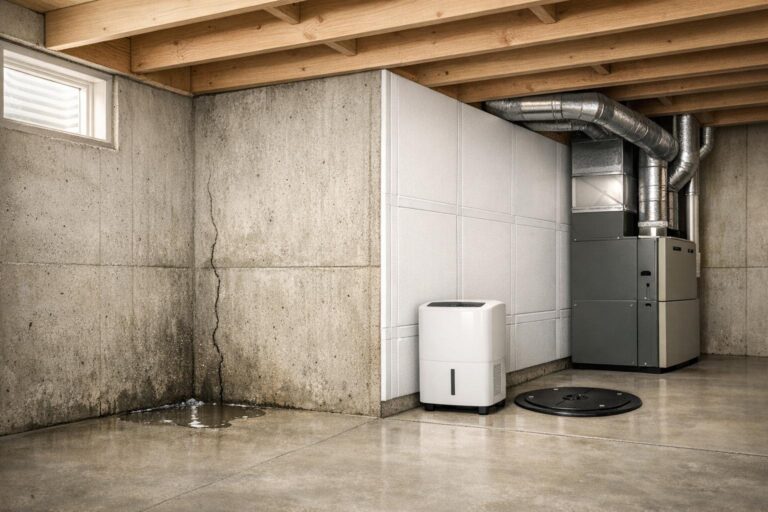
Over time, homes can settle, leading to cracks in foundation walls or basement floors. These cracks can become entry points for water and sewage during a sewer surcharge. Poor drainage, such as clogged gutters, downspouts that discharge too close to the foundation, or blocked storm sewer grates, can also worsen the risk.
Older Plumbing Connections
Older homes with weeping tile systems connected to the sewer system are more susceptible to backups, especially during heavy rain when municipal systems are overwhelmed. If your property relies on a sump pump to manage groundwater, the risk increases if the weeping tiles are still connected to the sewer line.
Household Habits
What you put down your drains matters. Pouring fats, oils, and grease down the sink or flushing wipes and paper towels can create blockages that lead to backups. It’s also a good idea to inspect basement corners regularly for dampness or wetness, as these could signal failing weeping tiles or other drainage problems before a larger issue develops.
Types of Backwater Valves
When choosing a backwater valve, it’s essential to consider your plumbing setup and how deep the sewer line is beneath the basement. For sewer lines less than 60 cm (2 ft) deep, the Mainline Fullport valve is often the go-to option. This valve’s design ensures sewage flows freely and sewer gases vent properly, aligning with the National Plumbing Code and many municipal regulations. It also automatically seals during backflow events, providing a strong defence against sewage backups.
Here’s a closer look at the main types of backwater valves:
Mainline Fullport Valve
This valve is perfect for basements where access and maintenance are straightforward. Its “normally open” design prevents sewer gas from being trapped, which is why many Canadian municipalities, such as Ottawa, require it for main building drains. The valve is especially suited for residential properties with shallow sewer lines, offering reliability and easy maintenance.
Cassette-Style Valves
For sewer lines deeper than 60 cm below the basement floor, a cassette-style valve is often a better choice. This type includes an extendable riser and a removable cassette gate, which can be brought to ground level for cleaning and inspection. This feature eliminates the need for extensive excavation during routine maintenance, making it a practical solution for outdoor setups or homes with deeply buried sewer lines.
Other Valve Options
- Normally Closed Valves: These remain sealed until wastewater pressure forces them open. While they effectively block sewer gases and pests, they’re usually installed on individual fixtures or specific branches rather than main lines. Some cities, like Toronto, prohibit these valves on building drains or sewers, while Montréal has mandated their use in all new buildings since 2011.
- Gate Valves: These allow manual closure during high-risk weather events. Although they have a higher upfront cost, they require less frequent maintenance.
- Inline Check Valves: The most budget-friendly option, these valves automatically close when water flow reverses. However, they need more frequent maintenance and are prone to failure if obstructed.
Backwater Valve Installation: What Homeowners Should Know
Installing a backwater valve is no small task – it’s definitely not something you can tackle on your own. The process involves cutting through concrete and digging to access the main sewer line. In Canada, cities like Toronto, Ottawa, and Vaughan require a plumbing permit before you can even start. Permit fees vary widely: Toronto charges $38.67, while Vaughan’s fee is $214. Hiring a professional plumber is essential. They’ll handle the permits and ensure the valve is installed correctly, with the flow arrow pointing away from your home and toward the municipal sewer system. This level of complexity makes professional installation a must.
The valve is usually placed on the main sanitary line where it exits your basement, often near your water meter and main shutoff valve. However, as Dave Smythe points out, “Underground piping in the basement may require the expected installation location to change”. Another important step is disconnecting your foundation drains (weeping tiles) from the sanitary sewer. Instead, you’ll need a sump pit and pump to manage groundwater properly. Skipping this step could mean the valve won’t work as intended during heavy rain.
Once installed, the valve needs to stay accessible for regular maintenance. It should sit in an access box with a removable cover – don’t hide it under carpet or permanent flooring. Smythe emphasizes this point:
People often forget this and cover them with flooring. This hinders inspection, maintenance, and drain clearing.
Local building inspectors will need to approve the installation, both during the rough-in phase and after the final work is done. This inspection process ensures the valve is installed correctly, giving you peace of mind about your investment in basement protection.
If you’re retrofitting a backwater valve into an existing home, expect costs to range from $2,000 to $5,000. The price depends on how much excavation is needed and the complexity of your current plumbing setup. For new builds, the cost is significantly lower – around $500. To help with these expenses, many municipalities offer financial subsidies. For instance, Toronto provides up to $3,400, Vaughan up to $750, and Hamilton up to $2,000 for combined backwater valve and sump pump installations. Be sure to check your local government’s website for details on eligibility. Most programs require you to hire a licensed plumber. Knowing these costs upfront will help you budget for future maintenance and inspections.
Maintenance and Inspection of a Backwater Valve
Keeping your backwater valve in good working order is crucial to ensure it functions properly during a backup. Regular cleaning and inspection are key – many municipalities recommend checking it at least once a year, while others suggest every 2–3 months, especially before heavy rainfall. Common culprits like hair, grease, and so-called “flushable” wipes can clog the gate, stopping it from sealing when you need it most.
To start, flush the line with hot, soapy water before opening the access cover. With a flashlight, rubber gloves, and safety glasses, carefully remove the cover and check for debris, grease buildup, or any signs of damage. Pay close attention to the O-ring (the rubber seal). Cracks or wear on the seal can stop the valve from closing properly during a backup. Use a bucket of water or a hose to rinse away loose debris, and scrub stubborn grease with a long-handled brush. Finally, swing the gate manually to ensure it moves freely. Once you’re done, make sure the valve’s access point remains clear for future inspections.
Avoid covering your valve’s access point with carpet or permanent flooring. Dave Smythe, CEO of Out Of This World Plumbing, highlights why this is a common but costly mistake:
People often forget this and cover them with flooring. This stops the ability for inspection and maintenance as well as losing access to the drains for clearing blockages if they occur.
During heavy rainfall, avoid using appliances like dishwashers and washing machines or taking long showers. If the valve closes to block a city backup, your home’s wastewater won’t have anywhere to go, potentially causing a basement flood. If you notice the gate is stiff, rusty, or you’re unsure about performing maintenance, call a licensed plumber. Spending just 15 minutes on regular upkeep can save you from expensive water damage in the future.
Backwater Valve vs. Other Basement Flood Protection Systems
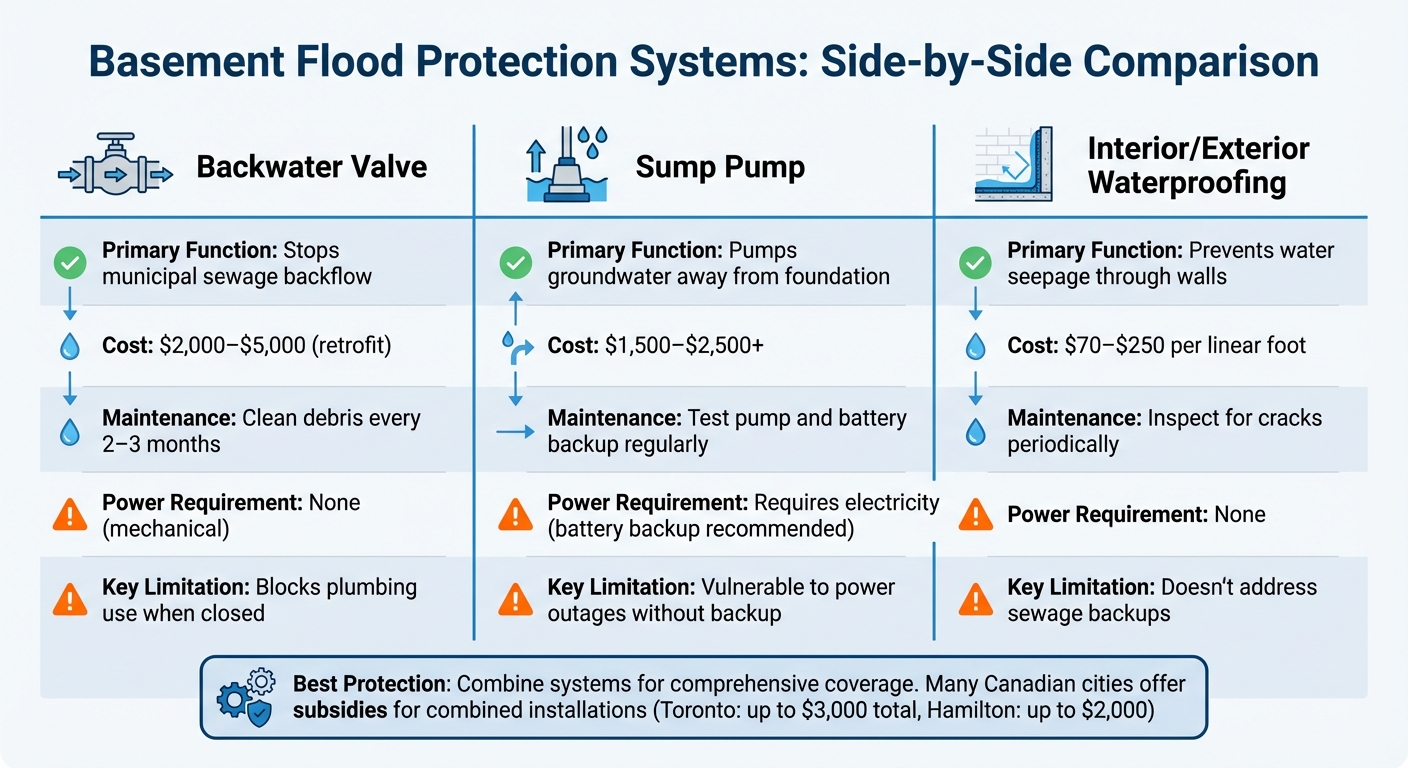
Backwater Valve vs Other Basement Flood Protection Systems Comparison
While the backwater valve is a key tool for stopping sewage backups, it’s just one part of the puzzle when it comes to protecting your basement from flooding. This device is specifically designed to block municipal sewage from reversing its flow into your home. However, preventing other types of water intrusion, like groundwater seepage or issues with foundation drainage, requires additional solutions.
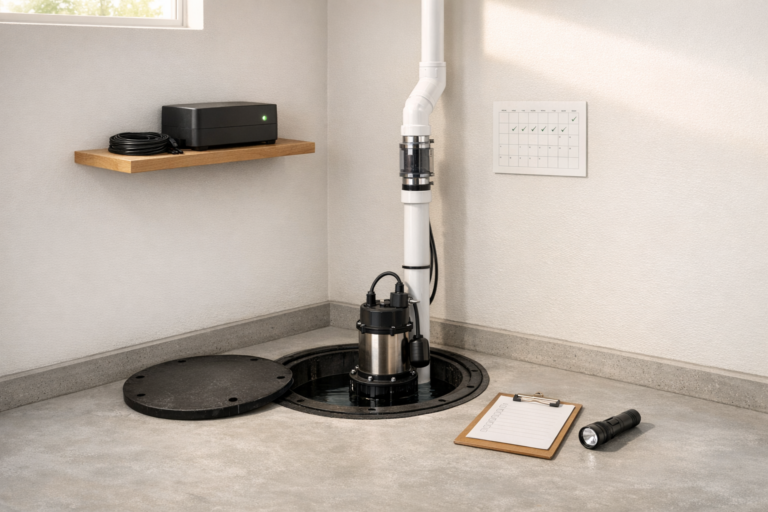
For instance, a sump pump tackles groundwater by collecting and pumping it away from your home’s foundation. When paired with a backwater valve, you get a more robust defence system. Together, they address both sewage surges and groundwater issues, creating a layered approach that significantly reduces the risk of basement flooding.
One downside of the backwater valve is that it shuts off normal wastewater flow when it activates during a storm. This is where a sump pump becomes critical, as it ensures that groundwater can still be managed effectively.
Comparison Table
Here’s a quick breakdown of how the backwater valve stacks up against other basement flood protection systems:
| Feature | Backwater Valve | Sump Pump | Interior/Exterior Waterproofing |
|---|---|---|---|
| Primary Function | Stops municipal sewage backflow | Pumps groundwater away from the foundation | Prevents water seepage through walls |
| Estimated Cost (CAD) | $2,000–$5,000 (retrofit) | $1,500–$2,500+ | $70–$250 per linear foot |
| Maintenance Needs | Clean debris every 2–3 months | Test pump and battery backup regularly | Inspect for cracks periodically |
| Power Requirement | None (mechanical operation) | Requires electricity (battery backup recommended) | None |
| Key Limitation | Blocks plumbing use when closed | Vulnerable to power outages without backup | Doesn’t address sewage backups |
Many cities in Canada emphasize the importance of combining these systems for full protection. For example, the City of Toronto offers subsidies of up to $1,250 for installing backwater valves and $1,750 for sump pumps. Similarly, Hamilton provides grants of up to $2,000 for combined installations. If your foundation drains are tied into the sanitary sewer system, you’ll likely need to disconnect them and install a sump pump. This ensures that groundwater can be properly discharged even when your backwater valve is closed during a sewage backup.
Cost of Installing a Backwater Valve
The cost of installing a backwater valve varies significantly depending on whether it’s part of new construction or a retrofit. For new builds, the process is simpler and costs around $500, as the valve can be installed during the construction phase, before the concrete foundation is poured.
Retrofitting, however, is more complex and labour-intensive. It involves cutting through the foundation and excavating to access the sewer line. For interior retrofits, costs typically fall between $1,600 and $2,600, while exterior installations can range from $2,400 to $4,200.
Before you plan your budget, check for municipal subsidies. For example:
- Toronto offers eligible homeowners a subsidy covering up to 80% of the cost, with a maximum of $1,250.
- Montreal provides a grant of $560 per valve installed under an existing slab.
- Hamilton offers up to $2,000 for combined protective plumbing works.
These programs often require the work to be done by a licensed plumber and include a municipal inspection, so be sure to check the specific requirements in your area.
Finally, notify your insurance provider once the installation is complete. Many insurers offer reduced premiums or even require a backwater valve for sewer backup coverage. Over time, this can help offset the upfront cost of installation.
When to Consult a Professional
While basic upkeep might be something you can handle yourself, installation and repairs of backwater valves are tasks that require the expertise of a licensed professional. Retrofitting a valve is a precise job, often costing between $2,000 and $5,000, and it needs to be done correctly to ensure proper function and compliance with regulations.
Mistakes during installation are more common than you might think. For instance, if a valve is installed upstream of basement fixtures like floor drains or showers, sewage can still back up through those drains during heavy rain. Similarly, a valve installed in the wrong orientation won’t seal properly, making it ineffective against backups.
In Toronto, hiring a professional isn’t just a good idea – it’s mandatory if you want to qualify for the city’s subsidy program. To meet the requirements, the professional must hold a valid City of Toronto business licence (T94, T92, or T87), obtain a building permit, and have the installation inspected by a city official before the valve is covered.
There are clear signs that you should call a professional immediately. These include persistent drain blockages, valves hidden under flooring that are inaccessible for maintenance, cracked O-rings, floats that fail to activate, or valves installed deeper than 0.6 metres (2 feet). Handling sewage-contaminated components can also be risky if you’re not equipped or trained, further underscoring the need for professional help.
For Toronto homeowners, companies like Leaquida Waterproofing offer comprehensive services for backwater valve installation, maintenance, and repairs. They take care of the entire process, from permit applications to ensuring proper valve placement downstream of all fixtures, and even coordinating city inspections – making it easier to protect your basement from potential flooding.
Conclusion
Protecting your basement from sewage backups is crucial for your family’s health, your property, and your finances. Across Canada, water damage makes up 50% of all home insurance claims. Just one sewage backup can result in thousands of dollars in damage to flooring, drywall, and personal items. The aftermath doesn’t end there – issues like black mould, structural damage, and an unusable basement can follow if the problem is ignored.
A backwater valve offers an affordable solution, often paying for itself over time. Many municipalities even provide subsidies to help cover installation costs. As Mike Holmes, a professional contractor and TV personality, wisely advises:
“I really think this is something that should be in every home. Trust me, you don’t want to end up with dirty water in your basement.”
On top of that, some insurance companies require backwater valves for water backup coverage and may even reduce premiums for homes equipped with one. This highlights the importance of proper installation and ongoing maintenance, as discussed earlier. Leaquida Waterproofing offers Toronto homeowners expert services, ensuring backwater valves are installed correctly and city inspections are handled. Regular professional maintenance ensures your valve works effectively, keeping your home safe throughout the year.
Don’t wait for a disaster – reach out to a licensed professional today to install a backwater valve and secure your home’s future.

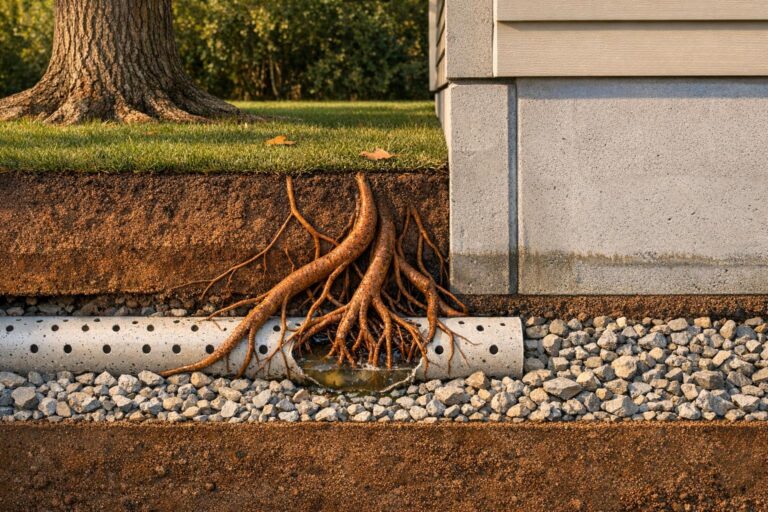
 CLOGGED OR BROKEN WEEPING TILE