
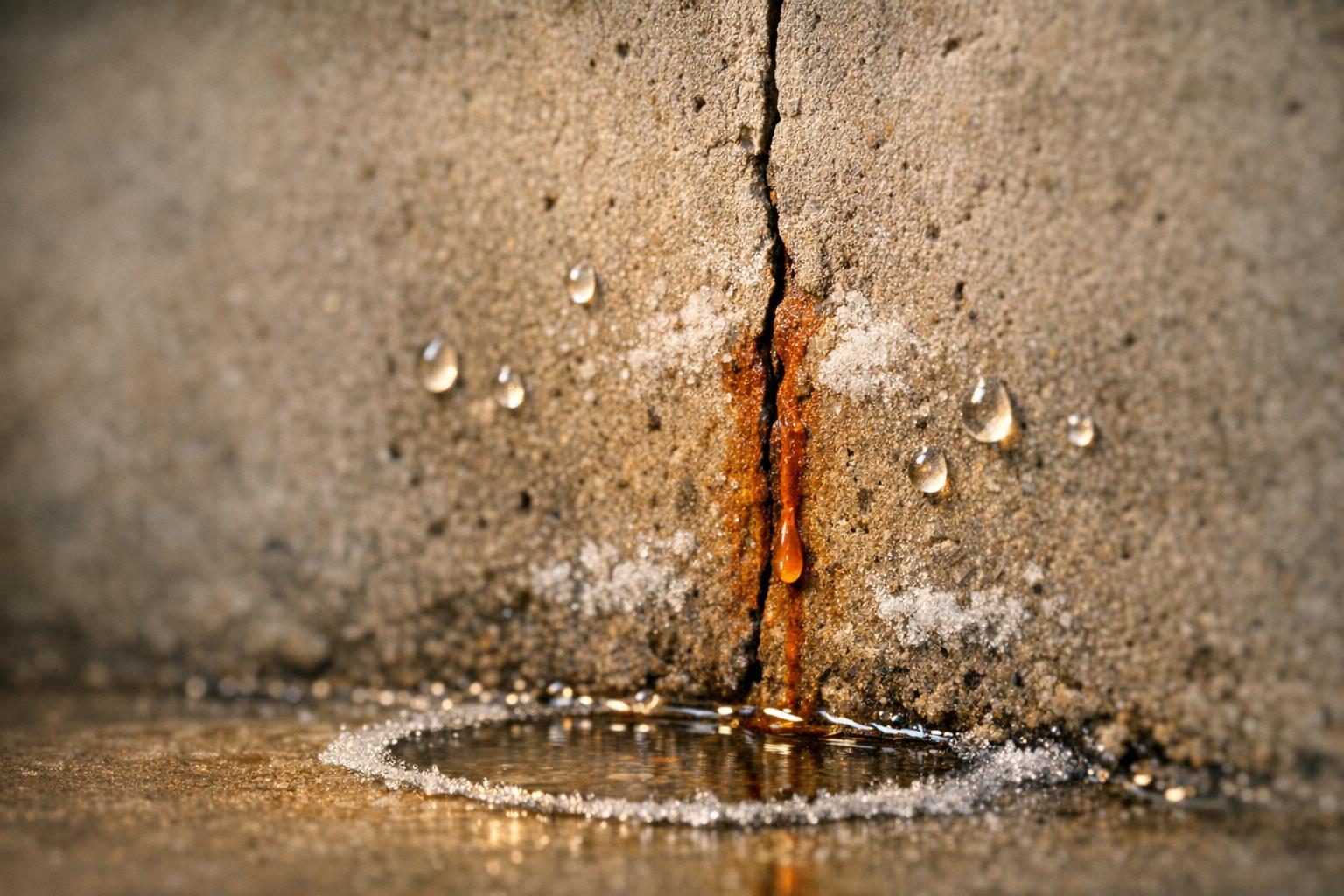
Water is one of the main causes of concrete foundation damage over time. Even though concrete appears solid, its porous nature allows moisture to seep in, leading to cracks, structural weakening, and costly repairs. In Canada, harsh winters, freeze-thaw cycles, and increased rainfall due to climate changes worsen these issues.
Key takeaways:
- Freeze-thaw damage: Expanding ice in concrete pores creates cracks.
- Hydrostatic pressure: Saturated soil pushes water into foundations.
- Rebar corrosion: Ongoing water exposure leads to rust and structural failure.
- Repair costs: Damage can cost $5,000–$25,000 or more to fix.
- Prevention: Waterproofing, proper drainage, and crack repairs can protect foundations.
Ignoring small signs like cracks or dampness can lead to major structural problems. Proactive exterior waterproofing and maintenance are the best ways to protect your home and avoid expensive repairs.
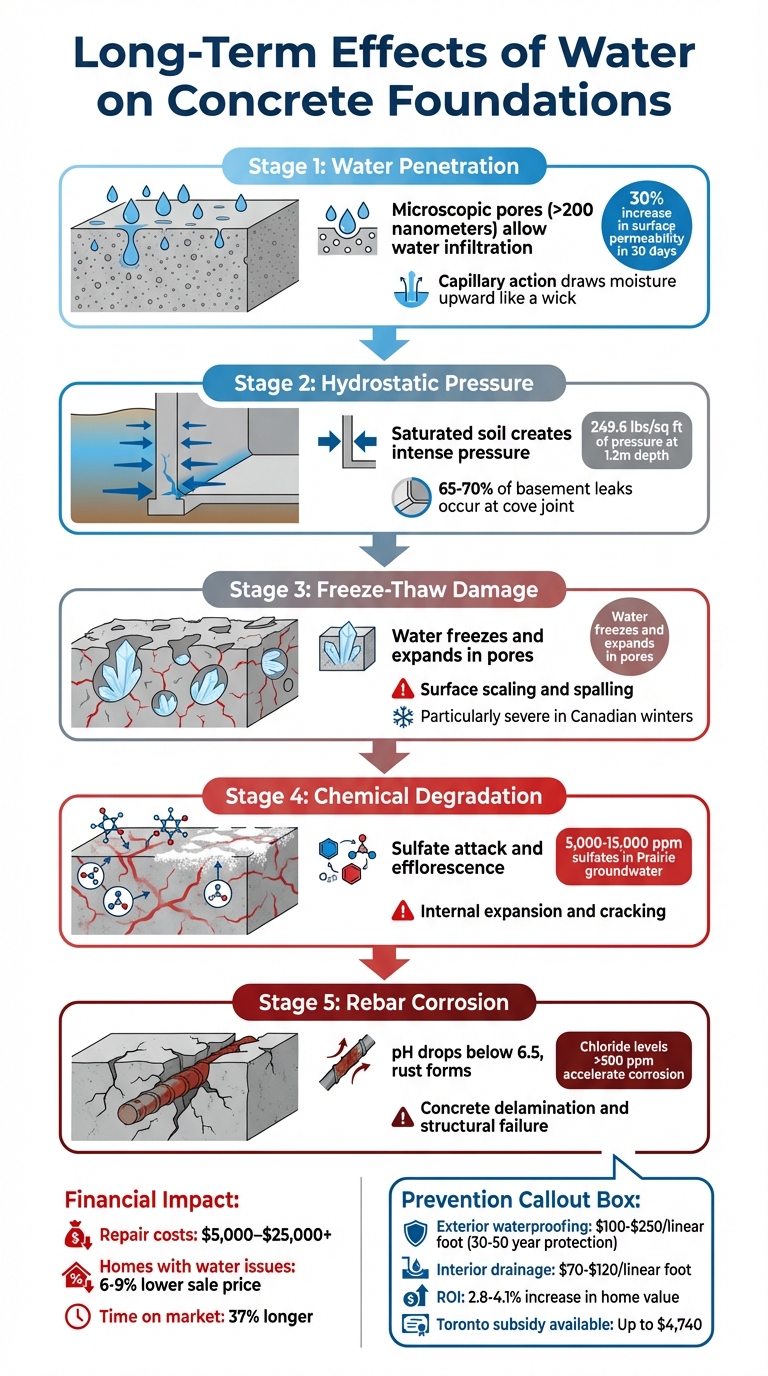
How Water Damages Concrete Foundations: From Penetration to Structural Failure
How water can damage your foundation
sbb-itb-5761e20
How Water Penetrates Concrete Foundations
Concrete might seem like an impenetrable barrier, but it’s riddled with microscopic pores that allow water to seep in. As concrete cures, water in the mix evaporates, leaving behind tiny pores and channels. This creates a sponge-like structure that moisture can easily exploit.
Porosity and Capillary Action
The pores in concrete vary in size, and this inconsistency plays a major role in how water moves through it. Pores smaller than 20 nanometres are generally harmless, but those larger than 200 nanometres create pathways for water to infiltrate. These larger pores link together, forming capillary networks that draw moisture upward from the soil.
“Despite its apparent solidity, concrete is naturally porous when dry. This porosity means that concrete can absorb water through capillary action, essentially acting like a massive wick.” – Nusite Group
This “wicking” effect can continue even when the surface looks dry. Moisture from waterlogged soil travels upward and inward through the foundation walls. Over time, the problem worsens as calcium hydroxide – a byproduct of the cement hydration process – leaches out when exposed to water. This leaching increases the concrete’s porosity. One study found that concrete immersed in ultrapure water showed about a 30% increase in surface permeability in just 30 days.
While capillary action steadily draws moisture in, hydrostatic pressure from surrounding water pushes it even deeper into the concrete.
Hydrostatic Pressure and Foundation Cracks
Capillary action is only part of the issue – hydrostatic pressure adds another layer of concern. This pressure comes from the weight of water in saturated soil pressing against the foundation. The deeper the foundation sits, the more pressure it faces, making it more vulnerable to water intrusion.
For instance, if the water table is 1.2 metres (4 feet) above your basement floor, the floor endures about 249.6 pounds per square foot (roughly 12 kilopascals) of upward pressure. This kind of pressure can widen existing cracks and even create new ones. Horizontal cracks are a clear sign of hydrostatic pressure and often worsen during heavy rains or spring thaws.
Adding to the issue, backfilling with clay soil can lead to what’s known as the “clay bowl effect”. This traps water against the foundation, putting extra strain on the cove joint – the spot where the wall meets the floor – which accounts for 65–70% of basement leaks.
How Climate and Environment Affect Concrete
Concrete faces a relentless battle against environmental and climatic forces, which amplify the damage caused by water infiltration. Beyond the steady intrusion of water into pores and cracks, factors like temperature swings and chemical reactions speed up the material’s decline. Together, these forces pose a serious threat to the durability and longevity of concrete structures.
Freeze-Thaw Cycles and Surface Damage
Canadian winters are particularly harsh on concrete. When water seeps into tiny pores and freezes, it expands, creating internal pressure that fractures the material. This leads to scaling (surface flaking) and spalling (pitting). The cycle repeats with each freeze-thaw event, gradually weakening the structure, often requiring professional foundation repair.
“Frost damage has been observed to cause most severe type of deterioration in concrete structures as it significantly reduces the strength, stiffness and durability.” – Maryah Zia Rana, University of Ottawa
A striking example of this damage is the Latchford Dam in Ontario. Built between 1909 and 1913, the dam underwent major repairs in 1932, 1934, and 1972 due to ice abrasion and freeze-thaw deterioration. By 1993, engineers had to extract 12 concrete core samples and conduct ASTM C-666 freeze-thaw tests to evaluate whether the aged concrete could withstand more seasonal cycles.
Freeze-thaw damage also sets the stage for chemical degradation. Studies show that adding air-entraining agents to concrete – a technique developed in the 1930s – can create tiny voids that help relieve internal pressure, reducing the risk of surface scaling.
Chemical Reactions and Efflorescence
In addition to physical damage, chemical reactions further weaken concrete foundations. Moisture often acts as a catalyst for these reactions. One visible sign is efflorescence – a white, chalky residue left when water evaporates and deposits alkali substances on the surface. While largely cosmetic, it signals ongoing moisture penetration into the foundation.
The damage doesn’t stop at surface staining. In the Canadian Prairies, groundwater has been found to contain sulfate levels as high as 5,000 to 15,000 ppm. When these sulfates are carried into concrete by moisture, they react with the cement paste, causing internal expansion, cracking, and structural degradation – a process referred to as “frost-salt heaving-corrosion”.
“The coupling actions between FT cycles and chemical actions, such as chloride penetration, sulfate attack, carbonation and alkali–silica reaction cannot be ignored because the combination of different degradation processes may be more severe than that of processes acting separately.” – Physics Procedia
This interplay between physical and chemical damage highlights how moisture not only accelerates deterioration but also magnifies the impact of other destructive processes, making the challenge of maintaining concrete structures even more complex.
Long-Term Structural Damage from Water Exposure
When water infiltrates a structure over an extended period, it doesn’t just stop at surface damage – it sets off deeper issues that can seriously weaken the entire framework.
Rebar Corrosion and Concrete Delamination
Reinforcing steel, or rebar, is typically shielded by the natural alkalinity of concrete. But when water exposure continues unchecked, the pH level drops below 6.5, breaking down this protective environment. This process, known as depassivation, allows rust to form. Rust takes up much more space than the original steel, creating internal pressure that causes the concrete to crack. Over time, chlorides and acidic water penetrate deeper, breaching the concrete’s outer layer. This leads to visible signs like cracking, spalling, and delamination.
Chloride levels above 500 ppm significantly increase the risk of corrosion, although concrete submerged below the water table corrodes more slowly due to limited oxygen availability. Beyond attacking the rebar, chlorides and acidic water also leach calcium hydroxide from the concrete. This makes the material more porous, speeding up its deterioration.
“Everything affects everything else”.
These localized issues often act as the starting point for more widespread structural failures.
Combined Failure Mechanisms
The damage doesn’t stop with rebar corrosion – it’s just the beginning. Once cracks form, they allow even more water and chlorides to seep in, accelerating the corrosion process. In areas with sulfate levels above 1,500 ppm, the situation worsens as these chemicals create micro-cracks, further enabling water penetration. This can also amplify freeze-thaw damage, especially in colder climates.
The cumulative effect of these issues, combined with expansive soils, can lead to severe structural damage and foundation issues. The financial impact is equally concerning. In the Greater Toronto Area, homes with active water issues typically sell for 6–9% less and stay on the market an average of 37% longer. Repairing these problems can be costly, making prevention a far better strategy.
Prevention Methods and Professional Solutions
Keeping your home’s foundation safe from water damage requires a mix of proper drainage techniques and professional waterproofing systems that address hydrostatic pressure. The best solution depends on your home’s specific needs and budget.
Drainage Systems and Waterproofing Methods
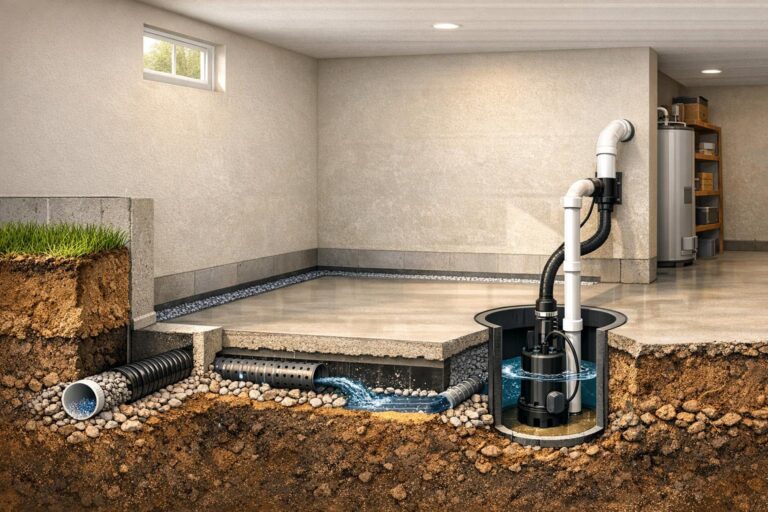
Exterior waterproofing is one of the most thorough ways to protect your foundation. This process involves digging down to the footing, adding waterproof membranes, and installing weeping tiles to divert water before it even reaches the foundation walls. While this approach typically costs between $100–$250 per linear foot, it offers long-term protection (30–50 years) and can even boost your home’s resale value by as much as 10%.
For a more budget-friendly option, interior perimeter drainage systems cost about $70–$120 per linear foot. These systems work by installing a drain and sump pump along the perimeter of the basement floor to reduce hydrostatic pressure under the slab. While this method is more about “managing” water than fully waterproofing, it has the advantage of being installable year-round without disturbing your landscaping.
Simple maintenance can also make a big difference. Redirect your downspouts so they discharge at least 1.8 metres (6 feet) away from your foundation, and ensure the ground slopes away from your home at a rate of at least 15 centimetres over 3 metres (roughly 6 inches over 10 feet). These basic steps create a solid foundation for more advanced professional solutions.
Professional Waterproofing Services
Professional waterproofing services build on drainage measures to provide even greater protection for your foundation. For example, Leaquida Waterproofing, a Toronto-based company, offers services tailored to the city’s increasing rainfall. Their offerings include exterior waterproofing with membrane installation, drainage upgrades, foundation crack repairs using epoxy or polyurethane injections, and sump pump installations equipped with battery backups to ensure they work during power outages.
“In Toronto, I often see homeowners ignore minor signs like basement dampness or tiny wall cracks… A small leak today can turn into a full basement flood by spring.”
– Slava, Senior Foundation Specialist, Canada Waterproofers
Addressing foundation cracks wider than 6 millimetres is critical to prevent further structural damage. Leaquida’s crack repair services range from $500–$1,200 per crack, which is far more affordable than the $5,000–$25,000+ you might spend on emergency structural repairs.
Costs for Canadian Homeowners
Planning your waterproofing budget is essential. Exterior waterproofing costs range from $100–$250 per linear foot, while interior systems cost $70–$120 per linear foot. Homes with professional waterproofing tend to sell for 2.8–4.1% more. Installing a sump pump with backup power typically costs between $1,000–$3,000. Investing in proactive waterproofing can save you thousands in the long run, as repairing advanced water damage can cost over $14,000 – and that’s not including mould removal.
Toronto residents may qualify for the Basement Flooding Protection Subsidy Program, which provides up to $4,740 per property for flood prevention measures like backwater valves and sump pumps. In contrast, homes with unresolved water issues often sell for 6–9% less and stay on the market 37% longer. Taking steps to waterproof your home isn’t just about protecting its structure – it’s also a smart financial move to safeguard your biggest investment.
Conclusion
Water is a relentless enemy of concrete, causing a range of issues like rebar corrosion, freeze-thaw damage, and alkali-aggregate reactions. Thanks to concrete’s natural porosity, moisture seeps in over time, weakening the cement binder and compromising the foundation. This ongoing process highlights why addressing water-related problems promptly is so important.
Catching these issues early can prevent bigger structural failures like bowing walls, sinking foundations, and uneven floors. Small warning signs – like efflorescence, musty smells, or tiny cracks – shouldn’t be ignored. Tackling them early can save you from much larger repair bills down the line.
“Water is persistent and dynamic – what starts as a minor moisture issue can develop into major structural problems if left unaddressed.” – Nusite Group
By combining prevention strategies with proactive action, you can protect your home’s structural integrity and its value. Knowing how water affects concrete is the first step toward choosing the right waterproofing solutions. Professional services, such as those offered by Leaquida Waterproofing, specialize in managing hydrostatic pressure with proven techniques like drainage systems and waterproof membranes. Their tailored services – including exterior waterproofing, interior perimeter drains, and foundation crack repairs – offer reliable, long-term protection for your home.
Taking action now isn’t just about avoiding expensive repairs. It’s about safeguarding your family’s well-being, preserving your property’s value, and ensuring your foundation can withstand Canada’s tough freeze-thaw cycles for years to come.

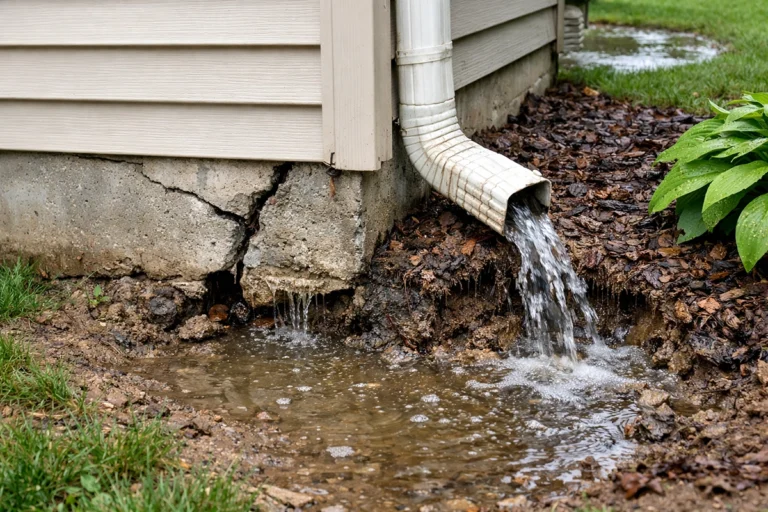
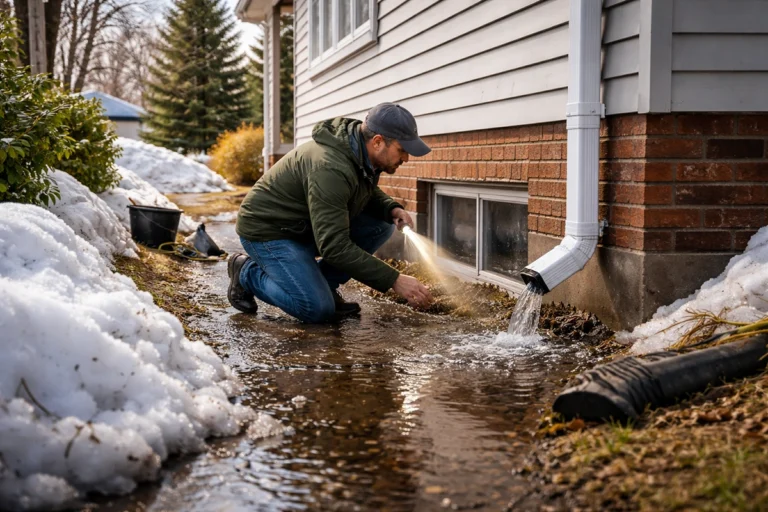
 CLOGGED OR BROKEN WEEPING TILE