
If you find yourself researching solutions to basement flooding or you’ve spent some time on any plumbing website, you might have seen talk of sump pumps. What is a sump pump? They’re tools made for preventing flooding and pooling in basements, primarily. Let’s take a look at how they work and how a sump pump could help you.
How Are They Installed?
Sump pump installation is somewhat extensive, so they’re usually used only in situations where it’s strictly necessary. Sump pumps are installed beneath floor level. Because these are most frequently used in unfinished basements, a hole is usually cut into the exposed, cement floor.
The body of the sump pump is the sump basin, which is fitted into the hole in the floor. These basins can vary in size, but are usually around two feet deep. This basin is for collecting water and moisture that would otherwise settle and pool on the basement floor. It houses the rest of the sump pump as well.
Sump basins – and therefore pumps – can also be installed underneath a layer of flooring. For finished basements with little integrity in the subfloor’s waterproof qualities, this is vital. Here’s why:
Types of Sump Pumps
Not all sump pumps are the same. Depending on your home and moisture level, you may benefit from:
Submersible Sump Pumps
Installed inside the basin and operate quietly beneath the waterline — ideal for finished basements.
Pedestal Sump Pumps
The motor sits above the basin, making maintenance easier and extending lifespan.
Battery-Backup Pumps
Essential in areas where storms cause frequent power outages.
Combination Systems
Primary pump + backup pump for maximum flood protection.
Need Help With Your Sump Pump?
💧 Not sure if your basement moisture problem requires a sump pump?
Our specialists will assess the situation and recommend the right solution, including professional sump-pump installation tailored to your home.
👉 Get expert guidance today and keep your basement dry year-round.
How a Sump Pump Protects Your Home
A sump pump’s entire purpose is moving water away from the house. In an unfinished basement, this ensures that it doesn’t flood. However, for finished basements, this does even more.
First, you should put a waterproof, protective layer between the flooring and the subfloor. This keeps any moisture from damaging the flooring or causing mold growth and wood rot. Then, the next hurdle is ensuring that that space between the waterproof layer and subfloor doesn’t just flood with water. That’s where the sump pump comes in. It collects any water between the protected flooring and the subfloor and escorts it away from your home.
What Does a Sump Pump Do?
Homeowners often wonder what a sump pump does and why it’s considered essential for basement protection. In simple terms, sump pumps collect excess groundwater or moisture and automatically push it away from your home before it can damage the flooring, walls, or foundation. This is exactly what sump pumps do — they act as your last line of defense against hidden water buildup.
What Does a Sump Pump Look Like?
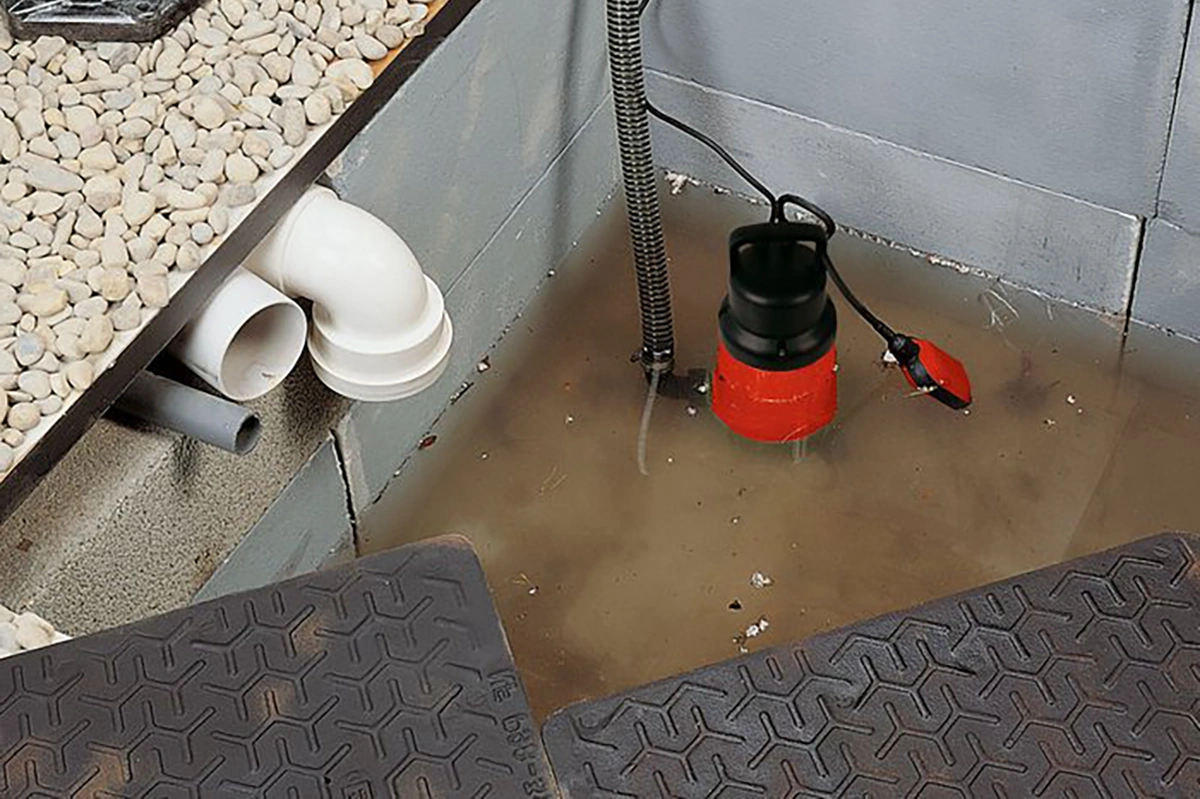
Many people aren’t sure what a sump pump looks like, especially if it’s hidden inside a finished floor. A typical system includes a deep sump basin, a submersible pump unit, a float switch that activates the pump, and a discharge pipe leading the water safely away from the property. Even though the pump itself is compact, the full setup is designed to manage significant amounts of groundwater.
Where Are Sump Pumps Used?
While sump pumps are commonly associated with unfinished basements, their use extends far beyond that. These systems are essential in a variety of residential and structural scenarios:
Finished Basements
Even with modern flooring and insulation, finished basements are vulnerable to hidden moisture buildup. A sump pump protects your flooring, walls, and belongings by quietly removing excess groundwater before it becomes a problem.
Flood-Prone or Low-Lying Properties
Homes built on flat terrain, near rivers, or in regions with a high water table are especially at risk. A sump pump helps manage sudden influxes of water from heavy rain or snowmelt, preventing costly flooding.
Crawl Spaces
Moisture in crawl spaces can lead to mould, rot, and pest infestations. Installing a compact sump system in a crawl space keeps humidity down and protects your home’s structure from below.
Older Homes with Poor Drainage
Many older properties lack modern drainage systems or waterproofing. A sump pump can provide critical protection in cases where exterior solutions are limited or difficult to retrofit.
How Do They Work?
Sump pumps, as you know, are for moving water away from the house. But, how do they work? It’s actually quite interesting! Sump basins have a sensor in them to detect water. This sensor can be adjusted to sit at any level you like. If you want faster water removal, it can be set a few inches from the bottom. If you’re not in any hurry, you can put it closer to the top.
As moisture drips and water runs into the basin, the sensor will notice when it’s been reached and will trigger the pump to begin pumping water out. Water is then pulled from the basin and pumped through a pipe into the ground some distance from the house. This distance can vary, but is usually more than 10 feet away, going as far as 30 or more.
By moving the water this far away from the house, as it soaks back into the earth, it will not be able to reach the house’s foundation again. While the ground is certain to get wet near the house again as rain and snow moves down through the dirt, this system of repeatedly removing the water keeps it from settling in your basement indefinitely.
Talk to a Waterproofing Specialist Today
🛠️ Water pooling in your basement or crawl space?
We’re available 7 days a week to inspect the issue and provide a long-term fix that protects your home from flooding.
📞 Call us now or book a quick inspection online.
How We Service and Maintain Sump Pumps
Installing a sump pump is just the first step — keeping it in top condition is just as important. At Leaquida Waterproofing, we offer complete sump pump care to ensure your system works exactly when you need it most.
Professional Installation
We don’t believe in one-size-fits-all. Our team assesses your basement layout, moisture risk, and floor type to install a sump pump system that’s sized and positioned for maximum efficiency.
Annual Inspections and Tune-Ups
We recommend having your sump pump professionally inspected at least once a year. During maintenance, we check for worn-out parts, clear debris, test float switches, and ensure the discharge line is unobstructed.
Emergency Repairs
If your sump pump isn’t turning on or can’t keep up during heavy rainfall, we offer fast-response repairs to restore protection before major flooding occurs.
Battery Backup System Installation
Power outages often happen during storms — exactly when you need your sump pump most. We install backup battery systems to keep your pump running even when the power’s out.
Why Do You Need a Sump Pump?
There are many reasons why you need a sump pump, especially if your home is in a low-lying area or has a history of moisture problems. A sump pump provides constant, automatic protection against water infiltration, reducing mold growth, preventing flooring damage, and preserving the integrity of your foundation. Knowing when you need a sump pump depends on warning signs like standing water, musty odors, or visible dampness on walls and floors.
Do I Need a Sump Pump?
Not every moisture issue means you need a sump pump — but in the right situation, it can be the most effective line of defense against basement flooding. So how do you know if your home needs one?
You might need a sump pump if you’ve noticed:
- Standing water or puddles on the basement floor after rain
- A musty smell that doesn’t go away, even with ventilation
- Visible moisture seeping up through cracks or the floor itself
- Your property sits in a low-lying area or has poor yard drainage
- Mold growth or damp spots appearing at the base of walls
If any of these sound familiar, it’s time to have your basement professionally assessed. At Leaquida Waterproofing, our team will inspect your home, identify the true source of the moisture, and determine whether a sump pump — or another solution — is best for you.
Protect Your Home with More Than Just a Sump Pump
At Leaquida Waterproofing, we offer more than sump pump installations. If your basement moisture issues run deeper, our full-service solutions can help:
- Foundation Crack & Leak Repair
We seal interior and exterior cracks to prevent water infiltration at the source. - Exterior Waterproofing
A durable membrane applied outside your foundation walls keeps groundwater from entering your home in the first place. - French Drain Installation
Subsurface drainage systems that collect and redirect water away from your foundation to relieve pressure and prevent leaks. - Backwater Valve Installation
Prevents sewage from backing up into your basement during major storms or city drainage overloads.
📞Whatever the source of your moisture, we’ll find the right fix. Contact Leaquida Waterproofing today to schedule your on-site assessment and protect your basement for good.
FAQ
If the pump runs constantly during rainfall, struggles to keep up, or the basin fills faster than it drains, your current pump may be undersized for your moisture level or groundwater conditions.
Most pumps last 7–10 years depending on usage. Frequent cycling, high groundwater, or poor maintenance can shorten the lifespan significantly.
A properly functioning sump pump activates only when water reaches the float switch. Constant running may signal a drainage problem, stuck switch, or pump failure.
Not the primary pump — but you can install a battery-backup or water-powered backup system to keep your basement protected during outages.
Yes. Professional inspection helps detect worn parts, clogged discharge lines, and float switch issues early, ensuring the pump activates reliably during storms.
No. While sump pumps remove groundwater efficiently, issues like wall cracks, poor grading, or foundation leaks may require additional waterproofing solutions.
 CLOGGED OR BROKEN WEEPING TILE