
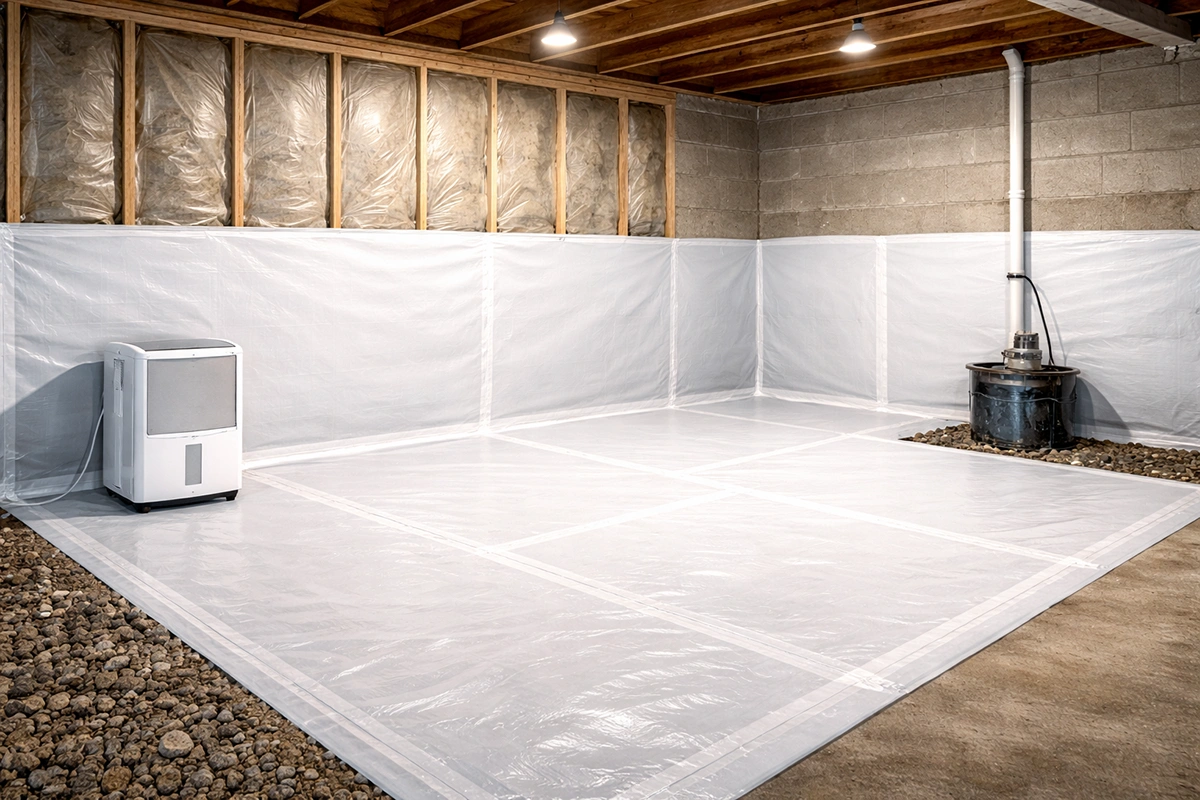
Basements naturally experience increased humidity, even without visible leaks. Concrete walls and floors look solid but allow moisture to migrate through, raising humidity levels indoors. Over time, this leads to musty odors, mold, damaged insulation, and premature deterioration of building materials. One effective way to slow this process is installing a vapor barrier in a basement, but to use it correctly, homeowners must understand what is a vapor barrier, how it functions, and when it is most effective. A well-designed moisture-control strategy can significantly extend the lifespan of finished materials and prevent costly repairs.
What Is a Vapor Barrier in a Basement?
A vapor barrier is typically a polyethylene membrane designed to control the movement of water vapor through concrete or framing. When people ask what is a vapor barrier in basement, it’s important to highlight that this material helps stabilize humidity rather than act as a full waterproofing system.
Homeowners often want to know what does vapor barrier do. In short, it reduces moisture transfer from the ground into the living area, lowering the risks associated with mold and dampness. This creates a more predictable environment for both storage and living spaces.
What Is the Purpose of a Vapor Barrier?
Understanding what is the purpose of vapor barrier helps homeowners make informed renovation decisions. Moisture from soil naturally travels toward drier indoor air. When this process is uncontrolled, water vapor can condense inside wall cavities or behind insulation.
A correctly installed membrane helps:
- Reduce humidity
- Keep insulation dry
- Prevent condensation
- Protect finish materials
This makes it an essential part of long-term basement performance and comfort.
When to Use a Vapor Barrier With Insulation
Many homeowners wonder when to use a vapor barrier with insulation. In colder climates like Ontario, warm indoor air meets cooler foundation walls, increasing condensation risk. A moisture-control layer becomes especially important when using batt or foam insulation.
However, improper placement can trap moisture. To avoid this issue, the protective film is typically installed on the warm side of the wall assembly, ensuring moisture does not accumulate inside the structure. Proper ventilation and material choice also play a significant role in moisture management.
Is a Vapor Barrier Necessary in Basement Floor Systems?
A common question is is a vapor barrier necessary in basement floor construction. Floors can release as much moisture as walls, especially if the concrete slab lacks an existing moisture-control layer beneath it.
A floor membrane is especially important when:
- Installing flooring sensitive to moisture
- Turning the basement into living space
- Using subfloor systems that may trap humidity
When done correctly, this approach protects flooring materials and ensures long-term comfort.
How a Vapor Barrier Works in a Basement
Moisture naturally travels from areas with higher humidity to spaces with lower humidity. A vapor barrier interrupts this movement, helping stabilize the interior environment. Unlike full waterproofing systems that stop liquid water, this layer focuses specifically on vapor diffusion. In practice, it is often combined with exterior basement waterproofing to address moisture before it reaches the foundation walls.
When combined with insulation and drainage measures, it becomes part of a complete strategy for maintaining basement dryness. This integrated approach is particularly valuable for finished basements, where material longevity matters most.
How to Install a Vapor Barrier in Basement Walls and Floors
Homeowners often search for how to install a vapor barrier in basement, how to install a vapor barrier in a basement, or installing a vapor barrier in basement. While the process seems simple, proper technique plays a major role in long-term effectiveness.
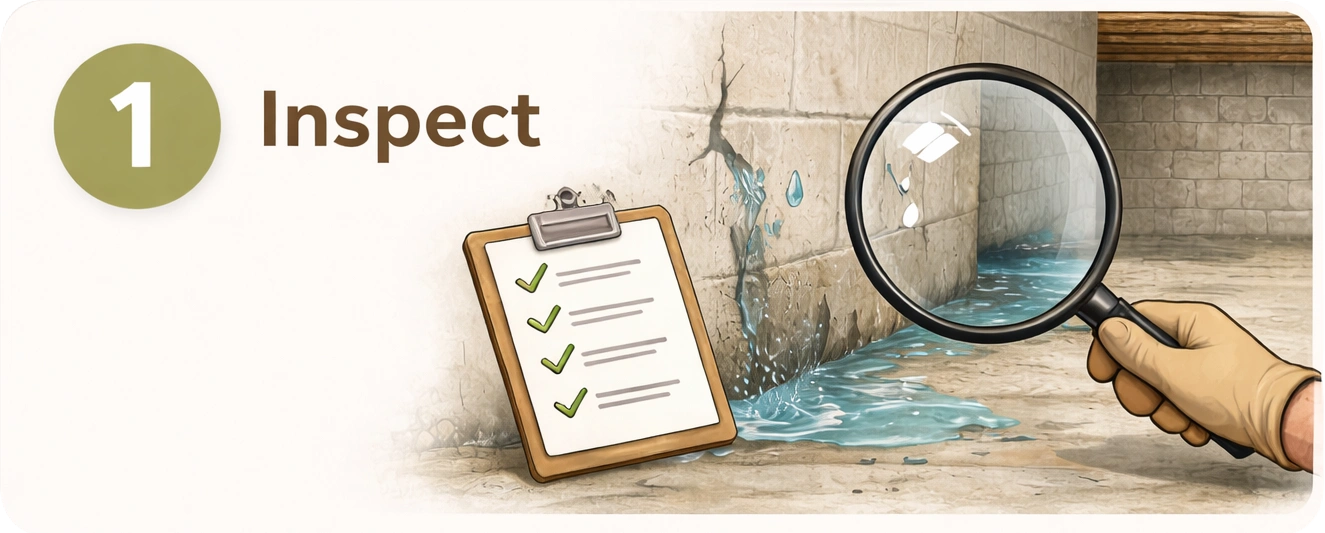
1. Inspect the area
Walls and floors must be clean and free of active leaks. If water is entering, waterproofing must be completed first.
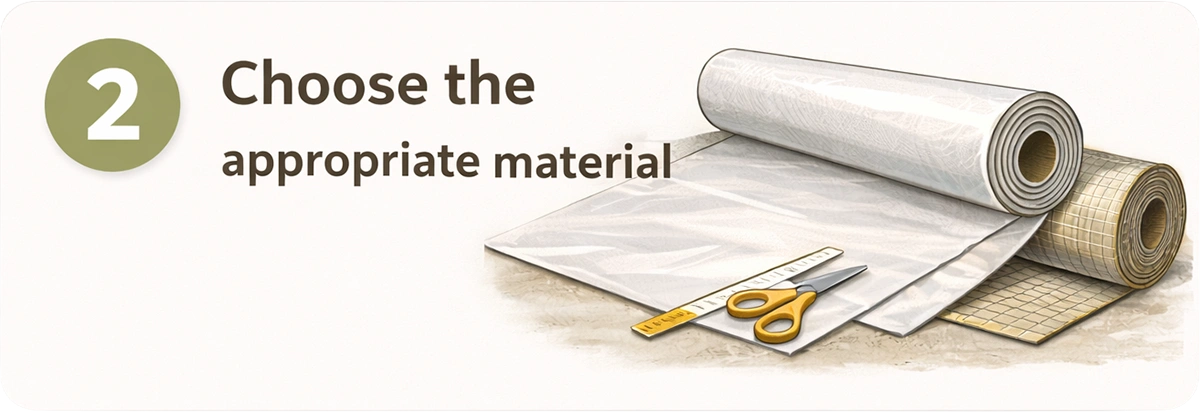
2. Choose the appropriate material
Most basements use polyethylene sheeting (6–10 mil), though reinforced options may be recommended for humid environments.
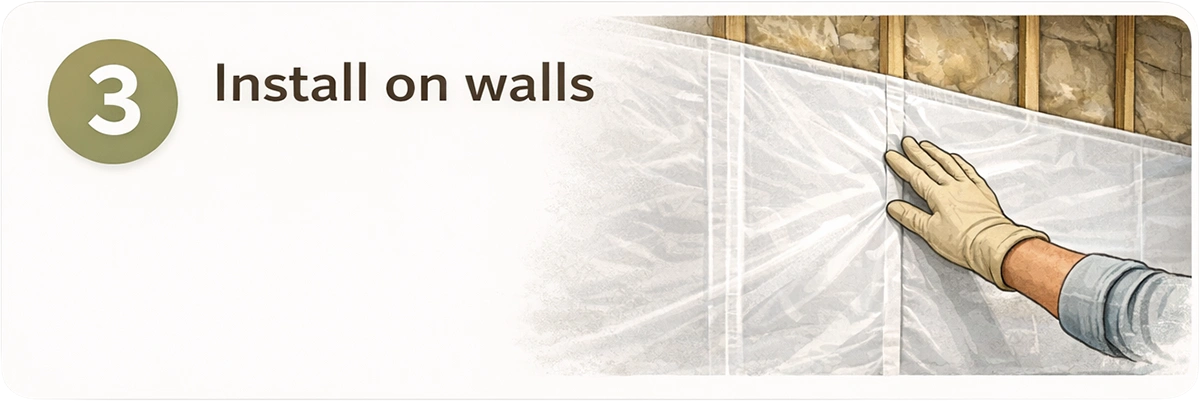
3. Install on walls
The film is placed on the warm side of insulation and carefully sealed at the seams.
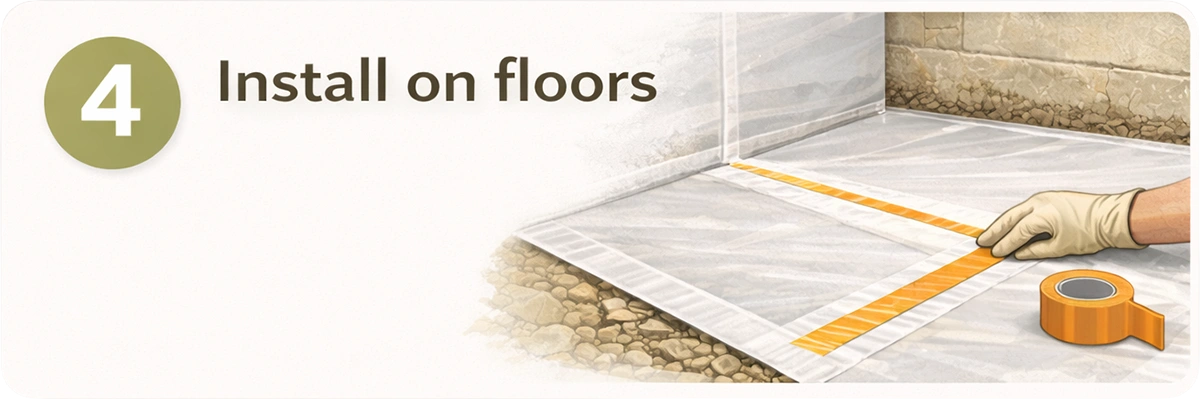
4. Install on floors
The membrane is laid flat, taped at the overlaps, and covered with suitable subfloor materials.
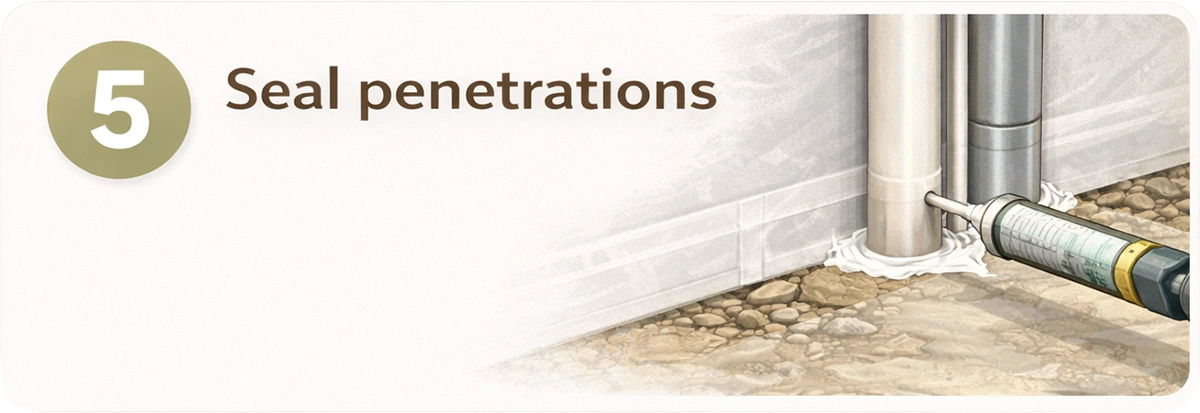
5. Seal penetrations
Utility openings and transitions must be sealed to maintain a continuous moisture-control layer.
Improper installation can trap moisture, so many homeowners prefer professional installation for optimal results.
Benefits of Using a Vapor Barrier in a Basement
When installed correctly, this moisture-regulating layer offers several benefits:
- Lower humidity and fewer odors
- Improved insulation performance
- Reduced risk of mold
- Better protection for finished materials
- Improved energy efficiency
These advantages make basements far more comfortable and healthier for everyday use.
Vapor Barrier vs. Full Basement Waterproofing
A moisture-control membrane helps regulate humidity but does not stop liquid water entering through cracks or hydrostatic pressure. In these situations, interior basement waterproofing systems are often required to actively manage groundwater beneath the foundation.
This means the membrane is a complementary component, not a substitute, for comprehensive waterproofing. Together, they create a resilient and long-lasting basement environment.
Final Thoughts
Understanding what is a vapor barrier, what does vapor barrier do, and how to install a vapor barrier in basement helps homeowners make better decisions when renovating or finishing their basements. When installed properly and paired with adequate waterproofing, this system offers long-term protection, improved comfort, and reduced maintenance concerns.
Because every basement has different moisture conditions, a comprehensive approach that combines vapor control, drainage, and waterproofing is often the most effective solution. Working with experienced basement waterproofing professionals ensures that all elements of moisture management are properly integrated and suited to the home’s structure and environment. Learn more about complete basement protection solutions at LeaQuida Waterproofing. A well-planned moisture strategy benefits both the home’s structure and the people living in it.
 CLOGGED OR BROKEN WEEPING TILE