
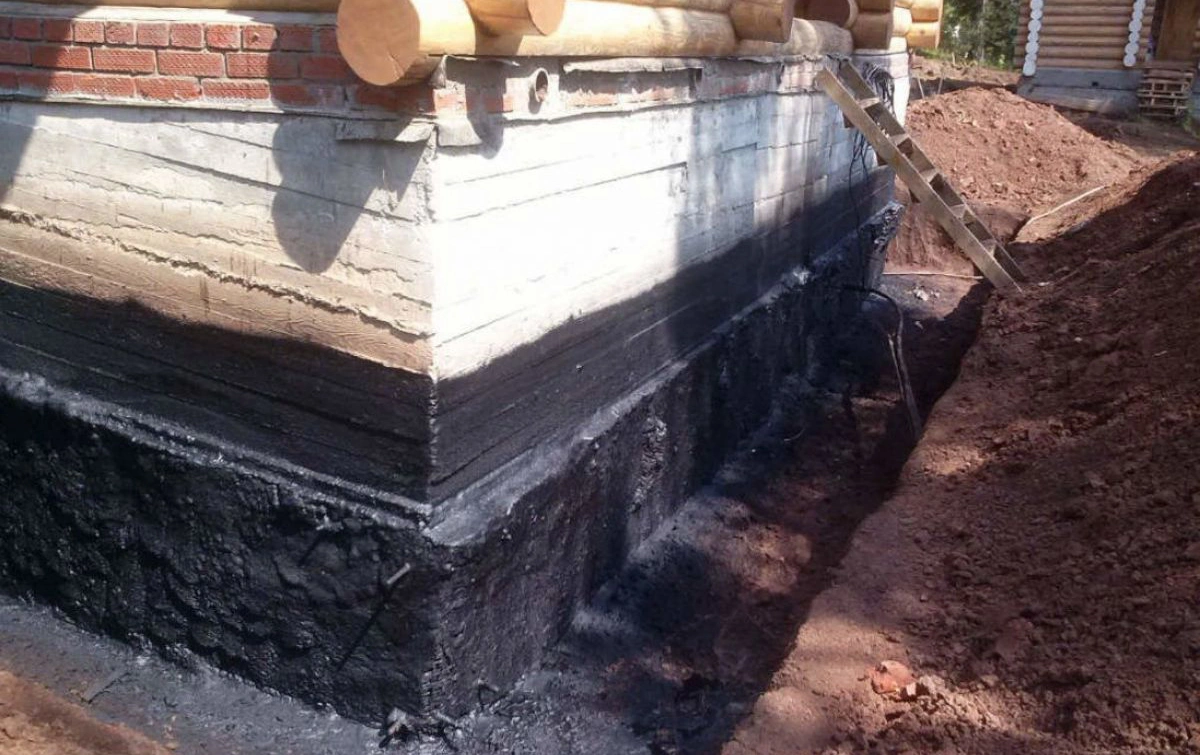
Waterproofing a house foundation from the outside involves protecting below-grade walls before moisture has a chance to penetrate the structure. This method focuses on blocking water at the source by sealing the exterior surface, improving drainage, and preventing hydrostatic pressure from building up around the foundation. It is one of the most effective long-term approaches for keeping basements dry and preserving structural stability. The sections below explain the full process, materials, and best practices.
Why Exterior Foundation Waterproofing Matters
A strong foundation is only as reliable as its ability to resist moisture. When water continuously presses against below-grade walls, it gradually finds weak points and causes dampness, leaks, and deterioration. Over time this leads to mold growth, material breakdown, and structural instability. This is why exterior foundation waterproofing is considered the most effective long-term approach for preventing underground moisture issues.
Exterior methods protect the wall before water reaches it, unlike interior solutions that manage moisture after it has entered. By addressing the root cause, homeowners reduce hydrostatic pressure, extend the life of their foundation, and maintain a healthier indoor environment. Exterior protection also enhances property value, as a dry basement is a key component of overall home integrity.
Assessing the Foundation Before Exterior Waterproofing
Before planning any work, it’s important to evaluate the condition of the foundation and nearby soil. This allows you to detect weaknesses, choose appropriate techniques, and avoid costly mistakes later. A proper assessment also reveals whether the issues stem from drainage failures, surface runoff, soil saturation, or cracks in the structure.
Inspecting Cracks, Settlement, and Damp Areas
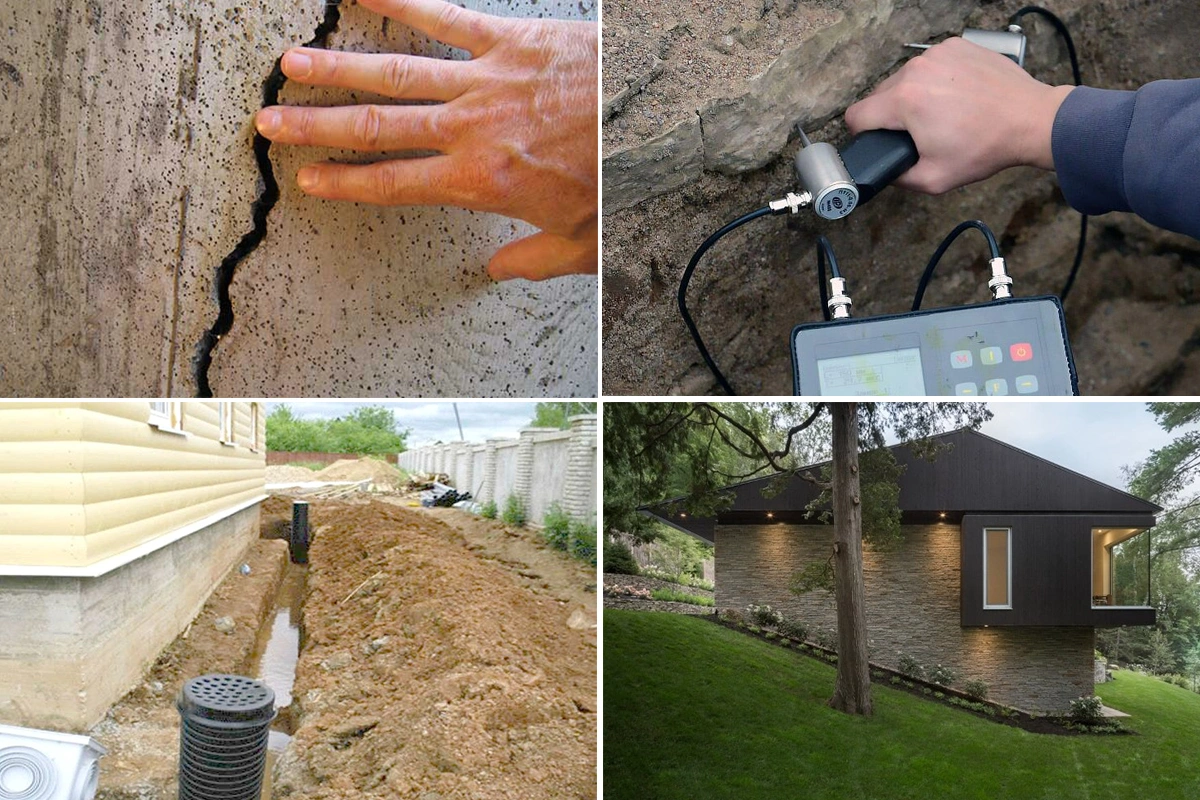
Begin by examining the exposed sections of the wall, any visible cracks, and areas with efflorescence or discoloration. These are signs that water has already penetrated. Settlement cracks, even if small, can widen under pressure, letting moisture seep deeper into the structure. When preparing to apply waterproofing foundation walls externally, addressing damage is essential to achieve a reliable seal.
Identifying Soil and Drainage Issues Around the Home
Next, evaluate the landscape around the building. Poor grading, compacted soil, or downspouts draining too close to the foundation can contribute to moisture buildup. A strong exterior foundation drainage system prevents standing water and reduces pressure on the walls. Correcting drainage before waterproofing ensures the system functions properly for years to come.
Tools and Materials Needed for Waterproofing Foundation Walls Externally
Exterior waterproofing requires a combination of digging tools, cleaning equipment, sealants, protective membranes, gravel, and perforated drainage piping. Safety gear is essential for excavation because working deep in narrow trenches carries risk. Depending on soil type and wall condition, additional materials such as crack injection kits or insulating panels may be required. The goal is to prepare everything beforehand to ensure an uninterrupted waterproofing process.
Exterior Basement Waterproofing Steps
Exterior waterproofing consists of several essential stages that must be followed in the correct order for the system to work effectively. These steps include exposing the foundation, preparing the wall surface, applying waterproof barriers, and creating proper drainage to move water away from the home. Each step reinforces the previous one, forming a comprehensive protective system. The following guide outlines every phase to help homeowners understand how exterior waterproofing is properly completed.
Safe Excavation Around the Foundation
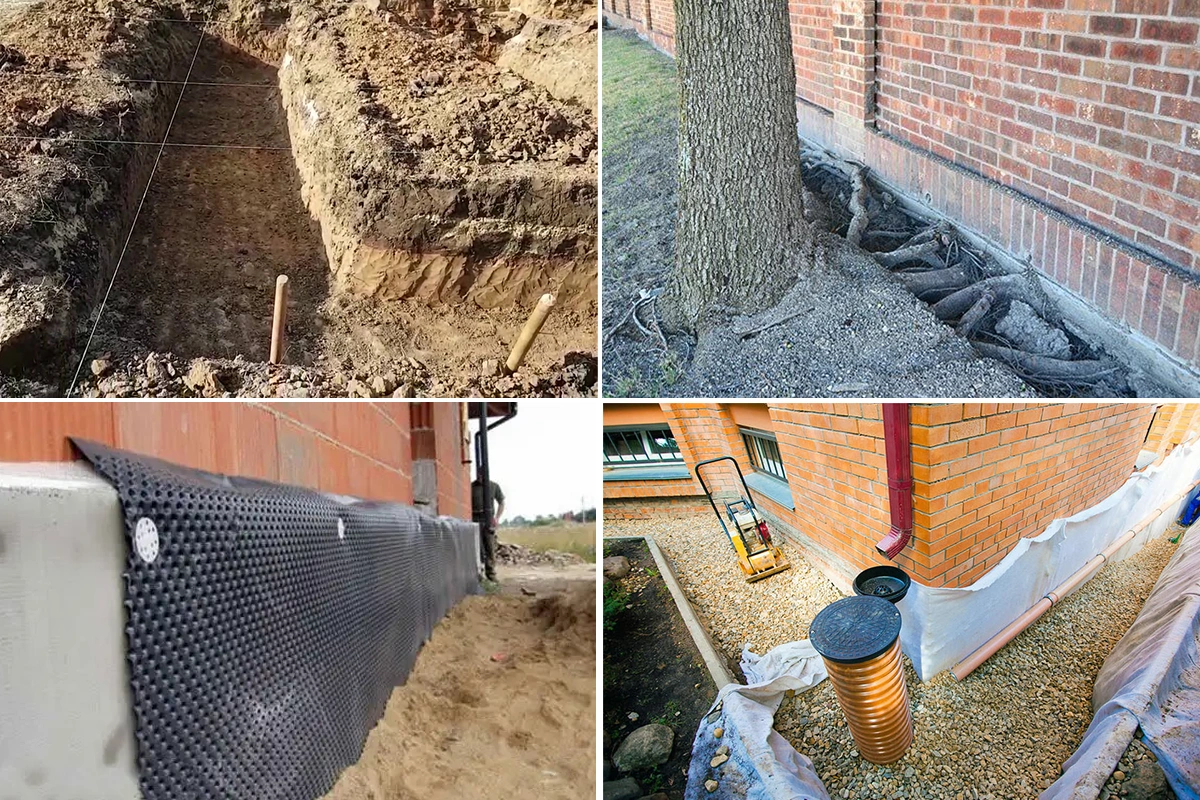
Proper excavation is the first phase of exterior basement waterproofing steps. Soil must be removed down to the footing, creating enough space to work safely along the entire wall. This stage exposes previously hidden cracks, damaged coatings, and weak points. Care must be taken to avoid damaging utility lines, drainage pipes, or the foundation itself.
Cleaning and Preparing the Exterior Wall Surface
Once exposed, the wall needs thorough cleaning. Dirt, roots, old paint, and deteriorated coatings interfere with adhesion. A clean surface ensures that membranes and sealants bond effectively. Any crumbling concrete should be scraped away, and all cracks must be repaired before moving forward.
Applying Sealants, Membranes, or Coatings
This stage is the core of waterproof foundation from outside protection. High-quality membranes or liquid-applied coatings are installed to create a continuous moisture barrier. These materials block water from penetrating and are designed to withstand underground pressure. Using a product recommended by a professional exterior foundation sealing guide helps ensure durability.
Installing a Reliable Exterior Foundation Drainage System
To prevent future leaks, a drainage pipe is placed at the base of the wall. This system redirects groundwater away from the house, reducing pressure against the structure. Fresh gravel is added around the drain to improve filtration and maintain long-term flow. Without drainage, even the best waterproofing layer would eventually fail.
Backfilling the Trench the Right Way
After the waterproofing layer and drainage components are installed, the trench must be backfilled with care. Loose soil or debris can damage the new membrane. Using gravel or clean fill ensures water flows downward toward the drain instead of pooling near the wall. Proper backfilling completes the waterproofing home foundation exterior process and prevents future shifting.
How to Stop Leaks in Foundation Walls From the Outside
Stopping leaks requires finding the exact entry point and addressing it with durable materials. When applying how to stop leaks in foundation walls techniques, cracks should be filled with structural repair compounds designed to withstand movement and pressure. If the leak originates from poor grading or failed drainage, correcting the environment around the home is essential. Waterproofing alone cannot overcome external factors that continuously direct water toward the structure.
Long-Term Ways to Protect the Foundation From Water Outside
A dry foundation depends not only on waterproofing but also on proper property maintenance. Clean gutters and downspouts ensure water moves away from the home rather than pooling near it. Extending downspouts, improving grading, and installing French drains are effective ways to protect foundation from water outside. Landscaping choices also matter: avoid planting trees too close to the house, as roots can shift soil and create channels for moisture.
Common Mistakes to Avoid When Waterproofing a Foundation From the Outside
Homeowners often underestimate the complexity of external waterproofing. One common mistake is skipping crack repairs and applying coatings directly over damaged surfaces. Another issue is choosing unsuitable materials or applying them in wet or cold conditions. Some homeowners also attempt shallow excavation, which fails to expose the true source of moisture. Following waterproofing basement walls from outside principles correctly is essential to avoid premature failure.
When Exterior Waterproofing Isn’t Enough: Calling a Professional
While exterior systems are highly effective, there are situations where expertise is required. Severe structural cracking, soil instability, and recurring seepage may indicate deeper issues within the foundation. In these cases, professional evaluation is essential. Services like foundation waterproofing in Toronto ensure correct installation and long-lasting protection. If the project involves major restoration, specialized teams may also coordinate surface repair or improvements such as concrete floor installation.
Final Thoughts
Waterproofing the exterior of a foundation is one of the most reliable ways to prevent basement leaks and structural deterioration. By understanding how to waterproof house foundation outside, assessing conditions carefully, and following proven techniques, homeowners can create a strong defense against moisture. Combined with regular maintenance and proper drainage, exterior protection ensures long-term stability and a healthier living environment.
 CLOGGED OR BROKEN WEEPING TILE