
Waterproofing concrete begins with understanding how moisture moves through the material and which methods provide the most reliable protection. Different surfaces require specific approaches depending on their exposure to water, soil pressure, or weather conditions. Before choosing a product, it’s important to evaluate the environment, repair structural imperfections, and select the right treatment for long-term durability. The following sections break down the essential steps and best practices to ensure concrete stays dry and strong.
Why Concrete Needs Waterproofing
Concrete is durable, dense, and widely used in both residential and commercial construction, yet it remains naturally porous. Even well-cured surfaces can absorb moisture, allowing water to travel deep into the slab or wall through microscopic pathways. Over time this hidden movement causes staining, weakening of the material, surface scaling, and corrosion of reinforcing steel. The process is slow at first but accelerates as moisture continues breaking down the structure. This is why understanding how to protect concrete from water damage is essential for long-term performance.
Water intrusion can also create secondary problems around the property. Persistent dampness raises indoor humidity, encourages mold, and disrupts temperature control in basements and lower levels. When concrete is part of foundation walls, moisture can gradually compromise structural stability. Proper waterproofing prevents these issues, extending the life of the material and avoiding expensive restoration work in the future.
Types of Concrete Surfaces That Require Waterproofing
Not all concrete surfaces face the same moisture challenges, which is why waterproofing must be tailored to the specific structure. Indoor and outdoor areas react differently to humidity, temperature changes, and direct water exposure. Understanding these differences helps homeowners choose the right protection strategy and avoid early deterioration. Below are the main concrete surfaces that benefit the most from proper moisture control.
Interior Floors and Basements
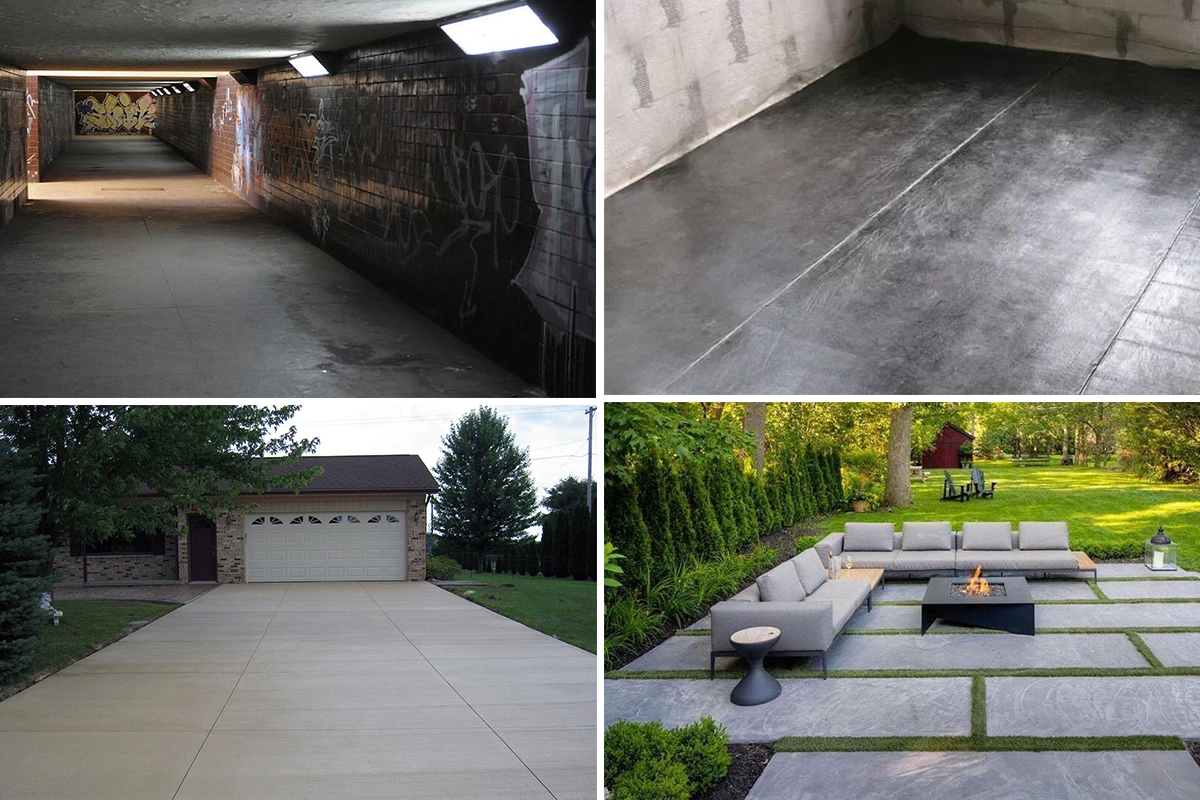
Indoor slabs may seem protected from harsh environmental conditions, yet moisture can rise through the ground and seep upward. Basement floors are especially vulnerable because they are in constant contact with the surrounding soil. When the humidity level becomes too high, coatings and flooring materials begin to fail. Using reliable waterproof concrete floor solutions is the only way to create a dry, stable environment suitable for storage, living space, or mechanical equipment.
Exterior Slabs, Patios, and Driveways
Outdoor surfaces are exposed to rain, freezing cycles, and UV radiation every day of the year. Water enters small surface imperfections and expands when temperatures drop, which leads to cracking and scaling. Proper treatment protects the slab from weather-related deterioration. High-quality sealers also help retain color on decorative concrete and reduce surface dusting caused by wear.
Foundations and Below-Grade Walls
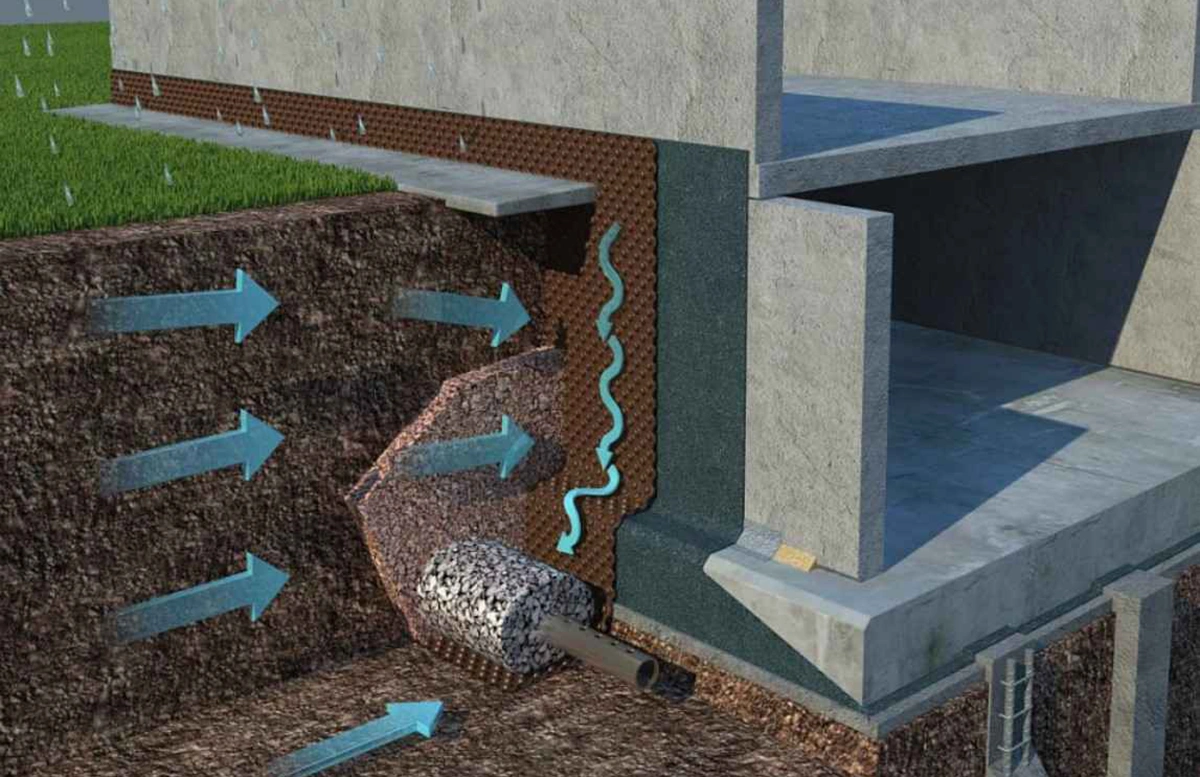
Concrete walls below ground level face constant external pressure from water in the surrounding soil. Even minor leaks can weaken the structure or create damp conditions indoors. Applying waterproofing foundation concrete products is essential for long-term strength. For homeowners dealing with frequent seepage or structural concerns, professional help such as foundation waterproofing may be required.
Concrete Waterproofing Methods Explained
There are several effective approaches to preventing water from penetrating concrete, each designed for different conditions and levels of exposure. Some methods create a protective barrier on the surface, while others penetrate deep into the material to strengthen it internally. Choosing the right method depends on the location, age of the slab or wall, and expected environmental stress. The following techniques outline the most reliable waterproofing options available today.
Penetrating Sealers and Silane/Siloxane Treatments
Penetrating sealers work by absorbing into the concrete and forming a hydrophobic barrier inside the pores. These treatments maintain the original appearance of the material while significantly reducing water absorption. They are ideal for exterior structures exposed to rain and snow. Silane and siloxane formulas are highly effective on dense, cured surfaces and often provide many years of protection.
Waterproof Coatings and Membrane-Based Solutions
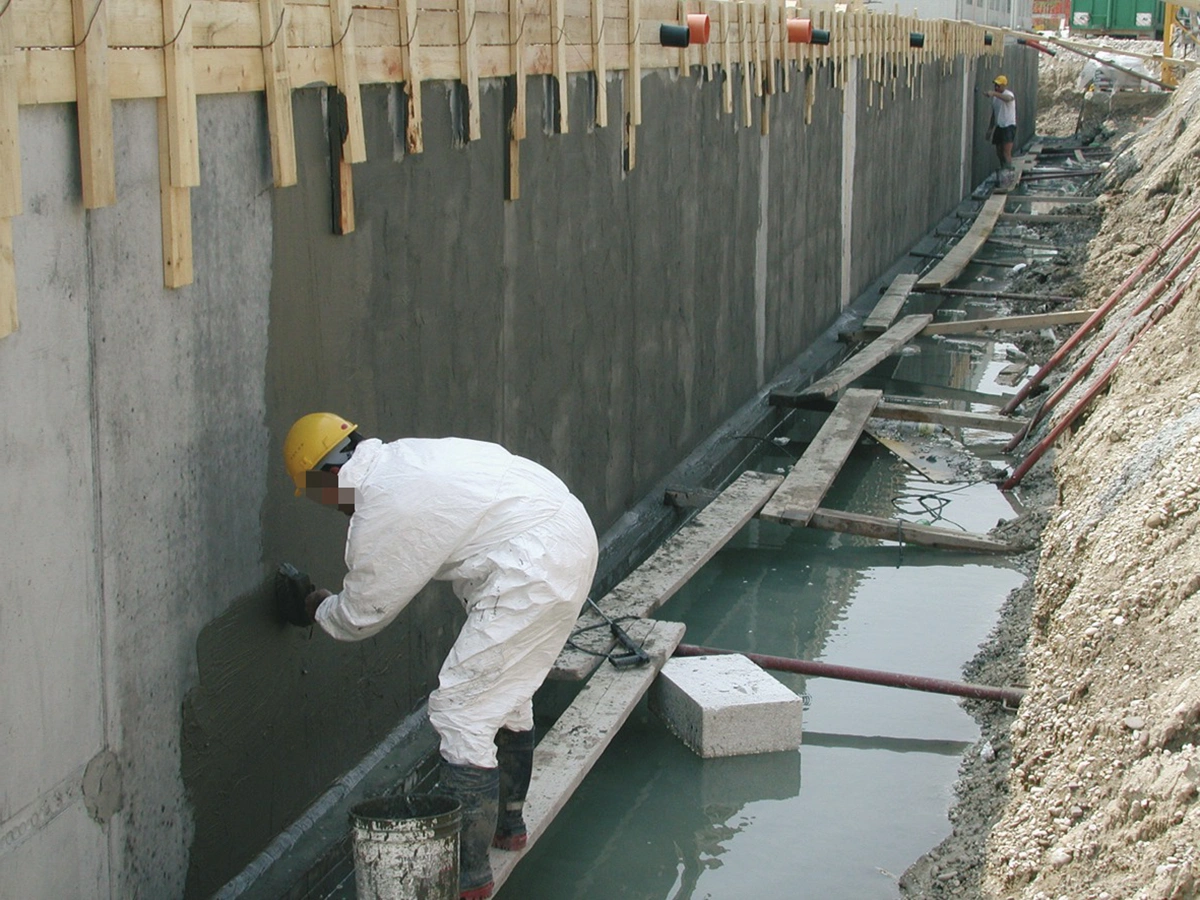
Another category of concrete waterproofing products includes coatings and membrane systems. These materials create a visible layer over the surface that blocks water from entering. Acrylic, polyurethane, and epoxy coatings are commonly used in basements, garages, and utility rooms. Elastomeric membranes offer flexibility and can bridge small cracks, preventing moisture from reaching vulnerable areas.
Crystalline Waterproofing Compounds
Crystalline compounds react with the concrete itself, forming long-lasting crystals that fill tiny voids. Once activated by moisture, they continue to expand and heal microcracks over time. This method is popular for high-pressure environments such as underground walls or water tanks. Because the crystal formation becomes part of the concrete matrix, the treated surface remains breathable while still resisting moisture.
Specialized Products for Waterproofing Foundation Concrete
Below-grade structures often require heavy-duty systems designed to withstand hydrostatic pressure. These include multi-layer membranes, drainage boards, and protective coatings that divert water away from the foundation. If damage has already occurred, structural services such as foundation repair may be necessary before any waterproofing can be applied.
How to Prepare Concrete Before Waterproofing
Successful application always begins with proper preparation. The first step is to clean the concrete thoroughly. Dirt, oils, paint residue, and old coatings prevent sealers from bonding to the surface. A combination of pressure washing and degreasing agents is usually sufficient for most projects. Once clean, the slab or wall must be inspected for cracks, voids, or spalling.
Repairing imperfections is crucial before moving forward. Filling joints and cracks prevents trapped moisture and ensures an even coating. The surface may require grinding if it contains weak or flaky sections that would reduce adhesion. It is also important to check the moisture level of the concrete, as overly damp material can interfere with application. Once preparation is complete, homeowners have a clear path to follow a comprehensive concrete waterproofing guide.
Concrete Waterproofing Methods Explained
Concrete can be sealed in multiple ways, and choosing the best way to waterproof concrete depends on the environment, age of the structure, and expected usage. Some surfaces benefit from deep-penetrating sealers, while others require protective layers capable of resisting abrasion or chemical exposure. Many modern coatings are available in low-odor, water-based formulas suitable for indoor spaces. By understanding concrete waterproofing methods, homeowners can select a solution that provides both performance and longevity.
Common Mistakes When Waterproofing Concrete
The most frequent mistake is skipping surface preparation. Sealers cannot bond to dirty, flaking, or oily surfaces. Another common problem is choosing the wrong material. Each product is designed for a specific use, and applying an interior coating outdoors—or using an exterior membrane inside—leads to rapid failure. Homeowners also underestimate drying times. Rushing the process prevents the sealer from curing properly, reducing its lifespan.
Some people try to apply coatings during extreme temperatures or high humidity, causing uneven absorption or peeling. Ignoring existing cracks is another issue; without proper repair, moisture finds its way back into the slab. Following sealing concrete from water techniques correctly prevents these problems and improves durability.
Long-Term Tips to Protect Concrete from Water Damage
Once waterproofing is complete, periodic maintenance is essential. Sealers naturally wear down over time, especially on surfaces exposed to traffic or sunlight. Reapplying every few years maintains a strong protective barrier. It’s also recommended to keep nearby gutters, downspouts, and drainage systems clean, ensuring that water flows away from concrete areas.
Improving landscaping around the structure can also reduce moisture exposure. Proper grading prevents water from pooling near foundations, while using gravel or drainage channels helps guide runoff safely away. Following consistent concrete water protection tips helps preserve the integrity of the material throughout every season.
When to Call a Waterproofing Specialist for Concrete Issues
Minor projects can be handled independently, but significant moisture problems may require professional assistance. If the concrete shows signs of structural weakening, widespread cracking, or persistent dampness, homeowners should seek expert evaluation. Specialists can identify hidden sources of moisture and recommend more advanced waterproofing concrete surfaces solutions.
Professionals also have access to industrial-grade tools and products unavailable to the general public. They can diagnose soil or foundation issues contributing to the problem and ensure long-lasting results.
Final Thoughts
Concrete remains one of the strongest building materials, but without proper waterproofing, even the highest-quality surfaces eventually deteriorate. With the right materials, thorough preparation, and consistent maintenance, homeowners can protect their property from costly moisture-related problems. Whether you’re creating a DIY plan or seeking guidance from experts, following a reliable concrete waterproofing guide ensures the longevity and resilience of every structure.
 CLOGGED OR BROKEN WEEPING TILE