
- What to Expect from a Professional Installation
- Top 5 factors affecting the price of mounting a check valve for water
- Is it possible to cut the budget if you do all the work yourself
- Buy a check valve yourself or order a turnkey service
What to Expect from a Professional Installation
Since every home’s plumbing layout is unique, the final investment depends heavily on the scope of work required. Instead of focusing on fluctuating material costs, it is crucial to understand the standard of quality that ensures your home is truly protected. A professional installation involves critical steps that DIY solutions or low-cost services often overlook.
- Diagnostic Camera Inspection (CCTV). Before starting any digging, a licensed plumber must insert a camera into your drain. This important step helps accurately identify the main sewer line and detect any blockages or tree roots that could affect the valve’s function.
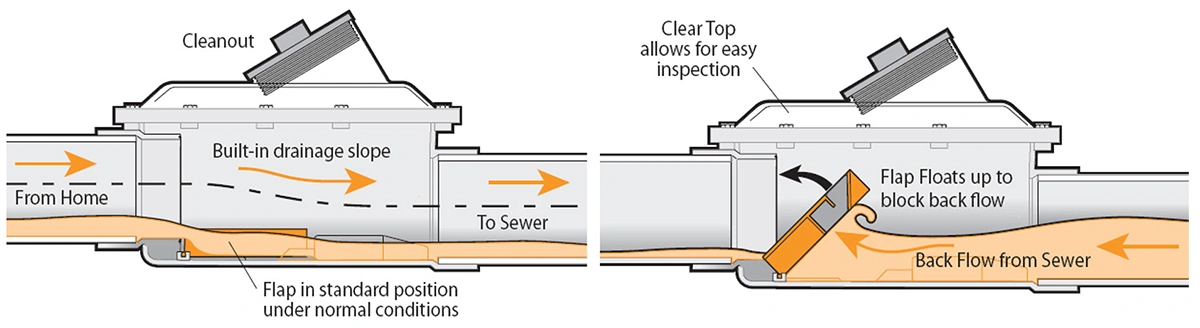
- Correct Positioning & Slope. The valve must be installed downstream of all household connections (such as sinks, toilets, and weeping tiles) but upstream of the city sewer connection. If placed incorrectly, sewage could back up into your home from your own pipes. Furthermore, the valve must maintain the correct slope (minimum 2%) to ensure proper flow and self-cleaning.
- Installation of an Access Box. A backwater valve is not a “bury and forget” device; it needs annual maintenance. A proper professional installation involves adding a clean-out port and an access box flush with your basement floor. This setup allows for easy opening, inspection, and cleaning of the flapper without the need for tools or excavation later.
- Mandatory Municipal Inspection. To qualify for city rebates and ensure insurance compliance, the installation must pass a building code inspection. This occurs before filling the hole with concrete. A professional contractor oversees the permit process and collaborates with the city inspector to obtain official approval for work.
Backwater valve installation cost varies widely depending on the type of valve, labour rates, permits and how accessible your sewer line is. In Toronto and the GTA, homeowners often pay more due to local plumbing codes and rebate programs. This guide explains how much it costs to install a backwater valve, what affects the final price, and whether DIY installation is a realistic alternative to hiring a professional.
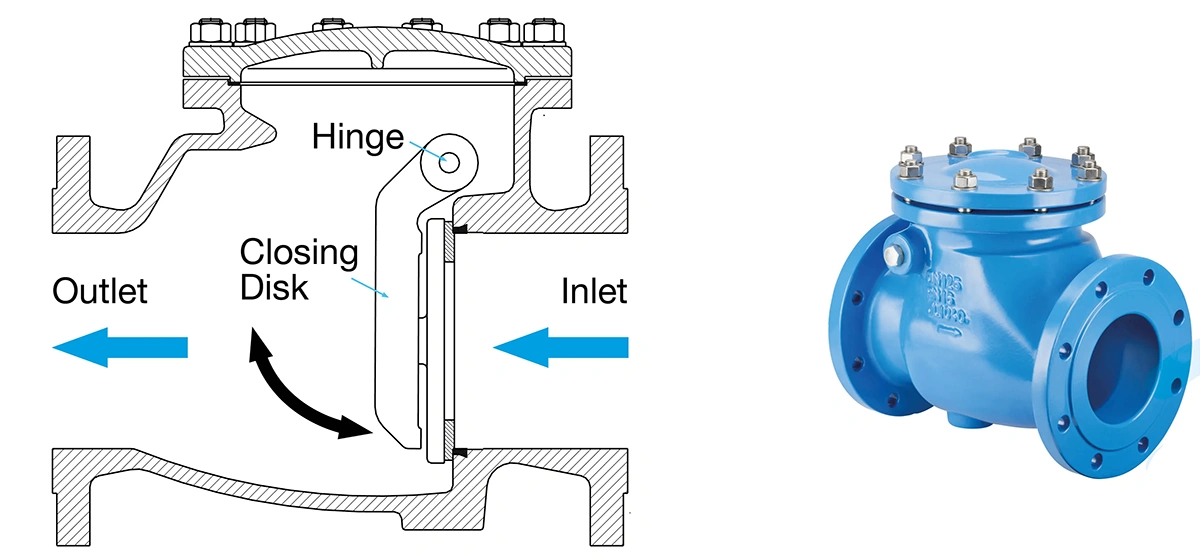
A qualified installation of a check valve on water will help to solve the problem presented – it is this part that prevents water from entering the basement of the house if the sewer line is overflowing due to precipitation or other factors. As soon as hazardous and smelly sewage begins to flow out of the sewer line, the check valve closes automatically so that the sewage does not flow into the basement. This element works so that it temporarily blocks the drain using a special small flap.
It is difficult to overestimate the usefulness of installing a check valve, but the quality of the installation is of great importance in this matter. Many homeowners are interested in the backwater valve cost to install, which depends on several factors. If you want to put this element in your home and preplan the budget or need help deciding what is better: independent installation or professional help – you should read our article.
Top 5 factors affecting the price of mounting a check valve for water
Each specific project has its own individual backwater valve installation cost varies which is influenced by many factors. For a small home, the process presented can cost as little as a few hundred dollars. It will cost more if you want to install multiple check valves in a reasonably large building (residential or commercial). In addition, the final pricing for this service is also affected by subsidies from local authorities. The rates are influenced by another equally important factor – the layout of the building and what kind of check valve should be put.
If you are interested in sewer backwater valve installation costs and want to plan your budget, you should consider several important factors that affect the final pricing. We’ve compiled the five most important ones.
№1: What type of backwater valve to install
The final cost is significantly affected by the size and model of the check valve. System rates range from $130-$999, depending on the specific model. The homeowner can pre-calculate exactly what type of check valve he needs: to do this, it is worth measuring the distance from the house to the main sewer line in the area. Installation of some check valves is cheaper than others.
No. 2: The right size check valve
Check valves come in a relatively wide range of models. The most common size elements installed in homes are 0.5 to 12 inches. For the installation of a half-inch system will have to pay 35-55 dollars, but if you need a one-inch system, it will cost up to 100 dollars. If the system is more extensive, it will cost more to install: a 2-inch system costs $75 to $200, and a 6-inch system costs up to $300. If you need an even larger system, it will cost more. The most extensive system at 12 inches will cost up to $600.
No. 3: What type of work is done: installing or upgrading an old valve
Installing a check valve for water is a necessity or just a very comfortable solution (it all depends on the norms of a particular municipality). In certain situations, they are installed immediately during the construction of the building, or they can be upgraded in an existing home. Installing a check valve during initial construction will cost an average of $150 to $250. If the plumbers are tasked with retrofitting a check valve, this situation will require removing some layer of concrete to open up the main sewer line. In this situation, the installation cost will be much higher – a minimum of $1,500 and a maximum of $2,000. In certain situations, installing a check valve can only be done with the municipality’s support.
No. 4: How problematic is getting to the pipes in the basement or outside the building?
The final cost of the project is significantly affected by the need for earthworks – how deep the foreman will have to dig to get to the pipe. Also, in certain cases, it is necessary to dismantle the floor if the pipe is located below the level of the base of the house. The more complicated the work, the more you will have to pay. You should also consider that in some complex situations, groundwork requires the involvement of special equipment.
No. 5: The level of difficulty of the work being done
The rates of licensed plumbers range from $80 to $400. It all depends on the experience and qualifications of the specialist. Most states do not require a permit. But if a permit to install a check valve is required, it often costs no more than $50. Before installing this element, it is worth checking whether a permit is needed. Regardless of who exactly does the installation: you do everything by yourself, or you went to a qualified contractor, the municipal sewer service requires payment of a permit – it will cost an average of $ 50. However, if the check valve needs to be installed in a sprinkler system or a commercial facility, the fee will be slightly higher.
Is it possible to cut the budget if you do all the work yourself
While DIY may seem cheaper, the backflow valve installation cost can increase dramatically if mistakes lead to sewer line damage or failed inspections.
Experts do not recommend installing a check valve system, even if you are pretty good at various plumbing tasks. If complex work is planned at the site, particularly those that require drilling, it is best to turn to a master. At the same time, it is worth noting that you will have to pay a couple of hundred more for services, but you can not doubt the quality of the work performed. In addition, it is best to seek help from licensed plumbers to protect yourself from any risks and unforeseen situations during the installation, which can cause damage covered by insurance.
If you have all the necessary tools on hand, however, it only takes $35 to install the check valve yourself. It all depends on the layout of your home. In some situations, you will need to pay more. For example, if you have to work in the basement for installation, you will need to buy or rent a particular drill. Also, in some situations, removing particular objects that impede access to the installation site may be necessary.
Maximize Your Savings: The City of Toronto Subsidy Program
Installation of flood protection devices is a significant investment, but the City of Toronto offers a financial safety net to encourage homeowners to protect their properties. Through the Basement Flooding Protection Subsidy Program, eligible homeowners can recover a substantial portion of the installation costs.
How Much Can You Save?
The subsidy is not a flat rate but a percentage of your invoice. For the installation of a backwater valve, the City offers:
- 80% of the invoiced cost (including labor, materials, permit, and taxes).
- Up to a maximum of $1,250 per property.
Note: This subsidy is available for single-family, semi-detached, and row houses. It does not apply to new construction or commercial properties.
Mandatory Requirements to Qualify
The City is strict about approvals. To ensure your application is not rejected, the following criteria must be met:
- Licensed Plumber: The work must be performed by a contractor with a valid City of Toronto business license (such as Leaquida). DIY installations are strictly ineligible for the rebate.
- Building Permit: A building permit must be obtained before installation. The permit’s cost can also be included in the subsidy.
- Passed Inspection: Once the valve is installed, a City inspector must verify that it complies with the Ontario Building Code and has been installed with the correct slope and accessibility.
We Handle the Paperwork
Don’t let bureaucracy stress you out. Leaquida Waterproofing is here to assist with your permit application and provide a comprehensive Subsidy Application package once your project is complete. We’re committed to making it easy for you to claim your refund.
FAQ
The biggest factors include the depth of the sewer line, whether concrete must be removed, the type of valve selected, labour rates, and permit requirements. Homes in older areas or with difficult pipe access usually face higher installation costs.
The sewer backflow preventer installation cost typically ranges from $800 to $2,000, depending on the device type, pipe accessibility, and whether excavation or concrete cutting is needed. Additional fees may apply for permits or licensed plumber labour.
DIY installation may seem cheaper, but mistakes can lead to sewer line damage, failed inspections, or code violations. As a result, the backflow valve installation cost may end up much higher than hiring a professional contractor from the start.
Yes. In Toronto, prices are often higher due to permit rules, plumbing codes, and average GTA labour rates. However, homeowners may qualify for municipal rebate programs, which can reduce the backwater valve cost Toronto significantly.
Installing a backwater valve during initial construction is usually cheaper — often $150 to $250 — because the sewer line is already exposed. Retrofitting the valve in an existing home can cost over $1,500, especially if concrete must be removed.
 CLOGGED OR BROKEN WEEPING TILE