
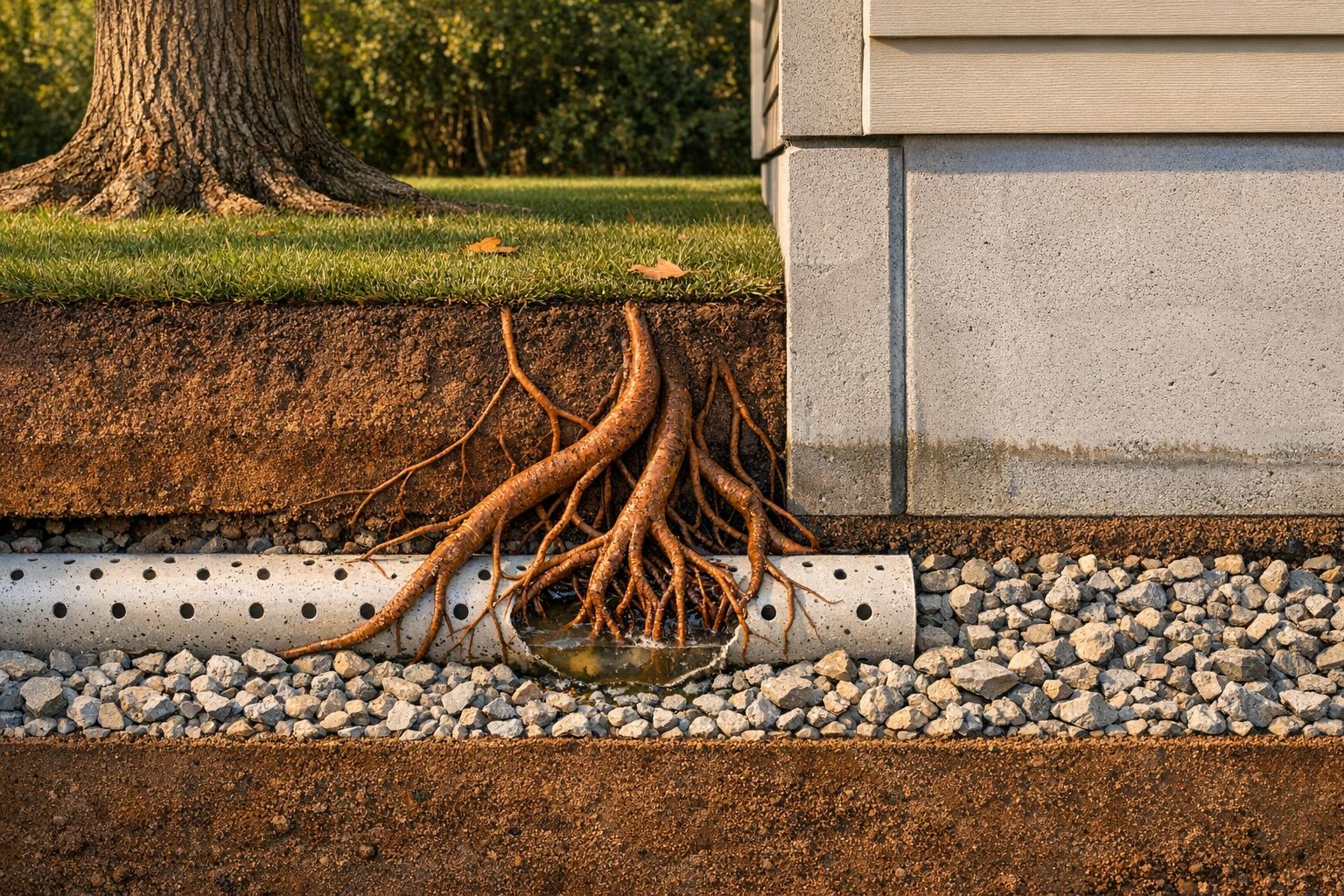
Tree roots can cause severe damage to your home’s foundation drainage system by infiltrating pipes, leading to blockages, leaks, and structural issues. Here’s what you need to know:
- Why It Happens: Tree roots are drawn to the moisture in drainage pipes. Even small cracks release vapour that attracts roots, which then grow inside the pipes and form blockages.
- The Damage: Roots can widen cracks, crush pipes, and disrupt the gravel and filter fabric surrounding the system. This can cause water to pool around your foundation, increasing pressure and leading to basement flooding, foundation cracks, or structural instability.
- Signs to Watch For: Slow drains, gurgling pipes, sewage smells, damp basement walls, and pooling water in your yard may signal root intrusion.
- Repair Costs: Fixing minor root damage can cost a few hundred dollars, while severe cases requiring pipe replacement or foundation repairs can exceed $15,000. Preventative measures like root barriers and regular inspections are far cheaper.
Addressing root issues early can save you thousands in repairs and prevent long-term damage to your home.
How Tree Roots Can Damage Your Foundation | Foundation Damage from Landscaping
sbb-itb-5761e20
How Foundation Drainage Systems Work
A foundation drainage system is your home’s defence against groundwater pooling around the basement or seeping through cracks. By reducing water pressure on the structure, it helps keep your basement dry and your foundation stable. The key idea is simple: it creates an easy route for water to flow away from the foundation.
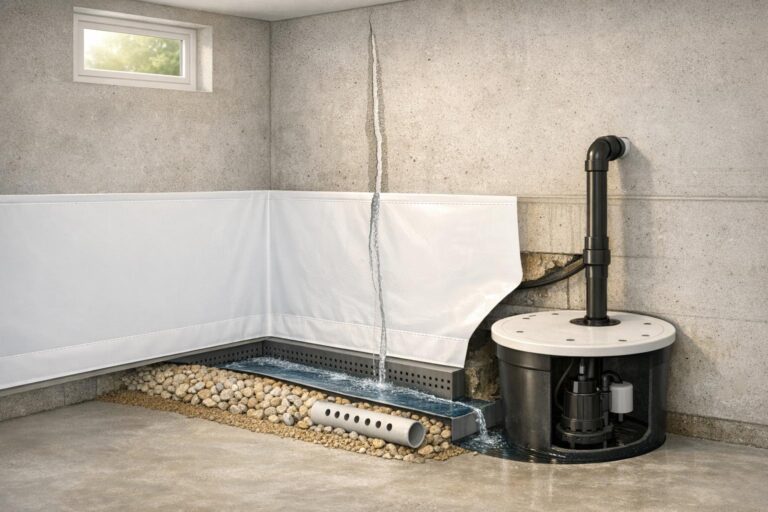
At the heart of the system is a perforated pipe placed at the base of the foundation footing. This pipe is surrounded by a layer of coarse washed stone or gravel, which acts as a filter – keeping soil particles out while allowing water to flow freely into the pipe. Many newer systems also include geotextile filter fabric wrapped around the gravel to stop sediment from clogging the pipe over time.
When groundwater levels rise, water seeps into the perforated pipe through its small openings. The pipe, installed at a slight slope (1/8 inch per foot), directs the water to a discharge point like a municipal storm sewer, dry well, or sump pump. This setup ensures that water is efficiently removed from the area. However, these systems aren’t completely foolproof – tree roots, for example, can infiltrate the pipes and cause blockages.
Older homes in Canada often lack proper foundation drainage, which can lead to persistent moisture problems. In contrast, most modern homes are built with external perimeter drains installed during construction. These external systems are designed to stop water from even reaching the foundation. For homes without such systems, internal and external drainage systems can be added by cutting a trench into the basement floor and directing water to a sump pump. While external systems aim to keep water away, internal systems manage water that has already saturated the soil around the foundation.
The lifespan of a foundation drain typically ranges around 40 years, with footing drains lasting up to 50 years. Over time, problems like tree root intrusion can reduce their effectiveness, making regular maintenance or eventual replacement necessary.
Why Tree Roots Target Drainage Systems
Tree roots don’t actively “search” for drainage pipes. Instead, they grow in random directions, thriving when they encounter moisture, oxygen, and nutrients. The Ontario Ministry of Agriculture, Food and Rural Affairs puts it this way:
“Roots do not actively search the soil for moisture and nutrients but grow more vigorously as they randomly encounter more favourable growing conditions”.
Drainage systems, by their very design, offer moisture, creating an environment that encourages root growth. This natural attraction explains much of the root behaviour described below.
Roots Seek Moisture and Nutrients
Most tree roots are concentrated in the top 45–60 cm of soil. These roots can extend far beyond the tree’s canopy – up to two to three times its width, and in some cases, even seven times the tree’s height. When roots come across moist soil near a drainage system, the soft, damp conditions allow them to grow rapidly.
In regions of Canada with clay-heavy soil, like Ontario, Surrey, and the Fraser Valley, this issue is even more pronounced. Clay soil absorbs water like a sponge, expanding when wet and shrinking during dry summers. This cycle often creates cracks in foundation walls and drainage pipes, which roots later exploit.
Drainage Pipes as a Constant Water Source
Foundation drainage systems provide a consistent water supply, which is highly appealing to tree roots. EPCOR Edmonton explains:
“Warm water in the pipe creates vapour that escapes into the cooler soil. Roots can sense even tiny changes in moisture and nutrients and grow toward these spots”.
Roots are highly sensitive to even slight moisture gradients, which draw them toward pipes. Once a root finds its way into a crack or joint, it gains access to water and nutrient-rich conditions, encouraging dense, fibrous growth. Surprisingly, roots can continue growing inside pipes even during Canadian winters, when the tree appears dormant above ground. This explains why even small imperfections in pipes often become major problem areas.
How Small Cracks Attract Roots
Tree roots don’t cause pipe damage but exploit existing weaknesses. The City of Winnipeg clarifies:
“Tree roots don’t cause breaks in lines, but will take advantage of an existing break which provides a readily available source of water and nutrients”.
Cracks in pipes often occur due to freeze-thaw cycles, shifting soil, or aging infrastructure. Even a tiny crack releasing moisture can attract roots. Once inside, roots expand and harden, worsening the damage and eventually blocking the pipe. Pipes located within 15 metres of trees are particularly vulnerable, especially if they carry water for long periods during the growing season.
Ways Tree Roots Damage Foundation Drainage Systems
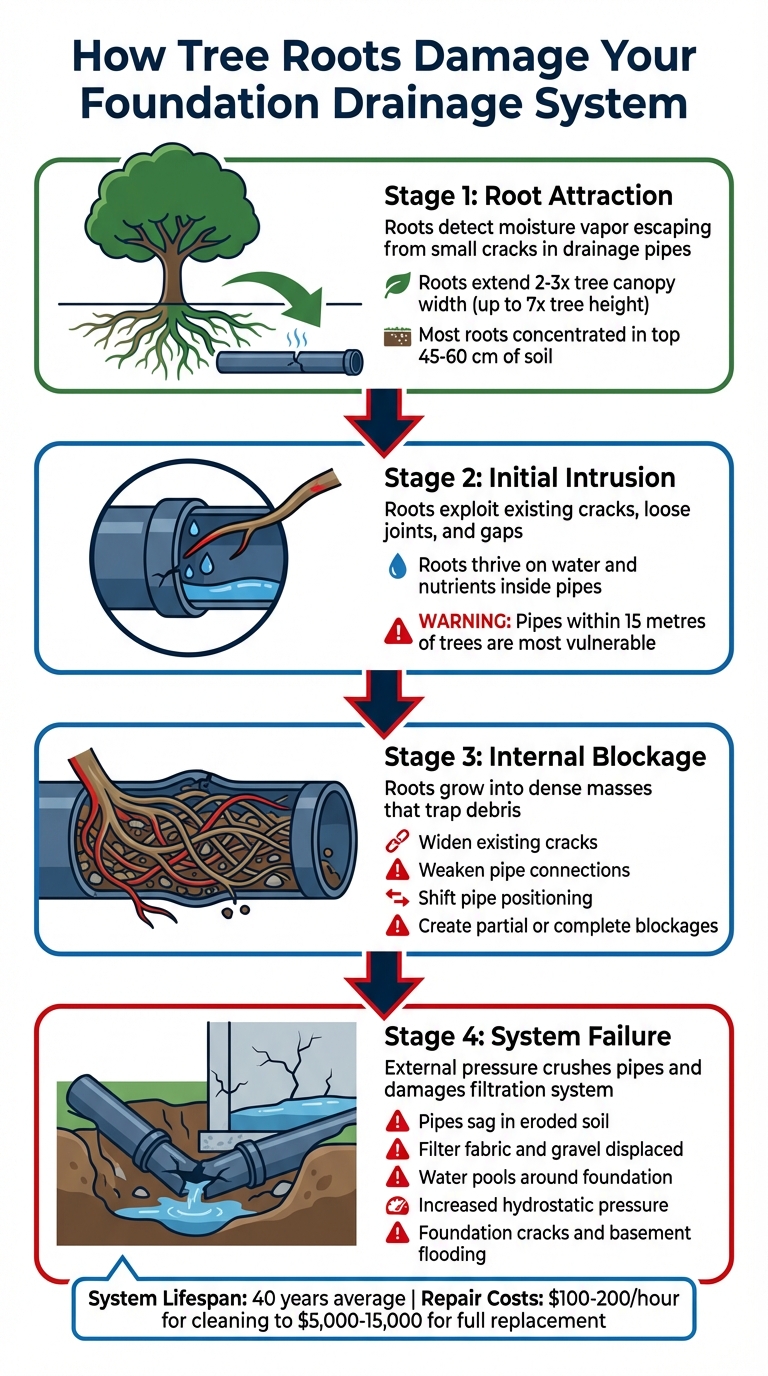
How Tree Roots Damage Foundation Drainage Systems: 4-Stage Process
Tree roots, drawn to moisture from drainage systems, can wreak havoc on your home’s foundation by causing blockages, exerting external pressure, and damaging key filtration components.
Pipe Intrusion and Blockages
Roots often find their way into pipes through tiny cracks, loose joints, or gaps, especially in older clay pipes. Once inside, they thrive on the water and nutrients, quickly growing into dense root masses. What starts as a small intrusion can soon escalate into a major issue.
As these roots grow thicker, they widen existing cracks and can even cause pipes to collapse. Inside the pipe, the root mass forms a tangled web that traps debris, leading to partial or complete blockages. Jack Hope, Owner of Hope Plumbing, Heating & Cooling, explains:
“As roots grow and expand, they can cause cracks in the pipe walls, weaken connections between pipes, and even shift the positioning of the pipes”.
But the damage doesn’t stop inside the pipes – roots also create external pressure that can destabilize the system.
Crushed or Displaced Pipes
Roots near drainage pipes can exert enough pressure to deform or even crush them. As large root systems grow, they often misalign, warp, or displace the pipes altogether. Joints are particularly vulnerable, as roots force sections apart and break the seals between pipe segments. This creates gaps where water leaks into the surrounding soil instead of being diverted away from your foundation.
Water leakage further complicates the situation. When water escapes, it erodes the soil supporting the pipes. Roto-Rooter explains:
“The soil supporting the pipe begins to erode, and the pipe sections start to sag or move around in the watery, loose dirt”.
These sagging sections trap standing water, leading to sediment buildup and further blockages. Pipes made of older materials like clay, concrete, or Orangeburg are especially prone to crushing and displacement compared to modern alternatives.
Damage to Filter Fabric and Gravel Beds
Roots also compromise the surrounding drainage media, such as filter fabrics and gravel beds. They grow into the loose backfill soil of drainage systems and penetrate landscape and filter fabrics to access the moisture concentrated around the pipes. Once inside the gravel envelope, roots form dense masses that trap sediment and soil particles meant to be filtered out.
As roots expand, they physically displace gravel and soil, disrupting the alignment and structural integrity of the drainage system. When filter fabrics and gravel beds fail, the system can no longer effectively remove excess water. This results in increased hydrostatic pressure against your foundation, water seepage into basements, and – in areas with clay soils like Ontario and the Fraser Valley – uneven soil shrinkage, leading to foundation settlement and cracking.
Signs Tree Roots Are Affecting Your Drainage System
Spotting root damage early can prevent expensive foundation repairs. The signs can be subtle, so knowing what to look for is key.
Plumbing problems are often the first clue. If all your drains – whether sinks, toilets, or tubs – are running slowly, rather than just one being clogged, it could point to roots invading the main line. Other red flags include gurgling noises in pipes, unpleasant sewage smells, toilets that partially flush, or frequent backups. These issues suggest a significant root intrusion.
Inside your home, structural changes can back up plumbing concerns. Damp stains on basement walls might signal issues with your perimeter drainage system. You might also notice doors and windows sticking during dry weather but working fine when it’s wet. This happens because tree roots extract moisture from the soil, causing it to shrink. Lindsey Purcell, Urban Forestry Specialist at Purdue University, explains:
“Tree roots typically grow and penetrate where it is easiest to grow such as friable soils and mulch… However, if there is a breach or a crack nearby, they can and will exploit those voids in search of moisture.”
Outdoors, your yard might reveal drainage issues. Look for water pooling, constantly wet areas, soil pulling away from foundation walls, cracked driveways, or visible roots. These are signs that aggressive root systems are interfering with drainage. Another clue is water trickling from your drainage outlets long after the rain has stopped, which could mean a root mass is holding water back upstream.
Foundation problems that worsen during dry summers but improve in wet winters are another indicator. This pattern suggests that tree roots are drawing moisture from the surrounding soil. If you notice multiple signs from the table below, it’s time to call in a professional for a camera inspection to confirm root intrusion before the damage escalates.
| Sign Category | What to Watch For |
|---|---|
| Plumbing | Slow drains in all rooms, gurgling pipes, sewage backups, foul odours |
| Structural | Sticking doors/windows (seasonal), wall cracks, basement moisture, uneven floors |
| Landscape | Pooling water, soil pulling away from foundation, cracked walkways, visible surface roots |
| Seasonal | Problems appearing in dry summer, disappearing in wet winter |
If any of these signs sound familiar, don’t wait – get an inspection to address potential root damage before it gets worse.
Impact on Your Foundation and Basement
When tree roots invade your foundation’s drainage system, they can cause water to pool, building up intense pressure against your home’s structure. This excess water leads to a range of structural and interior problems.
Hydrostatic pressure is a serious threat. During heavy rain or spring snowmelt, water collects around your foundation, creating hydrostatic pressure that pushes water through cracks and gaps. According to CAA-Quebec:
“The normal lifespan of a foundation drain, also known as a French drain or perimeter drain, is about 40 years. Your drain may have deteriorated to the point that it no longer does is job of collecting and discharging water from the soil around your house’s foundation”.
When a drainage system fails, this pressure can worsen existing cracks, form new gaps, or even cause basement walls to bow inward.
Soil composition plays a critical role in these effects. For instance, clay-heavy soils are particularly vulnerable. Trees in these conditions can draw up to 150 gallons (about 570 litres) of water daily, leading to soil shrinkage and uneven settling. This can result in stuck doors or other structural misalignments. On the flip side, roots that damage pipes can cause leaks, saturating the soil. This saturation makes the soil expand and press against the foundation, leading to cracks and instability. As Olshan Foundation Repair explains:
“As the soil expands and contracts with water saturation and drying, it heaves and exerts pressure on the foundation. The result often is cracks in the foundation that can lead to a wet basement or moisture in the crawlspace”.
Foundation movement brings more problems. Warped floors, bowing walls, and windows that no longer open or close properly are common symptoms. Water intrusion also creates persistent moisture in the basement, which can lead to mould growth and damage to wooden structures over time.
The difference between a minor drainage issue and severe foundation damage often comes down to timing. Spotting root intrusion early – before it causes full blockages and long-term water accumulation – can prevent costly structural repairs in the future.
How to Inspect and Diagnose Root Damage
Once you’ve noticed the warning signs of root damage, the next step is a closer inspection. Start with a visual and auditory check. If multiple drains in your home are slow – not just one sink or toilet – it could indicate root intrusion in your main drainage line. Other signs include gurgling sounds from pipes, unpleasant odours from drains, or water trickling from outlets even during the summer when they should be dry. Outside, watch for cracks in the foundation near large trees, doors that stick during dry weather but work smoothly when it’s wet, or persistently damp spots in your yard.
A professional camera inspection can give you a clear picture. Plumbers use a high-resolution, waterproof camera attached to a flexible rod with LED lights to inspect your pipes. The live video feed reveals where roots have entered, how severe the blockage is, and whether it’s minor root hairs at pipe joints or a large root ball crushing the pipe. As an expert from Pro Sewer Repair explains:
“A sewer scope inspection can determine the extent of root intrusion and guide the best repair method”.
This precise method allows you to target and repair only the damaged areas, avoiding unnecessary replacements. It’s a practical way to assess the problem and plan your next steps.
Timing is crucial when seeking professional help. Early detection can save you from more severe issues. If you have large trees within 6 metres of your foundation, it’s wise to schedule an inspection. Systems older than 40 years also warrant a closer look.
For a budget-friendly initial check, some homeowners dig 30–60 cm near the foundation to check if roots are heading toward the structure. Alternatively, you can hire a professional to use an Air Knife, a pneumatic tool that safely exposes roots, for about $500. Lindsey Purcell, an Urban Forestry Specialist at Purdue University, explains:
“Tree roots are very opportunistic and will only grow and penetrate where it is easiest to grow… if there is a breach or a crack nearby, they can and will exploit those voids in search of moisture”.
These steps can help you diagnose the issue effectively and decide on the best course of action.
How to Fix Drainage Damage Caused by Tree Roots
Once you’ve identified root damage through an inspection, the repair method will depend on how severe the intrusion is. For minor to moderate cases, professionals often start with mechanical root removal. This involves using cabled machines fitted with cutting heads designed to slice through root masses. To ensure effective cleaning and avoid damaging the pipe, it’s crucial to use a sharp cutting head that matches the pipe’s diameter.
If mechanical removal isn’t enough, other techniques come into play. Hydro jetting uses high-pressure water – up to 4,000 PSI – to blast away roots and clear out debris like grease or sediment. After this, chemical treatments are applied to kill any remaining roots. However, chemical treatments should always follow mechanical removal, not replace it. Relying solely on chemicals leaves dead roots in the pipe, which can cause blockages as they decompose. Foaming root killers containing dichlobenil or copper sulfate are common options – they kill roots on contact but leave them in place until they break down naturally. This two-step approach highlights the importance of regular maintenance.
For severely damaged or collapsed pipes, repairs may require partial or full pipe replacement. If the damage is localized, a new pipe section can be spliced in. However, for older systems, complete excavation and replacement might be the smarter, long-term solution. Upgrading from older clay or concrete pipes to PVC is often recommended, as PVC pipes have fewer joints and are much more resistant to root intrusion.
Another effective repair method is trenchless pipe relining, particularly the Cured-in-Place Pipe (CIPP) technique. This involves inserting a resin-coated liner into the damaged pipe, which then cures to form a seamless, root-resistant barrier. Although this option may have a higher initial cost compared to basic cleaning, it offers a long-term, excavation-free solution.
To prevent future root problems, consider making upgrades during repairs. For long-term protection, install continuous non-perforated pipes extending at least 15 metres on either side of any tree. You can also add physical root barriers made from materials like HDPE, plastic, or metal to redirect root growth away from your foundation. These measures significantly reduce the chances of root reinvasion.
For added peace of mind, regular inspections are a smart preventative step. If mature trees are within 10 metres of your foundation, scheduling bi-annual camera inspections (at an average cost of CAD $300–$400) can help spot new root intrusions early, before they lead to costly pipe collapses. Companies like Leaquida Waterproofing offer drainage system upgrades using root-resistant materials and improved designs to keep your system protected for the long haul.
Preventing Tree Root Damage in the Future
Blocking roots before they reach your pipes can save you from expensive repairs down the line. Root barriers are a practical solution, designed to redirect roots away from areas like foundations and drainage systems. These barriers, often made from high-density polyethylene (HDPE) plastic or geotextile fabrics treated with herbicides, are installed by digging a trench between the tree and the vulnerable area. The trench should be 7.5–10 cm wide and 90–150 cm deep, with the top extending 2.5–5 cm above ground level to stop roots from growing over it. While professional installation costs around $65.00 per foot, with minimum projects starting at $1,000, it’s a fraction of the average $7,500 needed for foundation repairs.
“A high-density polyethylene (HDPE) root barrier acts as a waterproof seal to prevent the loss of moisture in soil while protecting foundations, utility piping, hardscapes and pavements from damage.” – Americover
Choosing the right trees is another key step. Avoid species with aggressive, water-seeking roots, like willows, poplars, and silver maples, especially near your foundation. For example, oaks make up just 2.1% of urban trees in some areas but are linked to over 11% of building damage. Instead, consider slower-growing ornamental trees like Cypress (Cupressus), Mountain Ash (Sorbus), or Cherry (Prunus), which have smaller root systems and lower water needs. When planting, follow these spacing guidelines: large trees should be at least 6 to 9 metres from your foundation, medium trees 4.5 to 6 metres away, and small ornamentals 3 to 4.5 metres away.
Ongoing maintenance is just as vital as prevention. Schedule professional camera inspections every two years to detect root intrusions early, before they become a major issue. Keep soil moisture consistent by deep-watering during dry periods, which discourages roots from seeking water in your pipes. Address even minor leaks immediately, as escaping water attracts roots. Companies like Leaquida Waterproofing can help with drainage system upgrades and regular maintenance, ensuring your foundation stays protected year-round. These preventive steps not only safeguard your property but also help you avoid costly repairs in the future.
Cost of Repairing Drainage Damage from Tree Roots
Repairing drainage damage caused by tree roots can be expensive, with costs ranging from a few hundred dollars to over $15,000 for a complete system replacement. Hiring professionals for root removal and pipe cleaning typically costs between $100 and $200 per hour. However, unless damaged pipes are fully repaired or replaced, roots are likely to return. Replacing pipes through excavation can cost $5,000 to $15,000, depending on the extent of the digging and any necessary restoration of your yard or driveway.
If tree roots have compromised your foundation drainage system, you might need to consider waterproofing solutions. Interior French drain systems generally cost between $4,000 and $7,000, while exterior systems range from $6,000 to $12,000. Adding a sump pump can increase the total by $1,200 to $3,000, and fixing foundation cracks might cost anywhere from $500 for minor repairs to $10,000 for major structural issues. These figures depend on the severity of the damage and often highlight the need for more thorough inspections.
Local regulations and rebate programs can help reduce these costs. For example, Toronto homeowners can call 311 to request a city crew to inspect the line. If the blockage is caused by roots from a city-owned tree, you may qualify for the Toronto Tree Root Drain Grant Rebate Program, which offers up to $2,000 per property for repairs. Additionally, low-income households with combined incomes under $35,000 may be eligible for rebates covering 25% to 100% of the remaining repair costs. Keep in mind that qualifying work must be performed by a plumber licensed by the City of Toronto.
Don’t forget to account for hidden expenses. These can include structural engineer assessments, permits for tree removal (required for trees with a diameter of 30 cm or more), and ongoing maintenance. For instance, one case in the Greater Toronto Area reported $10,000 in plumbing repairs due to neglected tree root issues. Another homeowner faced $12,000 in costs for an arborist-led preservation plan, deep root barriers, and slab edge underpinning to address oak root damage.
It’s also a good idea to review your insurance policy. Look for coverage options like “Enhanced Water Damage” or “Sewer Back-up” riders. Some Toronto policies include exterior service line repair coverage up to $10,000, usually with a $1,000 deductible. However, standard homeowners insurance typically excludes root damage, classifying it as preventable maintenance. Investing in preventative measures, such as root barriers (starting at around $1,000) and regular camera inspections, can save you thousands by avoiding emergency repairs in the first place.
Conclusion
Tree roots can transform a minor crack into a major structural headache. Once they infiltrate your pipes, they thrive on the constant moisture, leading to blocked drains, crushed pipes, and even water seepage into your foundation.
These issues can quickly escalate, bringing hefty repair bills.
“The cost of inaction far outweighs the investment in early detection and professional repair.” – Hydromax Plumbing
Taking action early can save you thousands. Scheduling professional camera inspections every one to two years can catch root intrusions before they lead to burst pipes or foundation problems. Ignoring these issues allows roots to extract moisture from the soil, causing clay to shrink and your foundation to shift. What might start as a $300 to $1,000 repair could spiral into a $3,000 to $10,000 system overhaul if left unchecked.
For long-term solutions, professional waterproofing services are far more effective than DIY fixes. Techniques like trenchless pipe lining create seamless, root-resistant barriers without the need for extensive digging. Physical root barriers can also redirect growth away from your drainage systems[25, 61]. If your foundation is already impacted by soil shrinkage or root pressure, structural stabilization methods like underpinning can provide lasting support below the root zone.
To protect your property, Leaquida Waterproofing offers expert drainage system repairs and foundation solutions across Toronto and nearby areas. From exterior membrane waterproofing to interior French drains and crack repairs, our services address both immediate damage and moisture issues that attract roots. Reach out to Leaquida Waterproofing today to stop small problems from becoming costly disasters.

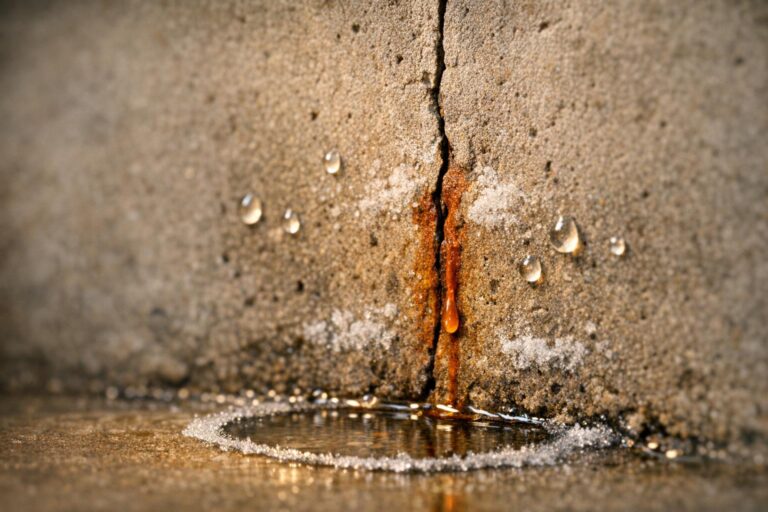
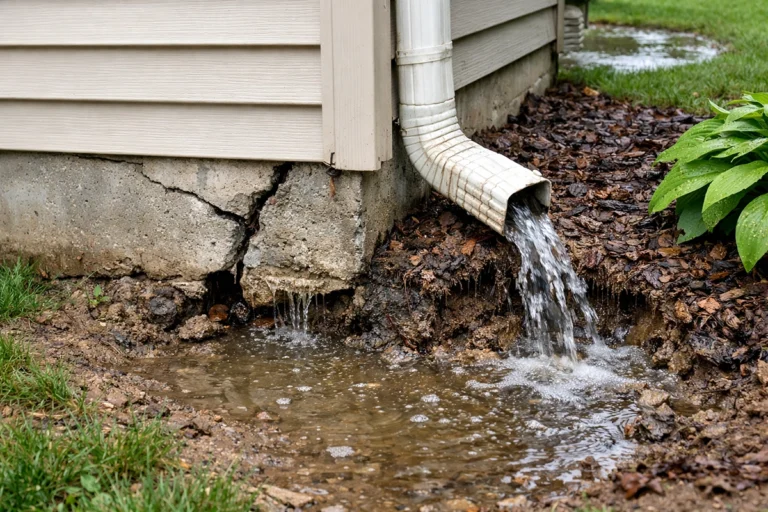
 CLOGGED OR BROKEN WEEPING TILE