
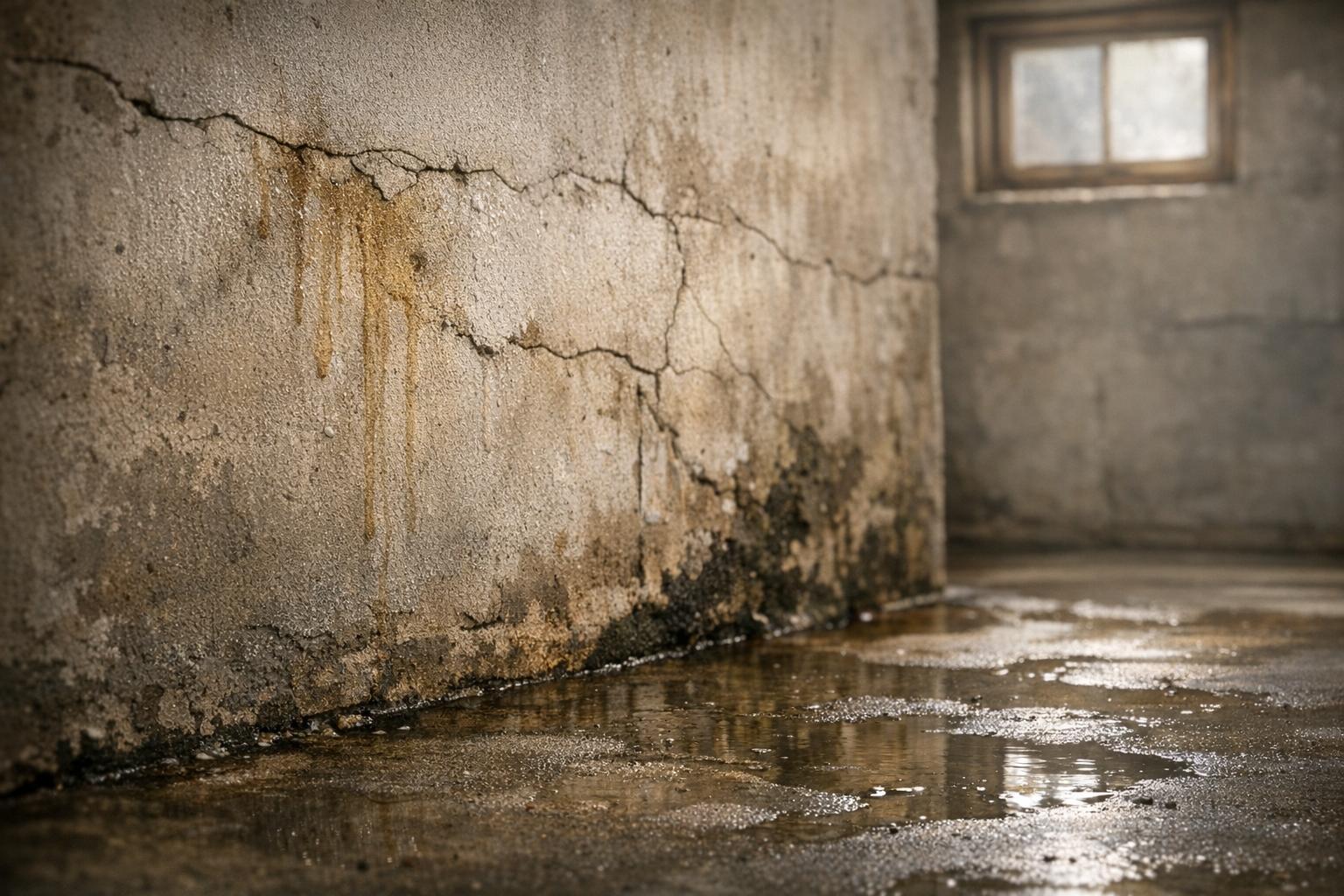
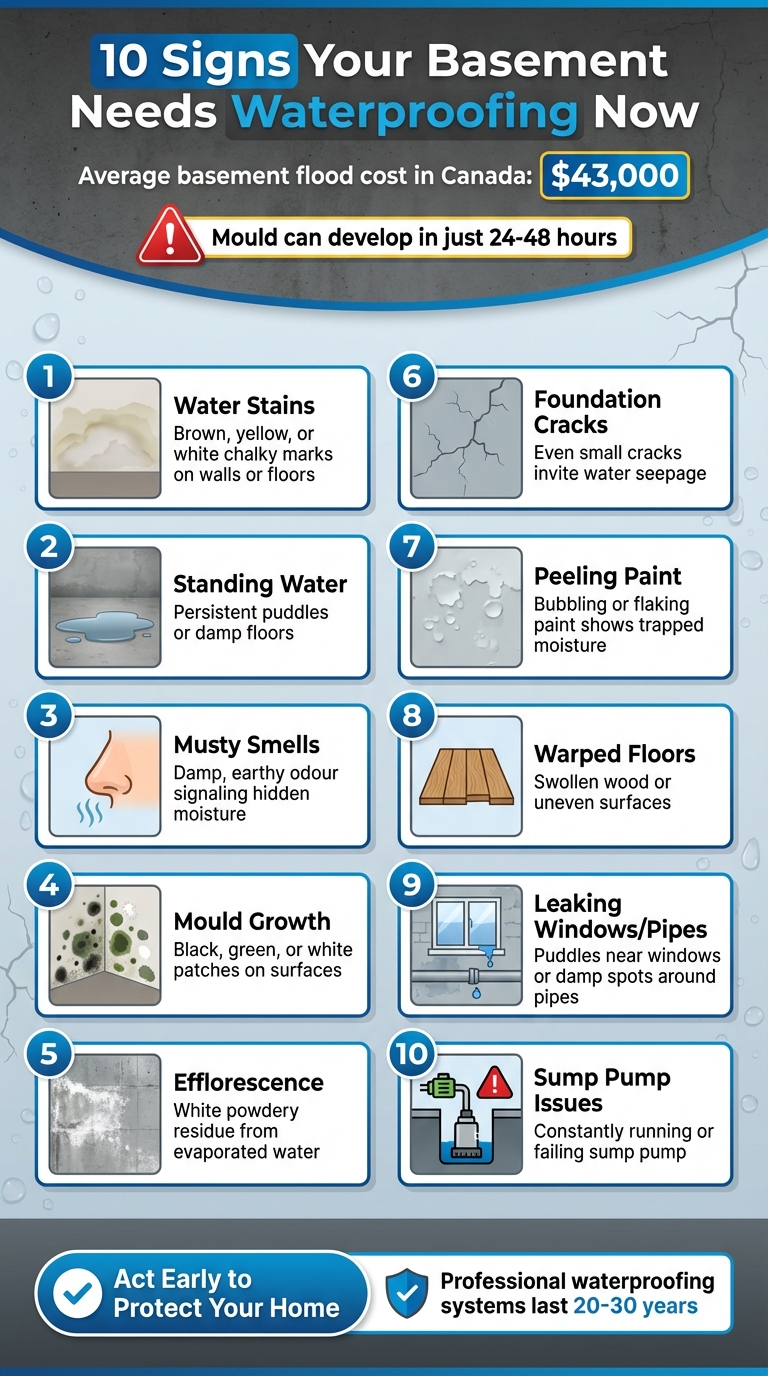
A leaky basement can cost you thousands. The average basement flood in Canada costs $43,000, and issues like mould can develop in just 24-48 hours. Spotting early warning signs can save you money, protect your home’s structure, and avoid health risks. Here’s what to watch for:
- Water stains: Brown, yellow, or white chalky marks on walls or floors.
- Standing water: Persistent puddles or damp floors.
- Musty smells: A damp, earthy odour often signals hidden moisture.
- Mould growth: Black, green, or white patches on walls or ceilings.
- Efflorescence: White powdery residue on walls from evaporated water.
- Foundation cracks: Even small cracks invite water seepage.
- Peeling paint: Bubbling or flaking paint shows trapped moisture.
- Warped floors: Swollen wood or uneven surfaces.
- Leaking windows or pipes: Puddles near windows or damp spots around pipes.
- Sump pump issues: A constantly running or failing sump pump.
Ignoring these signs can lead to structural damage, health problems, and skyrocketing repair costs. Acting early with waterproofing solutions like crack sealing, drainage upgrades, or sump pump installation can protect your home and save you from expensive repairs.
10 Warning Signs Your Basement Needs Waterproofing
1. Water Stains on Walls or Floor
Signs of Water Seepage or Moisture
Water stains often show up as brown, yellow, or grey marks on your basement walls, floors, or ceilings. These stains are one of the earliest signs that moisture is making its way through your foundation. Pay close attention to the area where the floor meets the wall, as it’s a common trouble spot.
You might also spot white, chalky deposits on concrete or brick surfaces. This is called efflorescence, which occurs when water evaporates and leaves behind salt deposits. ProWaterproofers explains it well:
“Efflorescence, or chalky white stains… result from salt deposits left behind by evaporated water. While this type of water stain isn’t harmful on its own, it is a strong indication of a leaky basement.”
To check for hidden moisture, do a simple touch test. Run your hand over the walls and floors – if they feel cold, damp, or clammy, moisture is likely present, even if there are no visible stains yet. Be sure to inspect areas around your furnace and water heater, as these spots often show early signs of water buildup. Beyond just the surface, water seepage can weaken the materials in your basement over time.
Damage to Structure and Finishes
Water stains are more than just an eyesore. Trapped moisture can cause paint to blister, bubble, or peel, and it may lead to crumbling drywall. Porous materials like concrete can absorb water, which weakens the structure and can create cracks or damage to masonry.
American Waterproofing highlights the risks:
“Over time, water weakens concrete and masonry. It erodes the foundation, washes away soil underneath the home, and increases pressure on walls. Left unchecked, this can lead to bowing walls or even collapse.”
If left unaddressed, what starts as a minor stain can lead to serious structural issues, potentially compromising the safety of your home.
Escalating Risks of Ignoring the Problem
Small water stains can quickly escalate into larger problems, especially during spring rains or snowmelt. Persistent moisture creates the perfect environment for mould to grow, which not only damages your property further but also poses health risks. Additionally, visible water stains can negatively impact your home’s resale value.
If you notice white powder reappearing soon after cleaning, it’s a sign of active water seepage that needs immediate attention. Problems like these tend to worsen during heavy rainfall or thawing periods. To prevent further damage, ensure your downspouts direct water several feet away from your foundation, and maintain proper yard grading to slope water away from your home.
2. Standing Water or Damp Floors
Signs of Water Seepage or Moisture
Standing water or damp floors are clear indicators that water is making its way into your basement. Unlike occasional condensation, standing water often points to hydrostatic pressure – this happens when groundwater saturates the soil around your foundation and forces its way through tiny cracks in your concrete walls or floor. You might even notice carpet wicking, where moisture rises from below.
Start by inspecting your gutters and downspouts. If they’re clogged or too short, water can pool near your foundation instead of being directed away. Another common issue is improper yard grading – if your yard slopes toward your home, gravity naturally pushes surface water toward your basement. During heavy rain or snowmelt, groundwater levels may rise and create what’s known as a “false water table.” These factors don’t just cause puddles; they can lead to serious structural issues over time.
Impact on Structural Stability and Interior Finishes
Moisture doesn’t just stop at creating unsightly puddles – it can wreak havoc on your foundation. Hydrostatic pressure can crack, bow, or even collapse foundation walls. On top of that, wooden beams and studs exposed to moisture can become weak and spongy due to wood rot.
Your home’s interior isn’t safe from damage either. Wooden floorboards can warp, ripple, or swell when exposed to dampness. Paint may start peeling, wall coatings can bubble, and wallpaper may deteriorate. Metal fixtures and appliance bases are also at risk of rust and corrosion. Carpets can become waterlogged and ruined, while floor tiles may lift or discolour over time.
Health Concerns Linked to Dampness
A damp basement isn’t just bad for your home – it can also impact your health. Mould and mildew thrive in these conditions and can begin growing in as little as 24 hours. ProWaterUser2020 from Pro Waterproofers highlights the urgency:
“Mould can grow in just 24 hours and spread at an alarming rate.”
Mould spores can trigger allergies, leading to symptoms like nasal congestion, watery eyes, sneezing, coughing, and throat irritation. For individuals with asthma or other respiratory sensitivities, these effects can be even more severe. Damp environments also attract pests and wood-decaying fungi, while standing water near furnaces, water heaters, or electrical systems poses serious safety risks, including electrical hazards and reduced efficiency of mechanical equipment.
Long-Term Risks if Left Unaddressed
What starts as small puddles can escalate into full-blown flooding if ignored. Jason Genah from Drain King Plumbers warns:
“Flooding is usually the last sign of a severely damaged basement, and recovering from this situation will be very difficult and expensive.”
To avoid worsening damage, it’s crucial to act quickly. Remove standing water immediately using mops, towels, or buckets. A hygrometer can help you monitor your basement’s humidity – if levels exceed 50%, it’s a sign that better ventilation or waterproofing is needed. If water keeps reappearing, consult a professional to assess your foundation and drainage systems. Tackling the issue early can save you significant time, money, and stress compared to dealing with a full-scale flood.
3. Musty Smells and High Humidity
Evidence of Water Seepage or Moisture
A damp, earthy smell in your basement often points to hidden moisture. Emily Osborne from Carolina Basement Systems explains:
“A musty smell is a clear sign that you have moisture problems in your basement. The odour is typically caused by the growth of mould, which thrives in humid environments.”
To investigate, check your windows and walls for condensation – this could mean water is sneaking in through foundation cracks, porous concrete, or poorly sealed windows. High humidity might also stem from a sump pump that isn’t effectively redirecting water away from your home. Using a hygrometer can help you stay on top of humidity levels. Health Canada suggests keeping basement humidity between 30% and 50%. If you notice levels consistently above this range, it’s time to consider better ventilation or waterproofing measures to prevent mould growth. Ignoring these signs could lead to more than just moisture; it might also bring structural and health risks.
Impact on Structural Integrity or Finishes
Excess humidity can wreak havoc on your home’s materials. Wood may begin to rot, floor joists could weaken, doors might swell, paint could blister, and metal fixtures may start to rust. Left unchecked, these issues can compromise both the aesthetics and safety of your home.
Potential for Health-Related Concerns
Excess moisture doesn’t just harm your home – it can also impact your health. Mould can develop in as little as 48 hours in damp conditions, potentially affecting air quality. Health Canada emphasizes the urgency of addressing moisture:
“Immediate action is important. Mould will begin to grow in an area with excessive moisture within 48 hours.”
For vulnerable individuals, exposure to mould can lead to respiratory problems, making it crucial to tackle moisture issues promptly.
Risk of Worsening Damage if Unaddressed
Ignoring musty smells and high humidity can snowball into bigger problems. Beyond repair costs, unchecked moisture can weaken your foundation, drive up energy bills, and slash your home’s resale value. Damp environments also attract pests that thrive in moisture, adding another layer of concern. Addressing these issues early can save you from long-term headaches.
4. Mould or Mildew Growth
Evidence of Water Seepage or Moisture
If you’ve already spotted signs of moisture, visible mould is a clear indicator that water issues are sticking around. Keep an eye out for black, green, or white patches on surfaces like walls, ceilings, floors, and windowsills. These patches often lurk in hidden spots such as dark corners, near baseboards, under carpets, or behind stored items and drywall.
PRO Waterproofers highlights the seriousness of this issue:
“If you notice mould spores, water stains, or drywall discolouration along your basement walls… this is a sure sign you have a basement water leak.”
Mould thrives in humid conditions, especially when basement humidity levels hit 70% or higher, though it can even develop at lower levels under the right circumstances. Using a hygrometer can help you monitor humidity – aim to keep it between 30% and 50% to prevent mould growth. Watch for other signs like discoloured drywall, water stains, or wood that feels soft or splinters easily, as these often point to active leaks.
Potential for Health-Related Concerns
Mould isn’t just an eyesore – it can pose serious health risks. Airborne spores can trigger symptoms like wheezing, sneezing, coughing, and eye irritation, with asthma and allergies making these effects even worse. PuroClean puts it plainly:
“Mold is more than just a cosmetic issue – it’s a health hazard, a property risk, and a problem that worsens over time.”
Certain types, like Stachybotrys chartarum (commonly known as black mould), are especially dangerous as they release mycotoxins that may cause neurological symptoms after long-term exposure. Damp environments also attract pests like termites and rodents and create the perfect conditions for bacteria and viruses, which can lead to skin or gastrointestinal issues.
Impact on Structural Integrity or Finishes
Mould doesn’t just sit on the surface – it actively eats away at organic materials, causing wood to rot, floors to warp, and drywall to crumble. It can even damage insulation. Other signs include peeling paint, bubbling wall finishes, and rusted metal fixtures. If left unchecked, these problems can weaken your home’s foundation and significantly reduce its resale value.
Risk of Worsening Damage if Unaddressed
Like other signs of water seepage, mould can quickly escalate if ignored. In fact, it can start forming in as little as 24 to 48 hours in damp conditions. Jason Genah from Drain King Plumbers underscores this point:
“If you only get rid of the mould without solving the dampness issue… the infestation will keep reoccurring.”
Simply removing mould without addressing the moisture problem guarantees its return. Delaying action can lead to higher repair costs, more severe structural damage, and ongoing health concerns for your household.
5. White Powder on Walls (Efflorescence)
Signs of Moisture or Water Intrusion
If you spot a white, chalky residue on your basement walls, you’re likely looking at efflorescence – a telltale sign of water seepage. This powdery substance forms when water moves through porous materials like concrete, dissolving salts along the way. Once the water evaporates, the salts are left behind on the surface.
Experts highlight that efflorescence is a clear indicator of water moving through your walls. Pay close attention to the cove joint, the spot where the basement wall meets the floor, as this area is especially prone to moisture infiltration.
Effects on Structure and Finishes
Although the powdery deposits themselves aren’t harmful, they point to a bigger issue: moisture seeping through your foundation. This water movement generates hydrostatic pressures of 2,000–3,000 psi, which can surpass the strength of concrete. Over time, this pressure can lead to spalling, where the surface of the wall begins to flake and weaken. Moisture trapped behind wall finishes can also cause paint to bubble, peel, or flake, further damaging your basement’s appearance.
The Risks of Ignoring the Problem
Ignoring efflorescence means ignoring active water intrusion. The International Association of Certified Home Inspectors cautions:
“When efflorescence happens, it can indicate a moisture issue that could potentially damage the structure.”
If left unaddressed, the problem can escalate. Rising hydrostatic pressure may lead to bowed walls, significant leaks, or even full-blown basement flooding. On top of that, the damp conditions that encourage efflorescence are also ideal for mould growth, which can start in as little as 24 hours.
6. Cracks in Foundation Walls
Evidence of Water Seepage or Moisture
Cracks in your foundation aren’t just an eyesore – they’re a direct invitation for water to seep into your basement. Even the tiniest hairline cracks can allow groundwater to sneak in, especially during heavy rains or when snow starts to melt. Look out for telltale signs like white, chalky residue on the cracks, or discoloured patches in shades of brown, yellow, or grey, which often indicate repeated water exposure. After a storm, if your basement walls feel damp, cold, or clammy, that’s a clear sign that moisture is infiltrating the concrete. Pay close attention to horizontal cracks that run parallel to the floor – these often mean that water-saturated soil is exerting pressure against your foundation, a serious issue that can compromise the stability of your home.
Impact on Structural Integrity or Finishes
What starts as a minor crack can quickly escalate into a major structural concern. Waterlogged soil exerts lateral pressure on your foundation walls, causing them to crack further, shift, or even bow inward. While concrete is durable, its porous nature allows water to travel through cracks, gradually weakening the structure over time. As PRO Waterproofers emphasizes:
“Basement leaks should not be taken lightly. Not only can they cause extensive damage around your property, but they can also compromise your home’s structural integrity.”
Moisture doesn’t just impact the concrete – it wreaks havoc on other materials too. Wood can rot, metal can rust, and paint or finishes may bubble and peel. Plus, the freeze-thaw cycles of clay soil can expand and contract, worsening the damage with every season.
Potential for Health-Related Concerns (e.g., Mould)
Foundation cracks do more than threaten your home’s structure – they can also impact your family’s health. Moisture from these cracks raises humidity levels above 50%, creating the perfect environment for mould to grow within just 24 hours. These damp conditions can also harbour harmful bacteria. If anyone in your home starts experiencing stuffy noses, itchy eyes, coughing, or throat irritation, mould might already be an issue. Aquatech Waterproofing highlights this risk:
“Mold not only damages walls and insulation but can also lead to respiratory issues for your family.”
Risk of Worsening Damage if Unaddressed
Leaving foundation cracks untreated is a gamble you don’t want to take. Over time, small cracks can expand, leading to severe structural instability or even a complete foundation collapse. Groundworks Canada warns:
“If ignored, water damage can lead to significant structural failure.”
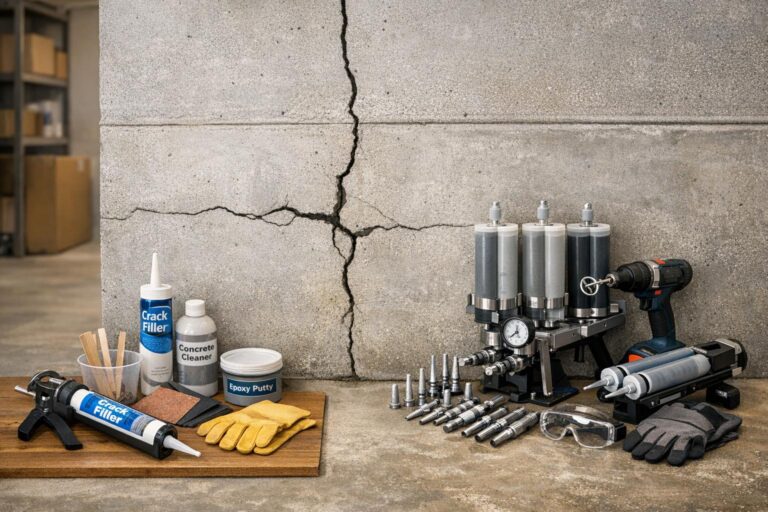
To prevent these costly outcomes, seal small hairline cracks with hydraulic cement as soon as possible, and keep an eye on them for any changes. For horizontal cracks or signs of bowing, bring in a structural expert immediately. Solutions like carbon fibre reinforcements, steel I-beams, or wall anchors may be necessary to stabilize your foundation and safeguard your home.
sbb-itb-5761e20
Basement Waterproofing Warning Signs
7. Peeling Paint or Damaged Wall Finishes
Peeling paint isn’t just an aesthetic problem – it often points to hidden moisture issues that can weaken your home’s structure and affect the air you breathe.
Evidence of Water Seepage or Moisture
When paint starts flaking or bubbling on basement walls, it’s a clear sign of trapped moisture. As Aquatech Waterproofing explains:
“When paint starts bubbling, peeling, or flaking off basement walls, it’s usually because of trapped moisture behind the surface. This means your walls aren’t properly sealed against water penetration.”
These issues commonly appear near the floor or around window wells, areas where moisture tends to collect first. You might also notice darkened paint or yellowish-brown stains on drywall – both signs that water is seeping through and saturating the material. Efflorescence, a chalky white deposit, is another telltale sign of water intrusion.
Impact on Structural Integrity or Finishes
Moisture doesn’t just ruin paint – it damages the materials beneath it. Water trapped behind the paint film weakens the bond between the coating and the wall. Over time, this leads to soft spots in drywall, warped or bowed walls, and compromised building materials. For basements with wooden finishes, studs, or beams, excess humidity can cause swelling, warping, and rot, which could even threaten your home’s foundation. Omni Basement Systems emphasizes:
“Paint will not stick to damp surfaces. It will discolour, and water vapour will peel the paint right off the wall or poke holes in it.”
Potential for Health-Related Concerns (e.g., Mould)
Damaged wall finishes also create the perfect environment for mould to thrive. Mould can spread quickly, often hiding behind drywall or under flooring before you even notice it. According to a survey by Health and Welfare Canada, 38% of Canadian homes showed signs of excessive dampness or mould. If anyone in your home is dealing with symptoms like a stuffy nose, itchy eyes, wheezing, or throat irritation, mould could be affecting your indoor air quality.
Risk of Worsening Damage if Unaddressed
Ignoring peeling paint can lead to much bigger problems. What might start as minor bubbling can escalate into structural damage, repeated flooding, and even pest infestations. Simply repainting over damaged areas won’t solve the problem – it just traps moisture and allows the underlying issue to persist. Instead, take action by inspecting your exterior drainage. Ensure gutters and downspouts are directing water away from your foundation, and use a dehumidifier to maintain basement humidity levels below 50%. Addressing these issues promptly can save you from costly repairs down the line.
8. Warped Floors and Rusted Metal
When you spot rippling floorboards or rust patches on basement fixtures, you’re looking at clear signs of moisture damage. These aren’t just surface-level problems – they’re red flags that water is actively compromising your home’s structure. These physical changes highlight the ongoing toll of unchecked moisture, a recurring issue already discussed in earlier sections.
Evidence of Water Seepage or Moisture
Wood is highly susceptible to moisture. When exposed, materials like floorboards, door frames, or joists absorb water, causing them to swell and warp. This often results in a rippled or uneven texture. You might also find doors that stick or suddenly require more effort to open and close.
Metal fixtures aren’t spared either. According to Aquatech Waterproofing:
“Rust on metal support beams, furnace bases, or water heaters is a sign of high humidity or previous flooding – both caused by poor waterproofing and inadequate ventilation”.
Even smaller items, like nails in picture frames or electrical boxes, can start to rust when basement humidity exceeds 50%. Moisture often seeps in through foundation cracks or rises from beneath the floor, creating the perfect environment for wood rot and metal corrosion.
Impact on Structural Integrity or Finishes
The damage you see on the surface hints at deeper structural issues. Pro Waterproofers explains:
“Wood rot is an infestation caused by wood-decaying fungus that can rapidly spread through your home’s foundation”.
Once wood becomes discoloured, splintered, or soft, its strength is significantly reduced. Similarly, rusted support beams lose their ability to bear weight, and corroded furnaces or water heaters not only become less efficient but may also pose electrical risks.
Risk of Worsening Damage if Unaddressed
Leaving warped floors and rusted metal unaddressed can lead to severe consequences. Wood rot can quickly spread through joists and supports, potentially causing structural collapse. To prevent this, it’s essential to keep humidity levels below 50%. Use a dehumidifier and regularly inspect metal surfaces like furnace bases, water heaters, and support columns for early signs of rust. Wooden supports should be checked for discolouration or a spongy texture, and doors that stick should be addressed promptly. Regular inspections are key to catching these issues early and avoiding costly repairs.
9. Leaking Window Wells or Pipes
If you’ve noticed puddles near basement windows or damp spots around pipes, it’s not just a coincidence – water is finding its way into your home. What might start as a minor inconvenience can quickly snowball into a major issue if ignored.
Signs of Water Seepage or Moisture
When window wells fail to drain properly, standing water can accumulate and eventually seep through window frames or small cracks in the foundation. Foggy windowpanes often signal trapped moisture, while yellowish-brown water stains on basement ceilings or walls can point to leaking pipes from upstairs fixtures like sinks, showers, or washing machines. Even cold water pipes can “sweat” in humid conditions, adding to the overall dampness.
Effects on Your Home’s Structure and Finishes
Even small leaks can take a toll on your home’s durability. Moisture not only leaves unsightly stains but also weakens building materials. Paint near windows or pipes may bubble, peel, or flake. Over time, wooden window frames and structural supports can begin to rot, while metal components like furnace bases or support beams may rust, compromising their strength. Additionally, evaporating water can leave behind salt deposits, further highlighting the presence of moisture.
Health Risks from Damp Conditions
Excess moisture creates a perfect environment for mould and mildew, which can lead to musty odours and trigger allergic reactions, such as sneezing and watery eyes. According to Basement Flood Expert Eugene Kushmarak:
“A basement should be a safe, dry space – not a source of stress. Unfortunately, many Toronto-area homeowners don’t realize they need waterproofing until water damage has already taken hold”.
Escalating Damage if Left Unchecked
What starts as a minor leak can escalate during heavy rains or spring snowmelt, potentially leading to full-on basement flooding. Pooled water increases hydrostatic pressure, pushing moisture through porous concrete and widening existing cracks. If water reaches mechanical systems like your furnace or water heater, it could result in electrical hazards and reduced efficiency. To prevent this, regularly check window well drains, insulate cold water pipes before winter, and make sure gutters direct water at least 1.8 metres away from your foundation.
10. Sump Pump or Drainage Problems
Beyond leaks around windows and pipes, issues with your sump pump can be a clear signal that your basement might need waterproofing.
If your sump pump is constantly running or fails during heavy rainfall, it could leave your basement vulnerable to water damage.
Evidence of Water Seepage or Moisture
Water pooling near the sump pit or collecting in basement corners often points to an overwhelmed drainage system. A damp basement with humidity levels above 50% is another red flag, suggesting your drainage isn’t doing its job effectively. In colder months, frozen discharge lines can lead to backups, sending water back into your basement.
Impact on Structural Integrity or Finishes
When drainage systems fail, water builds up in the soil surrounding your foundation, increasing hydrostatic pressure. This pressure can seep through porous concrete and widen existing cracks. Over time, it may even cause foundation walls to bow or crack. If water reaches essential equipment like your furnace or water heater, it can create electrical hazards and result in costly replacements. These risks highlight why a well-functioning sump pump system is so crucial.
Potential for Health-Related Concerns (e.g., Mould)
Mould can begin to grow within 24 to 48 hours. A faulty sump pump can create the perfect environment for mould and mildew, especially in dark, damp corners near the sump pit. To prevent this, keep basement humidity levels between 30% and 50%. This not only helps stop mould growth but also improves indoor air quality.
Risk of Worsening Damage if Unaddressed
As Aquatech Waterproofing explains:
“A sump pump that runs nonstop or fails to activate when needed is a major warning sign. It means your drainage system is struggling to handle groundwater or rainwater efficiently”.
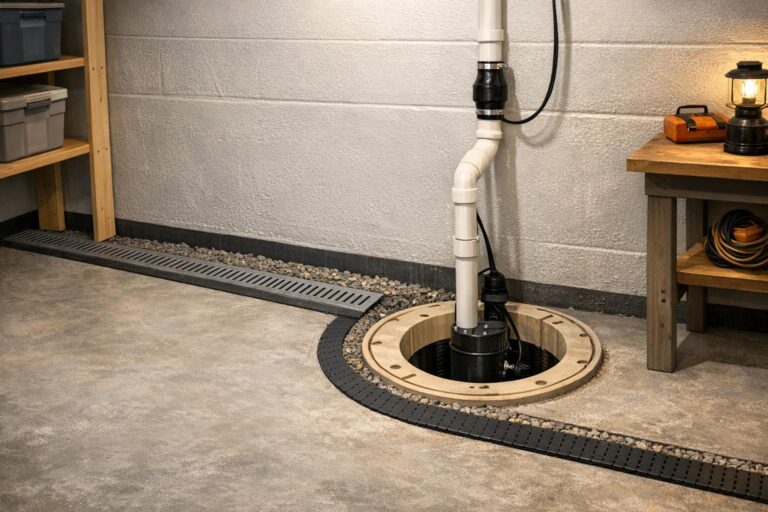
Frequent short-cycling – where the pump turns on and off too often – might indicate it’s either too small for the job or improperly installed. A battery backup system can ensure the pump works during power outages, and regular inspections of discharge lines help maintain proper water expulsion. With proper care, professional waterproofing and drainage systems can last 20 to 30 years.
Conclusion
Basement red flags – like water stains, musty smells, foundation cracks, or sump pump issues – aren’t problems to put off. These early signs of trouble can quickly snowball into major structural damage, health hazards, and hefty repair bills. As Eugene Kushmarak from Aquatech Waterproofing aptly points out:
“Ignoring early warning signs can lead to serious problems, including structural weakening of your foundation and mold and mildew infestations”.
Consider this: a single basement flood can set you back an average of $43,000. That’s a massive expense compared to the relatively smaller cost of addressing issues like efflorescence or minor cracks early on. And it’s not just about money – mould can begin to grow in as little as 24 hours, potentially causing respiratory problems and putting your family’s health at risk. Water damage is also one of the top reasons for home insurance claims and can significantly lower your property’s resale value.
Taking action early can save you from these headaches. It helps maintain your home’s structural strength, prevents wood rot in beams, and keeps pests at bay. Plus, a professionally installed waterproofing system can last 20 to 30 years, giving you long-term protection and peace of mind.
Leaquida Waterproofing is here to help with tailored solutions for your home. They offer services like interior drainage systems and exterior foundation sealing, with clear pricing starting at $70 to $120 per linear foot for interior work and $100 to $250 per linear foot for exterior waterproofing.
FAQs
What health problems can a damp basement cause?
A damp basement is a perfect breeding ground for mould and mildew, both of which release spores that can harm indoor air quality. These spores are known to trigger or worsen respiratory conditions like asthma, bronchitis, and chronic sinus infections. Common symptoms include coughing, wheezing, throat irritation, and watery eyes. In more severe cases, certain toxic mould species can thrive in high humidity levels (typically above 80%), potentially leading to fatigue, headaches, or even neurological issues in vulnerable individuals.
Excess moisture doesn’t just stop at mould – it also promotes the growth of bacteria and dust mites. These can aggravate allergies and even cause skin irritation. The risks are particularly concerning for children, seniors, and anyone with pre-existing health conditions. To safeguard your home and health, it’s crucial to keep your basement dry and maintain relative humidity levels below 50%.
What are the signs that my sump pump isn’t working properly?
A sump pump that’s on its last legs usually gives you some heads-up before major water problems kick in. Look out for telltale signs like the water level in the pit rising without the pump kicking in, odd noises such as grinding or humming (which might mean the motor is wearing out or the impeller is jammed), or the pump turning on and off too quickly – a common clue that the float switch is out of alignment. Another red flag? Pouring water into the pit and the pump staying silent. This could mean the float switch is stuck, the motor has failed, or there’s a power issue.
Start by checking the basics: make sure the pump is plugged into a functioning outlet and, if it has a battery backup, confirm the battery is fully charged. You can also test the pump by gently lifting the float – if it doesn’t activate, something’s wrong. Don’t forget to inspect the discharge pipe for blockages or kinks, and make sure the water is being directed at least 6 metres away from your house to avoid it pooling near the foundation. If none of these quick fixes work, it’s time to call in a pro to take a closer look at your sump pump and waterproofing system.
What should I do if I find mould in my basement?
If you spot mould in your basement, it’s crucial to tackle it promptly to avoid potential damage and health concerns. Begin by identifying and fixing the root causes – this could mean repairing leaks, sealing cracks, or improving the waterproofing of the space. Enhancing ventilation and using a dehumidifier can also help lower moisture levels, making the environment less hospitable for mould.
For smaller mould patches, you can clean the surfaces with suitable cleaning products. However, if the mould covers a large area or keeps coming back, it’s wise to call in professional remediation experts. They have the tools and expertise to handle the problem safely and effectively.
 CLOGGED OR BROKEN WEEPING TILE