Why Etobicoke Homes Need Backwater Protection
Basement flooding is a common problem in many parts of Etobicoke, especially in neighbourhoods with older sewer systems or homes built below street level. During heavy rainfall or rapid snowmelt, municipal drains become overloaded, causing sewage to reverse direction and enter residential plumbing. This leads to contaminated water coming up through floor drains, toilets and laundry connections. Installing a backwater valve is the most reliable way to prevent this problem and protect the structure, health, and value of your home.
How a Sewer Backwater Valve Works
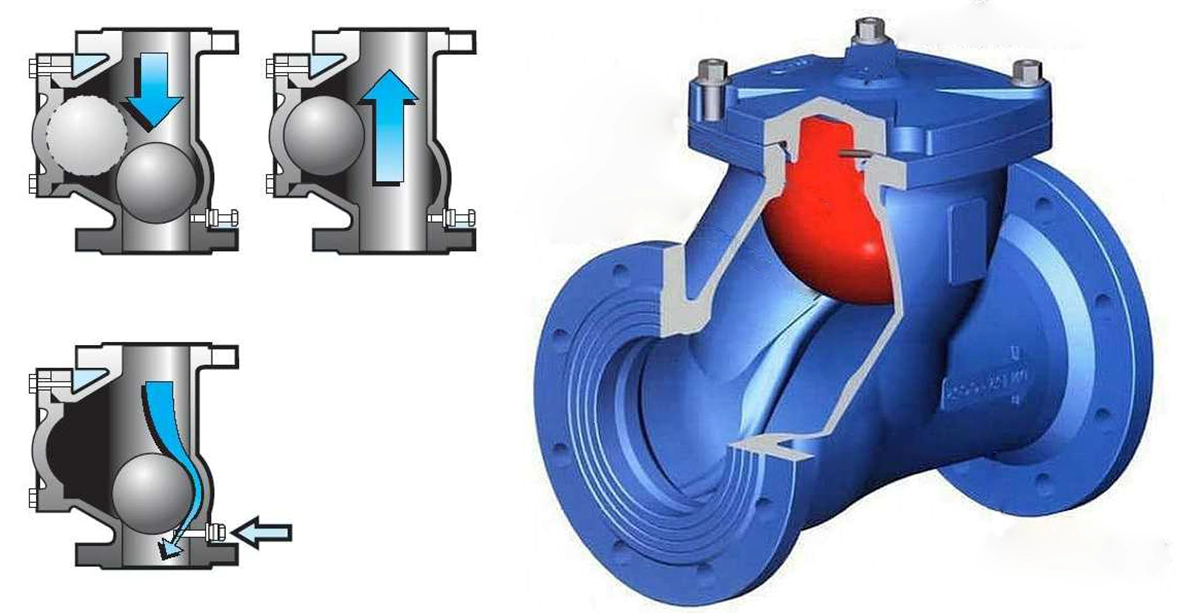
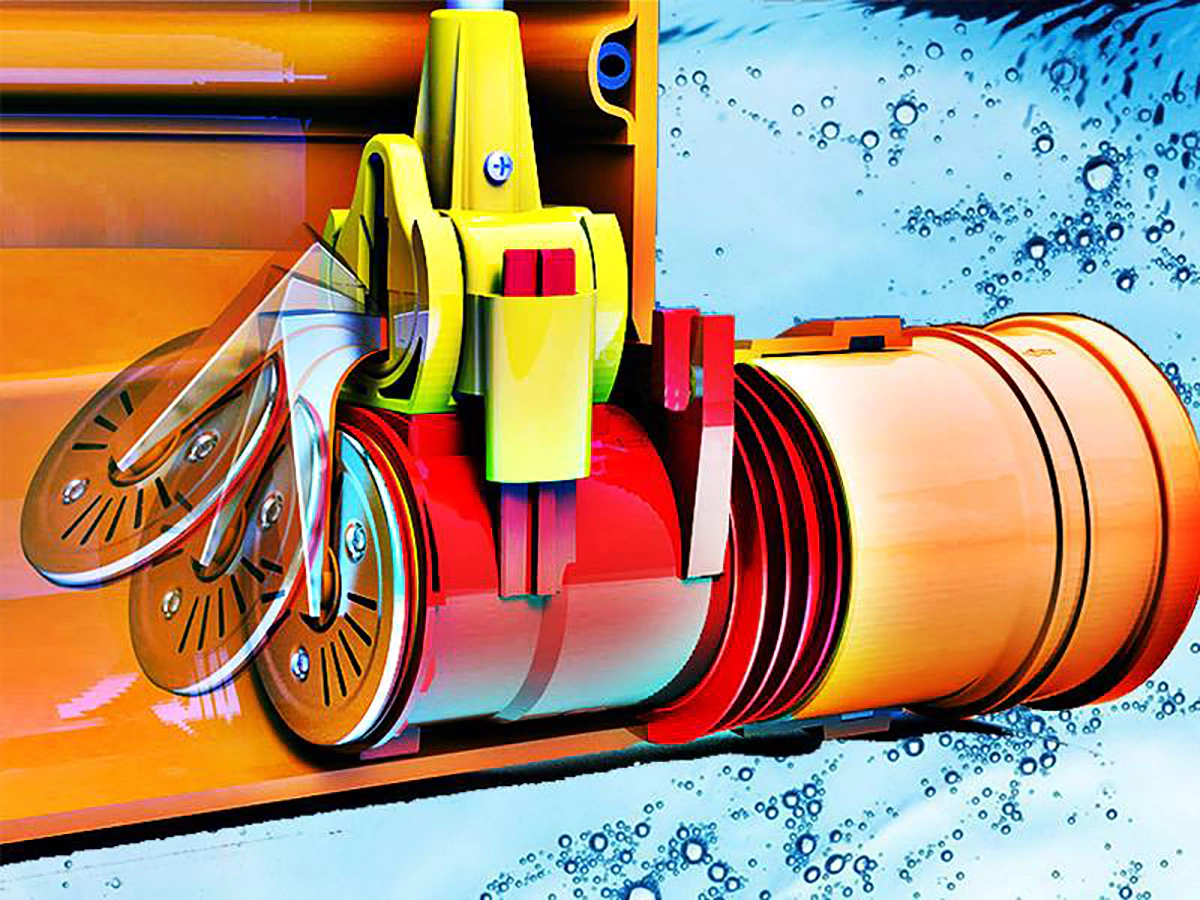
A sewer backwater valve Etobicoke homeowners install allows wastewater to exit the house while blocking any reverse flow from the municipal sewer line. Inside the valve is a flap that stays open during normal drainage. When water begins to push backward, the flap closes automatically and seals the pipe. This simple system prevents raw sewage from entering your basement, reducing the risk of property damage, mold, and expensive restoration.
Unlike sump pumps that only remove groundwater, a backwater valve directly stops contaminated sewage. It is installed on the main building drain and remains inactive until a backup occurs, making it a passive yet essential form of protection.
When Backwater Valve Installation Becomes Necessary
If you notice gurgling sounds from toilets or floor drains, slow water drainage after rain, or unpleasant odours coming from basement plumbing fixtures, these may be early signs of sewer overload. Insurance companies increasingly require backwater valve installation in Etobicoke when homeowners make repeat flooding claims. Many new constructions in the area already include this system, yet older homes still lack protection.
Basements used as living space, rental units, or storage for valuables should always have a valve installed. The cost of one sewage backup often exceeds the price of installation.
Step-by-Step Backwater Valve Installation Process
Professional installation is critical to ensure proper performance. Leaquida Waterproofing follows all Etobicoke and Toronto plumbing codes, starting with camera inspection of the drain line to identify the correct placement.
Installation includes:
- Locating the main building sewer line near the foundation wall
- Cutting and removing a section of concrete floor
- Exposing the pipe and installing the valve housing
- Sealing joints to prevent leaks
- Restoring the concrete and testing water flow
This procedure prevents future issues and ensures the valve is positioned at the correct elevation. A backflow device installation in Etobicoke requires licensed contractors, permits, and correct documentation to qualify for city rebates.








 CLOGGED OR BROKEN WEEPING TILE