
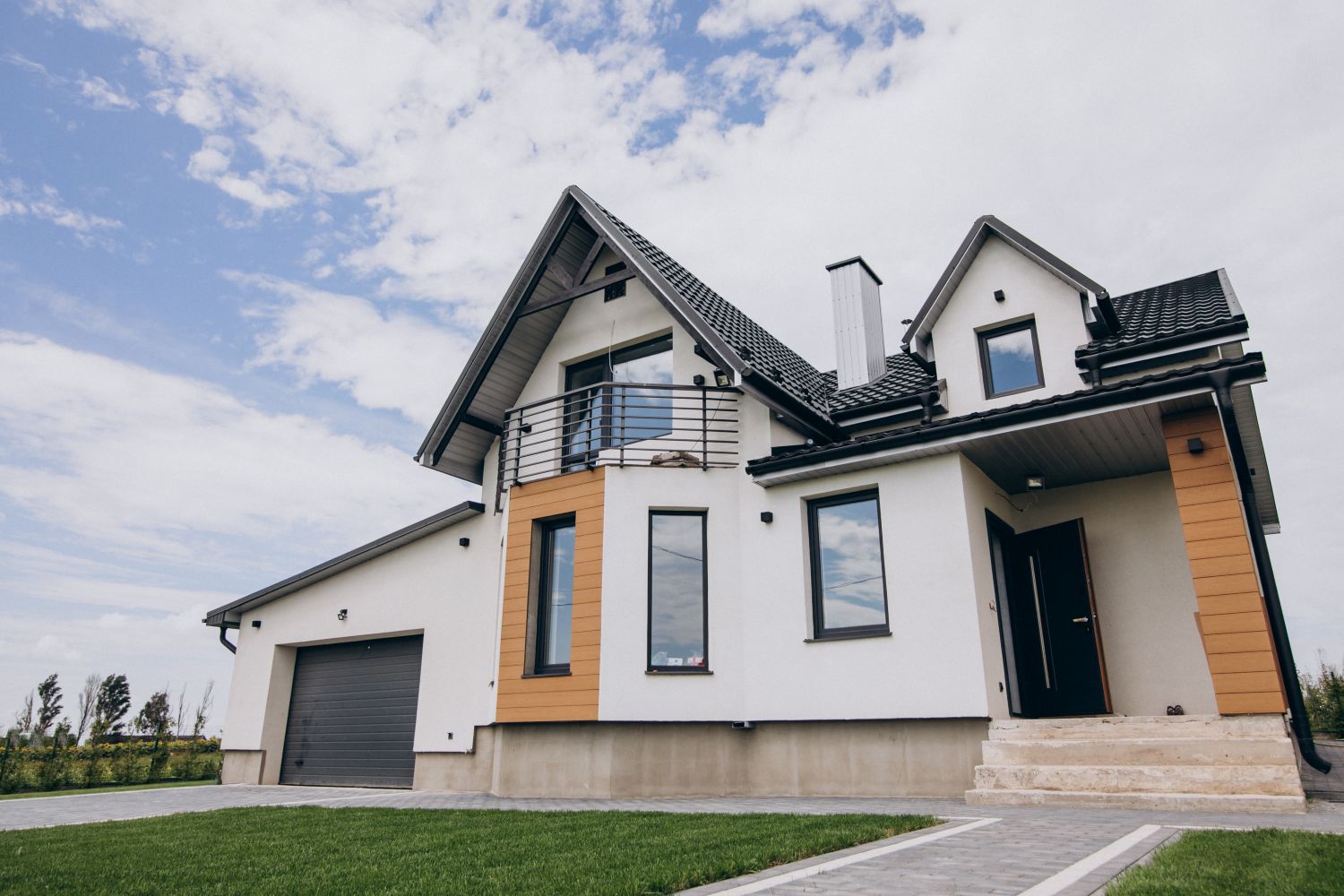
When it comes to increasing the market value of your home, many homeowners think of kitchen upgrades, landscaping, or fresh paint. But one often-overlooked improvement with high return on investment is exterior waterproofing. This practical upgrade not only protects your property from water damage—it also boosts buyer confidence, improves structural integrity, and enhances overall property appeal. Let’s explore how exterior waterproofing can directly impact your home’s value.
What Is Exterior Waterproofing?
Exterior waterproofing is a key method to protect your property by preventing water penetration into your foundation or basement walls. Unlike interior solutions that deal with water after it enters, exterior waterproof systems act proactively, stopping moisture at the source and ensuring your waterproof property remains safe from long-term water damage. This is done by excavating around the foundation, sealing walls with a waterproof membrane, installing drainage systems, and backfilling with protective materials.
This proactive approach ensures long-term protection from flooding, seepage, mold, and structural damage.
Why Exterior Waterproofing Matters for Real Estate and Waterproof Property Value
Moisture problems can be a major red flag for homebuyers, significantly lowering your property’s perceived value. A waterproofed home not only prevents issues like damp basements and mold growth but also enhances the overall waterproof property value, signaling to potential buyers that the home is structurally sound and properly cared for. In contrast, a dry, well-maintained home signals to potential buyers that the property is structurally sound and properly cared for.
Real-life examples often show how much exterior waterproofing impacts property value. In many resale cases, homes with a history of basement moisture or minor flooding struggle to attract buyers or face repeated price reductions. By contrast, properties that have invested in exterior waterproof systems often pass inspections more easily, sell faster, and maintain stronger negotiating positions during the sales process.
Here’s how exterior waterproofing adds real value to your home:
1. Protects Structural Integrity
Water intrusion can weaken a home’s foundation, leading to cracks, shifting, and long-term structural instability. By keeping water out, exterior waterproofing preserves the integrity of the foundation, one of the most critical aspects of your property’s construction. A structurally sound home commands a higher asking price.
2. Reduces Future Repair Costs
Homebuyers look for properties with minimal upcoming maintenance. A waterproofed exterior means fewer concerns about water-related repairs like foundation patching, mold remediation, or floor replacement. By reducing future costs, your home becomes more attractive to cost-conscious buyers.
3. Enhances Basement Usability
A dry basement is a major selling point. It opens the door to livable, usable space—be it a guest suite, home office, or recreation room. Buyers are more likely to pay a premium for homes with fully functional basements free of moisture issues.
4. Boosts Curb Appeal and Drainage
Proper exterior waterproofing often involves grading improvements, gutter upgrades, and better landscaping to manage runoff. These upgrades not only protect your home but improve how it looks from the outside, adding to overall curb appeal and first impressions.
5. Prevents Mold and Health Hazards
Moisture leads to mold, and mold leads to health concerns. Homes with a history of water damage or mold are harder to sell and typically appraise for less. A waterproofed foundation ensures a healthier indoor environment by reducing excess moisture, mold spores, and allergens. These waterproof benefits for house occupants are especially important for families with young children, seniors, and individuals with asthma or allergies.
6. Increases Buyer Confidence
Homes that have undergone professional waterproofing instill confidence. Buyers know they’re getting a home with long-term protection and fewer surprises after purchase. This trust can help speed up the sale process and justify a higher price tag.
ROI: A Smart Long-Term Investment
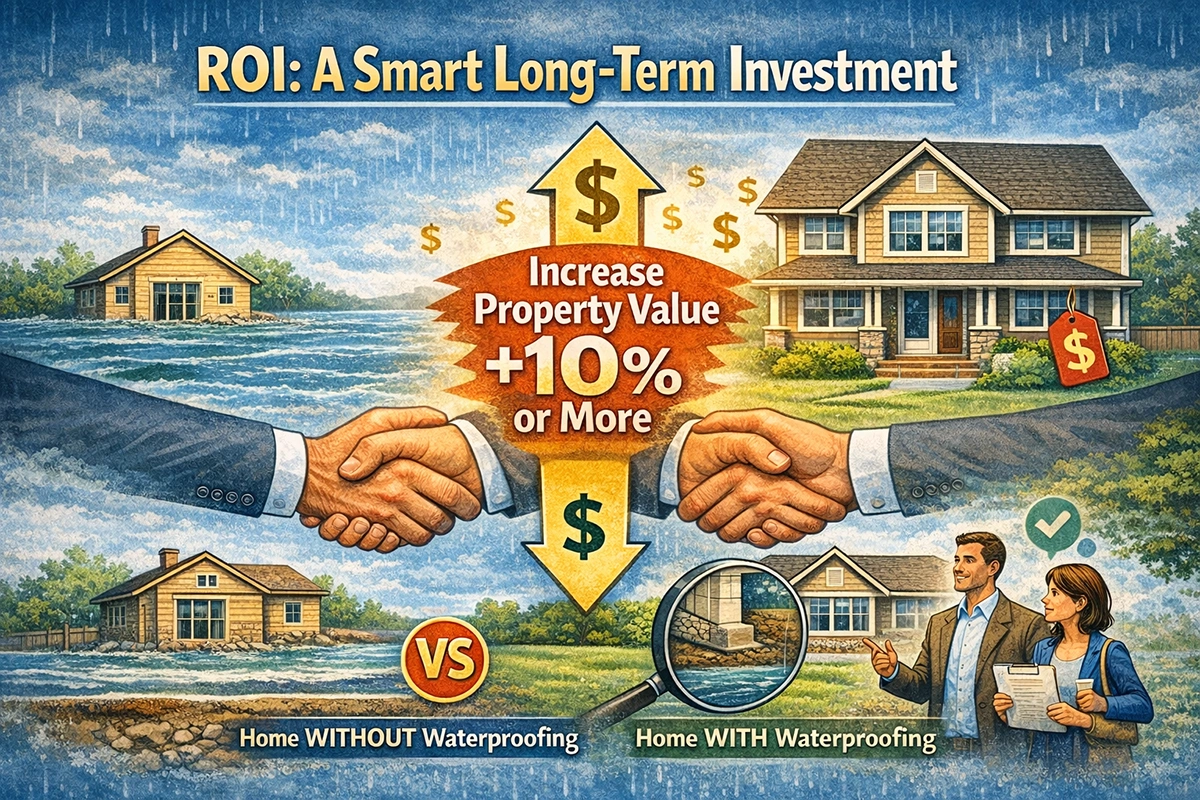
Exterior waterproofing may not be the cheapest upgrade, but it provides excellent ROI. According to industry estimates, structural waterproofing and foundation improvements can increase your waterproof property value by up to 10% or more—especially in flood-prone areas or regions with high water tables.
In some cases, waterproofing can even be the deciding factor in a successful sale. A buyer comparing two similar homes will likely choose the one with proven water protection and a history of preventive maintenance.
When Should You Waterproof?
-
You notice foundation cracks or basement dampness
-
Your home is in a low-lying or flood-prone area
-
You’re planning to sell in the next few years
-
You want to finish or renovate your basement
-
You’ve had previous water intrusion or mold issues
The sooner you invest in exterior waterproofing, the sooner your property will start reaping the benefits—both in protection and potential resale value.
Conclusions: is it worth doing?
Increasing your home’s market value isn’t just about aesthetics—it’s about security, functionality, and peace of mind. Exterior waterproofing offers all three. By safeguarding your foundation, improving air quality, and preventing costly repairs, this upgrade is one of the smartest investments you can make before putting your property on the market.
Beyond financial returns, exterior waterproofing improves everyday living conditions by protecting indoor air quality and creating a safer, healthier home environment.
If you’re looking to sell your home—or simply protect your investment—now is the perfect time to consider exterior waterproofing. It’s a solid foundation for higher value, faster sales, and lasting protection.
FAQs
Exterior waterproofing addresses one of the biggest buyer concerns — the risk of hidden water damage. A protected foundation and dry basement reduce uncertainty, improve buyer confidence, and position the home as a well-maintained, lower-risk investment, allowing it to command a higher price.
Yes. Even when selling in the near future, exterior waterproofing helps eliminate objections during showings and inspections. Homes with documented waterproofing work often attract stronger offers and face fewer price reductions related to moisture or foundation concerns.
Absolutely. A dry, clean basement, lack of musty smells, and visible upgrades like proper drainage and sealed foundations indicate to buyers that waterproofing work has been done. It’s a strong selling point you can highlight during showings or in your listing.
Yes. Home inspections often reveal water-related issues that can delay or derail sales. A properly waterproofed home is more likely to pass inspection smoothly, avoiding red flags like foundation cracks, water stains, or mold.
The impact varies based on location, climate, and basement condition. However, homes with dry, protected foundations are typically appraised higher and generate more buyer interest, especially when basements are usable and free from ongoing moisture issues.
Exterior waterproofing stops water before it reaches the foundation, addressing the root cause of moisture problems. Because it provides long-term structural protection, buyers usually view it as a more permanent and valuable solution than interior waterproofing systems.
 CLOGGED OR BROKEN WEEPING TILE